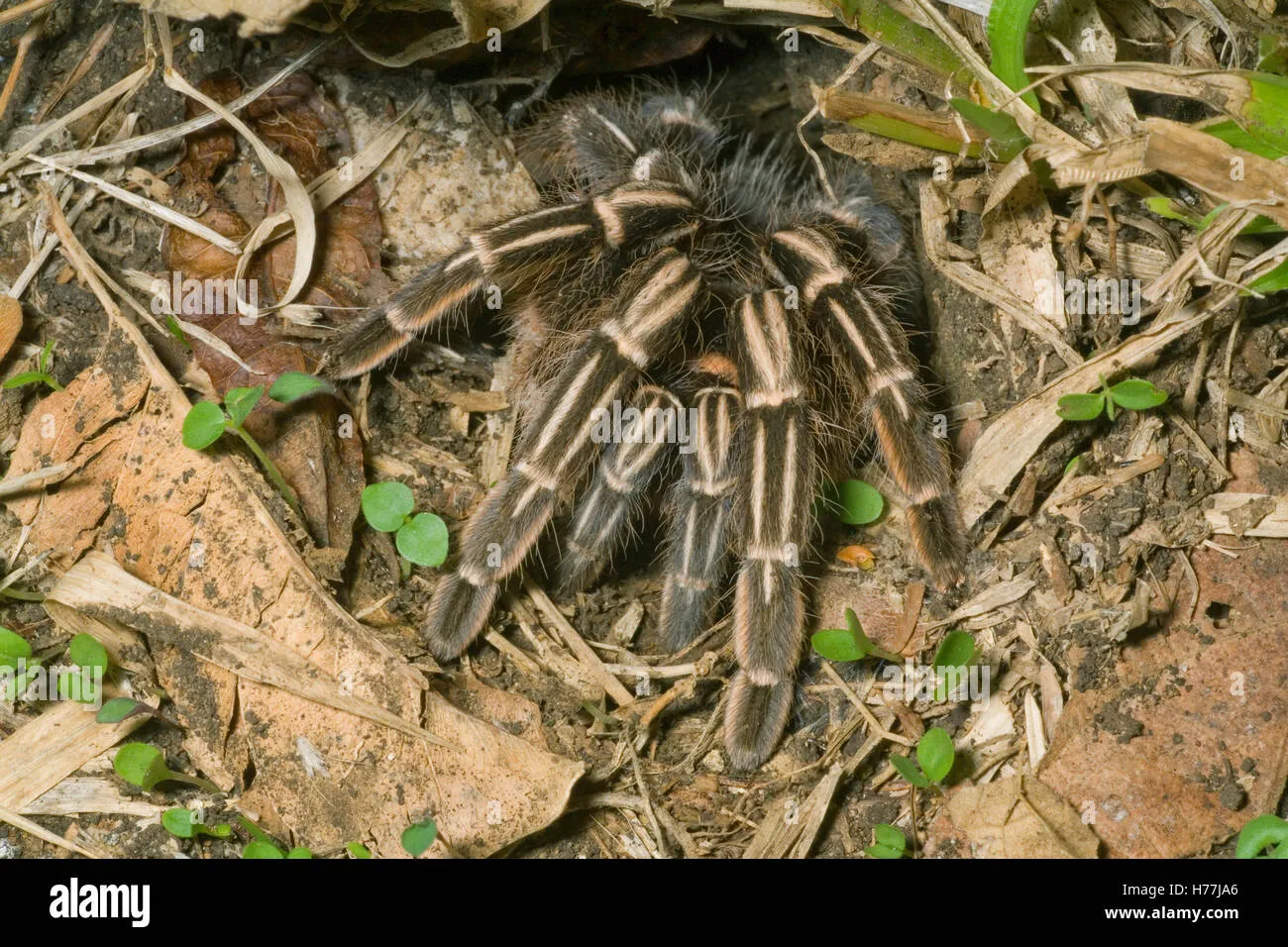
What is a Seemani Tarantula?
The Seemani Tarantula, scientifically known as Aphonopelma seemanni, is a captivating species of tarantula popular in the pet trade due to its relatively docile temperament and striking appearance. These spiders, native to Central America, are known for their unique coloration and manageable size, making them an attractive choice for both novice and experienced arachnid enthusiasts. Understanding this fascinating creature requires delving into its physical characteristics, natural habitat, and intriguing behaviors. Whether you’re a seasoned tarantula keeper or simply curious about these eight-legged wonders, the Seemani Tarantula offers a wealth of fascinating facts and insights.
Appearance & Identification
Identifying a Seemani Tarantula involves observing its distinct physical features. These tarantulas are medium-sized, with adult females typically reaching a leg span of up to 5-6 inches. Males are generally smaller, especially after their final molt. Their bodies are covered in hairs, which give them a velvety texture, and this hair plays a crucial role in the spider’s sensory perception. They also use urticating hairs as a defense mechanism, which causes irritation upon contact. Paying attention to these features helps in accurately identifying this species.
Coloration and Size

The Seemani Tarantula is renowned for its striking coloration. They typically exhibit a dark, almost black, carapace with legs that display alternating bands of light and dark colors, often a combination of tan and black. This banded pattern is a key identifying characteristic. The abdomen is usually covered in darker hairs. The contrast in color makes them visually appealing. As mentioned, adult females reach a leg span of 5-6 inches, while males are slightly smaller, particularly after their final molt. These physical attributes help in distinguishing them from other tarantula species.
Habitat & Distribution
Understanding the natural habitat of the Seemani Tarantula is crucial to appreciating its needs. In the wild, these tarantulas are ground-dwelling creatures, often found in burrows or under rocks and logs. They prefer habitats with moderate humidity and temperatures, typically in tropical or subtropical regions. They are well-adapted to environments with a moderate amount of ground cover and foliage. The geographical distribution provides insights into their natural behavior and requirements for survival. Replicating these conditions in captivity helps in providing them with a comfortable and healthy living environment.
Native Region
The Seemani Tarantula is native to Central America. They are commonly found in countries such as Costa Rica, Nicaragua, and Honduras. These regions provide the warm, humid conditions that the tarantulas thrive in. Knowing the native region gives valuable information regarding appropriate habitat requirements for captive tarantulas. By understanding their natural environment, one can better replicate these conditions in a terrarium, ensuring the tarantula’s well-being. This includes factors like substrate type, temperature, and humidity.
Top 5 Amazing Facts About the Seemani Tarantula

The Seemani Tarantula, while seemingly simple, possesses a range of fascinating characteristics. Here are five amazing facts that highlight the unique aspects of this spider.
Fact 1: The Venom
Like all tarantulas, the Seemani Tarantula is venomous, but its venom is not considered medically significant to humans. The venom is primarily used to subdue prey, such as insects. While a bite might cause some localized pain, redness, and swelling, it’s not generally dangerous. It is important to note that even though they are not highly venomous, it’s still crucial to exercise caution. Handle them with care to avoid bites. The venom’s composition is complex, containing various compounds that paralyze the prey, allowing the tarantula to feed effectively. The potency varies, but the Seemani Tarantula’s venom is far from life-threatening to humans.
Fact 2: Behavior
Seemani Tarantulas exhibit interesting behavioral patterns. They are generally docile, but can be defensive if they feel threatened. They are primarily nocturnal, meaning they are most active at night. During the day, they often hide in their burrows or under cover. They are ambush predators, meaning they wait for prey to come close before they strike. This hunting strategy is an essential part of their survival. Additionally, they may flick urticating hairs off their abdomen as a defense mechanism. Understanding these behaviors helps in providing a suitable environment and in observing their natural tendencies.
Fact 3: Lifespan

The Seemani Tarantula has a considerable lifespan, particularly the females. Females can live for up to 10-15 years or longer in captivity. Males, on the other hand, have a shorter lifespan, often living only a few years after reaching maturity. The lifespan is an important factor when considering the commitment of owning one of these creatures. Providing them with proper care and a suitable environment contributes to their longevity. Factors like diet, temperature, and humidity also influence their lifespan.
Fact 4: Diet
The Seemani Tarantula’s diet in the wild primarily consists of insects, such as crickets, roaches, and other invertebrates. In captivity, they can be fed a similar diet, making it relatively easy to care for them. The frequency of feeding depends on the size and age of the tarantula. It’s essential to offer a varied diet to ensure they receive all necessary nutrients. It is also important to remove any uneaten food to prevent the buildup of mold and mites. Regular feeding is an important part of maintaining the tarantula’s health and well-being.
Fact 5: Conservation Status
Currently, the Seemani Tarantula is not listed as a threatened species. However, as with many species, habitat loss and the pet trade could potentially impact their wild populations. Conservation efforts often involve monitoring wild populations and addressing habitat destruction. Responsible pet ownership, including purchasing tarantulas from reputable breeders, is crucial. Promoting sustainable practices helps in preserving the species and ensures their survival for future generations. Public awareness and education also play a key role in protecting these fascinating creatures.
Caring for a Seemani Tarantula

Caring for a Seemani Tarantula involves providing the right environment, diet, and handling practices. Proper care ensures their health, longevity, and well-being. This species, being relatively docile, makes it suitable for keepers of varying experience levels. However, knowledge and attention to detail are essential to creating a comfortable and safe environment for these arachnids.
Setting Up the Enclosure
Creating a suitable enclosure is vital for the Seemani Tarantula’s well-being. A 10-gallon tank is typically sufficient for an adult. The enclosure should have a secure lid to prevent escapes. The substrate should be a mix of materials like peat moss, coconut fiber, and vermiculite, to retain humidity. Provide a hide, such as a piece of cork bark or a half log, for the tarantula to retreat. Maintain a temperature between 75-85°F (24-29°C) and a humidity level of 60-70%. Regularly check and maintain the setup to provide a comfortable environment.
Feeding Your Tarantula
Feeding is a simple process, as Seemani Tarantulas are not picky eaters. Crickets, roaches, and other insects are great options. The frequency of feeding depends on the tarantula’s size and age. Spiderlings should be fed more often than adults. Adults can be fed once or twice a week. Remove any uneaten food within 24 hours to prevent the growth of mold and mites. Providing a varied diet ensures the tarantula receives all essential nutrients, contributing to its health. Always ensure that the prey insects are gut-loaded before feeding.
Handling & Safety

While the Seemani Tarantula is generally docile, it is best to handle them with caution. Avoid handling unless necessary, such as for enclosure maintenance. When handling, do so close to the ground to minimize the risk of a fall. Be gentle and avoid sudden movements, as they can startle the tarantula. Always wash your hands thoroughly before and after handling. Keep a safe distance to avoid any potential bites or the release of urticating hairs. It’s important to respect the tarantula and prioritize its safety.
Common Health Issues
Seemani Tarantulas are relatively hardy, but can still face health issues. Common issues include dehydration, which can be prevented by providing a water dish and maintaining proper humidity. Parasites are another potential concern, and can be avoided with a clean enclosure and proper hygiene. If you notice any signs of illness, such as lethargy, loss of appetite, or unusual behaviors, consult an experienced tarantula keeper or a veterinarian specializing in exotic animals. Regular observation helps in identifying potential health problems early, ensuring prompt and effective treatment.
Conclusion
The Seemani Tarantula is a captivating species, offering both beauty and intrigue to those who appreciate exotic pets. From their striking coloration to their manageable size and docile nature, they are a rewarding choice for many enthusiasts. By understanding their habitat, diet, and behavior, and by providing proper care, you can enjoy a long and fulfilling relationship with these fascinating arachnids. The Seemani Tarantula offers a unique opportunity to delve into the world of spiders and appreciate the wonders of nature in your own home. Remember, responsible pet ownership is key to their well-being and the conservation of their species. Enjoy the journey of owning one of these amazing creatures!