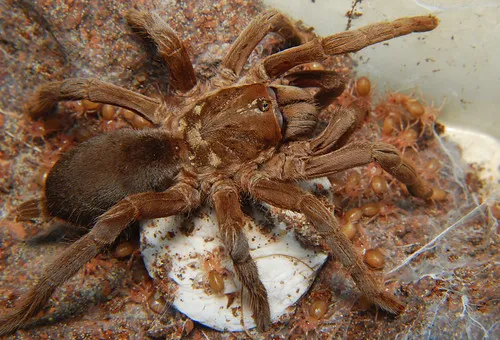
Selenotypus Tarantula Care Overview
Caring for a Selenotypus tarantula can be a rewarding experience. These spiders, known for their striking appearance and relatively docile temperament, make captivating pets for arachnid enthusiasts. However, like all exotic pets, they require specific care to thrive. This guide provides the top 5 essential tips for ensuring your Selenotypus tarantula lives a long, healthy, and fulfilling life. Understanding their needs is crucial, from enclosure setup to feeding, handling, and health maintenance. By following these guidelines, you can create a thriving environment for your fascinating eight-legged friend, providing them with the best possible care. Proper care not only ensures their well-being but also enhances your enjoyment of this unique pet. Let’s delve into the key aspects of providing optimal care, focusing on creating a safe and enriching habitat.
Enclosure Setup
The enclosure is the cornerstone of Selenotypus tarantula care. A well-designed habitat replicates their natural environment and is essential for their physical and psychological well-being. Consider these critical aspects when setting up your tarantula’s home. The right enclosure provides a safe haven, allowing the spider to exhibit its natural behaviors, hunt, and thrive. The size, materials, and environmental controls within the enclosure are all key to creating a comfortable and stimulating environment. A properly designed setup is not only aesthetically pleasing but also minimizes stress and promotes the spider’s overall health and longevity. This ensures the tarantula’s comfort, encourages natural behaviors, and minimizes stress, contributing significantly to its overall health.
Appropriate Enclosure Size

Choosing the right enclosure size is paramount. A general rule is that the enclosure should be at least twice the tarantula’s leg span in width and length. For juveniles, a smaller enclosure might feel less overwhelming and promote better feeding responses. As the tarantula grows, the enclosure size should be upgraded accordingly. Overly large enclosures can make it difficult for the tarantula to find food and may cause undue stress. The height of the enclosure should also be considered, providing adequate space for burrowing, if applicable to the species, and ensuring the spider can’t reach the top and potentially escape. Ensure the enclosure has a secure lid to prevent escape, as these spiders are skilled climbers and explorers. The correct enclosure size contributes significantly to the tarantula’s comfort and overall well-being, providing a sense of security and space to move around naturally.
Substrate Selection
The substrate, or bedding, serves several vital functions, including providing a comfortable surface, aiding in moisture regulation, and allowing for burrowing. A mix of peat moss, coco fiber, and vermiculite works well. Avoid substrates with sharp edges or chemicals that could harm the spider. The depth of the substrate should be sufficient to allow burrowing, typically 4-6 inches or more, depending on the spider’s size and burrowing habits. Ensure the substrate is kept slightly moist, not wet, to maintain appropriate humidity levels. Regular spot cleaning of the substrate is necessary to remove uneaten food and waste, which helps maintain a healthy environment and prevents mold or bacteria growth. Proper substrate selection significantly impacts the tarantula’s ability to thrive, promoting natural behaviors and overall health.
Temperature and Humidity Control
Maintaining the correct temperature and humidity is crucial. Selenotypus tarantulas thrive in temperatures between 75-85°F (24-29°C). Use a heat mat or a low-wattage heat lamp to maintain the desired temperature. Monitor the temperature with a thermometer to ensure it remains consistent. Humidity levels should be around 60-70%. This can be achieved by misting the enclosure regularly with water and ensuring proper ventilation. High humidity can lead to mold growth, while low humidity can cause molting issues. Use a hygrometer to measure humidity levels. Proper environmental control is essential for the spider’s health and molting process. Adjust the heating and misting based on the spider’s needs and the ambient conditions to create the ideal living environment.
Feeding Your Selenotypus Tarantula

Feeding is a vital aspect of Selenotypus tarantula care. Providing the right diet ensures your spider receives the necessary nutrients for growth and maintenance. Understanding feeding frequency, prey size, and the importance of water is crucial for your tarantula’s well-being. A well-fed tarantula is a healthy tarantula. Consider the spider’s life stage, size, and activity level when formulating a feeding plan. A regular feeding schedule, supplemented by fresh water, will contribute to the long-term health and happiness of your pet tarantula. Proper nutrition is essential, supporting growth, molting, and overall vitality.
Feeding Frequency and Prey Size
Juvenile tarantulas should be fed more frequently, typically 2-3 times per week, while adults can be fed every 1-2 weeks. Adjust the feeding schedule based on the spider’s appetite and body condition. Offer prey items like crickets, roaches, mealworms, and appropriately sized earthworms. The prey item’s size should be no larger than the tarantula’s abdomen. Avoid feeding your tarantula prey items that are too large or could potentially injure it. Remove uneaten prey within 24 hours to prevent stress for the tarantula and maintain a clean enclosure. The right feeding frequency and prey size contribute significantly to the tarantula’s health and growth, providing essential nutrients for its well-being.
Water and Hydration
Providing a constant source of fresh water is essential. Use a shallow water dish or a water gel, especially for smaller tarantulas. Regularly check the water source and refill it as needed. Water is critical for hydration and helps with the molting process. Dehydration can be fatal, so always ensure a constant supply of clean water. Mist the enclosure lightly every few days to maintain the correct humidity levels. The water source must be cleaned frequently to prevent bacterial growth and to make sure it is safe for the tarantula to drink. Adequate hydration is essential for overall health, particularly during molting. This supports vital bodily functions and ensures the tarantula’s well-being.
Handling and Safety

Handling a Selenotypus tarantula can be an enjoyable experience, but it requires caution and understanding. These spiders are generally docile, but it’s essential to prioritize their safety and your own. Understanding their behavior and taking precautions will ensure safe and positive interactions. Never handle a tarantula unless you are fully confident and have carefully assessed its mood. The best approach is to observe and enjoy your spider in its enclosure, minimizing the risk of accidental bites or injuries. Prioritizing safety and respecting the tarantula’s boundaries is crucial for a positive and enriching experience for both you and your pet. Careful handling minimizes stress for the spider.
Understanding Your Tarantula’s Behavior
Observe your tarantula’s behavior before handling. Look for signs of stress, such as a raised threat posture, flicking of the legs, or a defensive stance. Avoid handling if the tarantula appears agitated. Tarantulas can be unpredictable, and even the calmest spider may bite if startled or feels threatened. Familiarize yourself with the species-specific behaviors. Some tarantulas may be more defensive than others. Before attempting to handle, make sure you are aware of the potential risks involved and the spider’s current mood. Always remember that tarantulas are delicate creatures, and rough handling can cause injury. Observe the spider’s behavior and be prepared to avoid handling if the tarantula shows signs of stress or aggression, as this is essential for both your safety and the spider’s well-being.
Avoiding Bites and Drops
If you choose to handle your tarantula, do so carefully and gently. Always support the spider’s body with both hands. Avoid sudden movements or dropping the tarantula, as this can cause serious injury. Handle the tarantula over a soft surface, like a bed or a couch, in case of accidental falls. If bitten, wash the area with soap and water and seek medical attention if necessary, although tarantula bites are generally not life-threatening. Never attempt to handle a tarantula if you are not comfortable or confident. Handle only when necessary and always prioritize the spider’s well-being. By handling with care and awareness, you can reduce the risk of bites and ensure a safe and pleasant experience for both you and your pet.
Health and Maintenance

Maintaining the health of your Selenotypus tarantula involves regular monitoring and proactive care. By keeping a close eye on your pet and knowing the signs of potential health issues, you can provide timely interventions and ensure a long and healthy life. Routine maintenance tasks such as cleaning and proper enclosure upkeep contribute to a healthy environment, reducing the risk of illness. Consistent monitoring and maintenance efforts will enhance your tarantula’s overall well-being, fostering a thriving habitat where it can thrive. This also enhances your enjoyment of owning a Selenotypus tarantula.
Recognizing Common Health Issues
Learn to recognize common health issues, such as mites, mold, and injuries. Mites can often be seen as tiny, moving specks on the tarantula or its enclosure. Mold can develop due to excessive humidity or poor ventilation. Injuries can occur from falls or handling. Inspect your tarantula regularly for any abnormalities. If you suspect a health problem, isolate the tarantula if necessary and consult with an experienced arachnid keeper or veterinarian. Early detection and treatment are critical for successful outcomes. Monitoring your tarantula’s behavior, feeding habits, and physical condition is essential for identifying potential health problems early on, enabling you to address any issues promptly.
Cleaning and Maintenance
Regular cleaning and maintenance are crucial for maintaining a healthy environment. Spot-clean the enclosure weekly to remove uneaten food, waste, and any other debris. Replace the substrate regularly, depending on the type of substrate used. Clean the water dish and any decorative items in the enclosure. Ensure proper ventilation to prevent mold growth. Regular maintenance prevents the buildup of harmful bacteria and maintains ideal living conditions for your tarantula. This helps to prevent health issues. Proper cleaning and maintenance contribute significantly to the well-being and longevity of your tarantula, creating a safe and healthy habitat.
Providing Enrichment

Enrichment is essential for stimulating your tarantula’s mind and encouraging natural behaviors. While not all tarantulas are actively engaged in their environment, providing enrichment can still benefit them. Offering a variety of enrichment opportunities can significantly improve your tarantula’s well-being. This helps to keep them active and reduce boredom. Incorporating these items can create a more stimulating and enjoyable habitat. This ensures a happier and healthier spider. By focusing on enrichment, you enhance the lives of your pets, creating a more natural and stimulating environment. It’s an important part of responsible Selenotypus tarantula care.
To enrich their environment, provide hiding places like cork bark, artificial plants, or hollow logs. This helps the tarantula to feel safe and secure. You can occasionally rearrange items in the enclosure to stimulate exploration and foraging behaviors. Vary the placement of food items to encourage the tarantula to hunt. While not all tarantulas show visible reactions to enrichment, providing these elements can significantly improve their quality of life. Consider adding elements that reflect their natural habitat. Enrichment not only reduces boredom but also enhances your spider’s well-being, providing it with opportunities to express its natural behaviors. Creating a diverse and stimulating enclosure is one of the most rewarding aspects of Selenotypus tarantula care.