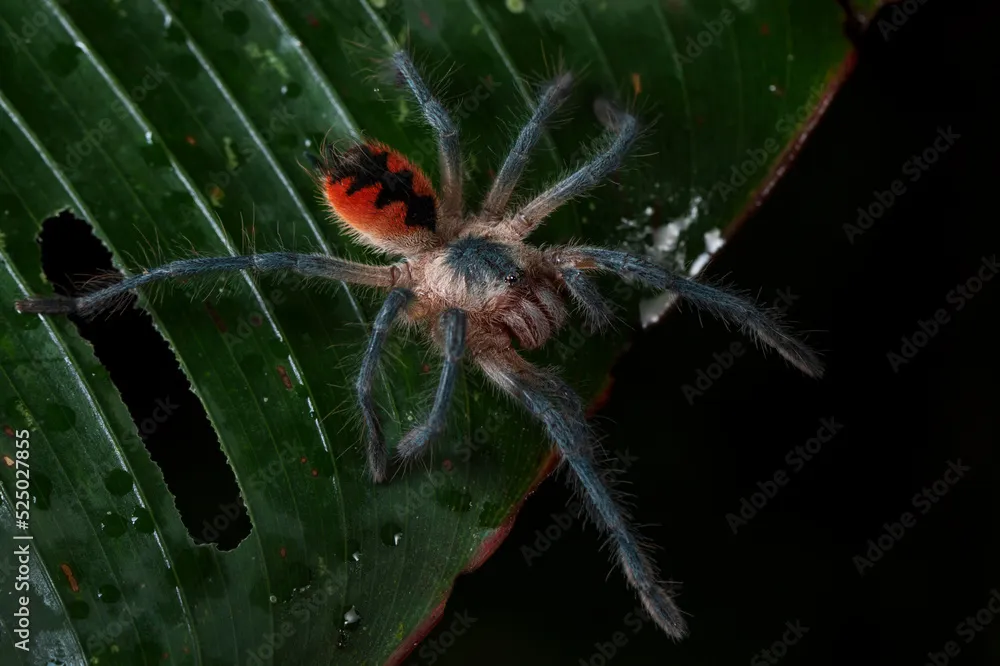
What is a Smoking Tarantula?
The term ‘smoking tarantula’ is a colloquialism used to describe a specific phenomenon. It’s crucial to clarify what this term represents to understand the context and the potential risks. The term often refers to tarantulas that exhibit behaviors or are found in environments that are unusual or indicate potential health risks. These instances often involve exposure to various elements that are harmful to the tarantula and, by extension, potentially to humans. Understanding this is the first step toward effective prevention and ensuring safety.
Defining the Phenomenon
The term ‘smoking tarantula’ usually is an informal term to describe the spiders behavior when its under a critical and stressful enviroment or health. This is very important to take into account because it is crucial to understand the reasons why these animals might be showing this kind of behavior and how we can identify the problem.
Misconceptions vs. Reality

There are many misconceptions surrounding the behavior of a ‘smoking tarantula’. One common myth is that the tarantula actually smokes like a person, which is impossible for a tarantula. The reality is often far more complex and relates to environmental conditions or health problems. It is important to debunk these myths and focus on the scientific facts to ensure accurate information and safety.
Top 5 Facts About Smoking Tarantulas
To better understand ‘smoking tarantulas’, here are five essential facts that highlight critical aspects of this phenomenon, helping to differentiate between myth and reality.
Fact 1 Identifying Characteristics
The first key fact is how to identify a ‘smoking tarantula’. This involves observing specific behavioral and physical indicators. These signs could include erratic movement, unusual posture, or changes in color or texture. Recognizing these signs is crucial for quick action and effective prevention. Observe your pet’s behavior constantly so you can prevent a fatal outcome.
Fact 2 Behavioral Patterns

Behavioral patterns are another important aspect. ‘Smoking tarantulas’ may exhibit abnormal behavior. This can range from aggression to lethargy, and a loss of appetite. These changes are often linked to underlying environmental or health issues, indicating the need for immediate attention and care.
Fact 3 Environmental Factors
Environmental factors play a major role. This includes factors such as temperature, humidity, and exposure to harmful substances. These conditions can directly affect the tarantula’s health and behavior, making them ‘smoking tarantulas’. Regulating these environmental variables is key to preventing such issues.
Fact 4 Health Implications
Health implications are a major concern when dealing with ‘smoking tarantulas’. Exposure to contaminants or adverse conditions can lead to severe health problems, which can be very difficult to diagnose. It is important to identify and address health issues promptly to safeguard the tarantula’s well-being and to avoid potential human health risks.
Fact 5 Prevalence and Distribution

Understanding where and how often ‘smoking tarantulas’ appear helps in prevention. The distribution of ‘smoking tarantulas’ is directly influenced by environmental conditions and human activities. Awareness about the prevalence in specific areas is important for focused preventive measures and public awareness. If you live in a place where there are a lot of tarantulas, then you should prevent them.
How to Protect Yourself from Smoking Tarantulas
Protecting yourself and your loved ones from ‘smoking tarantulas’ requires a multi-faceted approach. This includes home-based prevention, professional interventions, and ongoing educational efforts. Taking proactive steps is vital in reducing risks and ensuring safety.
Home Prevention Strategies
Implementing home prevention strategies is key to reduce exposure. You can start by properly sealing cracks and openings to prevent the tarantulas from entering your house. Keep your house and garden clean and well-maintained, remove potential food sources like insects. Regular inspection can also help you to prevent your house and your family.
Professional Assistance

Sometimes, professional help is needed. If you find that the situation is out of control, contact a professional pest control service to assess the situation. They can offer specific advice and effective solutions for tarantula prevention. Professional help is always the best solution for more difficult problems.
Long-Term Solutions and Prevention
Long-term solutions involve a constant effort to maintain a safe environment. This includes consistent monitoring, preventive measures, and educating your family. By following these measures, you can ensure a safer and healthier living space for everyone.