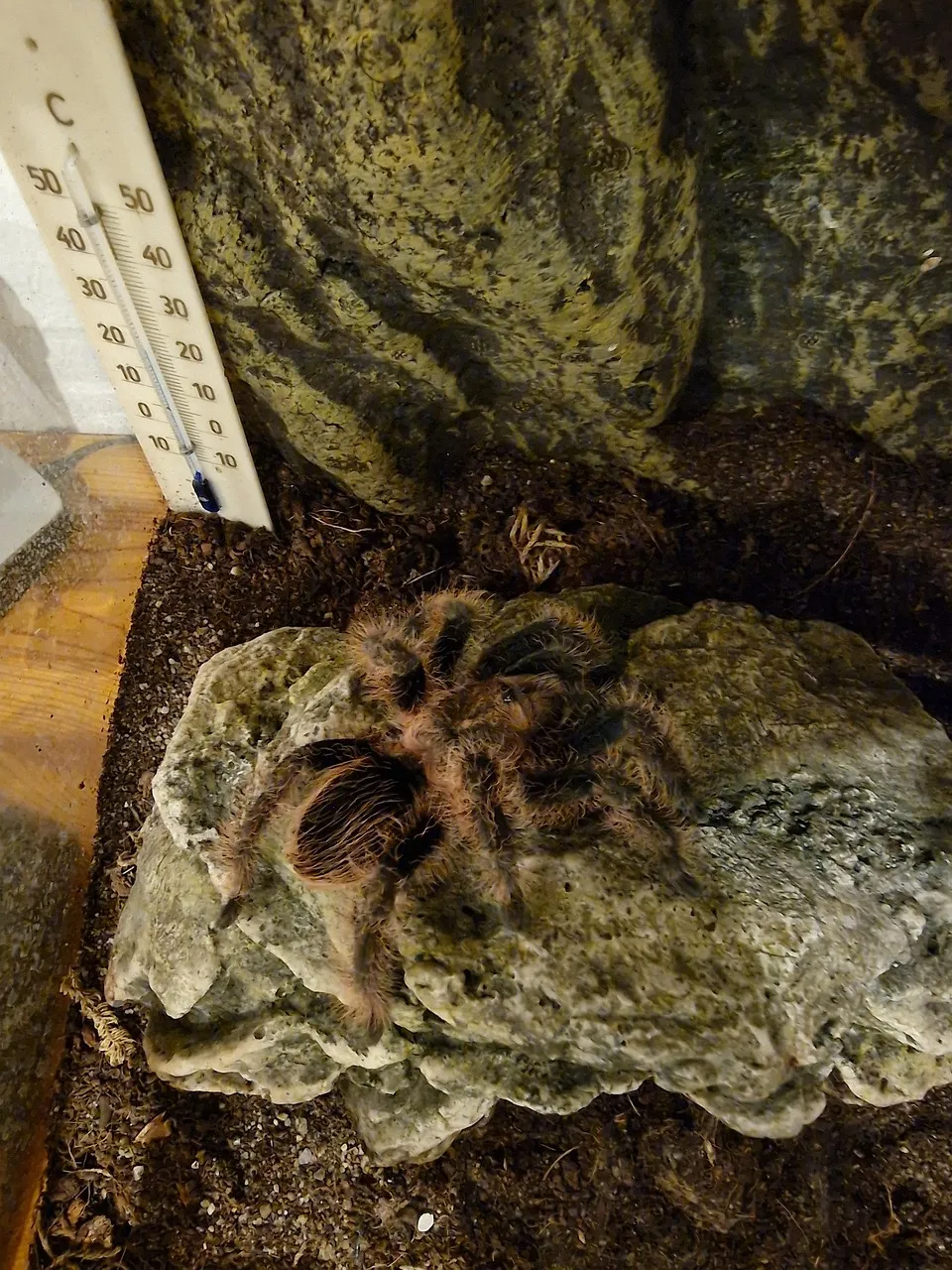
What is a Solar Spider Tarantula?
The Solar Spider Tarantula, a fascinating creature of the arachnid world, often captures the imagination with its intriguing characteristics. While the name itself might conjure images of radiant, sun-loving spiders, the reality is a blend of mystique and scientific classification. Solar Spider Tarantulas, like all tarantulas, are large, hairy spiders, belonging to the Theraphosidae family. These spiders are known for their size, with some species boasting leg spans that can reach impressive dimensions. Their life cycle, behaviors, and adaptations make them a captivating subject of study for both entomologists and enthusiasts alike. Understanding the Solar Spider Tarantula begins with appreciating its unique place in the ecosystem and the specific qualities that set it apart from other arachnids.
Appearance and Identification
Identifying a Solar Spider Tarantula involves paying close attention to its physical attributes. Typically, they display a range of colors, from earthy browns and tans to darker hues, providing effective camouflage in their natural environments. The body is divided into two main parts cephalothorax and abdomen, covered in fine hairs that contribute to their characteristic fuzzy appearance. The legs are long and robust, perfectly adapted for both walking and climbing. Key features to note include the presence of chelicerae, or fangs, used for injecting venom, and pedipalps, small appendages near the mouth used for manipulating food and sensing the surroundings. Careful observation of these details is crucial for accurate identification, helping differentiate the Solar Spider Tarantula from other spider species.
Size and Physical Characteristics

The Solar Spider Tarantula’s size is a significant aspect of its physical profile. Depending on the species, these tarantulas can range from medium to very large, with leg spans varying considerably. The body itself is typically quite bulky, covered in dense hairs that contribute to the overall impression of size. Coloration can vary depending on the species and the environment, offering natural camouflage. The exoskeleton provides both protection and support, requiring regular molting to allow for growth. The legs are strong and designed for both walking and climbing, equipped with claws that help them grip surfaces. Understanding these physical characteristics provides valuable insights into their adaptations and survival strategies in their habitats.
Habitat and Distribution
The habitat of the Solar Spider Tarantula plays a crucial role in its survival and behavior. These spiders are commonly found in specific regions, with a preference for environments that provide both shelter and an ample food supply. Their distribution is often linked to factors such as climate, vegetation, and the presence of suitable prey. Soil conditions, including moisture and composition, also impact their habitat, influencing their ability to burrow or establish a home. The tarantulas are typically found in burrows in the ground or under rocks. The diversity of habitats in which they thrive showcases their adaptability, however, they are very specific to which environment they are found.
Where They Live
Solar Spider Tarantulas inhabit various environments. These environments range from arid to semi-humid regions, where they can find suitable shelter and food sources. They construct burrows in the ground, often lined with silk, or seek refuge under rocks, logs, or within the root systems of plants. Their choice of dwelling depends on factors like soil composition, predator presence, and climate. The presence of specific vegetation and prey species plays a crucial role in their habitat selection, determining the availability of both food and safe havens. These tarantulas are typically found in tropical and subtropical regions, although their precise distribution varies by species.
What They Eat

The Solar Spider Tarantula is a voracious predator, with its diet primarily consisting of insects, other arachnids, and occasionally small vertebrates. Their hunting techniques are well-adapted to their environment, relying on ambush tactics and a keen sense of vibration. They detect prey through the movement of the silk threads that surround their burrows or resting places. Once a potential meal is detected, they pounce swiftly, injecting venom to immobilize and begin the digestion process. The diet of these tarantulas can vary based on the availability of prey in their habitat, playing a crucial role in the ecosystem as both predator and consumer. They consume insects, small lizards, and even other tarantulas.
Astonishing Fact 1 Solar Spider Tarantula’s Venom
One of the most astonishing facts about Solar Spider Tarantulas is the potency of their venom. Tarantula venom is a complex mixture of proteins and enzymes designed to subdue prey, playing a critical role in their hunting success. The venom acts primarily as a neurotoxin, affecting the nervous system of their victims and causing paralysis. While not typically lethal to humans, the venom can cause localized pain, swelling, and other symptoms. The composition of the venom varies by species, reflecting the diverse evolution of these spiders and their adaptation to different prey types. The study of their venom also holds scientific interest, as certain components are investigated for potential medicinal applications.
The Power of the Venom
The power of the Solar Spider Tarantula’s venom lies in its swift and effective action. Upon injecting the venom, the tarantula swiftly immobilizes the prey, preventing escape. This neurotoxic effect quickly disables the victim’s nervous system, allowing the spider to safely approach and begin feeding. The venom also contains enzymes that initiate the breakdown of the prey’s tissues, making it easier to consume. The potency of the venom varies by species, but it is consistently designed to ensure the survival of the tarantula. This venom composition is an essential adaptation, making them formidable hunters in their natural habitats.
Impact on Prey

The impact of Solar Spider Tarantula venom on their prey is significant, resulting in paralysis and, ultimately, death. The venom acts rapidly, targeting the nervous system of the insects, small lizards, or other creatures the tarantula preys upon. The venom’s components work synergistically to ensure the prey is completely subdued, preventing any defensive actions. Once the prey is paralyzed, the tarantula is free to approach and begin feeding. The venom then begins the digestive process, liquefying the internal organs of the prey, which makes it easier for the spider to consume its meal. This process underscores the evolutionary adaptations that have made the Solar Spider Tarantula a highly successful predator.
Astonishing Fact 2 Solar Spider Tarantula’s Hunting Techniques
Solar Spider Tarantulas exhibit remarkable hunting techniques, including both active pursuit and ambush tactics. These spiders often wait patiently in their burrows or concealed locations, sensing vibrations in the ground that signal the presence of potential prey. Their keen sensory abilities allow them to detect even slight movements, giving them the edge when hunting. They may also actively stalk their prey, moving quickly and stealthily. The effectiveness of their hunting methods is crucial for their survival, as it directly influences their ability to acquire food and thrive in their environment. These techniques show a level of precision and adaptation that is truly astonishing.
Ambush Tactics
Ambush tactics are a key part of the Solar Spider Tarantula’s hunting strategy. They typically wait patiently in their burrows or hidden beneath rocks, relying on their camouflage to remain undetected. Using their sensory hairs, they can detect the slightest vibrations caused by approaching prey. When a suitable target is within range, they launch a swift attack, using their powerful chelicerae to inject venom and subdue the victim. These ambush tactics are highly effective, minimizing the risk of injury while maximizing the chances of a successful hunt. This strategy is especially useful for species that prefer to conserve energy.
Sensory Abilities

Solar Spider Tarantulas possess highly developed sensory abilities that aid them in hunting. Their bodies are covered in sensory hairs that detect vibrations in the air and on the ground, providing an early warning of potential prey or predators. These spiders also have specialized sensory organs that can detect chemical cues, helping them identify the location of prey. Their eyesight, although not the primary hunting method, is adequate for detecting movement at close range. Together, these senses enable them to locate, identify, and successfully capture their meals, highlighting their evolutionary adaptations to a predatory lifestyle. These senses are vital for their survival.
Astonishing Fact 3 Solar Spider Tarantula’s Lifespan
The Solar Spider Tarantula’s lifespan is a fascinating aspect of their biology, with significant variations based on sex. Female tarantulas generally live much longer than males, often spanning several decades. This longevity is a notable characteristic of these arachnids. Males, on the other hand, tend to have a shorter lifespan, primarily due to the rigors of mating and a generally higher risk of predation after reaching maturity. The variance in lifespan highlights the complex life cycle of these spiders and the various factors influencing their survival.
Male vs Female Lifespans
A striking difference in the Solar Spider Tarantula’s lifespan is the disparity between males and females. Females typically live for 20–30 years or more, while males usually live for 5–10 years. This difference stems primarily from the roles these spiders play in reproduction. Females invest significant energy in egg production and require a longer lifespan to maximize their reproductive potential. Males, after reaching sexual maturity, focus on finding a mate, and their lifespan is often shortened by the risks of traveling to find females and the physical demands of mating. This difference in lifespan reflects the divergent life strategies of male and female Solar Spider Tarantulas.
Factors Affecting Longevity

Several factors can significantly affect the lifespan of a Solar Spider Tarantula. Diet plays a vital role, as proper nutrition and a consistent food supply are essential for longevity. Habitat conditions, including temperature, humidity, and the availability of suitable shelter, also influence survival. The absence of predators is another key factor. Proper care in captivity, including a well-maintained enclosure and appropriate diet, can also extend a tarantula’s lifespan. Overall, a combination of environmental factors and genetic predispositions determine how long a Solar Spider Tarantula thrives, showcasing the delicate balance necessary for its survival.
Astonishing Fact 4 Solar Spider Tarantula’s Defense Mechanisms
The Solar Spider Tarantula has developed several defense mechanisms to protect itself from predators, allowing them to survive in their natural environment. These defenses range from physical attributes to behavioral strategies. The ability to deter predators is critical for the tarantula’s survival, highlighting the adaptations that allow it to thrive in various habitats. By understanding these mechanisms, we gain insight into the evolutionary pressures that shape the behavior and survival strategies of these fascinating creatures.
Defensive Behaviors
Defensive behaviors are a crucial component of the Solar Spider Tarantula’s survival strategy. When threatened, they may exhibit a threat posture, raising their front legs and exposing their fangs to deter potential attackers. Some species have urticating hairs on their abdomen, which they can flick toward predators, causing skin irritation. They may also try to flee to their burrows or hide under rocks or other shelters, quickly disappearing from sight. These defensive behaviors help them protect themselves, showcasing their adaptability to the challenges of their surroundings.
Predator Avoidance

Predator avoidance is a critical aspect of the Solar Spider Tarantula’s survival strategy. They employ several tactics to minimize their risk of becoming prey. Camouflage is a primary defense, with coloration that blends with their habitat, making them less noticeable to predators. They choose habitats that provide shelter, such as burrows or crevices, and retreat there at the first sign of danger. Nocturnal habits further reduce their exposure to daytime predators. They also use their urticating hairs as a defensive mechanism. These strategies minimize the risk of predation, allowing them to thrive.
Astonishing Fact 5 Conservation Status
Understanding the conservation status of Solar Spider Tarantulas is important for protecting them. Various species face threats from habitat loss, climate change, and the pet trade. Assessment of their conservation status involves evaluating population sizes, distribution ranges, and the specific challenges they face. This information helps inform conservation efforts and ensures the survival of these remarkable creatures.
Threats to the Species
Solar Spider Tarantulas face numerous threats that jeopardize their survival. Habitat destruction, primarily caused by deforestation, urbanization, and agricultural expansion, is a significant concern. Climate change poses a threat through altered weather patterns and changes to their habitats. The pet trade can also contribute to population decline if tarantulas are over-collected. Addressing these threats requires conservation strategies and sustained efforts.
Conservation Efforts
Conservation efforts are crucial for protecting Solar Spider Tarantulas and their habitats. These efforts involve a multi-faceted approach, including habitat preservation and restoration, research into species ecology, and measures to regulate the pet trade. Raising public awareness about tarantulas is also an important part of these efforts, encouraging responsible practices. Conservation initiatives may include protected areas, captive breeding programs, and educational campaigns. Successful conservation requires collaborative efforts from scientists, conservationists, and the public.
Conclusion
In conclusion, the Solar Spider Tarantula is a captivating creature, full of astonishing facts, adaptations, and vulnerabilities. From the potency of its venom and remarkable hunting techniques to its varied lifespans and the threats it faces, the Solar Spider Tarantula demonstrates the intricate complexities of the natural world. Understanding and appreciating these details is the first step in ensuring the conservation of this unique species, enabling future generations to marvel at their existence.