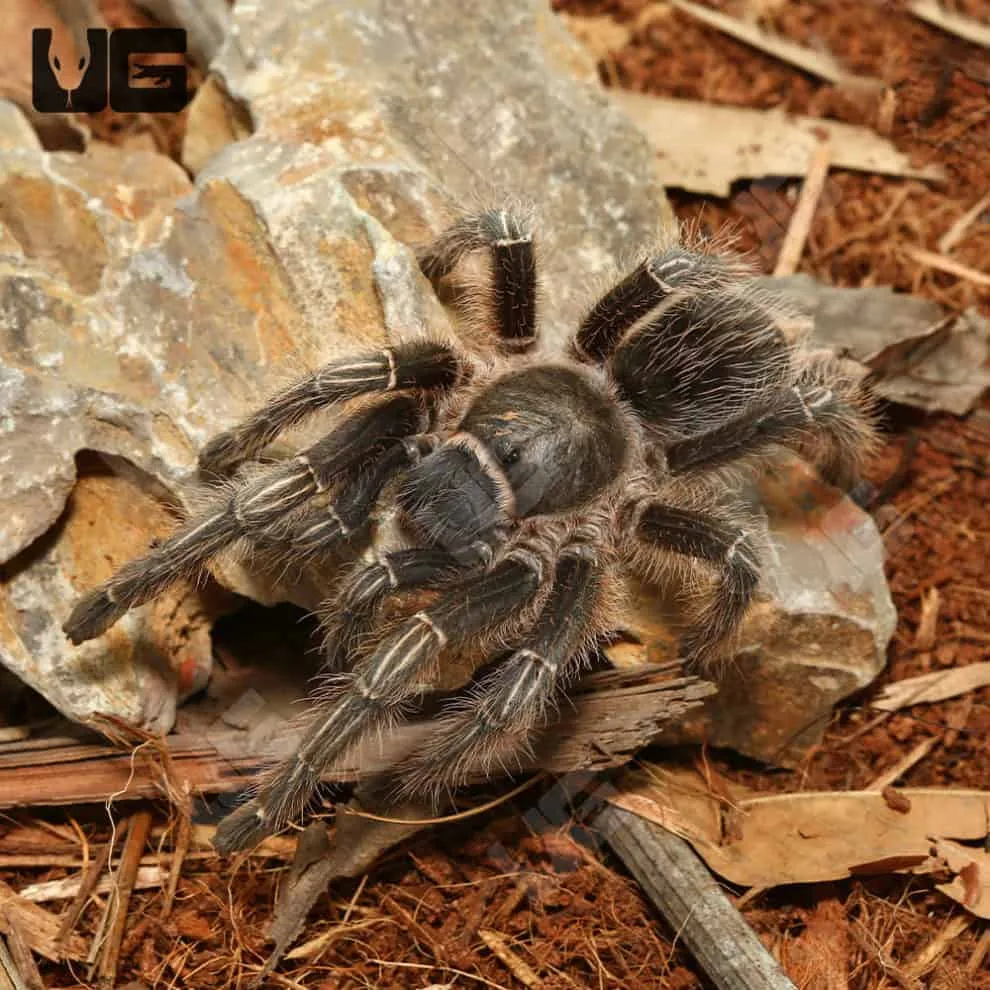
Stripe Knee Tarantula Bite Top 5 Facts
The stripe knee tarantula, a vibrant and popular pet, is known for its striking appearance, with bold black and white stripes adorning its legs. While captivating, these arachnids possess a defense mechanism that can cause discomfort. Understanding the potential effects of a stripe knee tarantula bite is essential for anyone who owns or interacts with these creatures. This article will delve into five key facts about stripe knee tarantula bites, covering symptoms, venom effects, first aid, long-term implications, and preventative measures. Knowing what to expect and how to react can significantly minimize the negative consequences of a bite and ensure the safety of both the handler and the tarantula. Knowledge is power, and when it comes to these fascinating creatures, being informed is the best way to appreciate them responsibly.
Fact 1 Symptoms of a Stripe Knee Tarantula Bite
When a stripe knee tarantula bites, the initial response is often a mix of immediate and evolving symptoms. It is crucial to recognize these symptoms to assess the severity of the bite and seek appropriate treatment. The venom injected, though not usually life-threatening to humans, can still cause significant discomfort and require careful management. Paying close attention to the body’s reactions and monitoring for any worsening symptoms is paramount in ensuring a quick and effective recovery. Various factors, such as the individual’s sensitivity to the venom and the amount injected, can influence the intensity of these symptoms, highlighting the importance of personalized care. Always seek immediate medical advice, as an allergic reaction can occur.
Initial Pain and Discomfort

The immediate sensation following a stripe knee tarantula bite is typically a sharp, stinging pain localized to the bite area. This pain can range from mild to moderate, depending on the size of the tarantula, the amount of venom injected, and the individual’s pain tolerance. The initial discomfort might be similar to that of a bee sting, but can quickly escalate. Often, the affected area will begin to feel tender and sensitive to the touch, making even slight pressure uncomfortable. Quick action, like washing the affected area, can help manage the initial pain to some extent. For individuals with a low pain threshold, the sensation may be more intense and emotionally distressing. The pain typically subsides within a few hours, but some individuals may experience lingering soreness.
Localized Swelling and Redness
One of the most common reactions to a stripe knee tarantula bite is localized swelling and redness around the bite site. This swelling is a result of the body’s inflammatory response to the venom and can vary in severity. The affected area might appear puffy, and the skin could become warm to the touch. Redness is usually a sign of increased blood flow to the area. In more severe cases, the swelling might extend beyond the immediate vicinity of the bite, potentially affecting the surrounding tissues. Monitoring the extent and progression of the swelling and redness is essential. An allergic reaction can manifest as the swelling and redness rapidly increases, and medical attention should be sought promptly. The swelling can also make movement difficult or painful, depending on the location of the bite.
Muscle Cramps and Twitching
In some cases, a stripe knee tarantula bite can trigger muscle cramps and twitching near the bite site. These muscle spasms can be quite uncomfortable and may interfere with normal movement and function. The venom contains compounds that can affect the nervous system, leading to these involuntary muscle contractions. The severity of muscle cramps and twitching varies depending on the individual’s sensitivity and the amount of venom injected. The symptoms usually subside within a day or two, but in rare cases, they can persist for a longer period. Rest and hydration can help alleviate the discomfort. If muscle cramps or twitching are severe or persistent, medical evaluation is recommended to rule out any serious complications. Always observe for any changes in physical function.
Fact 2 The Venom and Its Effects

The venom of a stripe knee tarantula, while not usually deadly to humans, contains various components that can lead to uncomfortable and sometimes serious symptoms. The primary function of this venom is to immobilize prey, but it can also cause effects in humans through different mechanisms. Understanding the constituents of the venom and how they interact with the human body is key to predicting and managing potential complications. The response to the venom can also vary significantly from person to person, making it crucial to consider individual sensitivities and overall health conditions. Knowledge about the venom’s effects enables better treatment and helps in providing appropriate medical care, ensuring the best possible outcomes for bite victims.
Neurotoxic Components
The venom of the stripe knee tarantula contains neurotoxic components that primarily affect the nervous system. These toxins interfere with the normal functioning of nerve cells, which can lead to a variety of symptoms. The neurotoxic effects can manifest as localized pain, muscle cramps, and twitching. In more severe cases, the toxins might lead to more widespread neurological symptoms, such as numbness, tingling, or even temporary paralysis. These effects are usually temporary, but they can be frightening and disorienting. It is important to monitor for any neurological symptoms after a bite and seek medical attention if they worsen or persist. It is always better to err on the side of caution to ensure patient safety and well-being.
Allergic Reactions and Anaphylaxis
While rare, allergic reactions to stripe knee tarantula venom can occur. These reactions happen when the immune system overreacts to the venom, leading to a range of symptoms, from mild to severe. The mild reactions include itching, hives, and swelling. More severe allergic reactions can escalate to anaphylaxis, a life-threatening condition. Anaphylaxis is characterized by difficulty breathing, swelling of the throat, rapid heart rate, and a sudden drop in blood pressure. Prompt medical intervention, including the administration of epinephrine, is essential in treating anaphylaxis. Individuals with a history of allergic reactions to insect stings or other venoms are at higher risk of anaphylaxis. Any signs of severe allergic reaction require immediate medical attention, and it is important to have an emergency plan in place.
Fact 3 Immediate First Aid Measures

Responding quickly and effectively to a stripe knee tarantula bite can significantly influence the outcome and minimize discomfort and complications. Initial first aid measures focus on cleaning the wound, managing pain, and preventing further issues. These steps can be performed at home or in a controlled environment before seeking professional medical help. It is crucial to remain calm and follow established guidelines to avoid making the situation worse. Knowing the proper procedures and acting swiftly can provide relief and facilitate a quicker recovery. Proper first aid not only alleviates immediate symptoms but also helps in preventing secondary infections and other potential problems. Quick treatment and seeking immediate medical care can significantly improve outcomes.
Cleaning the Wound
The first step in treating a stripe knee tarantula bite is to thoroughly clean the wound. This helps remove any venom remaining on the skin’s surface and reduces the risk of infection. Gently wash the bite area with mild soap and water, ensuring you remove any debris or potential irritants. Use lukewarm water and avoid harsh scrubbing. Pat the area dry with a clean cloth. Cleaning the wound effectively can minimize inflammation and discomfort. Avoid using strong chemicals or antiseptics, as these might cause further irritation. Repeat the cleaning process as needed, especially if the wound is exposed to dirt or other contaminants. Maintaining a clean wound reduces the risk of infection and speeds up the healing process.
Applying Cold Compresses
Applying a cold compress to the bite area can help reduce pain, swelling, and inflammation. Cold therapy constricts blood vessels, which decreases blood flow to the affected area, thereby reducing swelling and numbing the nerves. Use an ice pack wrapped in a cloth or a cold compress directly on the bite. Apply the compress for 10–20 minutes at a time, with breaks in between to avoid skin damage. Cold compresses are particularly effective in the first few hours after the bite, when inflammation is at its peak. Using a cold compress not only provides relief but can also prevent the worsening of symptoms. The application can be repeated every few hours as needed. Cold therapy is a safe and easy-to-apply method that significantly improves comfort and reduces symptoms.
Seeking Medical Attention

After a stripe knee tarantula bite, it is essential to seek medical attention, especially if the symptoms are severe or worsen. A healthcare professional can assess the situation, provide appropriate treatment, and rule out any serious complications. Medical attention is crucial for individuals who exhibit signs of an allergic reaction or systemic symptoms, such as difficulty breathing or dizziness. The medical professional can administer medication, monitor the patient’s condition, and offer specific advice to manage symptoms. Depending on the severity, treatment might include pain relief, antihistamines for allergic reactions, or other supportive measures. It is vital to follow medical advice and report any changes in condition promptly. Medical experts can provide comprehensive care and ensure a safe recovery process.
Fact 4 Long-Term Health Implications
While stripe knee tarantula bites are not usually life-threatening, they can sometimes lead to long-term health complications. The potential for these long-term issues highlights the importance of proper care and vigilance after a bite. Understanding these implications empowers individuals to take preventive measures and seek timely medical intervention to mitigate any adverse effects. Careful monitoring and awareness of the potential complications can help ensure the long-term health and well-being of those affected. The long-term health implications are not usually severe, but recognizing the risks and understanding how to address them is vital for a complete recovery.
Potential for Infection
The wound from a stripe knee tarantula bite can become infected, especially if it is not properly cleaned or if the skin is broken. Infections can be caused by bacteria entering the wound and can lead to various symptoms, including increased pain, redness, swelling, and pus. The risk of infection is higher in individuals with weakened immune systems or underlying health conditions. Treating infections often involves antibiotics, and in some cases, a doctor might need to drain the infected area. Proper wound care, including cleaning and dressing the bite, can significantly reduce the risk of infection. Recognizing the signs of infection early and seeking prompt medical attention is essential to prevent complications. Regular monitoring and care will ensure a quick and safe recovery.
Allergic Reactions

The bite from a stripe knee tarantula may trigger allergic reactions that could lead to long-term health issues. While a one-time bite may cause mild symptoms, repeated exposure or sensitization can lead to more severe and persistent allergic responses. These reactions can affect various body systems and might result in conditions like chronic skin rashes or respiratory problems. It is very important to seek immediate medical attention if there are signs of an allergic reaction, especially any breathing issues or throat swelling. If you are prone to allergies, carrying an epinephrine auto-injector could be lifesaving. Long-term monitoring and care is essential for those who experience allergic reactions, along with continued observation for future bites or triggers.
Fact 5 Prevention and Safety Tips
Preventing a stripe knee tarantula bite is easier than treating one, and it often involves adopting safe handling practices and avoiding situations where bites are more likely to occur. Implementing these preventative measures can greatly reduce the risk and ensure a safer environment for both the tarantula and the handler. Education and awareness about proper handling techniques are crucial for anyone interacting with these creatures. Practicing these methods and educating others will minimize the chances of bites and promote a positive experience. Safety is always a priority, and proper handling practices can make the entire experience safe and enjoyable.
Safe Handling Practices
The key to safe handling is to approach the tarantula with respect and patience. Avoid handling the tarantula unnecessarily, and always create a safe environment. Support the tarantula’s body gently when handling it, and avoid sudden movements that could startle it. Always wash your hands before and after handling, and make sure your hands are free from any scents that could agitate the tarantula. Work slowly and deliberately, and avoid putting your hand directly in front of the tarantula. Keep a safe distance, and do not handle it at all if it appears agitated or defensive. Using tools like tongs or a container can help minimize direct contact and enhance safety. Proper handling is not only about protecting the handler, but about ensuring the well-being of the tarantula as well.
Avoiding Provocation

Avoiding provocation is crucial to prevent bites. Tarantulas bite when they feel threatened, so it’s essential to recognize their body language and know when to back off. Never tease, poke, or otherwise agitate a tarantula. When cleaning the enclosure, do so carefully, and avoid any actions that might make the tarantula feel cornered. Regularly observe the tarantula’s behavior and learn to recognize signs of stress or defensiveness. Do not try to handle the tarantula if it is molting, as it will be extra vulnerable. When in doubt, it is better to err on the side of caution and avoid handling the tarantula altogether. Creating a calm and non-threatening environment will help the tarantula feel secure and reduce the chances of a bite. Prioritizing the tarantula’s safety and well-being will, in turn, protect the handler from harm.