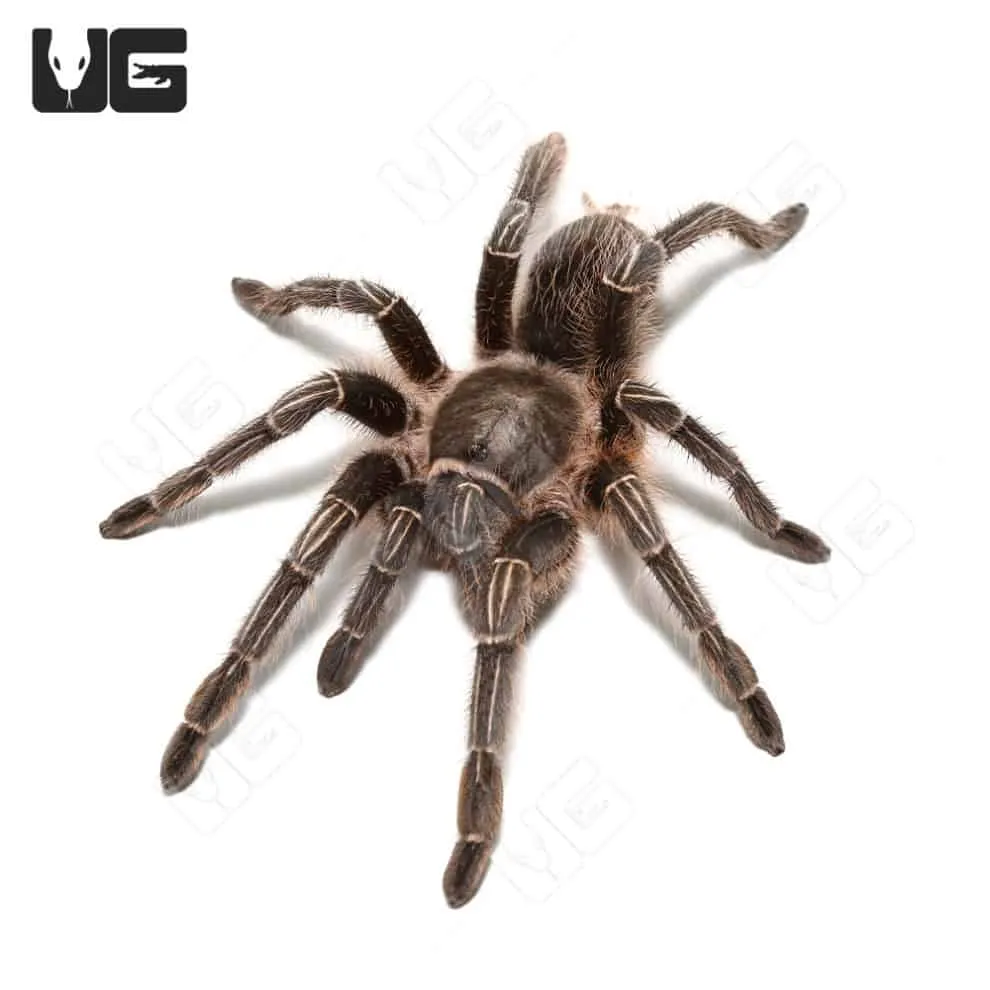
Choosing the Right Striped Knee Tarantula Enclosure
Setting up the perfect enclosure is critical for the health and well-being of your striped knee tarantula (Aphonopelma seemanni). A well-designed enclosure provides a safe, secure, and enriching environment that mimics their natural habitat. It needs to be appropriately sized, offer the right environmental conditions, and be easy to maintain. This guide will walk you through everything you need to know to create the ideal home for your fascinating pet. Understanding the specific needs of a striped knee tarantula will help you avoid common pitfalls and provide the best possible care for your arachnid companion. Remember, a happy tarantula is a healthy tarantula, and the enclosure is the foundation of their happiness.
Enclosure Size and Dimensions
The size of your striped knee tarantula enclosure is one of the most important factors to consider. Too small, and your tarantula will be cramped and stressed; too large, and it may struggle to find food and feel secure. As a general rule, a juvenile striped knee tarantula will do well in an enclosure that is approximately 3-5 times its leg span in width and length. As the tarantula grows, you’ll need to upgrade the enclosure size accordingly. Always prioritize floor space over height for terrestrial tarantulas like the striped knee. Ensure the enclosure has adequate ventilation to prevent humidity buildup and maintain air circulation. A well-ventilated enclosure helps to prevent the growth of mold and fungal issues, which can be detrimental to the tarantula’s health.
Factors to Consider

When determining the size, consider the adult size of your tarantula, although it may take several years to reach maturity. Adult females can have a leg span of up to 5-6 inches, so plan for an enclosure that can comfortably accommodate this size. Take into account the space needed for substrate, decorations, and water dishes. A cluttered enclosure can make the tarantula feel insecure. The enclosure should be easy to access for feeding, watering, and cleaning. The lid must fit securely to prevent escapes, and the enclosure material should be non-toxic and safe for the tarantula. Good airflow is crucial to maintain the right humidity levels and prevent the build-up of harmful gases, and should be ensured by having the right lid.
Glass vs. Plastic Enclosures
Choosing between a glass or plastic enclosure is another important decision. Both have their pros and cons, and the best choice depends on your personal preferences and the specific needs of your tarantula. Glass enclosures are generally more aesthetically pleasing and offer excellent visibility. They also tend to be more durable and scratch-resistant. However, they can be heavier and more expensive than plastic alternatives. Plastic enclosures are lightweight, often more affordable, and come in a variety of sizes and styles. They are also generally less likely to break if dropped. However, they can scratch more easily and may not offer the same level of visibility as glass. Transparency is a must.
Advantages and Disadvantages
Glass enclosures are often preferred for their clarity and durability. The downside is the weight and the potential for breakage. Plastic enclosures are a great option because they are lighter, more affordable, and easier to handle. The main disadvantage is that they can scratch more easily, reducing visibility. For larger tarantulas, a sturdy, glass enclosure might be a better choice, while smaller tarantulas may thrive in a secure plastic enclosure. Consider the ease of cleaning, the ventilation capabilities, and the overall look of the enclosure when making your decision. Always prioritize the safety and well-being of your tarantula when making your choice. The material must be non-toxic and the enclosure should be easy to secure.
Setting Up the Substrate for Your Tarantula

The substrate is a critical component of a striped knee tarantula enclosure. It serves multiple purposes including providing a comfortable surface for the tarantula to walk on, allowing them to burrow (if they choose), and helping to maintain the correct humidity levels. The right substrate can also contribute to the overall aesthetic appeal of the enclosure. Choosing the right substrate is essential for the health and happiness of your tarantula. The substrate should be absorbent, non-toxic, and free of any chemicals or additives that could harm your pet. You should also consider the ease of cleaning and replacing the substrate. A good substrate will support the tarantula’s burrowing behavior and provide a natural environment.
Recommended Substrate Materials
A mix of substrate materials often works best. A good starting point is a blend of peat moss, coco fiber, and a small amount of vermiculite or sphagnum moss. Peat moss and coco fiber provide excellent moisture retention, while vermiculite or sphagnum moss helps to prevent compaction and improves aeration. Avoid substrates like cedar or pine shavings, as they can be toxic to tarantulas. The depth of the substrate is also important; provide a depth of at least 3-4 inches to allow for burrowing. Make sure to monitor the substrate’s condition regularly, and replace it as needed to prevent the buildup of waste and harmful bacteria. Before adding the substrate, make sure to clean the enclosure thoroughly.
Maintaining Humidity Levels
Striped knee tarantulas thrive in moderate humidity levels, typically between 60-70%. Regularly monitor the humidity levels with a hygrometer. To maintain the correct humidity, mist the enclosure with dechlorinated water, usually once or twice a week, depending on the ventilation and the substrate’s moisture content. Ensure that the substrate remains slightly moist but not soggy, as excessive moisture can lead to mold growth. Good ventilation helps to prevent the buildup of excessive humidity. The substrate should be replaced if mold starts to grow. The enclosure should have a water dish that also contributes to the humidity in the enclosure, especially if it is a shallow and wide water dish.
Adding Decorations and Hiding Places

Providing decorations and hiding places is essential for creating a stimulating and secure environment for your striped knee tarantula. These decorations not only enhance the aesthetic appeal of the enclosure but also offer your tarantula a place to retreat, feel safe, and engage in natural behaviors. A well-decorated enclosure can significantly reduce stress and promote a more comfortable and engaging life for your tarantula. The choice of decorations should be based on practicality and the well-being of your pet. Aim for a naturalistic setup that mimics the tarantula’s wild environment, encouraging them to explore and feel secure. Ensure that all decorations are securely placed and non-toxic.
Essential Decorations
Cork bark is an excellent addition, as it provides ideal hiding spots and climbing surfaces. Artificial plants can add visual interest and help to maintain humidity. Avoid using decorations with sharp edges or small parts that could pose a risk to the tarantula. Provide a hide that is appropriately sized for your tarantula, making sure it can comfortably fit inside. Place the hide in a corner or against a wall to give your tarantula a sense of security. Always ensure the decorations are clean and free from any potential hazards before placing them in the enclosure. The goal is to create a naturalistic, functional, and safe environment.
Creating a Secure and Safe Habitat
Safety is paramount. Ensure that the enclosure has a secure lid to prevent escapes. The lid should fit snugly and be made of a material that is not easily breached. Avoid using any decorations or materials that could be toxic or harmful to your tarantula. Ensure that there are no gaps or openings where the tarantula could get trapped or injured. Regularly inspect the enclosure for any signs of wear and tear, and replace any damaged components immediately. A safe enclosure is one of the cornerstones of tarantula care, and can prevent escapes and injuries. Be sure to choose materials that are non-toxic and safe for your pet.
Providing Water and Food

Providing fresh water and appropriate food is essential for the health and well-being of your striped knee tarantula. Clean water should always be available, and the tarantula must be fed regularly with the right type and size of prey. These two elements are central to ensuring that your tarantula thrives in its enclosure. The water dish should be readily accessible, and the water should be fresh and clean. The food should be of appropriate size and nutritional value, and uneaten prey should be removed promptly. Regular feeding and hydration contribute significantly to your tarantula’s overall health, growth, and vitality.
Water Dish Considerations
A shallow water dish is necessary for your tarantula to drink from and help maintain humidity levels. The dish should be easy to access and placed in a location where the tarantula can easily reach it. Choose a dish that is stable and difficult to tip over. Regularly clean the water dish and refill it with fresh, dechlorinated water. The water should be replaced daily to prevent the growth of bacteria and algae. A small, shallow dish made of non-toxic material is ideal. The dish should be positioned so that the tarantula can drink easily, and should be checked daily for cleanliness and refilled as needed.
Feeding Your Striped Knee Tarantula
Striped knee tarantulas are primarily insectivores, feeding on insects such as crickets, roaches, and mealworms. The size of the prey should be appropriate for the size of your tarantula; a good rule of thumb is to feed prey that is no larger than the tarantula’s body length. Feed juveniles every few days, and adults less frequently, typically once a week or every other week. Remove any uneaten prey within 24 hours to prevent the risk of injury to your tarantula and to maintain a clean environment. Provide a varied diet to ensure your tarantula receives the necessary nutrients. Crickets should be gut-loaded before feeding them to your tarantula, ensuring that they are full of nutrients that are beneficial to your pet. Monitor your tarantula’s feeding habits and adjust the frequency and amount of food as needed.
Maintaining and Cleaning the Enclosure

Regular maintenance and cleaning are crucial for maintaining a healthy and hygienic environment for your striped knee tarantula. A clean enclosure helps to prevent the buildup of harmful bacteria, reduces the risk of disease, and promotes a more comfortable living space for your pet. Cleaning should be performed according to a regular schedule, including both spot cleaning and full cleanouts. Regular maintenance also involves inspecting the enclosure for any potential issues and addressing them promptly. This proactive approach ensures the long-term health and well-being of your tarantula. A well-maintained enclosure is not only beneficial for the tarantula but also enhances your overall experience as a tarantula owner.
Regular Cleaning Schedule
Establish a regular cleaning schedule to maintain a healthy enclosure. Spot clean the enclosure at least once or twice a week, removing any uneaten food, dead insects, and fecal matter. A full cleanout should be performed every few months, depending on the size of the enclosure and the amount of waste produced. During a full cleanout, remove all substrate and decorations, clean the enclosure thoroughly with a reptile-safe disinfectant, and replace the substrate. This comprehensive cleaning routine is essential for maintaining a hygienic environment. Follow the guidelines for disinfecting the enclosure to eliminate the possibility of health hazards for your tarantula. Stick to this cleaning schedule to ensure your tarantula lives in a healthy environment.
Spot Cleaning vs. Full Cleanout
Spot cleaning involves removing visible waste and uneaten food. Use a pair of tongs to remove any debris, and be sure to check under decorations and in corners. A full cleanout requires more time and effort but is necessary to maintain a healthy environment. During a full cleanout, remove the tarantula (in a secure container), remove the substrate and decorations, and clean the enclosure with a reptile-safe disinfectant. Thoroughly rinse the enclosure and decorations before returning them to the enclosure. Allow the enclosure to dry completely before adding fresh substrate and returning the tarantula. Following these practices will help your tarantula thrive.
Troubleshooting Common Enclosure Issues

Even with the best care, you may encounter some common enclosure issues. Being prepared to identify and address these problems will help you maintain a healthy and comfortable environment for your striped knee tarantula. From mold and fungal growth to incorrect humidity levels, these issues can have a significant impact on your tarantula’s health. By understanding the causes and solutions, you can proactively prevent problems and ensure the well-being of your pet. Always monitor the enclosure closely and be prepared to take immediate action if you notice any signs of trouble.
Mold and Fungal Growth
Mold and fungal growth are common issues, especially in enclosures with excessive humidity or poor ventilation. Identify mold by its appearance (often fuzzy or discolored patches). Remove the affected substrate immediately and thoroughly clean the enclosure with a reptile-safe disinfectant. Improve ventilation by adjusting the enclosure lid or adding additional ventilation holes. Replace the substrate and monitor humidity levels to prevent recurrence. Make sure the enclosure is dry before returning the tarantula. Prevention includes maintaining appropriate humidity levels and ensuring good air circulation. Excessive humidity is a breeding ground for mold.
Dealing with Overly Dry or Humid Conditions
If the enclosure is too dry, increase humidity by misting the enclosure with dechlorinated water and adding a larger water dish. If the enclosure is too humid, improve ventilation and reduce the frequency of misting. A hygrometer can help you monitor humidity levels. Ensure that the substrate isn’t constantly wet; it should be moist but not soggy. Adjusting the ventilation and watering schedule is the best way to manage humidity. Regular monitoring is essential for maintaining optimal humidity levels. The comfort of your striped knee tarantula depends on maintaining ideal conditions. Addressing any issues promptly is key to your tarantula’s well-being.