What is a Sulawesi Tarantula
The Sulawesi tarantula, scientifically known as Cyriopagopus sp., is a fascinating and increasingly popular pet among arachnid enthusiasts. These spiders originate from the Indonesian island of Sulawesi, a region known for its rich biodiversity and unique ecosystems. Characterized by their striking appearance and relatively manageable care requirements, Sulawesi tarantulas offer a captivating glimpse into the world of exotic invertebrates. Their allure stems not only from their aesthetic appeal but also from the opportunity to observe and learn about the complex lives of these often misunderstood creatures. This article will delve into the top 5 amazing facts about the Sulawesi tarantula, providing insights into their habitat, appearance, behavior, and care.
Origin and Habitat
Sulawesi tarantulas, as their name suggests, are native to the Indonesian island of Sulawesi. This island, located east of Borneo, is a diverse environment with rainforests, mountains, and coastal regions, providing varied habitats for these spiders. They are typically found in humid, tropical environments, often within burrows or concealed under leaf litter and rocks. The specific microclimates they inhabit are crucial for their survival, influencing their growth, molting, and overall well-being. Understanding their natural habitat is fundamental to providing them with appropriate care in captivity, ensuring their needs are met to replicate their natural environment as closely as possible.
Appearance and Identification

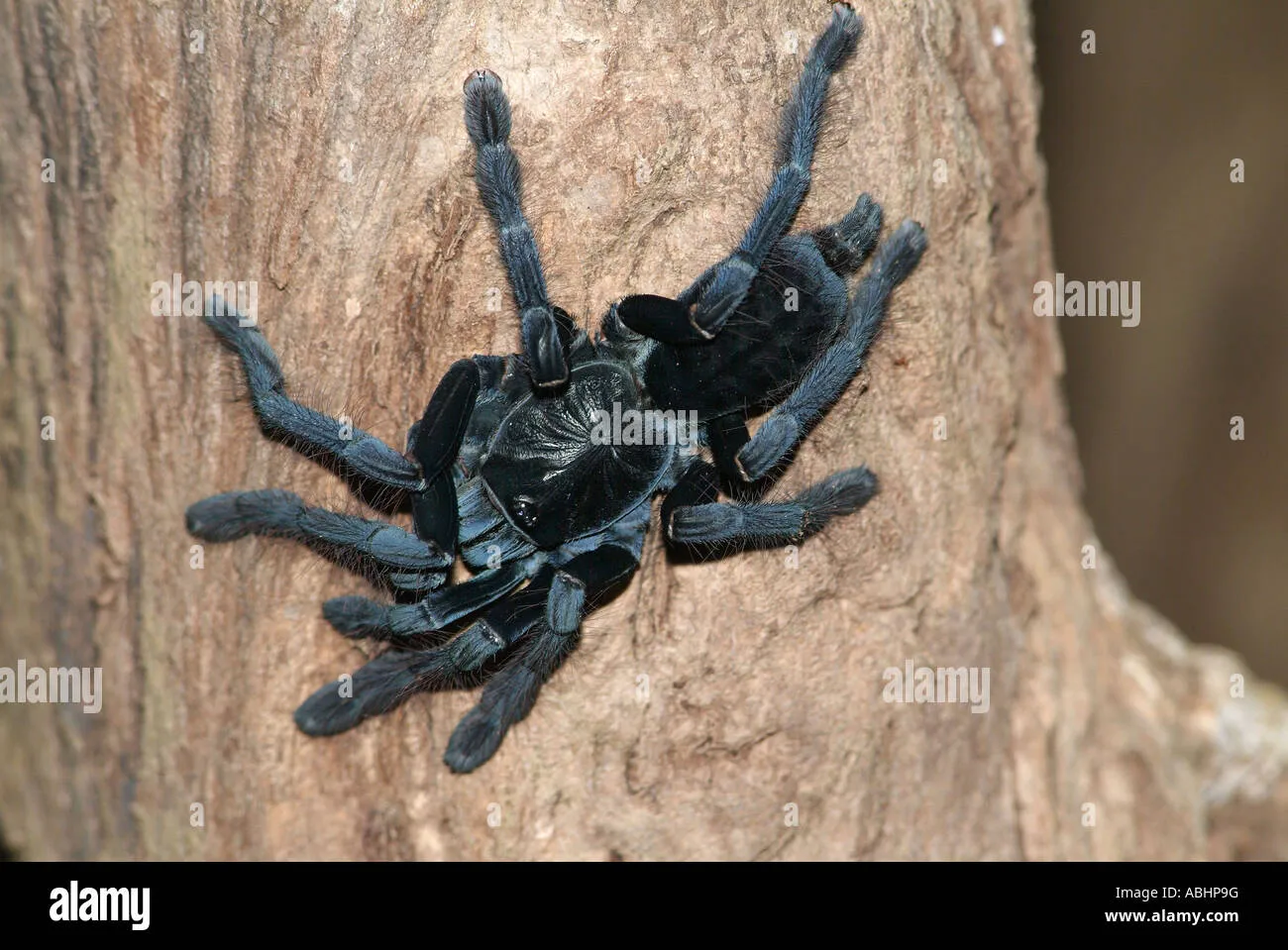
One of the most striking aspects of the Sulawesi tarantula is its appearance. They typically exhibit a range of colors, with many displaying vibrant hues that can include shades of brown, orange, and even iridescent blues or purples on their legs and carapace. Their bodies are covered in setae, or tiny hairs, which contribute to their overall color and texture. The size of a Sulawesi tarantula can vary depending on the species and individual characteristics, but they generally reach a substantial size, making them a visually impressive addition to any collection. Identifying a Sulawesi tarantula involves observing these color patterns, body size, and other physical traits, providing an enjoyable challenge for enthusiasts as they learn to differentiate between various tarantula species.
Amazing Fact 1 Distinctive Colors
The vibrant colors of the Sulawesi tarantula are a significant point of fascination. The specific coloration can vary based on the individual spider, its age, and even its mood. Some Sulawesi tarantulas boast a rich, chocolate-brown base color, while others might display bright orange or reddish hues. The legs often feature contrasting colors, sometimes with iridescent blues or purples, adding to their visual appeal. These colors aren’t just for show they may serve purposes such as camouflage within their environment, or potentially play a role in mating displays. These colors are an amazing display of nature’s artistry, and makes the Sulawesi tarantula a beautiful addition to any collection, with each spider offering a unique and stunning visual experience. (image: sulawesi-tarantula-colors.webp)
Amazing Fact 2 Venom Strength
Although the Sulawesi tarantula possesses venom, it is generally considered to be of moderate potency to humans. While a bite from a Sulawesi tarantula can be painful and cause localized symptoms such as swelling, redness, and itching at the bite site, it is usually not life-threatening. The effects can vary depending on the individual’s sensitivity and the amount of venom injected. It’s important to note that handling any tarantula should be done with caution, and it’s always best to avoid direct contact to minimize the risk of being bitten. Maintaining a safe distance and using tools like tongs or brushes when necessary, can reduce the risk of bites and allow for safe observation and care of the spider.
Amazing Fact 3 Size and Growth

Sulawesi tarantulas are known for their relatively large size, making them impressive specimens. The size of a Sulawesi tarantula can vary depending on the species and individual characteristics, with some females reaching a leg span of up to 7-8 inches. Their growth is a fascinating process, with the spider molting its exoskeleton several times throughout its life. Molting is when the tarantula sheds its old skin to allow for growth. During this process, the spider becomes vulnerable, and it is crucial to maintain stable environmental conditions to ensure the molting goes smoothly. As they molt, the tarantulas not only grow larger, but their colors can also become more vibrant, showcasing their natural beauty and strength. (image: sulawesi-tarantula-size.webp)
Amazing Fact 4 Lifespan
The lifespan of a Sulawesi tarantula is a remarkable aspect of owning these creatures. Females typically live significantly longer than males, often reaching a lifespan of 10 to 15 years or even longer in optimal conditions. This longevity makes them a long-term commitment for any pet owner. Males, on the other hand, tend to have a shorter lifespan, usually living for 3 to 5 years after reaching maturity. The extended lifespan of females provides ample time to observe their behavior, growth, and molting cycles, offering a unique experience for enthusiasts. Providing a proper environment, including appropriate temperature, humidity, and diet, plays a vital role in extending the lifespan and promoting the health of these intriguing arachnids.
Amazing Fact 5 Behavior and Temperament
Sulawesi tarantulas exhibit interesting behaviors and temperaments, which adds to their appeal. While each spider has its own personality, they are generally known for their defensive nature, and can be quite fast and agile. They are opportunistic hunters, typically ambushing their prey from a hidden spot. Their behavior is closely linked to environmental factors, such as temperature and humidity, as well as feeding schedules. When kept in captivity, they may burrow, hide, or actively explore their enclosure. Observing their behavior can be quite engaging for the owner, providing a unique perspective on their individual personalities. Although not known for being very handleable, respecting their space and understanding their behavior is key to their safe and positive care. (image: sulawesi-tarantula-handling.webp)
Caring for a Sulawesi Tarantula
Enclosure Setup
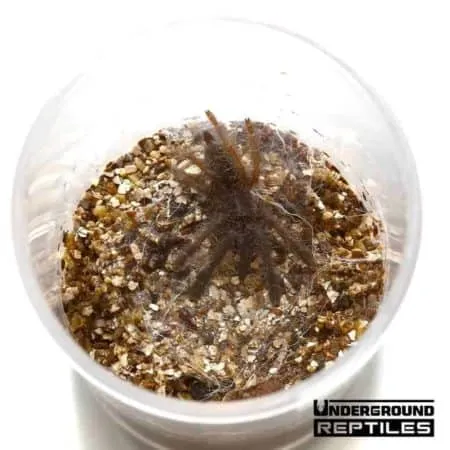
Setting up the right enclosure is essential for the health and well-being of your Sulawesi tarantula. A secure glass or plastic terrarium is ideal, with dimensions appropriate for the spider’s size. The enclosure should be large enough for the spider to move around comfortably, with enough floor space to create a burrow or hiding place. The substrate should be a mix of coco fiber, peat moss, and a bit of vermiculite to maintain the humidity levels that the Sulawesi tarantula requires. It’s also beneficial to add a hide, such as a piece of cork bark or a hollow log, to provide a secure retreat. The enclosure should be well-ventilated, with a secure lid to prevent escape. (image: sulawesi-tarantula-enclosure.webp)
Temperature and Humidity
Maintaining the correct temperature and humidity levels is crucial for the health of your Sulawesi tarantula. They thrive in a warm and humid environment, similar to their natural habitat. The ideal temperature range is between 75-85°F (24-29°C). You can use a heat mat or a low-wattage heat lamp to maintain this temperature, ensuring that the heat source is regulated and does not overheat the enclosure. Humidity levels should be kept between 70-80%, which can be achieved by misting the enclosure regularly and ensuring proper ventilation. A hygrometer is a useful tool for monitoring humidity levels, ensuring that the environment is suitable for the tarantula to thrive. (image: sulawesi-tarantula-habitat.webp)
Feeding and Diet

Providing a balanced diet is essential for the growth and health of your Sulawesi tarantula. They are primarily insectivores, and their diet should consist of a variety of insects, such as crickets, roaches, and mealworms. The size of the prey should be appropriate for the tarantula’s size, avoiding insects that are too large. Feed your tarantula 2-3 times a week, and remove any uneaten prey within 24 hours to prevent stress or injury to the spider. Provide a shallow water dish with fresh water at all times, ensuring that it is easily accessible. Proper feeding habits and dietary diversity contribute to the spider’s overall well-being, facilitating healthy molting and consistent growth. (image: sulawesi-tarantula-feeding.webp)
Watering
Proper hydration is fundamental to the survival of your Sulawesi tarantula. Provide a shallow water dish that’s always filled with fresh, clean water. The dish should be small enough to prevent the spider from falling in and drowning, but large enough for easy access. Regularly check the water dish to ensure it’s clean and replenish the water as needed. Besides the water dish, the humidity of the enclosure should be maintained. Misting the enclosure every other day can help keep humidity levels at the correct range, especially in drier climates. This maintains the spider’s hydration and facilitates its molting process. Always use dechlorinated water to prevent any potential harm from chemicals found in tap water.
Potential Health Concerns
While Sulawesi tarantulas are generally hardy, they can be susceptible to certain health issues. Common problems include dehydration, injuries from falls or attacks, and parasitic infections. Symptoms of dehydration include lethargy, a shrunken abdomen, and difficulty moving. Regular misting and access to fresh water can prevent this. Injuries can occur during molting, so it is crucial to maintain a stable environment and avoid disturbances during this process. Parasitic infections are less common, but can be a concern. If you suspect a health problem, it’s best to consult a veterinarian or an experienced tarantula keeper to get the right diagnosis and care. (image: sulawesi-tarantula-health.webp)
Conclusion

The Sulawesi tarantula is an intriguing and captivating creature that can be a rewarding pet for any experienced arachnid keeper. Their unique colors, interesting behaviors, and manageable care requirements make them a popular choice. By understanding their origins, maintaining the right environment, and providing proper care, you can enjoy the company of these remarkable spiders for years to come. Always prioritize their health, safety, and overall well-being to ensure that your Sulawesi tarantula thrives and remains a fascinating aspect of your world. Remember to research and prepare before acquiring a Sulawesi tarantula, and be prepared for the commitment and specialized care that these captivating creatures need.