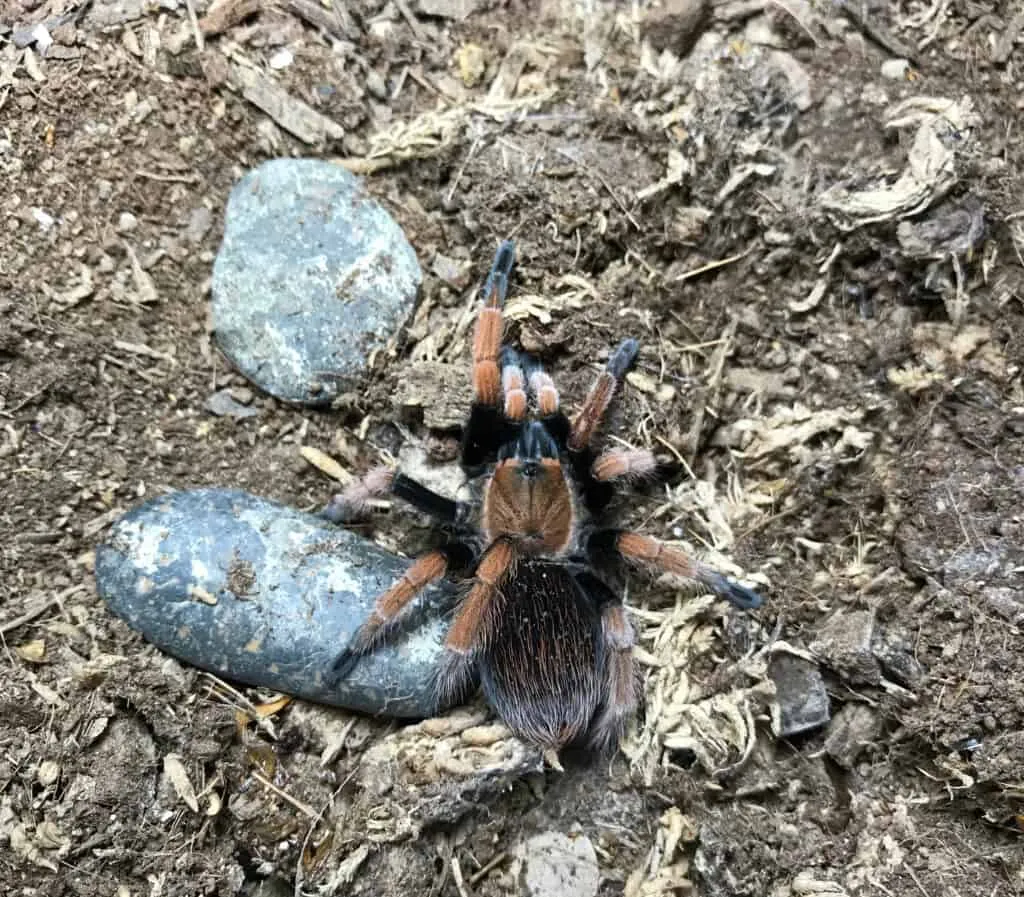
Why Superworms Are Great for Tarantulas
Superworms (Zophobas morio) have become a staple food source for many tarantula keepers, and for good reason. These large, protein-packed larvae offer a convenient and nutritious option for feeding your pet tarantula. Unlike crickets or other live feeders, superworms are relatively easy to care for, making them a favorite among both novice and experienced tarantula owners. Their hardiness and ease of maintenance contribute to their popularity, providing a consistent food supply for your rapidly growing tarantulas. They are also less likely to burrow and hide compared to other feeder insects, making them easier to monitor during feeding time. Superworms can stimulate natural hunting behaviors in your tarantula, providing enrichment and promoting a healthier, more active lifestyle for your eight-legged friend.
Nutritional Benefits of Superworms
Superworms offer a robust nutritional profile that supports the growth and health of your tarantula. They are an excellent source of protein, essential for muscle development and overall body functions. The chitin in the superworm’s exoskeleton also contributes to the tarantula’s digestive health. However, it’s important to feed a varied diet. While superworms are nutritious, offering a diverse diet ensures your tarantula receives all the necessary nutrients for optimal health. Over-reliance on a single food source can lead to nutritional imbalances, so supplement with other feeders like dubia roaches or crickets occasionally. Remember to gut-load any feeder insects to provide your tarantula with the maximum amount of nutrients.
Vitamins and Minerals Provided

Superworms contain a range of vitamins and minerals, including essential fatty acids, that are vital for your tarantula’s overall health. These nutrients play a role in molting, immune function, and maintaining vibrant coloration. The exact nutritional content can vary depending on the superworm’s diet, making it crucial to ensure the superworms themselves are fed a nutritious diet. A well-fed superworm will, in turn, provide your tarantula with the highest levels of beneficial nutrients. Supplements can also be added to the superworms’ diet to further boost their nutritional value. This proactive approach ensures that your tarantula receives a comprehensive diet that supports its long-term health and well-being.
Comparing Superworms to Other Feed
Compared to other common feeder insects like crickets and mealworms, superworms often offer a higher protein content and a slightly tougher exoskeleton, which can benefit tarantula health. Crickets, while readily available, can be harder to manage and may escape their enclosure. Mealworms are smaller and can be less nutritionally complete than superworms. Dubia roaches are another excellent choice, but they require a specific environment. The choice of feeder insect depends on your preference, tarantula size, and ease of availability. Superworms are an excellent choice because they are easy to maintain and provide a good nutritional value. Always consider diversity and offer various insects to maximize your tarantula’s health benefits and encourage natural foraging behaviors.
Proper Superworm Housing
Creating the right environment for your superworms is essential for their health and, consequently, the health of your tarantula. Superworms require a simple setup that prioritizes ventilation and prevents moisture buildup. A well-maintained housing setup not only keeps your worms healthy but also makes it easier to collect them for feeding your tarantula. Superworms can be stored for an extended period in the correct environment, making it a convenient food source. Proper housing promotes good hygiene and ensures that your superworms remain a healthy and reliable food source for your pet tarantula.
Choosing the Right Container

Select a container that offers enough space for the superworms to move and grow, as well as easy access for feeding and cleaning. A plastic storage bin with smooth sides works well, preventing the worms from climbing out. The size of the container should depend on the number of superworms you plan to keep. Avoid containers that are too deep, as it can make it difficult to collect the worms. Clear containers allow you to monitor your superworms’ condition and the amount of food available. Ensure the lid is secure but allows for adequate ventilation to prevent the growth of mold or bacteria, which can harm the worms. Maintaining the correct environment in the enclosure is critical for worm health and preventing escape.
Substrate and Ventilation
The substrate and ventilation are key components in creating a healthy environment for superworms. Use a substrate like wheat bran or oatmeal. These materials provide a food source and a place for the worms to burrow. Replace the substrate regularly to prevent waste buildup, which can lead to foul odors and disease. Proper ventilation is crucial to prevent the buildup of moisture, as excessive humidity can lead to mold and fungal growth, which can be harmful to the superworms. The lid of the container should have ventilation holes or a screen top that allows for good air circulation. The proper substrate and ventilation will keep the worms healthy and ready to eat. Make sure to check and maintain them on a regular basis to prevent potential diseases.
Maintaining Optimal Temperature and Humidity
Superworms thrive in a relatively stable environment with moderate temperatures and humidity. A temperature range of 70-80°F (21-27°C) is generally ideal. Avoid placing the container in direct sunlight or near heat sources, as this can cause the environment to overheat. Humidity levels should be kept low, to prevent mold growth, so do not add water to the substrate. Instead, provide a source of hydration. While the worms get hydration from their food, fresh vegetables provide additional moisture. Consistent monitoring of the environment ensures the superworms remain healthy and provides your tarantula with a healthy food source. Regular checks will help prevent problems and keep your worm colony thriving.
Feeding Your Superworms

The diet of your superworms directly impacts their nutritional value and, in turn, the health of your tarantula. Providing a balanced diet ensures the worms are packed with essential nutrients. Gut-loading the superworms with nutritious food is an important step to prepare your tarantula meal. This is a crucial step in maximizing the nutritional value of your tarantula’s diet. Feed them a variety of foods to ensure your tarantula receives a well-rounded diet, which promotes optimal health and well-being.
Best Foods for Superworms
Offer a varied diet to your superworms to ensure they are nutritionally dense. Dry foods like wheat bran or oatmeal serve as the primary substrate and food source. Supplement their diet with fresh fruits and vegetables. Carrots, potatoes, and apple slices are excellent choices as they offer hydration and essential vitamins. Avoid citrus fruits, which can be harmful. Make sure to replace the vegetables before they rot. Providing a variety of foods ensures your superworms are healthy and your tarantula receives a wide range of nutrients. A well-balanced diet for the superworms is key to promoting the health and well-being of your tarantula. Make sure to change food regularly to keep the environment fresh and healthy for your worms.
Watering and Hydration
Superworms need hydration, but direct water sources are not recommended. Instead, provide moisture through the vegetables you offer. These foods will hydrate the superworms without increasing the humidity in their enclosure. You can also use a commercial hydration gel or a small dish with water-soaked cotton balls, but replace them frequently to prevent bacteria growth. A consistent and healthy source of hydration is essential. Maintaining the right level of hydration in your superworms will keep them healthy and nutritious for your pet tarantula. Careful attention to hydration ensures the superworms remain healthy and are a safe food source for your pet.
Feeding Your Tarantula Superworms

Feeding your tarantula superworms involves several considerations, including the frequency of feeding and how to prepare the superworms. Observe your tarantula’s feeding habits and body condition. Adjust the feeding schedule as needed to ensure they are maintaining a healthy weight and activity level. The right feeding approach is key to a healthy and thriving tarantula. Feeding your tarantula a well-balanced diet can promote their well-being and longevity. The proper frequency of feeding is crucial in maintaining your tarantula’s overall health.
How Often to Feed
The frequency of feeding depends on your tarantula’s age, species, and metabolism. Younger tarantulas may need to be fed more frequently than adults. Typically, slings (spiderlings) can be fed every few days, while juveniles and adults may eat once or twice a week. Observe your tarantula’s feeding habits and body condition. A plump abdomen is a good indicator of a well-fed tarantula. If your tarantula refuses food, it may be in premolt, and you should remove the superworm and avoid feeding for a while. Make sure to adjust the feeding schedule. Adjust the feeding schedule based on your tarantula’s needs, and always remove uneaten superworms to prevent them from bothering your tarantula.
Preparing Superworms for Feeding
Before feeding superworms to your tarantula, consider their size. For smaller tarantulas, you might need to crush the superworm’s head to prevent it from biting your pet. For larger tarantulas, you can feed them whole. Always supervise the feeding process. This allows you to monitor your tarantula’s feeding behavior and ensure the worm doesn’t burrow and hide. Some tarantulas may prefer a pre-killed superworm. This approach ensures that the tarantula is not harmed by a struggling superworm. Preparing the superworms correctly ensures a safe and successful feeding time. Correct preparation ensures a safe and enjoyable feeding experience for your tarantula.
Dealing With Leftover Superworms

Managing leftover superworms is an essential aspect of responsible tarantula care. Remove any uneaten superworms from the enclosure. Leaving them in the enclosure for extended periods can stress your tarantula and potentially cause harm. You can repurpose uneaten superworms by putting them back in their original housing. Keep an eye on the superworms, and don’t overcrowd the container. Dealing with leftover superworms involves removing them and maintaining them in a healthy state, providing a fresh food source for your pet. Proper handling of leftover superworms will promote your tarantula’s well-being.
In conclusion, providing superworms for your pet tarantula can be a highly rewarding experience. Following these care tips, from proper housing to feeding and managing leftovers, you can ensure your tarantula receives a nutritious diet and thrives. Remember, consistency in care and observation of your tarantula’s behaviors will help you create the ideal environment for your pet.