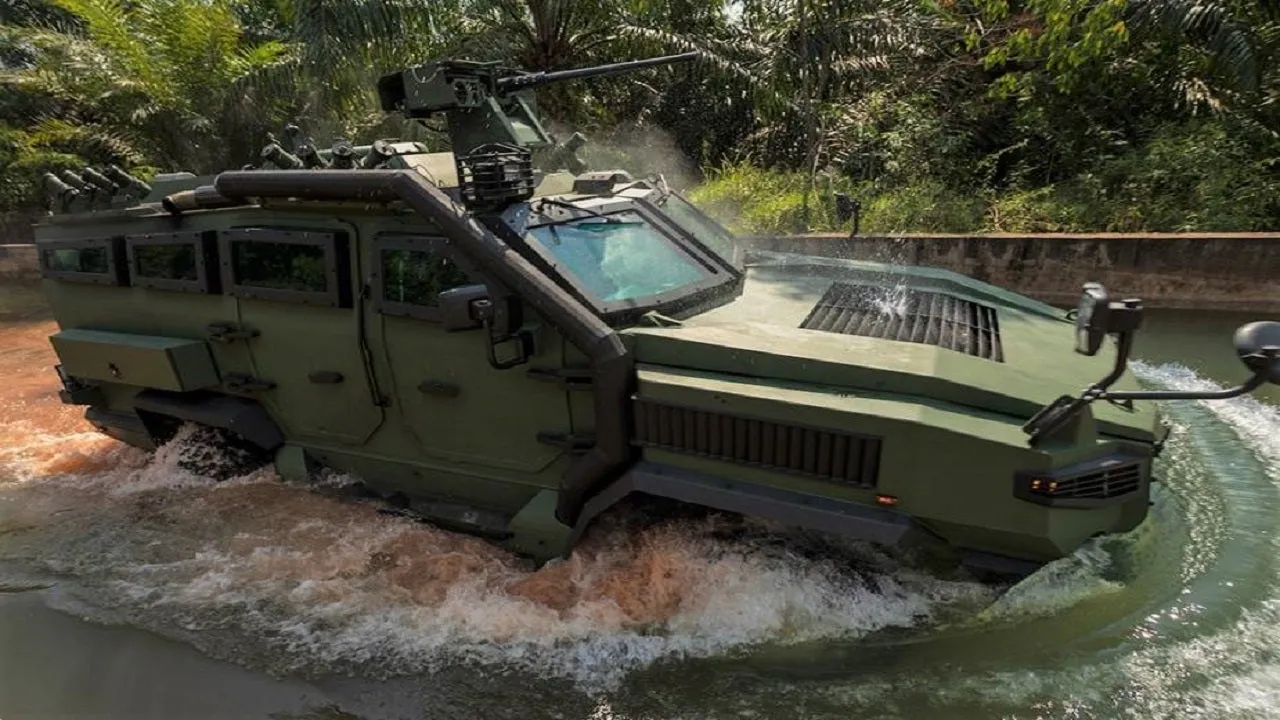
The Tarantula 90mm Fire Support Vehicle represents a significant advancement in modern armored warfare, offering a unique blend of firepower, mobility, and protection. This vehicle is designed to provide direct fire support to ground troops, enabling them to effectively engage enemy targets with precision and speed. Its versatility allows it to operate in diverse environments, from urban combat zones to open terrains. The Tarantula’s capabilities are derived from several key features that make it a formidable asset on the battlefield. Understanding these features provides insights into the vehicle’s operational effectiveness and its importance in contemporary military strategies. Let’s delve into the top 5 features that define the Tarantula 90mm Fire Support Vehicle.
Tarantula 90mm Fire Support Vehicle: 5 Key Features
The Tarantula 90mm Fire Support Vehicle is engineered with several critical features designed to enhance its operational capabilities and combat effectiveness. These features collectively make it a versatile and robust platform for modern warfare. Its ability to quickly deploy and provide fire support is a game-changer. Here’s a breakdown of the top five key features that make the Tarantula a crucial asset in any military operation.
Mobility and Maneuverability
Exceptional mobility is a cornerstone of the Tarantula’s design. The vehicle is built to traverse various terrains, from paved roads to rugged off-road conditions. This high level of mobility ensures that the Tarantula can quickly relocate, respond to threats, and support advancing ground forces. Its maneuverability allows it to navigate tight spaces and adapt to changing battlefield scenarios. The Tarantula’s mobility is supported by a powerful engine and advanced suspension systems, which collectively enable it to maintain high speeds and agility, making it a valuable asset for rapid deployment and tactical flexibility. This feature is critical for avoiding enemy fire and quickly repositioning to provide effective fire support.
Engine and Suspension Systems

The engine and suspension systems are integral to the Tarantula’s outstanding mobility. A high-performance engine provides the necessary power for rapid acceleration and sustained high-speed operation. The advanced suspension system, often incorporating independent suspension and shock absorbers, ensures a smooth ride and optimal ground contact, even on rough terrain. This design minimizes the impact of terrain irregularities on the vehicle and its crew, enhancing comfort and operational efficiency. The synergy between the engine and suspension systems enables the Tarantula to maintain speed and stability, crucial for quick repositioning and effective fire support. This combination is key to the vehicle’s adaptability across varied operational environments, from urban landscapes to challenging off-road conditions. This also significantly reduces the impact on crew fatigue during long operations.
Firepower and Weapon Systems
The primary purpose of the Tarantula is to provide robust fire support, and its weapon systems are central to this capability. The core of its firepower is the 90mm gun, which delivers significant destructive power against a wide range of targets. Its design allows for accurate and rapid engagement of both stationary and moving targets. The vehicle’s ability to quickly transition between targets, coupled with a high rate of fire, makes it a significant threat on the battlefield. This, combined with advanced fire control systems, ensures precision and lethality in tactical scenarios. The combination of a powerful gun and efficient targeting systems ensures that the Tarantula can effectively engage and eliminate threats, enhancing the effectiveness of ground forces. The selection of ammunition types further complements the vehicle’s firepower.
90mm Gun Capabilities
The 90mm gun is the heart of the Tarantula’s fire support capabilities. It offers a balance of firepower and manageable recoil, allowing for rapid and accurate firing. The gun can effectively engage a variety of targets, including enemy armored vehicles, fortifications, and personnel. It is typically equipped with a stabilized gun system, allowing for accurate firing while the vehicle is on the move, which is crucial for adapting to dynamic combat situations. This feature significantly enhances the vehicle’s ability to provide continuous fire support, whether stationary or mobile. The 90mm gun’s versatility and reliability make the Tarantula a formidable weapon in any combat scenario.
Ammunition Types

The Tarantula’s effectiveness is also a product of the ammunition it can deploy. The vehicle is usually capable of firing various types of 90mm ammunition, each designed for specific tactical purposes. These rounds may include high-explosive (HE) for engaging personnel and soft targets, armor-piercing (AP) for penetrating enemy armor, and possibly specialized rounds such as smoke or illumination for battlefield effects. This versatility allows the Tarantula to adapt to diverse combat scenarios, increasing its tactical value. Having a range of ammunition options enables the vehicle to address different threats and support a wide array of military operations effectively. The selection of appropriate ammunition based on the target and tactical situation is a crucial element of the Tarantula’s operational effectiveness.
Protection and Survivability
In a combat environment, protecting the crew and the vehicle is paramount. The Tarantula is designed with a focus on survivability, incorporating several defensive features. The armor and defensive systems are designed to mitigate the impact of enemy fire, while crew protection features enhance the safety of those inside. These elements are critical for ensuring the vehicle’s operational lifespan and the safety of its occupants. Protection is achieved through the combination of vehicle design, advanced materials, and defensive technologies to enhance the survivability of the crew and the vehicle on the battlefield.
Armor and Defensive Systems
The Tarantula typically features robust armor plating, providing protection against small arms fire, artillery shrapnel, and potentially, some heavier threats depending on the specific configuration. This armor is designed to absorb and deflect the impact of projectiles, minimizing the risk of penetration. In addition to its inherent armor, the vehicle may incorporate additional defensive systems such as smoke grenade launchers, which can create a smoke screen to obscure the vehicle from enemy view, or active protection systems designed to intercept incoming projectiles. These combined protective measures significantly enhance the vehicle’s ability to withstand enemy fire and continue its mission.
Crew Protection Features

Beyond the armor and defensive systems, the Tarantula is equipped with features designed to protect the crew inside the vehicle. These features include advanced fire suppression systems that quickly extinguish any internal fires, protecting the crew from explosions. The crew compartment is usually designed to optimize ergonomics, providing comfortable and efficient workspaces to reduce crew fatigue. The interior design often incorporates features to minimize the impact of blasts and impacts. These measures are focused on minimizing the impact of enemy fire and reducing the risk of casualties, helping to ensure the crew’s safety and the vehicle’s operational readiness.
Operational and Tactical Advantages
The Tarantula 90mm Fire Support Vehicle offers significant operational and tactical advantages on the battlefield. Its combination of firepower, mobility, and protection allows it to effectively support ground forces in a variety of scenarios. The vehicle’s ability to quickly deploy and engage targets provides a crucial advantage in rapidly evolving combat situations. In essence, the Tarantula is not just a weapon system but a tactical tool that can decisively impact the outcome of engagements.
Target Acquisition and Fire Control Systems
The advanced target acquisition and fire control systems are essential to the Tarantula’s operational success. These systems include sophisticated sensors, such as thermal imaging and laser rangefinders, which allow the vehicle to quickly identify and engage targets, day or night, and in adverse weather conditions. The fire control system calculates ballistics, making adjustments for range, wind, and other environmental factors to ensure accurate firing. This enables the crew to engage targets with high precision, maximizing the probability of a first-round hit. These systems significantly enhance the vehicle’s lethality and responsiveness, increasing its effectiveness in combat.
Advanced Technology Integration

The integration of advanced technologies is critical to the Tarantula’s overall effectiveness. This includes the incorporation of digital communications systems, which enable real-time data sharing with other units, such as friendly forces and command centers. This integration of technology helps to improve situational awareness and coordination on the battlefield. Additionally, the vehicle’s onboard systems are often designed with modularity and upgradeability in mind, allowing for the integration of new technologies as they become available. By embracing these advanced systems, the Tarantula continues to be a relevant and effective asset in modern warfare, ready to adapt to evolving threats and operational needs.
In conclusion, the Tarantula 90mm Fire Support Vehicle stands as a testament to the evolution of armored warfare. Its five key features – mobility and maneuverability, firepower and weapon systems, protection and survivability, operational and tactical advantages, and advanced technology integration – define its role as a versatile and powerful asset on the battlefield. Designed to support ground forces with direct fire, the Tarantula combines mobility, firepower, and protection to excel in various combat scenarios. Its advanced features enable effective engagement of targets and ensure its place in modern military strategies.