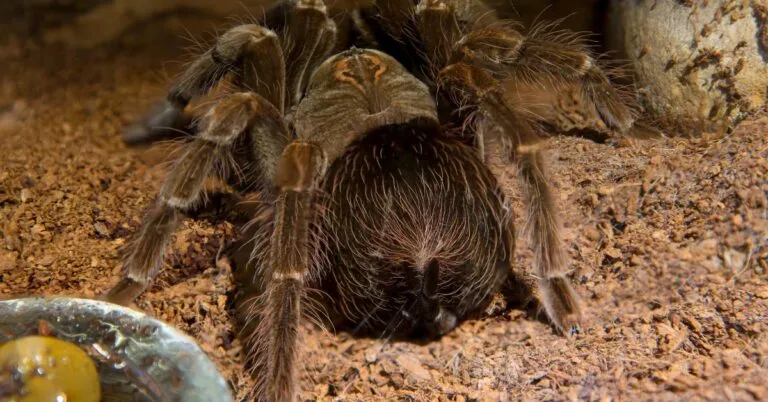
Understanding Tarantula Anatomy
Tarantulas, fascinating creatures that they are, exhibit distinct anatomical differences between males and females, and one of the key areas to examine for sex determination is the abdomen. Understanding these differences is crucial for tarantula keepers, breeders, and enthusiasts alike. Accurate sexing is essential for proper care, breeding management, and simply knowing the gender of your pet tarantula. The abdomen, the large, rear-most section of the tarantula’s body, holds many clues. It is where the spider stores its eggs, houses key organs, and, importantly for sexing purposes, presents visible variations between males and females. This guide delves into the specifics, offering a comprehensive look at how to distinguish between a male and female tarantula based on its abdomen.
Importance of Abdomen
The abdomen is not just a body segment; it is the powerhouse of the tarantula’s internal systems. It houses the heart, the book lungs responsible for respiration, the digestive tract, and in females, the reproductive organs. Its size and shape provide valuable clues about the tarantula’s overall health and well-being. For sexing, the abdomen’s characteristics, such as size, shape, and presence of specific features, provide key indicators. These physical attributes allow for a relatively reliable method of determining the gender of a tarantula, especially when combined with other methods like examining the pedipalps (small appendages near the mouth) or analyzing the exuvia (molted exoskeleton).
Male Tarantula Abdomen Characteristics

Identifying a male tarantula often involves recognizing specific traits of the abdomen. These features typically become more pronounced as the tarantula matures, particularly after its final molt. The following characteristics are generally indicative of a male tarantula.
Size and Shape
Generally, the abdomen of a male tarantula tends to be smaller and less rounded compared to a female. This is due to the different biological roles and reproductive systems. Males often have a more elongated or slender abdomen, whereas females tend to have a more robust, larger abdomen, especially as they mature and develop the capacity to produce eggs. However, size alone isn’t a definitive indicator; other factors must be considered.
Presence of Bulbs
While not directly related to the abdomen, the presence of palpal bulbs on the pedipalps is a definitive indicator of a male. The palpal bulbs are specialized structures used to store sperm and transfer it to the female during mating. They appear as enlarged, often bulbous, tips on the pedipalps of mature male tarantulas. The abdomen itself doesn’t display these bulbs, but their presence is correlated with the stage of maturity and overall male characteristics.
Coloration

The abdomen’s coloration can offer hints, although it’s not always conclusive. The color may vary depending on the species, but male tarantulas sometimes exhibit slightly different coloration than females. The hue of the hairs on the abdomen might be more vibrant, but this is subtle, and relying solely on color is not recommended. Other features, such as the presence of the palpal bulbs, provide a more reliable indicator of sex.
Female Tarantula Abdomen Characteristics
Female tarantulas possess abdominal characteristics that differentiate them from their male counterparts. Recognizing these differences allows for a more accurate sex determination, aiding in breeding endeavors and overall tarantula care. The subsequent features are commonly associated with female tarantulas.
Size and Shape
The abdomen of a female tarantula is typically larger and more rounded compared to a male. This is due to their reproductive system, which includes the ovaries and the capacity to hold eggs. As the female matures and prepares for breeding, her abdomen may appear even more distended. However, it’s important to note that the abdomen size can also be influenced by factors like feeding; well-fed tarantulas may have larger abdomens, regardless of gender. The abdomen’s shape, therefore, becomes an essential consideration when making a sexing determination. The abdomen typically has a more round and plump appearance.
Coloration

Similar to males, the coloration of the female tarantula’s abdomen can vary depending on the species. However, any color differences are usually subtle. The abdomen may appear the same color as the rest of the spider, and the hairs may be the same color as well. It’s important to look at other characteristics for accurate sex determination. Color is not a reliable indicator of sex.
Determining Sex Through Molt
Examining the exuvia, or the molted exoskeleton, is one of the most reliable ways to determine the sex of a tarantula. After molting, the tarantula leaves behind a complete replica of itself. This allows for close examination of the epigastric furrow, which is a structure located on the underside of the female’s abdomen. When present, this provides a definitive sex determination. The features on the exuvia can be clearly seen.
Examining the Exuvia
The exuvia is a valuable tool for sexing tarantulas. To analyze it effectively, carefully spread out the molt and examine the underside of the abdomen. Look for the presence of the spermathecae, which are the female’s reproductive structures. These appear as small, distinct plates or pockets. The exuvia is examined using magnification to see the spermathecae.
Identifying Spermathecae

Spermathecae are the most reliable indicator of a female tarantula. They are internal reproductive structures that store sperm from the male. The spermathecae are visible on the exuvia as distinct, usually paired, structures on the underside of the abdomen. They appear as small plates or pockets. The size and shape of the spermathecae can vary between species, but their presence confirms the tarantula is female. The spermathecae are examined under magnification to determine the sex of the tarantula.
Practical Tips for Sexing
Sexing tarantulas is a skill that improves with practice. Using a bright light and a magnifying glass or loupe can enhance visibility. Gently position the tarantula or its exuvia to ensure that you can examine the key features. It is often easier to determine sex when the tarantula is older. The characteristics are usually more visible in mature specimens. Handle the tarantula with care, especially when trying to sex them. Consider taking photos and comparing them with those of known males and females to refine your skills. Always prioritize the safety of both the tarantula and yourself when sexing. If you are unsure, consult with an experienced tarantula keeper or breeder for confirmation. Sexing can be a rewarding aspect of tarantula keeping.
In conclusion, sexing tarantulas requires a careful examination of the abdomen, especially when looking at the male vs. female differences. The abdomen’s size, shape, and coloration, as well as the presence or absence of specific structures, like palpal bulbs and spermathecae, are crucial indicators. While direct observation of the tarantula can provide some clues, examining the exuvia after a molt is the most reliable method. With patience, practice, and attention to detail, you can become adept at sexing tarantulas, which will greatly enhance your ability to properly care for your pet tarantulas.