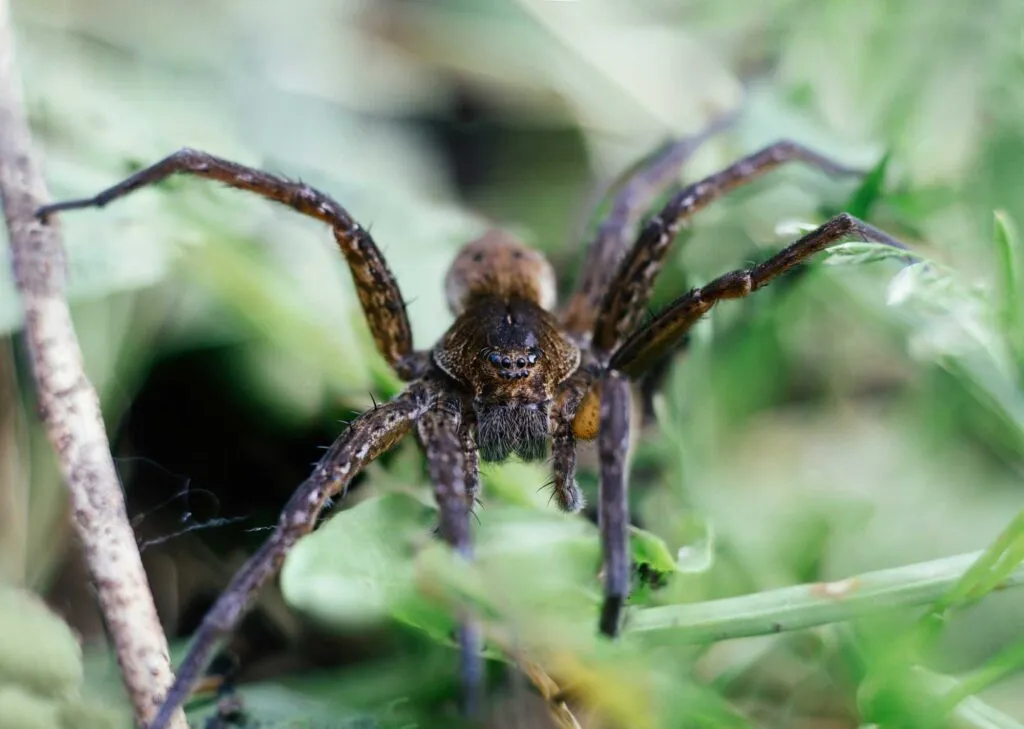
What Are Tarantula Amazon Spiders
Tarantula Amazon spiders, often simply called Amazon tarantulas, are large, hairy spiders belonging to the Theraphosidae family. These impressive arachnids are native to the Amazon rainforest, a vast and biodiverse region in South America. They are nocturnal hunters, spending their days in burrows or sheltered areas and emerging at night to hunt for prey. Known for their impressive size and striking appearance, Amazon tarantulas are a fascinating subject of study and a compelling example of the unique wildlife found in the Amazon.
Appearance and Characteristics
Size and Coloration

Amazon tarantulas are among the largest spiders in the world. Their size varies depending on the species, but they can have a leg span that reaches up to 10 inches or more. Their bodies are typically covered in dense hairs, which can range in color from dark brown to reddish-brown, with some species exhibiting vibrant patterns or contrasting colors on their legs and bodies. The coloration often helps them blend into their forest environment, providing camouflage from predators and prey alike.
Distinguishing Features
Distinguishing features of Amazon tarantulas include their large fangs (chelicerae), which they use to inject venom into their prey. They also have spinnerets at the end of their abdomen, which they use to produce silk for webbing and lining their burrows. The presence of urticating hairs on their abdomen is another key characteristic. These hairs, when disturbed, can cause skin irritation and are a defense mechanism against predators. The combination of these features makes the Amazon tarantula a formidable and easily recognizable spider.
Habitat and Distribution
Amazon Rainforest Environment

The Amazon rainforest provides the ideal habitat for these spiders. The dense foliage, high humidity, and abundance of prey create a thriving environment. The rainforest floor, with its layers of decaying leaves and rich soil, provides perfect conditions for burrowing, while the overall climate supports their survival. This unique environment allows Amazon tarantulas to flourish, making them a significant part of the ecosystem.
Geographic Range
Amazon tarantulas are primarily found within the Amazon basin, which spans across several South American countries, including Brazil, Peru, Colombia, and Ecuador. Within this vast region, they inhabit a variety of microhabitats, from the forest floor to the lower levels of the canopy. Their distribution is influenced by factors such as temperature, humidity, and the availability of food, making them a critical indicator species for the health of their environment.
Behavior and Lifestyle
Diet and Hunting

Amazon tarantulas are primarily nocturnal predators. Their diet consists of insects, small vertebrates like lizards and frogs, and even other spiders. They are ambush predators, waiting patiently for prey to come within striking distance. They use their fangs to inject venom, which immobilizes their prey, allowing them to consume it. The hunting strategy of the Amazon tarantula is a testament to their adaptability and predatory prowess, perfectly suited for their rainforest habitat.
Burrowing and Webbing
Many Amazon tarantulas create burrows in the ground or utilize existing crevices for shelter. These burrows provide protection from predators and the elements. They often line their burrows with silk, creating a comfortable and secure environment. Some species may also construct webs near their burrows to detect the movement of potential prey, further enhancing their hunting capabilities. The construction of these shelters highlights the spiders’ engineering skills and survival adaptations.
Venom and Defense Mechanisms
Toxicity to Humans

The venom of Amazon tarantulas is not typically considered lethal to humans, though it can cause localized pain, muscle cramps, and other unpleasant symptoms. The severity of the reaction varies depending on the individual and the amount of venom injected. Medical attention is usually not required unless symptoms become severe or an allergic reaction occurs. It is crucial to remember that the primary purpose of the venom is to subdue prey, and the effects on humans are generally mild.
Defensive Behaviors
When threatened, Amazon tarantulas have several defensive behaviors. They may rear up on their hind legs, displaying their fangs and hissing to ward off potential predators. They also possess urticating hairs on their abdomen, which they can flick towards perceived threats, causing irritation upon contact. These behaviors, combined with their imposing size, make them formidable opponents and help ensure their survival in a challenging environment.
Conservation Status
Threats to Tarantula Amazon Spiders

The primary threats to Amazon tarantulas are habitat loss due to deforestation, the pet trade, and the impacts of climate change. Deforestation reduces their habitat and isolates populations, making them more vulnerable. The pet trade, although often regulated, can lead to over-collection if not managed responsibly. Climate change also poses a threat by altering their environment and affecting their prey base, creating challenging conditions for their survival.
Conservation Efforts
Conservation efforts involve habitat preservation through protected areas and sustainable forestry practices. Regulations for the pet trade, with a focus on ethical sourcing and responsible ownership, play a crucial role. Research into the spiders’ ecology and biology helps inform effective conservation strategies. Community involvement and educational programs are also vital for raising awareness about the importance of these unique creatures.
Keeping Tarantula Amazon Spiders as Pets
Legality and Ethics

The legality of owning an Amazon tarantula varies by region, so research local laws and regulations before acquiring one. Ethically, it is important to ensure the spider is sourced from a reputable breeder and not collected from the wild, which contributes to their decline. Responsible pet ownership includes understanding their specific needs and providing them with appropriate care.
Responsible Ownership
Responsible ownership includes providing a suitable enclosure with appropriate temperature, humidity, and substrate. Offering a varied diet of insects and other invertebrates, ensuring proper hydration, and minimizing handling to reduce stress are also essential. Understanding their natural behavior and providing an enriching environment will help the tarantula thrive in captivity. Regular vet check-ups, as well as thorough research into their specific species, can greatly improve the well-being of these fascinating creatures.
Interesting Facts and Trivia
Lifespan and Growth
Female Amazon tarantulas can live for several decades, while males have a shorter lifespan. They grow through molting, shedding their exoskeleton as they increase in size. Each molt represents a stage of growth and development. The frequency of molting decreases as they mature. Understanding their life cycle, from their initial growth stages through to adulthood, provides valuable insight into their biology and how to provide the best care.
Interaction with Indigenous Cultures
In some indigenous cultures of the Amazon, spiders hold cultural significance. They may be featured in folklore, mythology, or even have medicinal uses. Understanding these interactions provides insight into the cultural importance of these creatures within their native environments. The Amazon tarantulas’ relationship with indigenous cultures underscores the need for conservation efforts to preserve both biodiversity and cultural heritage within the Amazon basin.