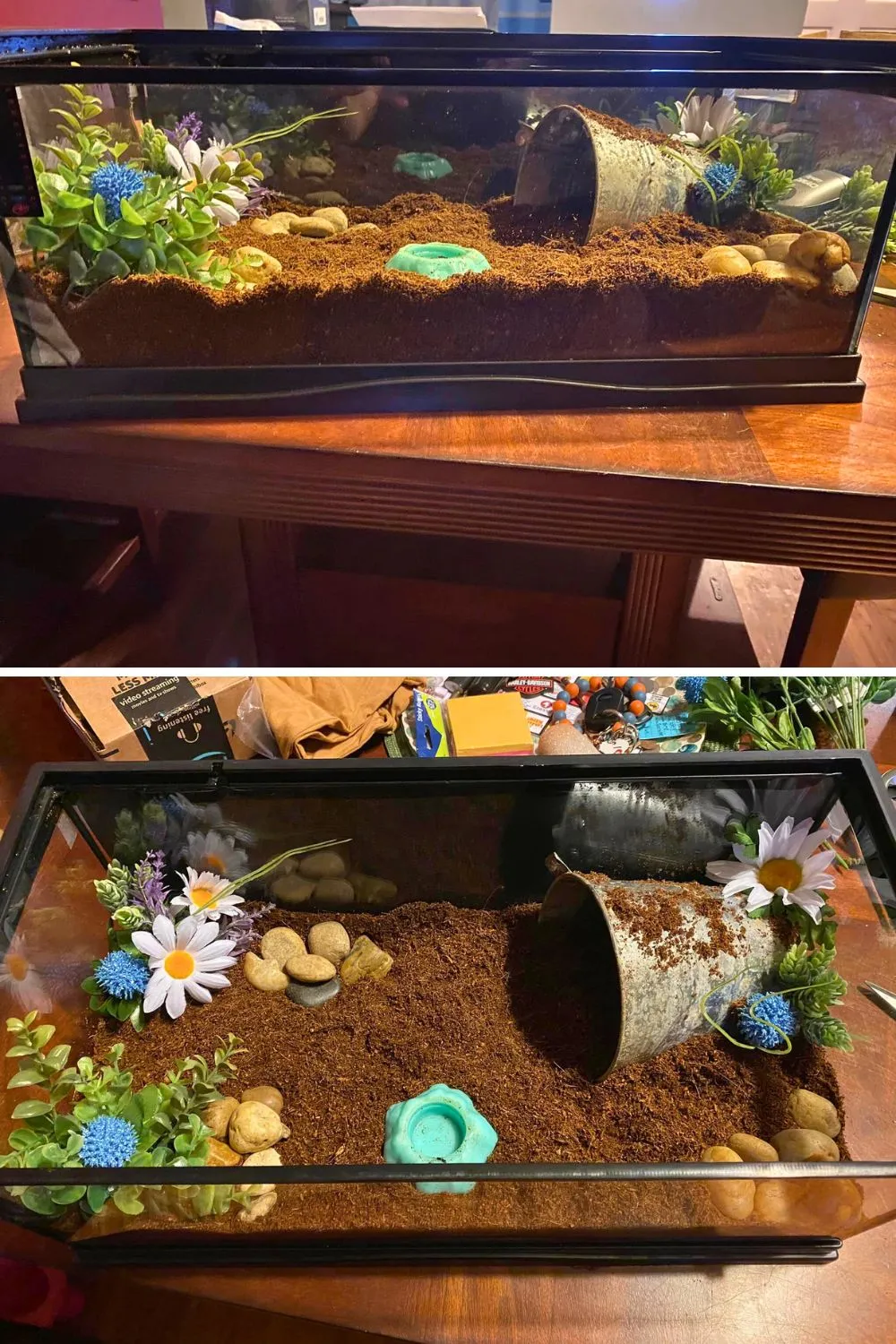
Creating the perfect tarantula aquarium design is crucial for your eight-legged friend’s well-being. A well-designed habitat provides a safe, stimulating, and comfortable environment, promoting a long and healthy life. This guide provides essential tips for designing and maintaining an ideal tarantula enclosure, covering everything from selecting the right size to ensuring proper ventilation, humidity, and safety. By following these guidelines, you can create a thriving environment for your tarantula to flourish.
Choosing the Right Tarantula Aquarium
Selecting the appropriate enclosure is the first step in tarantula aquarium design. The size and type of enclosure depend on the species and size of your tarantula. A general guideline is that the enclosure should be at least twice the tarantula’s leg span in width and length, and the height should allow for at least twice the tarantula’s body length for arboreal species that climb. Glass or clear plastic enclosures are ideal because they provide good visibility and are easy to clean. Ensure the enclosure has a secure lid to prevent escapes.
Size Matters Considering the Tarantula’s Needs
Overcrowding can stress tarantulas. Too much space can make it harder for them to find food and feel secure. Therefore, matching the enclosure size to the tarantula’s size is essential. Young tarantulas can start in smaller enclosures and be upgraded as they grow. A juvenile tarantula might thrive in a small deli cup, whereas a mature adult, especially a terrestrial species like the G. pulchra, will need a larger terrarium. Always prioritize the tarantula’s comfort and security when choosing the enclosure size.
The Importance of Ventilation

Proper ventilation is crucial in tarantula aquarium design to prevent mold and maintain air quality. Poor ventilation can lead to a buildup of harmful gases and increase the risk of respiratory infections. Ensure the enclosure has sufficient ventilation holes or a screened top. The number and size of ventilation openings depend on the humidity requirements of the tarantula species. In general, more ventilation is better, but it is still necessary to maintain appropriate humidity levels for the specific species. Avoid enclosures that trap humidity without adequate airflow.
The Right Substrate
The substrate forms the foundation of a healthy tarantula habitat. It provides a medium for burrowing, helps maintain humidity, and allows for waste decomposition. The best substrate choices include a mix of coco fiber, peat moss, and vermiculite. The depth of the substrate should allow for the tarantula to burrow if it is a burrowing species, typically several inches deep. Avoid using substrates that can be toxic or trap moisture, like sand, which can also be abrasive. Make sure that the substrate is replaced periodically to maintain the hygiene of the terrarium.
Designing the Tarantula’s Habitat
Once you have selected the enclosure and substrate, it’s time to design the tarantula’s habitat. A well-designed habitat should replicate the tarantula’s natural environment, providing places to hide, climb, and explore. This not only improves the aesthetic appeal but also benefits the tarantula’s physical and psychological well-being. Carefully consider the specific needs of your tarantula species when designing its home, as terrestrial, arboreal, and fossorial species have different requirements.
Providing Hiding Places and Decorations

Tarantulas are reclusive creatures that require hiding places to feel safe. Provide a hide, such as a piece of cork bark, a half-log, or a commercially available tarantula hide. Ensure that the hide is the appropriate size for your tarantula. Decorations like rocks, branches, and artificial plants can also enhance the enclosure, providing enrichment and making the environment more stimulating. Be sure that all decorations are non-toxic and don’t have any sharp edges that could harm the tarantula.
Selecting Appropriate Plants
Live or artificial plants can add beauty and functionality to a tarantula’s enclosure. Live plants can help maintain humidity and provide additional hiding places. However, if using live plants, ensure they are non-toxic and safe for tarantulas. Plants like pothos, spider plants, and bromeliads are good choices. Artificial plants offer an alternative that requires less maintenance. Regardless of whether you use live or artificial plants, make sure to clean them thoroughly before introducing them into the enclosure.
Maintaining Humidity and Temperature
Humidity and temperature are critical environmental factors that must be carefully managed in a tarantula’s enclosure. Different tarantula species have different requirements. Some species thrive in humid environments, while others prefer drier conditions. Maintaining the correct humidity and temperature levels ensures that your tarantula stays healthy and avoids problems like molting issues. Proper monitoring and adjustment of these factors are essential for success.
Monitoring and Adjusting Environmental Conditions

Use a hygrometer to measure humidity and a thermometer to monitor temperature. The ideal temperature range for most tarantulas is between 75-85°F (24-29°C). The humidity level varies depending on the species. To increase humidity, mist the enclosure with water or add a water dish. For drier environments, ensure good ventilation. Regularly check the enclosure for mold and adjust the humidity and temperature as needed to maintain optimal conditions. Research the specific needs of your tarantula species.
Watering and Feeding Your Tarantula
Providing the right food and water is essential to a tarantula’s health. Fresh water should always be available, and you should feed your tarantula a diet that meets its nutritional needs. The frequency and type of feeding depends on the tarantula’s size and age. Feeding is one of the most exciting aspects of tarantula ownership, but it needs to be done thoughtfully to ensure your pet thrives.
Selecting the Right Food
Tarantulas primarily eat insects, such as crickets, mealworms, and roaches. The size of the insects should be appropriate for the size of your tarantula; the prey should be no larger than the tarantula’s body. Always ensure the insects are gut-loaded before feeding, providing them with nutritious food to enhance the nutritional value of the tarantula’s meal. Avoid feeding wild-caught insects, as they may carry parasites or pesticides that could harm your tarantula. Consider the nutritional content of the insects you are offering.
How Often to Feed

The feeding frequency varies depending on the tarantula’s age and metabolism. Spiderlings should be fed more frequently, often several times a week. As they mature, the feeding frequency can be reduced to once or twice a week. Adult tarantulas may only need to be fed once every one to two weeks. Always monitor your tarantula’s abdomen; if it appears plump, your tarantula is well-fed. If it’s abdomen seems shrunken, it may need more food. Provide fresh water at all times, and remove any uneaten food within 24 hours to prevent mold and mites.
Ensuring the Tarantula’s Safety
Keeping your tarantula safe is a priority. This involves preventing escapes and avoiding the use of harmful chemicals or materials. A secure and well-maintained enclosure is essential to minimize the risk of accidents or injuries. Careful consideration of all aspects of the tarantula aquarium design will help ensure its safety.
Preventing Escapes
Tarantulas are escape artists. Ensure the enclosure has a tight-fitting lid and that any ventilation holes are appropriately sized to prevent the tarantula from squeezing through. Regularly check the enclosure for any potential escape routes, such as gaps in the lid or loose seals. It’s wise to keep the enclosure in a secure location away from pets or children. Consider a locking mechanism on the lid for added security.
Avoiding Harmful Chemicals and Materials

Avoid using any chemicals, such as insecticides or cleaning agents, near the tarantula’s enclosure. These can be toxic to your tarantula. Only use materials specifically designed for reptile or invertebrate habitats. Avoid wood treatments or other products that could leach harmful chemicals into the enclosure. Research all items before introducing them to the habitat to ensure they are safe and non-toxic. Always wash your hands before handling the tarantula or its enclosure.
In conclusion, designing a perfect tarantula aquarium is an art and a science. By choosing the right enclosure, providing the correct substrate, creating a stimulating habitat, maintaining the right environmental conditions, and ensuring your tarantula’s safety, you can create a thriving environment. Following these 5 tips for success will help you enjoy the rewarding experience of owning and caring for these fascinating creatures. Enjoy your tarantula journey!