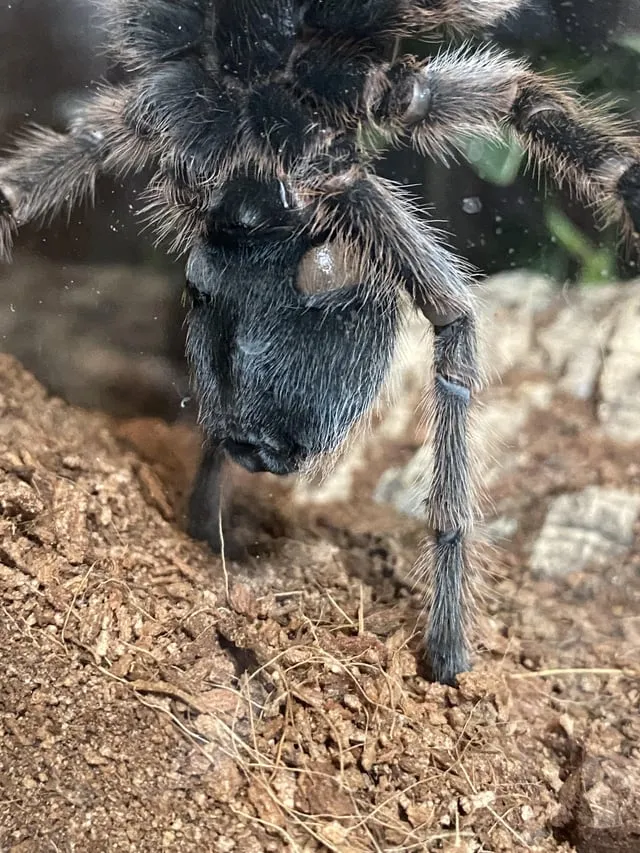
What is a Tarantula Bald Spot?
A tarantula bald spot is a noticeable area on the abdomen where the urticating hairs are missing. These hairs, also known as setae, are tiny, barbed hairs that tarantulas use as a defense mechanism. They flick these hairs off their abdomen towards potential threats, causing irritation. The presence of a bald spot can be concerning for tarantula owners, but understanding the reasons behind it is crucial for proper care and ensuring the spider’s well-being. These bald spots are common, and in most cases, they are not a sign of a serious health issue, but rather a result of natural behaviors or environmental factors. This guide will help you understand what causes these spots and how to care for your tarantula.
Understanding the Abdomen
The abdomen is a critical part of a tarantula’s body. It houses vital organs such as the heart, digestive system, and reproductive organs. It’s also where the tarantula stores nutrients and resources. The abdomen is covered in a layer of cuticle and is normally covered in urticating hairs. These hairs serve as a defense mechanism against predators, causing irritation upon contact. The overall health and appearance of the abdomen can indicate a tarantula’s general well-being, so keeping an eye on any changes is essential.
How the Bald Spot Develops

Bald spots develop through various mechanisms. One primary cause is the tarantula flicking off its urticating hairs in defense. This is a natural behavior, especially when the spider feels threatened. Another factor is the tarantula rubbing its abdomen against surfaces in its enclosure. This can happen when the tarantula is stressed, trying to navigate a confined space, or simply rearranging its habitat. As the tarantula moves around, it can inadvertently cause the hairs to be dislodged. The frequency of the bald spot appearing varies greatly depending on the tarantula’s behavior and environment.
Top 5 Facts About Tarantula Bald Spots
Fact 1: The Cause of Bald Spots
The primary cause is the tarantula’s defense mechanism. When threatened, tarantulas use their hind legs to flick urticating hairs from their abdomen. This can be aimed at predators or perceived threats. They also rub the hairs off the abdomen, which can occur when the spider feels stressed, or is trying to get rid of excess hairs. This behavior is more pronounced in certain species, especially those known for being defensive. The size and shape of the bald spot can vary depending on the species, individual temperament, and the frequency of these defensive behaviors.
Fact 2: Is It Always a Problem?

No, a bald spot is not always a sign of a problem. In many cases, it’s a natural part of the tarantula’s behavior. The urticating hairs will grow back with the next molt. However, if the bald spot is accompanied by other symptoms such as loss of appetite, lethargy, or unusual behavior, it could indicate a health issue or environmental stress. Observing your tarantula’s behavior and environment is essential. If the bald spot persists or worsens, it is important to evaluate possible stressors or seek veterinary advice.
Fact 3: Differentiating Between a Bald Spot and Molting
It is essential to differentiate a bald spot from the pre-molt phase. Before molting, tarantulas may appear less active, and their abdomen may darken. The bald spot will usually be accompanied by other signs of molting, such as the spider refusing to eat or spending more time in its hide. In contrast, a bald spot due to defense is not typically accompanied by these signs. Observing the tarantula’s behavior and environment will help distinguish between the two. A close inspection of the abdomen and overall appearance of the spider can provide valuable clues.
Fact 4: How to Identify the Severity
The severity of a bald spot can be assessed by its size and any accompanying symptoms. A small bald spot is typically less concerning than a large one, especially if the tarantula is otherwise healthy. If the bald spot is large, and the tarantula is showing signs of stress, such as lethargy, loss of appetite, or unusual behavior, it is important to investigate further. Check the enclosure for potential stressors, ensure the tarantula has access to water and appropriate food, and consider consulting a veterinarian specializing in exotic pets if the condition persists or worsens.
Fact 5: Prevention and Treatment

Preventing the development of a bald spot involves minimizing stress. Ensure the enclosure is properly sized, provides adequate hiding places, and is not subjected to frequent disturbances. Avoid handling the tarantula unnecessarily, as this can cause stress and trigger defensive behaviors. Maintaining appropriate temperature and humidity levels is also crucial for your tarantula’s well-being. The treatment primarily involves addressing any underlying causes, such as improving the enclosure or reducing stress. In most cases, the bald spot will resolve with the next molt. The hair will grow back on your tarantula.
Caring for a Tarantula with a Bald Spot
Environmental Factors
The environment plays a crucial role in the tarantula’s health and well-being. Provide a properly sized enclosure with appropriate substrate for burrowing. Maintain the correct temperature and humidity levels based on the species’ needs. Provide a hide or shelter to reduce stress and allow the tarantula to feel secure. Avoid placing the enclosure in a high-traffic area or where it is exposed to excessive noise or vibrations. Regular cleaning of the enclosure is important to prevent the buildup of waste and maintain a healthy environment.
Diet and Nutrition

Ensure the tarantula has a balanced diet appropriate for its species and age. Provide a variety of feeder insects, such as crickets, roaches, or mealworms. Offer food regularly, but avoid overfeeding, as this can lead to health problems. Always provide fresh water in a shallow dish. If the tarantula stops eating, it could be a sign of a problem, such as an impending molt or illness. Monitor the tarantula’s eating habits and consult a veterinarian if any concerns arise.
Handling and Stress
Minimize handling, as it can cause stress and trigger defensive behaviors. If handling is necessary, do so gently and carefully, and avoid dropping the tarantula. Ensure that the enclosure is free from potential stressors, such as loud noises, bright lights, or other animals. If the tarantula appears stressed, provide it with a secure hiding place. Observe its behavior and consult with a veterinarian if you notice signs of prolonged stress.
When to Consult a Veterinarian
Signs of a Serious Issue

Consult a veterinarian if the bald spot is accompanied by signs of a serious issue, such as lethargy, loss of appetite, or unusual behavior. Other signs include difficulty molting, swelling, or discoloration of the abdomen, or if you notice any discharge. These symptoms could indicate a health problem that requires professional attention. Early intervention can often improve the prognosis for your tarantula.
Professional Veterinary Care
Seek the help of a veterinarian specializing in exotic pets. They can diagnose any underlying health issues and recommend appropriate treatment. A veterinarian can also provide guidance on how to improve the tarantula’s environment and care. Be prepared to provide information about your tarantula’s diet, housing, and behavior. Follow the veterinarian’s advice carefully to ensure the best possible outcome for your tarantula. Professional medical care is essential if the bald spot persists or worsens.