Tarantula Body Top 5 Amazing Facts
The tarantula body is a fascinating structure, a testament to millions of years of evolution. Understanding its anatomy offers a unique insight into these captivating creatures. From the way they breathe to how they molt, every aspect of the tarantula’s body is designed for survival in diverse environments. This article dives into five of the most amazing facts about the tarantula body, offering a comprehensive look at these incredible arachnids. Discover the secrets of their anatomy and how these features enable them to thrive. This exploration will help you appreciate the intricate design and remarkable adaptations that make tarantulas such intriguing subjects of study.
The Two Main Body Sections
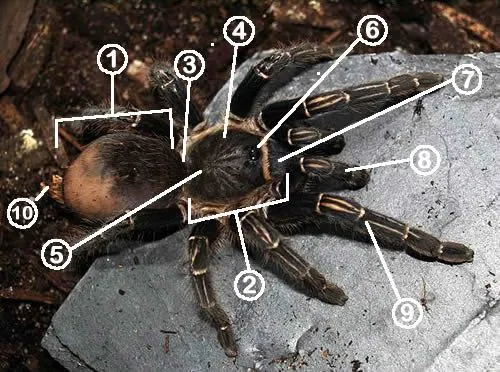
Unlike insects, tarantulas, like all arachnids, have a body divided into two primary sections the cephalothorax and the abdomen. This two-part structure is fundamental to their form and function. The cephalothorax, also known as the prosoma, is a fusion of the head and thorax, housing vital organs and appendages. The abdomen, or opisthosoma, is the posterior section, responsible for housing the digestive and reproductive systems, as well as the spinnerets. The clear separation between these two sections is a defining characteristic that distinguishes them from many other types of creatures. The body plan of the tarantula is a marvel of natural engineering, perfectly tailored for their predatory lifestyle and survival.
The Cephalothorax

The cephalothorax is the powerhouse of the tarantula’s body, containing the brain, mouthparts, eyes, and legs. It is covered by a hard carapace that offers protection from predators and environmental hazards. The eight eyes, though not the primary means of sight, provide a broad field of view, crucial for detecting movement. The chelicerae, powerful jaws equipped with fangs, are essential for capturing and subduing prey. The cephalothorax is also the attachment point for the legs, which are covered in sensory hairs that detect vibrations, allowing tarantulas to navigate and hunt with precision. This section is the command center, coordinating all activities necessary for survival. The overall structure of the cephalothorax highlights the tarantula’s adaptive capabilities.
What are Chelicerae
Chelicerae are the primary mouthparts of a tarantula, located just below the eyes. These are essentially the fangs used to inject venom into prey. The chelicerae are not merely simple fangs; they are complex structures that can include teeth-like serrations to help grip and break down food. The size and shape of the chelicerae can vary among different tarantula species, reflecting their varied dietary habits and hunting strategies. The chelicerae’s design ensures efficient capture and envenomation, which is critical for the tarantula’s survival. The chelicerae’s robust structure and the venom delivery mechanism represent a critical element of the tarantula’s predatory nature. They allow the tarantula to effectively subdue prey.
What are Pedipalps
Pedipalps are another pair of appendages located near the tarantula’s mouth. Unlike legs, pedipalps serve multiple functions. They are used for sensory perception, helping the tarantula ’taste’ or ‘feel’ its surroundings. In males, the pedipalps are modified and used to transfer sperm during mating. Pedipalps can also assist in handling food and grooming. The pedipalps are highly sensitive, providing the tarantula with crucial information about its environment and prey. They are indispensable for a tarantula’s survival, aiding in everything from hunting to reproduction. The pedipalps are incredibly versatile, making them an essential part of the tarantula’s anatomy.
The Abdomen

The abdomen is the posterior section of the tarantula, playing a vital role in digestion, reproduction, and respiration. It is soft and flexible, allowing the tarantula to move with agility. The abdomen houses the heart, digestive organs, and reproductive structures. The size of the abdomen can fluctuate depending on the tarantula’s feeding and reproductive cycles. The abdomen also features the spinnerets, which produce silk for creating webs and egg sacs. The abdomen’s versatility and functionality are essential for the overall health and survival of the tarantula. The abdomen’s soft exterior allows for expansion as the tarantula eats and stores food. The abdomen is also where book lungs are located, which are vital to respiration.
Spinnerets Location
Spinnerets are located at the end of the abdomen and are responsible for producing silk. These are small, finger-like structures through which silk threads emerge. Tarantulas use silk for various purposes, including creating webs for shelter, lining burrows, and constructing egg sacs to protect their young. The silk’s versatility is a key factor in the tarantula’s survival, aiding in both hunting and protection. The number of spinnerets can vary among different tarantula species, and their arrangement influences the silk’s characteristics and uses. The spinnerets’ design allows for the production of strong, flexible silk. The spinnerets themselves are a marvel of biological engineering, creating threads from liquid silk.
Book Lungs
Book lungs are the primary respiratory organs of tarantulas, located within the abdomen. These are specialized structures resembling the pages of a book, hence the name. Each book lung consists of numerous thin, leaf-like plates that maximize surface area for gas exchange. Blood circulates through these plates, absorbing oxygen from the air and releasing carbon dioxide. This efficient system enables tarantulas to breathe and thrive in various environments. Book lungs are essential for their survival, facilitating the absorption of oxygen needed for the tarantula’s body functions. Book lungs represent the remarkable adaptations that tarantulas have developed for survival.
Tarantula Body Functions

The tarantula’s body performs multiple essential functions to ensure its survival. These include digestion, respiration, and molting, each meticulously carried out. The digestive system breaks down food into nutrients, which are then absorbed by the body. Respiration, facilitated by book lungs, provides the necessary oxygen. The molting process, where the tarantula sheds its exoskeleton, allows for growth and the renewal of vital structures. The combined function of these systems ensures that the tarantula thrives in its environment, ready for each new challenge. These body functions highlight the incredible adaptations that allow tarantulas to flourish.
Shedding
Shedding, or molting, is a crucial process in a tarantula’s life, allowing it to grow and replace worn or damaged parts. The tarantula sheds its exoskeleton, which does not grow with the spider. Before molting, the tarantula forms a new, larger exoskeleton beneath the old one. The process begins when the tarantula positions itself, often on its back, and carefully extracts itself from its old shell. After molting, the tarantula is vulnerable until its new exoskeleton hardens. This process also renews sensory hairs and other structures. Molting is essential for tarantulas to grow and remain healthy. The molting process can be a delicate time for a tarantula.
Molting Process
The molting process itself is a remarkable feat of biological engineering. The tarantula will often prepare for molting by ceasing to eat and seeking a safe, secluded location. As the old exoskeleton splits open, the tarantula slowly wriggles out of it, a process that can take several hours. The new exoskeleton is soft and pale, gradually hardening over several days or weeks. During this time, the tarantula is highly vulnerable to predators. The molting process enables the tarantula to grow, replace lost limbs, and shed parasites. The molting process is an essential aspect of the tarantula’s life cycle. After molting, tarantulas become more vibrant in color, offering an exciting sight to behold.
Tarantula Body Anatomy and Health
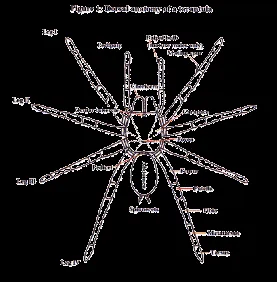
Understanding the anatomy of a tarantula is crucial for ensuring its health and well-being in captivity. Knowing the internal organs, the respiratory and circulatory systems helps to identify potential health issues early. Proper care involves providing an appropriate environment, a balanced diet, and regular health checks. Recognizing the signs of a healthy tarantula, such as proper feeding habits, activity levels, and molting patterns, is key to preventative care. Being informed about a tarantula’s internal anatomy helps to provide the best possible living conditions and enhance their lifespan. Regular observations can help identify any problems before they escalate. The tarantula’s anatomy affects every aspect of its health.
Internal Organs Overview
Tarantulas possess a suite of internal organs that facilitate all of the processes that keep them alive. The digestive system, which includes the stomach, intestine, and midgut, breaks down food. The heart, situated in the abdomen, pumps hemolymph (spider blood) throughout the body. The nervous system, with its central ganglia, controls the tarantula’s behavior and sensory perception. The Malpighian tubules filter waste from the hemolymph. Understanding the location and function of these internal organs provides a deeper understanding of the tarantula’s health. Internal organs are essential for survival, each contributing to the intricate workings of the tarantula’s body.
Respiratory System
The respiratory system of a tarantula is primarily composed of book lungs, located in the abdomen. These book lungs allow the spider to extract oxygen from the air and release carbon dioxide. Oxygen is absorbed by the hemolymph, which then circulates throughout the body, delivering the essential gas to the tissues. The efficiency of the book lungs is critical for the tarantula’s ability to thrive in various environments. The respiratory system’s health can affect the overall health and activity levels of the tarantula. Book lungs and the respiratory system show how well tarantulas are adapted to their environment.
Circulatory System

The circulatory system of a tarantula is open, meaning that the hemolymph (spider blood) circulates freely within the body cavity, bathing the internal organs. The heart, a long, tubular structure, pumps the hemolymph through the body. The hemolymph carries oxygen, nutrients, and waste products, facilitating all of the body’s functions. The circulatory system also plays a role in regulating body temperature and transporting hormones. A healthy circulatory system is essential for the tarantula’s overall health. The circulatory system shows how well the tarantula’s body works as a whole.
Tarantula Body Comparison to Other Spiders
Comparing the tarantula body to other spiders highlights both similarities and significant differences. All spiders share the fundamental two-part body structure, but variations exist in size, shape, and specialized adaptations. The presence of book lungs and spinnerets, for example, is common, but the size and arrangement of these features can vary greatly. Some spiders have evolved additional features, like venom glands and specific hunting methods. Understanding the differences between various spider body structures offers valuable insights into each species’ lifestyle and niche. This comparison highlights both commonalities and specializations among various arachnid groups, all from the same family.
Similarities and Differences
Most spiders share the basic two-part body plan consisting of a cephalothorax and abdomen, but the details vary greatly. Tarantulas, for instance, are known for their large size and hairy bodies, which is very different from smaller spiders. Other spiders may have specialized structures, like the orb-weaving spiders with elaborate webs. The chelicerae and pedipalps perform the same fundamental functions, but their size, shape, and use are highly variable. Differences include adaptations to different habitats, feeding habits, and hunting strategies. These variances show the incredible diversity within the spider family. These variances are what make spiders so interesting.
Why Tarantulas are Unique

Tarantulas stand out due to their size, longevity, and distinctive appearance. Their large size makes them some of the most easily recognizable spiders. Their hairy bodies, unique compared to other spiders, add to their visual appeal and also aid in sensory perception. Many species live for several years, or even decades, setting them apart from many other arachnids. The defensive hairs, or urticating setae, are unique to tarantulas and serve as a protective mechanism. Tarantulas also exhibit a wide range of behaviors, including their patient hunting strategies. These traits are what make tarantulas unique and highly sought-after pets. The characteristics and special adaptations make tarantulas captivating creatures.