Top 5 Amazing Tarantula Breeds
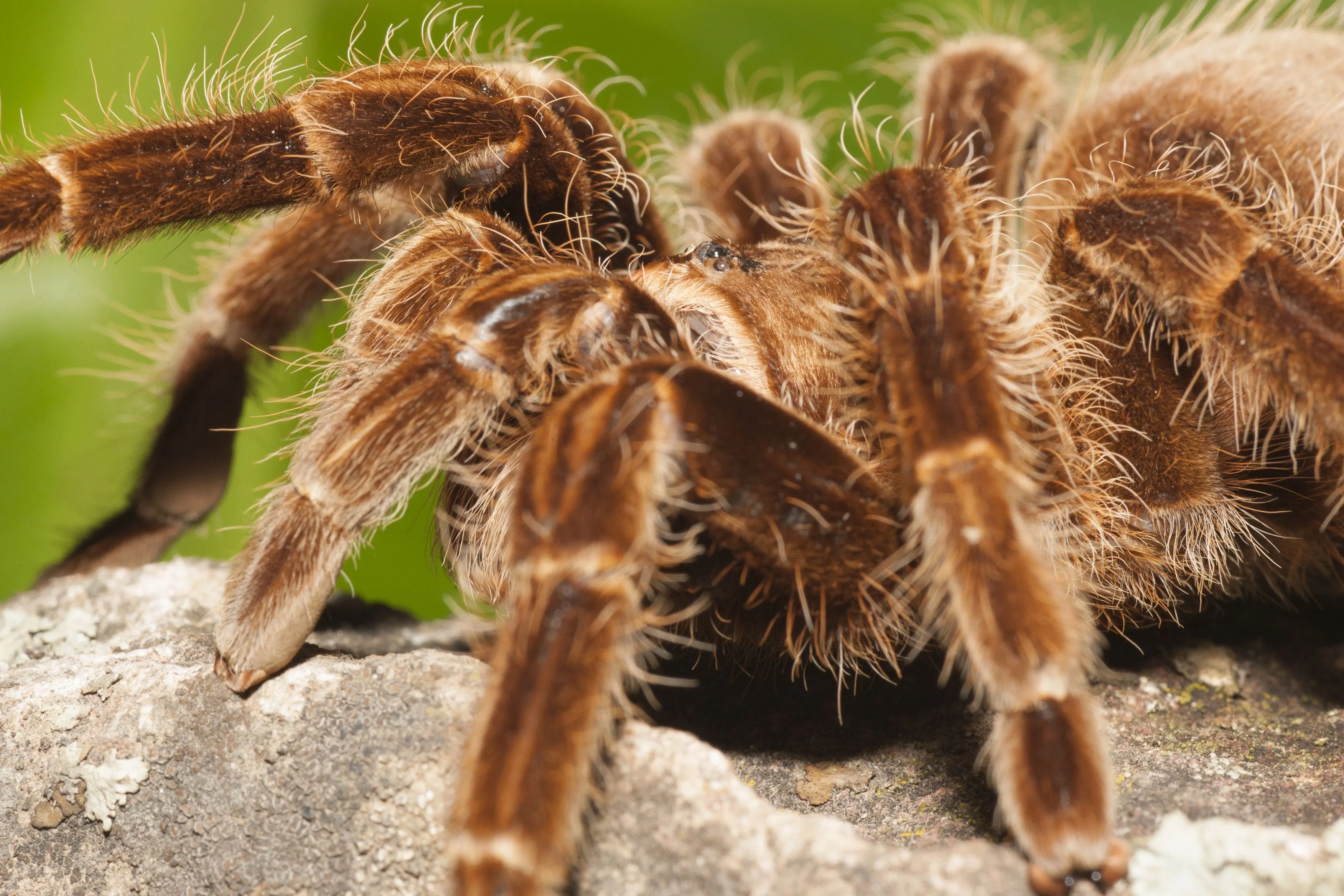
Tarantulas, with their imposing size and intricate patterns, have captivated the fascination of many. These eight-legged marvels, while often misunderstood, are intriguing creatures to observe and, for some, to keep as pets. This article delves into some of the most remarkable tarantula breeds, highlighting their unique characteristics and care requirements. From the docile Chilean Rose Hair to the impressive Goliath Birdeater, this guide provides a glimpse into the diversity within the tarantula world. Consider the responsibility before acquiring one of these amazing creatures. Proper research, suitable habitat, and a commitment to their needs are essential for the well-being of these fascinating arachnids.
Brazilian Black Tarantula
The Brazilian Black Tarantula, Grammostola pulchra, is a stunning and relatively docile species, making it a popular choice among beginners. Their velvety black appearance is consistent throughout their body, giving them a sleek and elegant look. They are native to the grasslands and rainforests of Southern Brazil and Uruguay. These tarantulas are known for their calm temperament, rarely displaying defensive behavior. Their manageable size, reaching up to 6 inches in leg span, also contributes to their appeal. The Brazilian Black Tarantula is a slow-growing species, and can live for up to 20 years, which makes them a long-term companion for the dedicated arachnid enthusiast.
Appearance and Characteristics

As the name suggests, the Brazilian Black is characterized by its solid black coloration, even in juvenile specimens. This uniform coloring, combined with their relatively large size, gives them a striking presence. They have a robust build with a thick layer of hairs covering their legs and abdomen. Their appearance is consistent throughout their lifespan, maintaining their striking black coloration. This species also possesses urticating hairs, which they can flick off their abdomen as a defense mechanism. However, they are not as prone to using this defense compared to other tarantula species.
Temperament and Care
The Brazilian Black Tarantula is renowned for its calm and docile nature. They are not typically aggressive and are less likely to bite when threatened. They are relatively easy to care for, requiring a moderate humidity level and a temperature range between 75-85°F (24-29°C). A substrate of coconut fiber or peat moss is ideal for maintaining humidity and allowing them to burrow. Feeding them once or twice a week with appropriately sized insects, such as crickets or roaches, is sufficient. Their slow growth rate means they don’t require frequent rehousing, which is a benefit for keepers. Overall, their calm temperament and relatively low maintenance needs make them an excellent choice for those new to keeping tarantulas.
Mexican Red Knee Tarantula
The Mexican Red Knee Tarantula, Brachypelma hamorii, is one of the most popular tarantula species in the pet trade, recognized for its striking appearance and generally docile nature. Native to the arid scrublands of the Pacific coast of Mexico, these tarantulas are known for their vibrant coloration, featuring bold red-orange markings on their leg joints and knees. These tarantulas are also relatively hardy and adaptable, making them suitable for both novice and experienced keepers. The Mexican Red Knee’s striking appearance and manageable size contribute to their widespread appeal, drawing in arachnid enthusiasts from around the globe.
Appearance and Characteristics

The most distinctive feature of the Mexican Red Knee is the vibrant red-orange coloration on its leg joints, which contrasts sharply with the black or dark brown segments of its legs. They have a dark carapace and abdomen covered in fine hairs. Adults can reach a leg span of up to 6 inches, making them a medium-sized tarantula. Their overall appearance is impressive, and their relatively slow growth rate allows for prolonged enjoyment of their aesthetic qualities. They have urticating hairs, which they can flick off as a defense mechanism, a common trait among New World tarantulas. These hairs can cause mild irritation upon contact with skin.
Temperament and Care
The Mexican Red Knee is generally known for its docile temperament and is not typically aggressive. While they may flick urticating hairs when threatened, they rarely bite. They are relatively easy to care for, requiring a moderate humidity level and a temperature range between 70-80°F (21-27°C). A substrate of coco fiber or peat moss is ideal for maintaining humidity. They thrive in a terrarium with hiding places, such as a hide made from cork bark or a half-log. Feeding them once or twice a week with appropriately sized insects, such as crickets or roaches, is sufficient. Regular water dish refills and occasional misting are also essential to ensure their well-being.
Chilean Rose Hair Tarantula
The Chilean Rose Hair Tarantula, Grammostola rosea, is one of the most popular and readily available tarantula species, widely known for its docile temperament and ease of care. Native to the arid regions of Chile, Argentina, and Bolivia, these tarantulas are characterized by their muted coloration and calm disposition. They are an excellent choice for beginner tarantula keepers. Their adaptability and relatively low maintenance needs make them a favorite among those new to the hobby. The Chilean Rose Hair’s gentle nature often leads to a positive first experience with tarantulas.
Appearance and Characteristics

Chilean Rose Hair tarantulas have a brownish-pink or tan coloration, with varying shades depending on the individual. They have a moderate leg span, typically reaching up to 5-6 inches. Their bodies are covered in fine hairs, giving them a soft, furry appearance. They are not as visually striking as some other species, but their gentle disposition and ease of care more than compensate. They possess urticating hairs, which they can flick off as a defense mechanism. The hairs can cause mild irritation if they come into contact with skin or eyes, but the tarantulas rarely resort to this method.
Temperament and Care
The Chilean Rose Hair is renowned for its docile temperament. They are generally very calm and rarely bite, making them ideal for beginners. They are relatively easy to care for, requiring a moderate humidity level and a temperature range between 70-80°F (21-27°C). They are not as sensitive to environmental changes as some other species. A substrate of coco fiber or peat moss is suitable for maintaining humidity. Provide a water dish and a hide for them to retreat into. Feeding them once or twice a week with insects is sufficient. Their relatively low maintenance needs and calm temperament make them an excellent choice for novice tarantula keepers.
Goliath Birdeater Tarantula
The Goliath Birdeater, Theraphosa blondi, is the largest tarantula species in the world, a truly impressive creature. Native to the rainforests of northern South America, this tarantula is known for its enormous size and unique characteristics. While they are impressive to behold, they are best suited for experienced keepers due to their defensive nature and specific care requirements. These spiders often spark both awe and trepidation, offering a glimpse into the extreme diversity of the tarantula world.
Appearance and Characteristics

The Goliath Birdeater is characterized by its massive size, with a leg span that can reach over 12 inches. Their bodies are covered in reddish-brown hairs. They have large fangs and a robust build. They also possess urticating hairs and, when threatened, will rub their legs against their abdomen to release these hairs, which can cause significant irritation. These tarantulas have a fast growth rate and can live for many years. Their size alone makes them a spectacular sight, highlighting the diversity within the tarantula family.
Temperament and Care
The Goliath Birdeater is not recommended for beginners due to its defensive temperament. They may bite if provoked and are prone to flicking urticating hairs. They require a high humidity level and a temperature range between 75-85°F (24-29°C). A substrate of coco fiber or peat moss is crucial for maintaining humidity. They need a spacious terrarium with a hide and a large water dish. Feeding them appropriately sized insects, such as crickets or roaches, is essential. This species requires experienced keepers who can provide the specific care and environment that it requires, including security considerations given its size and potential defenses.
Pinktoe Tarantula
The Pinktoe Tarantula, Avicularia avicularia, is a vibrant and arboreal species native to the rainforests of the Caribbean and South America. Known for their striking coloration and unique arboreal lifestyle, these tarantulas are a favorite among hobbyists. The Pinktoe’s distinctive appearance and relatively active nature make them an attractive species for those looking for an alternative to terrestrial tarantulas. They are a visually captivating addition to any collection.
Appearance and Characteristics

Pinktoe Tarantulas are characterized by their metallic green or bronze coloration and distinctive pink or reddish toe pads. They have a leg span of up to 5 inches and have a slender build. Their appearance is striking, particularly when viewed in the context of their arboreal habitat. They have a docile temperament and are less likely to bite compared to other species. They also have urticating hairs, but they tend to flick these hairs less often. Their vibrant colors and arboreal habits make them visually appealing.
Temperament and Care
The Pinktoe Tarantula is generally docile and not prone to biting. They are active and enjoy climbing. They require a high humidity level and a temperature range between 75-85°F (24-29°C). They need an arboreal terrarium, with vertical height to facilitate their climbing behavior. They require a substrate that maintains humidity, such as coco fiber or sphagnum moss, and also require branches, cork bark, or artificial plants for climbing and hiding. They thrive on regular feeding with appropriately sized insects. Their active nature and striking appearance make them a rewarding species for experienced keepers.
Conclusion
Choosing the right tarantula breed is a significant decision, depending on your experience, and your personal preferences. The five species mentioned here – the Brazilian Black, Mexican Red Knee, Chilean Rose Hair, Goliath Birdeater, and Pinktoe Tarantula – offer a glimpse into the remarkable diversity of these creatures. Each breed has its unique characteristics, from temperament and appearance to specific care requirements. Careful research and consideration are vital before acquiring any tarantula. Ensuring you are well-prepared to provide the appropriate environment and care is the key to a successful and rewarding experience with these fascinating arachnids. Remember that responsible pet ownership is paramount, and the well-being of the tarantula should always be the top priority. With the right approach, you can enjoy the wonders of tarantulas while contributing to their health and longevity.