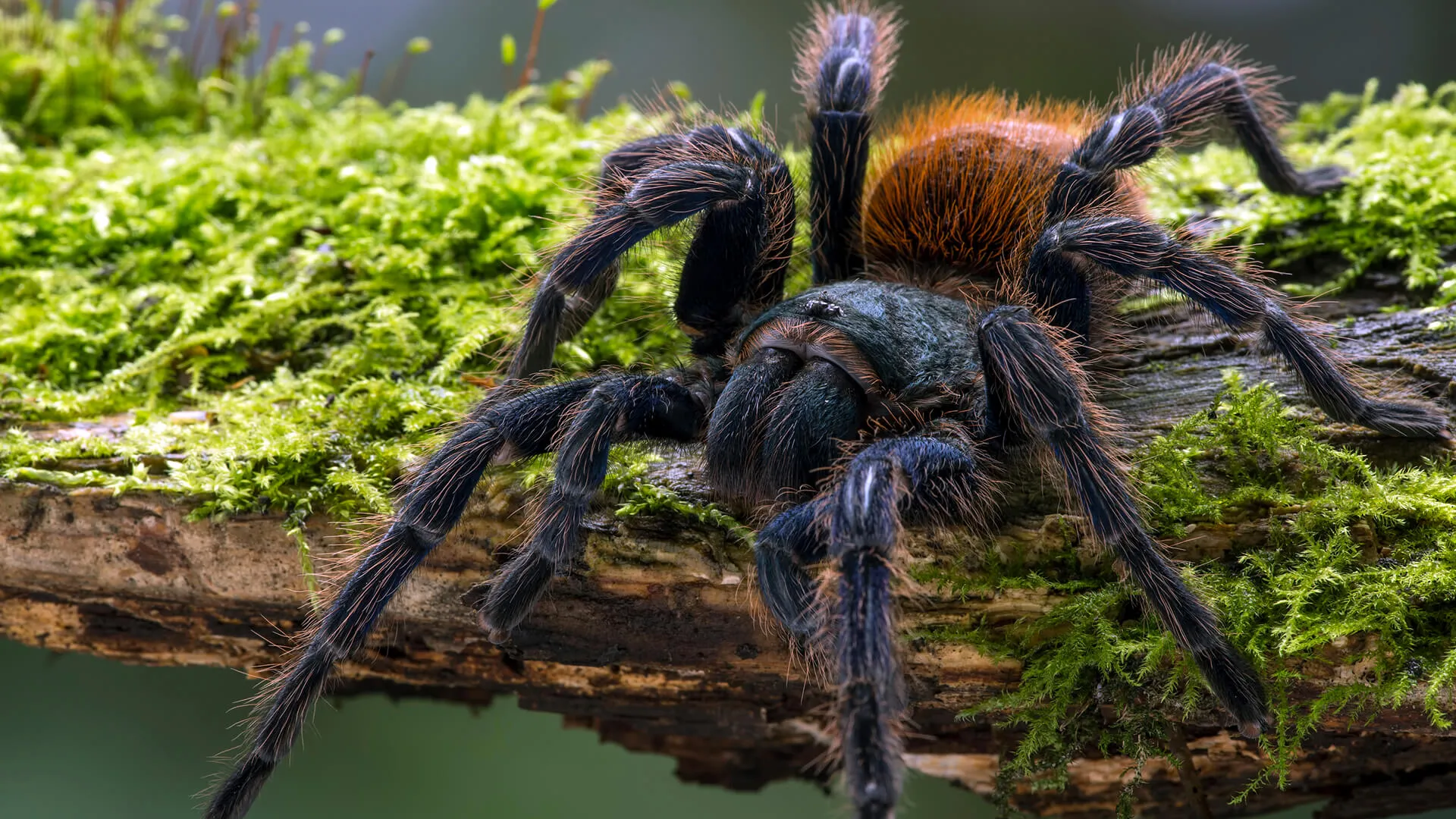
Tarantulas, with their mesmerizing appearance and intriguing behaviors, have captivated the hearts of many. These eight-legged wonders, often misunderstood, are increasingly popular as pets. This article delves into the captivating world of tarantula breeds, highlighting five of the most stunning species. We will explore their unique characteristics, care requirements, and what makes them stand out in the diverse tarantula family. Get ready to be amazed by the beauty and diversity of these fascinating creatures, and discover what it takes to care for them properly.
The Beauty of Tarantulas
Tarantulas are more than just spiders; they are living jewels. Their beauty lies in their varied sizes, vibrant colors, and unique patterns. From the iridescent blues of the Cobalt Blue Tarantula to the striking black and white markings of the Brazilian White Knee, each breed possesses its own distinctive charm. Beyond their appearance, their behaviors are equally captivating. Observing a tarantula hunt, molt, or simply explore its enclosure is a fascinating experience. The diverse beauty and intriguing behaviors of tarantulas make them a captivating subject of fascination and a rewarding pet for those who appreciate them.
Why Tarantula Breeds are So Diverse
The incredible diversity among tarantula breeds is a result of evolution and adaptation to different environments. These spiders have evolved over millions of years, adapting to a wide range of habitats, from tropical rainforests to arid deserts. This environmental pressure has led to the development of various physical traits, colors, sizes, and behaviors. Genetic variations within populations also play a crucial role, resulting in unique characteristics. Furthermore, tarantulas from different geographical locations can exhibit distinct traits even within the same species. The combination of these factors creates the rich diversity we see today. Understanding this diversity is key to appreciating the unique beauty and specific needs of each breed.
Top 5 Most Stunning Tarantula Breeds

Choosing the ‘most stunning’ is subjective, but these five tarantula breeds consistently rank among the favorites. Their striking colors, unique patterns, and intriguing behaviors make them popular choices for both experienced keepers and those new to the hobby. Each breed presents its own set of care requirements, so research is essential before acquiring one. These top five examples showcase the incredible diversity and beauty found within the tarantula family.
1. Gooty Sapphire Ornamental (Poecilotheria metallica)
The Gooty Sapphire Ornamental is renowned for its striking blue and black coloration, making it a true gem in the tarantula world. Native to India, this arboreal species is a sight to behold with its intricate patterns. It is known for its impressive size and the metallic sheen that gives it its name. While beautiful, this breed is also known for its potent venom and quickness, so it is recommended for experienced keepers. Its beauty is matched by its somewhat demanding care requirements, but for those ready for the challenge, the Gooty Sapphire Ornamental is a rewarding species to keep.
Characteristics of the Gooty Sapphire Ornamental
The Gooty Sapphire Ornamental boasts a mesmerizing color scheme, with a base of dark black or charcoal accented by bright blue markings on its legs and carapace. This contrast is what gives it its name. Adult females can reach a leg span of up to 8 inches, making them a substantial and impressive spider. They are arboreal, meaning they live primarily in trees, and require a tall enclosure to accommodate their climbing habits. They are also known for their speed and can be defensive, especially when threatened.
Caring for a Gooty Sapphire Ornamental

Caring for a Gooty Sapphire Ornamental involves providing a tall enclosure with plenty of vertical space and secure anchoring points for webbing. A substrate of coco fiber or a similar material is suitable. Maintaining a temperature between 75-85°F and a humidity level of 65-75% is crucial for their well-being. Feeding them appropriately sized insects, such as crickets or roaches, twice a week is generally sufficient. Due to their potent venom and defensive nature, handling should be avoided unless absolutely necessary. Experienced keepers are best suited for this breed.
2. Brazilian White Knee (Acanthoscurria geniculata)
The Brazilian White Knee is a large, terrestrial tarantula known for its impressive size and striking black and white leg markings. It is a popular choice among beginners and experienced keepers. Native to Brazil, this species is known for its voracious appetite and relatively docile temperament, making it a rewarding species to observe and care for. Its size and distinctive appearance make it a favorite in the hobby.
Characteristics of the Brazilian White Knee
Brazilian White Knee tarantulas feature a dark body with distinct white bands on their legs, giving them their common name. Adult females can reach a leg span of up to 8-9 inches, making them one of the larger tarantula species. They are terrestrial spiders and prefer to burrow, so a good depth of substrate is essential. They are generally docile but can kick urticating hairs as a defense mechanism. Their size and striking appearance make them a centerpiece in any collection.
Caring for a Brazilian White Knee

Caring for a Brazilian White Knee involves providing a terrestrial enclosure with a substrate depth of at least 4-6 inches to allow for burrowing. Coco fiber or peat moss-based substrates are ideal. Maintaining a temperature between 75-85°F and a humidity level of 60-70% is recommended. Feeding them a diet of appropriately sized insects, such as crickets or roaches, 2-3 times per week is usually sufficient. Avoid handling unless necessary, and always be mindful of the urticating hairs. These tarantulas are relatively easy to care for, making them a great choice for those new to tarantula keeping.
3. Cobalt Blue Tarantula (Cyaneopubescens)
The Cobalt Blue Tarantula is famous for its incredible metallic blue coloration. Native to Southeast Asia, this arboreal species is a visual treat. While its stunning appearance makes it highly sought after, it is also known to be defensive and fast, which is why it’s usually best suited for keepers with some experience. The Cobalt Blue Tarantula is a true gem for those who appreciate the beauty and uniqueness of the tarantula world.
Characteristics of the Cobalt Blue Tarantula
The Cobalt Blue Tarantula is renowned for its stunning, vibrant blue coloration, which is most prominent on its legs and carapace. The intensity of the blue can vary depending on the individual and the lighting. Adult females can reach a leg span of around 5 inches, making them a medium-sized tarantula. They are arboreal and require a tall enclosure with plenty of vertical climbing space. They are fast and can be defensive, so caution is advised when handling or approaching them.
Caring for a Cobalt Blue Tarantula

Caring for a Cobalt Blue Tarantula involves providing a tall enclosure with secure climbing decor, such as cork bark or branches. A substrate of coco fiber or a similar material is suitable. Maintaining a temperature between 75-85°F and a humidity level of 70-80% is essential. They should be fed appropriately sized insects, such as crickets or roaches, 2-3 times per week. Due to their speed and defensive nature, handling should be kept to a minimum. These tarantulas are best suited for experienced keepers.
4. Green Bottle Blue (Chromatopelma cyaneopubescens)
The Green Bottle Blue, with its remarkable color palette, is a stunning tarantula. Its striking appearance, combined with interesting behaviors, makes it a popular species for keepers. Native to Venezuela and Trinidad, this arboreal species is known for its vibrant blue legs, green carapace, and orange abdomen. It is a web-builder, constructing elaborate, beautiful webs within its enclosure. This tarantula offers a captivating display for any enthusiast.
Characteristics of the Green Bottle Blue
The Green Bottle Blue exhibits a striking combination of colors, with vibrant blue legs, a green carapace, and an orange abdomen, hence its name. The colors can intensify with age and maturity. Adult females can reach a leg span of up to 6 inches. They are known to be heavy webbers, creating intricate web structures within their enclosures. They are generally considered to be relatively docile but can still be defensive if threatened. Their beautiful appearance and interesting webbing behaviors make them highly desirable.
Caring for a Green Bottle Blue

Caring for a Green Bottle Blue involves providing an enclosure with plenty of ventilation and space for webbing. A substrate of coco fiber or a similar material is suitable. Maintaining a temperature between 75-85°F and a humidity level of 65-75% is recommended. Providing a hide, such as cork bark, is a good idea. They should be fed appropriately sized insects, such as crickets or roaches, 2-3 times per week. Handling is generally discouraged due to their delicate nature. The Green Bottle Blue is a rewarding species for its beauty and interesting behaviors.
5. Pinktoe Tarantulas (Avicularia genus)
Pinktoe Tarantulas, encompassing various species within the Avicularia genus, are known for their delicate beauty and gentle dispositions. Native to South America and the Caribbean, these arboreal tarantulas come in a variety of colors, with pink or orange tips on their toes being a common characteristic. Their manageable size and relatively docile nature make them a popular choice for beginner and intermediate keepers. They are beautiful, active, and generally easy to care for.
Characteristics of Pinktoe Tarantulas
Pinktoe Tarantulas are known for their delicate appearance, with pink or orange coloration on the tips of their legs. Their overall coloration can vary depending on the species, ranging from shades of green and brown to iridescent blues and purples. They are generally smaller than many other tarantula species, with a leg span typically ranging from 4 to 6 inches. They are arboreal, often building silken nests in the branches of trees or shrubs. Their gentle nature and striking appearance make them a favorite.
Caring for Pinktoe Tarantulas

Caring for Pinktoe Tarantulas involves providing a well-ventilated arboreal enclosure. A substrate of coco fiber or a similar material is suitable, along with a hide, such as a piece of cork bark. Maintaining a temperature between 75-80°F and a humidity level of 70-80% is recommended. They should be misted lightly with water a couple of times a week. Feeding them appropriately sized insects, such as crickets or fruit flies, 2-3 times per week is usually sufficient. These tarantulas are generally docile and can be observed without fear, making them a great choice for many keepers.
Conclusion
The world of tarantula breeds is full of stunning diversity, with each species offering unique characteristics and care requirements. From the vibrant Gooty Sapphire Ornamental to the gentle Pinktoe Tarantulas, there is a breed to captivate every enthusiast. Careful research and responsible pet ownership are essential for providing a healthy and fulfilling life for these amazing creatures. Exploring these top five stunning tarantula breeds provides a glimpse into the beauty and complexity of the tarantula world. If you are considering a tarantula, be sure to research the specific needs of the breed and create a suitable environment to ensure that your tarantula thrives. Remember to prioritize their well-being to enjoy the wonderful world of tarantula keeping.