Setting up a tarantula cage might seem daunting at first, but with the right information and a little preparation, you can create a thriving habitat for your eight-legged friend. This comprehensive guide will walk you through every step of the process, from selecting the right components to maintaining a healthy and secure environment. Whether you’re a beginner or looking to refine your tarantula keeping skills, this guide has you covered. Follow these simple instructions, and you’ll soon have a beautiful and safe home for your tarantula.
Essential Components for Your Tarantula Cage
Before you introduce your tarantula to its new home, you’ll need to gather the essential components for the enclosure. This includes the cage itself, substrate, hides, decorations, and equipment for monitoring temperature and humidity. The cage should be appropriately sized for the tarantula’s species and size, allowing enough space for movement and enrichment. Make sure the enclosure has a secure lid to prevent escapes. The substrate provides a natural environment for burrowing or roaming, while hides and decorations offer security and opportunities for natural behaviors. Maintaining the correct environmental conditions is essential for the health and well-being of your tarantula.
Substrate Selection for Tarantula
The substrate is the foundation of your tarantula’s habitat, providing both a place to burrow and maintain humidity. The right substrate is critical for your tarantula’s health and happiness. Different types of substrate offer varying properties in terms of moisture retention, burrowing capability, and aesthetics. Choose a substrate that matches your tarantula’s species and its natural habitat. Proper substrate management helps maintain the right humidity levels, provides a comfortable surface for walking, and can even aid in molting. Careful consideration of substrate selection can lead to a happy and healthy tarantula.
Choosing the Right Substrate Type

Several substrate options are available, each with its advantages. Popular choices include coconut fiber (coir), peat moss, vermiculite, and a mix of these. Coconut fiber is a great all-around choice, offering good moisture retention and being safe for tarantulas. Peat moss also retains moisture well but can sometimes be acidic, so monitor your tarantula. Vermiculite is another option, but can become dusty when dry. Avoid substrates like wood shavings or cedar, as these can be harmful. The best substrate often depends on the specific needs of your tarantula species. Research your species to determine the ideal substrate.
Substrate Depth and Moisture
The depth of the substrate should be appropriate for your tarantula species. Terrestrial tarantulas that burrow need several inches of substrate to create tunnels, while arboreal species may need less depth. The substrate should be kept slightly damp but not soggy. The amount of moisture will vary depending on the species and its needs. Mist the substrate periodically to maintain the desired humidity level. Overly wet substrate can lead to mold and mites, while overly dry substrate can make it difficult for the tarantula to molt. Regular monitoring and adjustments are necessary to maintain the correct moisture balance for your tarantula.
Providing Hides and Enrichment
Tarantulas are naturally secretive creatures and require hiding places to feel secure. Providing hides is essential for their well-being, as it reduces stress and allows them to retreat when they feel threatened or are about to molt. Enrichment in the form of decorations and other elements can also encourage natural behaviors, such as web-building and foraging. Adding these elements to the tarantula enclosure will make your pet feel safer and happier. These additions are crucial components of any well-designed tarantula enclosure.
Types of Hides Tarantulas Need

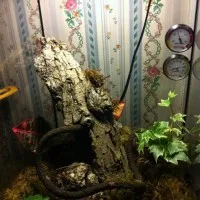
Several options make excellent hides for tarantulas. Cork bark is a natural and aesthetically pleasing choice. It offers crevices and areas for the tarantula to hide and is often used to create tunnels and burrows. Plastic or ceramic reptile hides also work well, providing a dark, sheltered space. You can also use artificial plants to provide cover and security. The hide should be large enough for the tarantula to comfortably fit inside. Multiple hides can be provided to give the tarantula more choices. Consider the size and habits of your tarantula species when selecting appropriate hides.
Adding Decorative Elements and Enrichment
Adding decorative elements to the tarantula cage can enrich the environment. Artificial plants, such as silk leaves, can provide extra cover and visual interest. Driftwood or other natural materials can also be added but should be thoroughly cleaned and sanitized before introducing them. Avoid using decorations with sharp edges or small parts that the tarantula could get stuck in. Enrichment can also include items like small climbing branches for arboreal species. Adding a variety of elements can encourage your tarantula to express its natural behaviors.
Temperature and Humidity Control
Maintaining the correct temperature and humidity levels is crucial for your tarantula’s health. Tarantulas are ectothermic, meaning they rely on their environment to regulate their body temperature. Humidity levels affect the tarantula’s ability to molt properly. Careful monitoring and adjustments are required to create the right conditions. Fluctuations in temperature and humidity can cause stress, health problems, and even death. Proper temperature and humidity control will give your tarantula the best chance of a long and healthy life.
Maintaining the Ideal Temperature
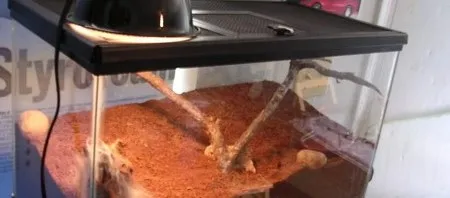
The ideal temperature range varies depending on the tarantula species. However, most species thrive in temperatures between 70-85°F (21-29°C). Research the specific requirements of your tarantula species and adjust the temperature accordingly. Using a thermometer is essential to monitor the temperature within the enclosure. Avoid placing the enclosure in direct sunlight or near a heat source that could cause overheating. If needed, you can use a heat lamp or heat mat, but always use a thermostat to regulate the temperature and prevent burns.
Understanding the Impact of Temperature
Temperature significantly affects a tarantula’s metabolism, activity level, and overall health. Too low temperatures can slow down the metabolism, making it difficult for the tarantula to digest food or molt properly. High temperatures can lead to dehydration and stress, potentially causing death. Regularly monitor the temperature and make adjustments as needed. If you notice any changes in your tarantula’s behavior or health, check the temperature immediately. A stable and appropriate temperature is vital for your tarantula’s well-being. Keep a close eye on the temperature of your tarantula’s habitat.
Managing Humidity Levels
Humidity is another critical factor in tarantula care, particularly for molting. The required humidity level varies depending on the species. Tropical species require higher humidity levels (70-80%), while desert species prefer lower humidity (50-60%). Using a hygrometer is essential for measuring humidity levels in the enclosure. This will allow you to maintain the correct balance. You can increase humidity by misting the substrate with water or providing a larger water dish. Decreasing humidity may involve increasing ventilation in the enclosure. The goal is to maintain a stable and appropriate humidity level.
Monitoring Humidity and Adjustments

Regular monitoring of the humidity level is crucial for maintaining a healthy environment for your tarantula. Use a hygrometer to track humidity, and mist the enclosure with water when the humidity drops below the required level. Monitor the substrate to ensure it is not too wet or too dry. Overly humid conditions can lead to mold growth and mites. While overly dry conditions can make molting more difficult. By observing the enclosure’s conditions, you can make informed decisions about adjustments. Consistent monitoring will help you maintain the ideal conditions for your tarantula. The goal is to make adjustments based on what you see.
Water and Feeding in the Tarantula Enclosure
Providing a clean water source and appropriate food is vital to a tarantula’s survival. Proper hydration and nutrition are essential for a tarantula’s growth, molting, and overall health. A lack of access to clean water or insufficient food can lead to dehydration, malnutrition, and serious health problems. This part of the guide will cover how to provide your tarantula with the necessary water and food. Your tarantula will thrive with the right care.
Providing a Water Source
All tarantulas require access to clean water. Providing a shallow water dish is the most common method. Make sure the water dish is appropriately sized and placed in a location where the tarantula can easily access it without the risk of falling in. Use a water dish that is difficult to tip over. Change the water regularly to prevent the growth of bacteria and keep the dish clean. Some keepers also use a water gel for smaller tarantulas or slings, but a shallow dish is generally preferred. Always provide your tarantula with fresh, clean water.
Choosing the Right Water Dish

When choosing a water dish, consider the size and species of your tarantula. A shallow dish is often best to avoid drowning hazards, especially for smaller tarantulas. Ceramic or plastic dishes are good choices because they are easy to clean. Avoid using dishes that are too deep or have steep sides. The water dish should be placed in a stable location within the enclosure to prevent spills. Ensure that the water dish is always clean and filled with fresh water. The right water dish will offer your tarantula a vital supply of water.
Feeding Your Tarantula
Tarantulas are primarily insectivores and need a diet of live insects. The size and type of insects you feed your tarantula will depend on its size and species. The best food sources include crickets, mealworms, roaches, and other insects. Always make sure the insects are free of pesticides and parasites. Feed your tarantula regularly, but adjust the feeding frequency based on its age and growth rate. It’s also important to remove any uneaten prey from the enclosure to prevent them from stressing your tarantula. A varied diet of healthy insects is necessary.
Selecting Appropriate Prey and Frequency
The size of the prey should be no larger than the tarantula’s abdomen. Overfeeding can be just as harmful as underfeeding, so it’s best to start with a smaller amount of food and adjust as needed. The frequency of feeding also depends on the tarantula’s age and growth. Slings (baby tarantulas) need to be fed more often than adults. Subadults should be fed roughly once or twice a week. Adults can be fed once or twice a week or even less frequently. Feed your tarantula at a time when it is most active, and remove any uneaten prey after 24 hours. Your tarantula will eat well and be healthy if you feed it the right prey.
Cleaning and Maintaining the Tarantula Cage

Regular cleaning and maintenance are essential for keeping your tarantula’s enclosure clean and healthy. This helps prevent the build-up of waste, mold, and bacteria, which can harm your tarantula. Proper cleaning also helps maintain the desired humidity and temperature levels. Cleaning the cage is an important part of tarantula care. Regular cleaning practices and thorough cage cleanings are essential to the well-being of your tarantula. This will provide a safe and clean environment for your pet.
Regular Cleaning Procedures
Regular cleaning involves spot cleaning and other essential tasks. Spot cleaning should be done as needed to remove any uneaten food, fecal matter, or other waste products. Check your tarantula’s cage daily for any signs of waste. You can use a pair of tongs or a small scoop to remove these items. Wipe down the inside of the enclosure if any condensation or residue builds up. Change the water in the water dish regularly and clean the dish to prevent the growth of algae or bacteria. These regular cleaning procedures are simple, yet effective.
Spot Cleaning vs Full Cage Cleaning
Spot cleaning is a routine practice, while full cage cleaning is done less frequently. Spot cleaning involves removing any visible waste or uneaten food. Full cage cleaning involves removing the substrate and cleaning all aspects of the enclosure. Both have a role to play. Spot cleaning is a necessary task to keep the enclosure clean. Full cleaning is more involved, but it will keep the environment fresh and healthy.
When to Do a Full Cage Clean

A full cage cleaning should be done when the substrate becomes soiled or contaminated or when there are signs of mold or mites. The frequency of full cage cleaning depends on various factors, including the species of tarantula, the size of the enclosure, and the type of substrate used. Generally, full cage cleaning is done every 6-12 months. When cleaning, carefully remove the tarantula (usually by placing it in a temporary container), discard the old substrate, clean the enclosure with a mild soap and water solution, and replace the substrate. Before you replace the substrate, ensure that all surfaces are dried.
Safety and Best Practices
When setting up and maintaining your tarantula enclosure, safety should be a top priority. Tarantulas are venomous, and although their venom is usually not life-threatening to humans, it can still cause discomfort. The following best practices and guidelines will help to ensure the safety of you and your tarantula. Always handle your tarantula with care, and follow these safety guidelines for the best results.
Safe Handling and Observation
Tarantulas are generally not aggressive but can bite if they feel threatened. Avoid handling your tarantula unless necessary, such as during cage cleaning or health checks. When handling, do so over a soft surface, such as a bed or a table covered with a towel, to minimize the risk of injury if the tarantula falls. Avoid sudden movements and handle the tarantula gently. Always wash your hands thoroughly after handling the tarantula or anything in its enclosure. Regular observation is key, so that you can monitor its overall health.
Avoiding Escape and Creating a Secure Habitat
Tarantulas are surprisingly good escape artists, so it’s important to create a secure habitat. The enclosure should have a tight-fitting lid. Inspect the enclosure regularly to ensure that there are no gaps or openings that the tarantula could squeeze through. When cleaning or maintaining the enclosure, do so in a secure area, such as a room with closed doors and windows. If your tarantula does escape, remain calm and search carefully. By taking these precautions, you can ensure the safety of your tarantula and the safety of your home. Make sure that your tarantula cage is secure.
Setting up a tarantula cage is a rewarding experience that allows you to observe and appreciate these fascinating creatures. By following these comprehensive guidelines, you can create a healthy and enriching environment for your tarantula. With the right setup, maintenance, and a bit of care, your tarantula will thrive. Remember, researching the specific needs of your tarantula species is key to success. Happy tarantula keeping!