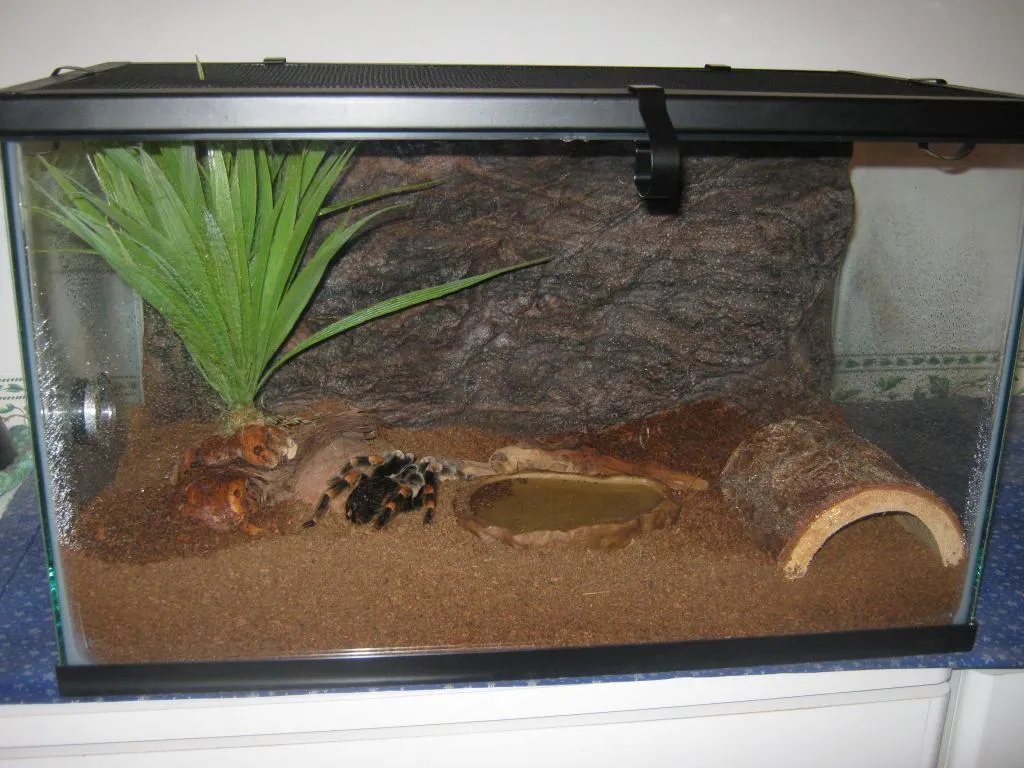
Setting up a tarantula cage is a crucial first step in responsible tarantula ownership. A well-designed habitat provides a safe, comfortable, and enriching environment for your eight-legged friend. This guide provides essential tips to help you create the perfect home for your tarantula. From choosing the right cage to maintaining optimal conditions, we will cover all the essentials to ensure your tarantula thrives. Proper setup not only ensures the well-being of your pet but also enhances your enjoyment of this fascinating creature. Let’s dive into the details of tarantula cage setup and learn how to create an ideal habitat for your pet tarantula.
Choosing the Right Tarantula Cage
Selecting the appropriate cage is the foundation of a healthy tarantula habitat. The right enclosure provides adequate space, proper ventilation, and security. Several factors should influence your decision, including the size and type of tarantula you intend to keep. Consider the material, design, and accessibility of the cage to ensure both your pet’s and your own ease of care. A well-chosen cage is a long-term investment in your tarantula’s well-being. The initial setup is crucial, and choosing wisely will save you time and potential complications down the road, setting the stage for a rewarding experience of tarantula keeping.
Size Matters Tarantula Cage Dimensions
Cage size directly impacts a tarantula’s comfort and ability to move around. The enclosure should be large enough for the tarantula to molt safely and explore its surroundings, but not so large that the tarantula feels overwhelmed or has difficulty finding food. A general guideline is to provide an enclosure that is at least twice the tarantula’s leg span in width and length, and at least one and a half times its leg span in height. Keep in mind that terrestrial tarantulas require more floor space, while arboreal species need more height. Always choose a cage that accommodates the adult size of your tarantula, and upgrade as your pet grows. Using an appropriately sized cage makes your tarantula happy and facilitates easy maintenance.
Consider the Species Cage Requirements

Different tarantula species have varying habitat needs. Researching the specific requirements of your tarantula is essential before setting up its cage. Terrestrial tarantulas, like the Chilean Rose Hair, generally prefer more floor space and a shallow substrate. Arboreal species, such as the Pinktoe Tarantula, need more vertical space and elements for climbing. Burrowing species, like the Mexican Red Knee, need deep substrate to create burrows. Research their natural environment, temperature, and humidity needs. Understanding these species-specific requirements will allow you to create an optimal environment. Ignoring these nuances will be detrimental to the tarantula’s well-being, so thorough research is time well spent.
Glass, Acrylic, or Plastic Cage Material
The material of your tarantula cage impacts its functionality and appearance. Glass enclosures offer excellent visibility and are relatively easy to clean. Acrylic enclosures are lightweight, shatter-resistant, and provide good insulation. Plastic enclosures are typically more affordable and can be readily found. Each material has its pros and cons. Glass can be heavy and may require more careful handling. Acrylic can scratch easily, while plastic might not always offer the same clarity as glass. Consider factors such as durability, aesthetics, and ease of maintenance when making your choice. The material should be non-toxic, offer good ventilation, and provide a secure environment for your tarantula.
Essential Cage Accessories
Beyond the cage itself, certain accessories are vital for creating a suitable tarantula habitat. These accessories help maintain the correct environment for your pet. They contribute to the tarantula’s overall health and well-being, replicating conditions found in their natural habitat. Careful selection and proper placement of these accessories will ensure that your tarantula thrives in its new home. These items are more than just decorative; they serve important functions, such as providing places to hide and retaining moisture. Properly chosen accessories complete the tarantula’s habitat.
Substrate Selection The Best Choices
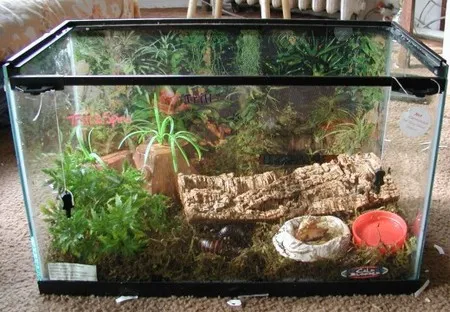
Substrate serves as the flooring of your tarantula’s enclosure, and it performs several important functions. It provides a base for the tarantula to walk on, allows the tarantula to burrow, and helps regulate humidity. The ideal substrate is absorbent, holds moisture, and is non-toxic. Popular choices include coconut fiber (eco earth), peat moss, and a mix of these with other materials. Avoid using substrates that are too dusty, which can cause respiratory problems, or that contain harmful chemicals. The depth of the substrate depends on the species of tarantula, but generally, it should be deep enough to allow for burrowing if your tarantula is a burrowing species. Proper substrate keeps the tarantula comfortable, and helps with molting.
Water Dish Essentials Providing Hydration
A clean and accessible water dish is essential for your tarantula’s health. Tarantulas need a constant source of fresh water to stay hydrated. The water dish should be shallow enough to prevent drowning but accessible for the tarantula. Choose a dish that is stable and won’t tip over easily. Ceramic dishes are a good option, as they are easy to clean and provide stability. Ensure the water is always fresh and clean, replacing it daily or as needed. The size of the dish should be appropriate for the size of the tarantula. Water quality and availability is directly correlated to a happy and healthy tarantula.
Hiding Places Creating a Comfortable Environment
Providing hiding places is crucial for reducing stress and allowing your tarantula to feel secure. Tarantulas are naturally secretive creatures and need a place to retreat. Cork bark, half logs, and artificial hides are excellent choices. Place the hide in a secure location, away from direct light or high-traffic areas in the enclosure. The hide should be large enough for the tarantula to comfortably fit inside. Regularly check the hide for molted skins or other debris and clean as needed. A comfortable hiding place reduces stress and enhances the overall well-being of your pet, allowing it to feel safe in its enclosure. Using a hiding place will make the tarantula more likely to be seen, and more likely to eat.
Temperature and Humidity Maintaining Optimal Conditions
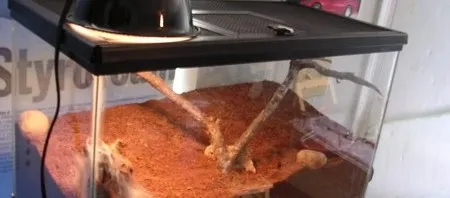
Temperature and humidity are key environmental factors in tarantula care. Maintaining the correct levels is vital for your tarantula’s health, appetite, and molting process. These two aspects are closely linked and need careful monitoring. Many species thrive in specific temperature ranges, usually between 70-85°F (21-29°C). Humidity levels also vary depending on the species. Research the ideal conditions for your specific tarantula. Use appropriate methods to monitor and adjust temperature and humidity to create an optimal environment for your pet. Consistent and accurate conditions are important for the long-term health of your tarantula.
Monitoring Temperature Using Thermometers
Accurate temperature monitoring is essential for ensuring your tarantula’s well-being. Use a reliable thermometer to measure the temperature within the enclosure. Digital thermometers are generally more accurate than analog thermometers. Place the thermometer in the enclosure in a position where it is easy to read without disturbing the tarantula. Check the temperature regularly, ideally daily, to make sure it is within the appropriate range for your tarantula species. Observe any fluctuations in temperature and make adjustments, such as using a heating pad or adjusting the room temperature. Accurate temperature data is key to creating a stable and healthy environment.
Controlling Humidity Proper Ventilation
Controlling humidity is just as important as monitoring temperature. Humidity levels affect the tarantula’s molting process and overall health. Proper ventilation helps regulate humidity by allowing air circulation. The amount of ventilation needed depends on the species; some require higher humidity and less ventilation, while others thrive with lower humidity and more air circulation. Use a hygrometer to measure humidity levels accurately. Adjust humidity by misting the enclosure with water, providing a water dish, or adjusting ventilation. It’s important to strike a balance between maintaining adequate humidity and preventing mold growth. The goal is to maintain a consistent environment that meets the specific requirements of your tarantula species.
Lighting Requirements Natural vs Artificial

Tarantulas do not require special lighting. In fact, they are nocturnal creatures that are most active at night. Avoid placing the cage in direct sunlight, as this can overheat the enclosure and stress the tarantula. Normal room lighting is usually sufficient. If you choose to use artificial lighting, opt for low-wattage bulbs or LEDs to avoid overheating. Ensure that the light cycle mimics natural daylight and nighttime patterns. Always consider the stress levels of the tarantula. They don’t need a special kind of light, and bright, strong lighting is often best avoided. The primary goal is a healthy and balanced light environment.
Cage Maintenance and Cleaning
Regular cleaning and maintenance are vital for maintaining a healthy and hygienic environment for your tarantula. The frequency and methods of cleaning depend on the species of tarantula, as well as the size of the enclosure. Maintaining cleanliness reduces the risk of disease and improves the tarantula’s overall well-being. Cleaning and maintenance tasks will also help you notice any health problems early on. Proper cleaning also removes waste, mold, and excess food, keeping the enclosure as clean as possible. The more attention you give to cleaning, the better the results will be.
Spot Cleaning Daily and Weekly Tasks
Daily and weekly spot cleaning is essential to keep the enclosure clean and prevent the build-up of waste and uneaten food. Each day, remove any uneaten prey items or fecal matter. Inspect the water dish and refill it with fresh water. Weekly, inspect the enclosure for any mold or excessive moisture. Remove any old molts. The degree of needed spot cleaning depends on the size of the tarantula, the type of substrate used, and the overall humidity of the enclosure. Using tongs or long tweezers helps to reduce the risk of accidentally disturbing the tarantula. With proper spot cleaning, you will keep the enclosure a clean and healthy home for your pet.
Full Cage Cleaning Frequency and Methods

Full cage cleaning should be performed less frequently than spot cleaning, usually every few months or when the substrate becomes soiled. To clean the cage, carefully remove the tarantula and place it in a secure container. Remove all substrate and discard it. Clean the enclosure with warm water and a mild, pet-safe disinfectant. Rinse thoroughly to remove any traces of the disinfectant. Allow the enclosure to dry completely before adding fresh substrate and reintroducing the tarantula. During the cleaning process, be extra careful to avoid disturbing your tarantula or contaminating the environment. Complete cleaning gives the tarantula a fresh and healthy environment.
Safety Precautions Handling Chemicals
When cleaning the tarantula’s enclosure, it is essential to use pet-safe cleaning products. Never use harsh chemicals or detergents, as these can be toxic to your tarantula. Always rinse the enclosure thoroughly after cleaning to remove any residue. Use gloves and a mask when cleaning to protect yourself from potential allergens or irritants. Ensure proper ventilation in the area while cleaning. Avoid directly spraying any cleaning products near the tarantula or in the enclosure. Handle all cleaning products and equipment with care. Your safety and the safety of your pet should be the most important aspects of the cleaning process.
In conclusion, creating the perfect tarantula cage involves careful planning, research, and dedication. By following these essential tips, you can provide a safe, comfortable, and enriching environment for your tarantula. Remember to consider the specific needs of your tarantula species, provide appropriate accessories, and maintain proper temperature, humidity, and hygiene. A well-maintained tarantula cage is not only essential for your pet’s health and well-being but also enhances your enjoyment of this fascinating hobby. With the right setup and ongoing care, you can enjoy the unique experience of tarantula keeping. Your diligence in these aspects will create a happy and healthy environment for your pet, leading to many years of enjoyment.