Finding the perfect tarantula cage in South Africa is crucial for your pet’s health and well-being. A well-chosen enclosure provides a safe, comfortable, and enriching environment, allowing your tarantula to thrive. This guide provides everything you need to know about selecting the ideal tarantula cage in South Africa, from understanding the essential factors to considering specific cage models available in the market.
Tarantula Cages in South Africa What to Consider
When choosing a tarantula cage, several factors come into play. These elements significantly impact the well-being of your arachnid companion. Considering these aspects upfront ensures a healthy and happy tarantula. Proper ventilation is a key aspect of a tarantula’s habitat, as is the size of the enclosure. Also, the ease of maintenance, and the type of materials used are all important factors. This section aims to assist you in making informed decisions, ensuring you choose the perfect home for your tarantula.
Size Matters Choosing the Right Cage
The size of the cage is arguably the most critical factor. It directly affects your tarantula’s ability to move, hunt, and behave naturally. A cage that’s too small can restrict movement and cause stress, while one that’s too large can make it difficult for the tarantula to find food. The dimensions of the cage must correlate with the species, size, and age of your tarantula. The overall size also influences the type of furnishings, such as substrate, water dishes, and hides, that you can include. A good rule of thumb is to provide a cage that is at least twice the tarantula’s leg span in width and length, and the height should be enough to prevent the tarantula from climbing and potentially injuring itself if it falls.
Cage Size for Spider Species

Different tarantula species have different requirements, so the cage size must be tailored to their specific needs. For instance, arboreal species (those that live in trees) need taller enclosures to accommodate their climbing behavior. Terrestrial species (those that live on the ground) require more floor space for roaming. Small, juvenile tarantulas can start in smaller containers, but they will need to be upgraded as they grow. Always research the specific requirements of your tarantula species to ensure you provide the right amount of space.
Ventilation Importance for Tarantula Health
Proper ventilation is critical to prevent mold growth and maintain the ideal humidity levels. Inadequate airflow can lead to respiratory problems and other health issues for your tarantula. The cage needs to allow for a good exchange of air, allowing the enclosure to have fresh air. Ventilation also helps regulate the temperature, which helps to ensure the correct conditions for your tarantula. Well-ventilated enclosures create a healthier environment, which is essential for your tarantula’s well-being. Ensure the ventilation is sufficient but not so strong that it dries out the enclosure excessively.
Ventilation Systems
Various ventilation systems are available, including mesh tops, side vents, and strategically placed holes. Mesh tops are commonly used and provide excellent airflow, but the mesh size must be small enough to prevent escape. Side vents can also be effective, as they create a natural airflow through the enclosure. The design of the ventilation system should be a primary consideration. The system you choose should balance airflow with security, as escape is a real possibility. Always ensure that the ventilation is appropriate for your tarantula’s species and the humidity levels required for its survival.
Materials: Glass, Acrylic or Plastic

The choice of material affects the appearance, durability, and practicality of the cage. Glass, acrylic, and plastic are the most common materials, each with its own advantages and disadvantages. Consider factors such as visibility, ease of cleaning, and the tarantula’s safety when selecting the right material. The material also influences the temperature and humidity control. Selecting the best material will contribute to an enjoyable experience for both you and your tarantula.
Glass Terrariums
Glass terrariums offer excellent visibility, allowing you to observe your tarantula. They are also relatively easy to clean and maintain. Glass is a non-porous material, which prevents odors and bacteria build-up. However, glass can be heavy and prone to breakage if not handled carefully. It does not insulate as well as other materials, which can make temperature and humidity control more challenging. Ensure the glass is tempered for safety and the enclosure is designed to withstand the weight of the substrate and other features.
Acrylic Enclosures
Acrylic enclosures are lightweight, durable, and offer excellent visibility, like glass. They are also excellent insulators, helping to maintain stable temperatures and humidity levels. Acrylic is less prone to breakage than glass and resists scratching. However, acrylic can be more expensive than other materials and may scratch more easily. When cleaning, avoid harsh chemicals or abrasive materials that could damage the surface. The advantages of acrylic are ideal for creating a suitable home for your tarantula.
Plastic Options

Plastic enclosures are often the most affordable option. They are lightweight, durable, and easy to clean. However, the visibility can be less clear than glass or acrylic, and the material can stain or warp over time. Ensure the plastic is non-toxic and safe for your tarantula. Plastic enclosures are often a good option for juvenile tarantulas due to their affordability, but they may not be as aesthetically pleasing as glass or acrylic. The best approach is to weigh the pros and cons to decide on the best approach.
Essential Features: What to Look For
Besides the basic structure of the cage, certain features are critical to provide a safe and comfortable habitat. These features include secure lids, easy access for feeding and cleaning, and appropriate substrate depth. Paying attention to these details will make a massive difference in your tarantula’s life and also make your life easier. Understanding these details will go a long way to make your tarantula care a success.
Secure Lids and Locks
A secure lid is essential to prevent escape. Tarantulas are masters of escape, and a loose lid is a serious risk. Choose a cage with a tight-fitting lid that has a secure locking mechanism. The locking mechanism will prevent accidental openings. Check the lid regularly to ensure it is securely fastened. This also prevents other pets or children from accessing the tarantula. Consider a lid design that allows for easy access for feeding and maintenance but is also difficult for the tarantula to manipulate.
Easy Access for Feeding and Cleaning

The cage should be designed for ease of feeding and cleaning. A lid that opens fully or has a feeding door can make the feeding process more convenient. Easy access makes it easier to remove waste, uneaten food, and old substrate. The design of the cage should allow you to quickly clean without disrupting the habitat too much. Consider cages with removable components or easy-to-reach areas to simplify maintenance. This helps you maintain the cleanliness and hygiene of the enclosure. Proper care is essential.
Substrate Depth and Type
The substrate is the bedding material that lines the bottom of the cage. The depth and type of substrate vary depending on the species and the type of tarantula. Terrestrial tarantulas usually need a deeper substrate for burrowing, while arboreal species may require a shallower layer. The substrate should be able to hold moisture and maintain humidity levels. The substrate also needs to provide the right texture to allow the tarantula to move safely. Commonly used substrates include coconut fiber, peat moss, and vermiculite. Always research the specific requirements of your species to ensure the substrate is appropriate.
Top 5 Tarantula Cages in South Africa
Here are five popular tarantula cages available in South Africa. These are based on their features, durability, and overall suitability for tarantulas. Remember to select a cage that matches the specific requirements of your tarantula species. These cages are known for their quality and are readily available for purchase.
Cage 1 Features and Benefits

This cage is designed with a clear acrylic enclosure, providing excellent visibility and is great for viewing. It features a secure locking lid, preventing escape and ensuring the safety of the tarantula. The cage is well-ventilated with strategically placed vents. It also has a removable substrate tray for easy cleaning and maintenance. The cage’s size is ideal for medium-sized terrestrial tarantulas, making it a versatile choice.
Cage 2 Features and Benefits
This cage uses a glass terrarium with a screen top for superior ventilation. The screen allows for proper airflow. The design includes a front-opening door, making it easy to access the enclosure for feeding and cleaning. It offers a sturdy and durable construction. The dimensions are well-suited for arboreal species, providing ample vertical space. The glass construction provides a premium look. The simplicity is an appealing feature.
Cage 3 Features and Benefits
This cage is an affordable plastic enclosure. It features a secure snap-lock lid. It has pre-drilled ventilation holes. The plastic construction is lightweight, making it easy to handle and set up. The cage is best suited for juvenile tarantulas or smaller species. The basic design still provides the necessary features.
Cage 4 Features and Benefits

This cage is made with a durable acrylic construction. It has a sliding front door for easy access. The design includes built-in feeding and watering areas. It has a secure locking mechanism and excellent ventilation. This cage is perfect for medium-sized tarantulas that like a more luxurious habitat. The features provide a good living space.
Cage 5 Features and Benefits
This cage is a modular design with multiple compartments. It offers flexibility in housing different tarantula species or life stages. The construction is made with durable plastic or acrylic. It features individual ventilation and access points for each compartment. The design is excellent for breeders. It offers a convenient solution to managing multiple tarantulas. The innovative design sets it apart from other options.
Setting Up Your Tarantula Cage
Setting up a tarantula cage correctly is crucial for providing a healthy and comfortable environment. The process involves selecting the right substrate, adding hides and decorations, and ensuring that the humidity and temperature are appropriate. You can replicate the natural habitat of your tarantula. A well-set-up cage will encourage your tarantula to thrive. Make sure the enclosure is ready before you introduce the tarantula to its new home.
Choosing the Right Substrate
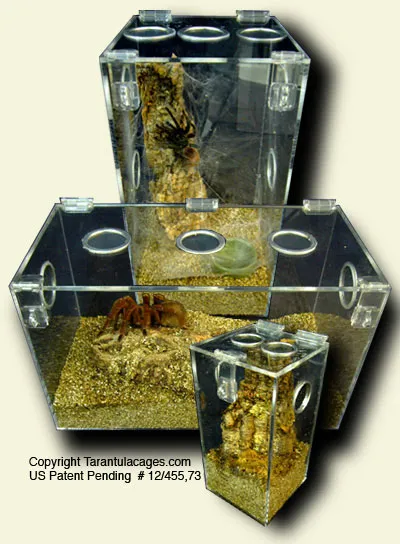
The substrate is the foundation of the habitat. The ideal substrate for your tarantula depends on its species and habitat needs. Coconut fiber is a popular choice because it retains moisture well and is readily available. Peat moss is another good option that also retains humidity. Some species may benefit from a mix of substrates to create a natural environment. Ensure the substrate is clean, free of pesticides, and appropriate for your tarantula’s specific needs. Providing the correct substrate enhances the quality of your tarantula’s environment.
Adding Hides and Decorations
Tarantulas are secretive creatures and appreciate having places to hide. Provide hides, such as cork bark, half logs, or artificial plants. These provide a sense of security and can help reduce stress. Other decorations such as rocks, branches, or artificial plants can also enhance the aesthetic appeal of the cage. Arrange the decorations in a way that allows your tarantula to move freely and create a natural-looking environment. Adding suitable decor enhances the overall appeal.
Maintaining Your Tarantula Cage
Regular maintenance is essential to keep your tarantula’s habitat clean and healthy. This includes regular cleaning, spot checks, and monitoring humidity and temperature. A well-maintained cage helps prevent the build-up of harmful bacteria and odors. It provides an environment that will help keep your tarantula healthy and happy. It also makes the cage a more enjoyable addition to your home. A good maintenance plan is essential for the health of your pet.
Regular Cleaning and Spot Checks
Perform spot checks and remove uneaten food, dead insects, and fecal matter regularly. This prevents mold growth and keeps the habitat clean. Clean the water dish and refill it with fresh water at least once a week. The frequency of cleaning depends on the size and species of your tarantula, as well as the rate of waste accumulation. A thorough cleaning, including replacing the substrate, is needed periodically. By doing regular cleaning, you can help ensure a healthy environment for your tarantula.
Humidity and Temperature Control
Monitoring and controlling humidity and temperature are critical for your tarantula’s health. Use a hygrometer and thermometer to track these levels. The ideal humidity and temperature vary depending on the tarantula species. Adjust the humidity by misting the enclosure with water. Improve ventilation, or add a water dish. Use a heat source, such as a heat mat, to maintain the proper temperature, if needed. Always research the specific requirements of your tarantula species. Ensure that their needs are met.
Choosing the right tarantula cage in South Africa is a rewarding experience. By considering factors like size, ventilation, and materials, you can create a perfect home for your tarantula. When combined with the right setup and maintenance, your tarantula will flourish in its new environment. Taking the time to select the right cage ensures your tarantula’s health and happiness for many years to come.