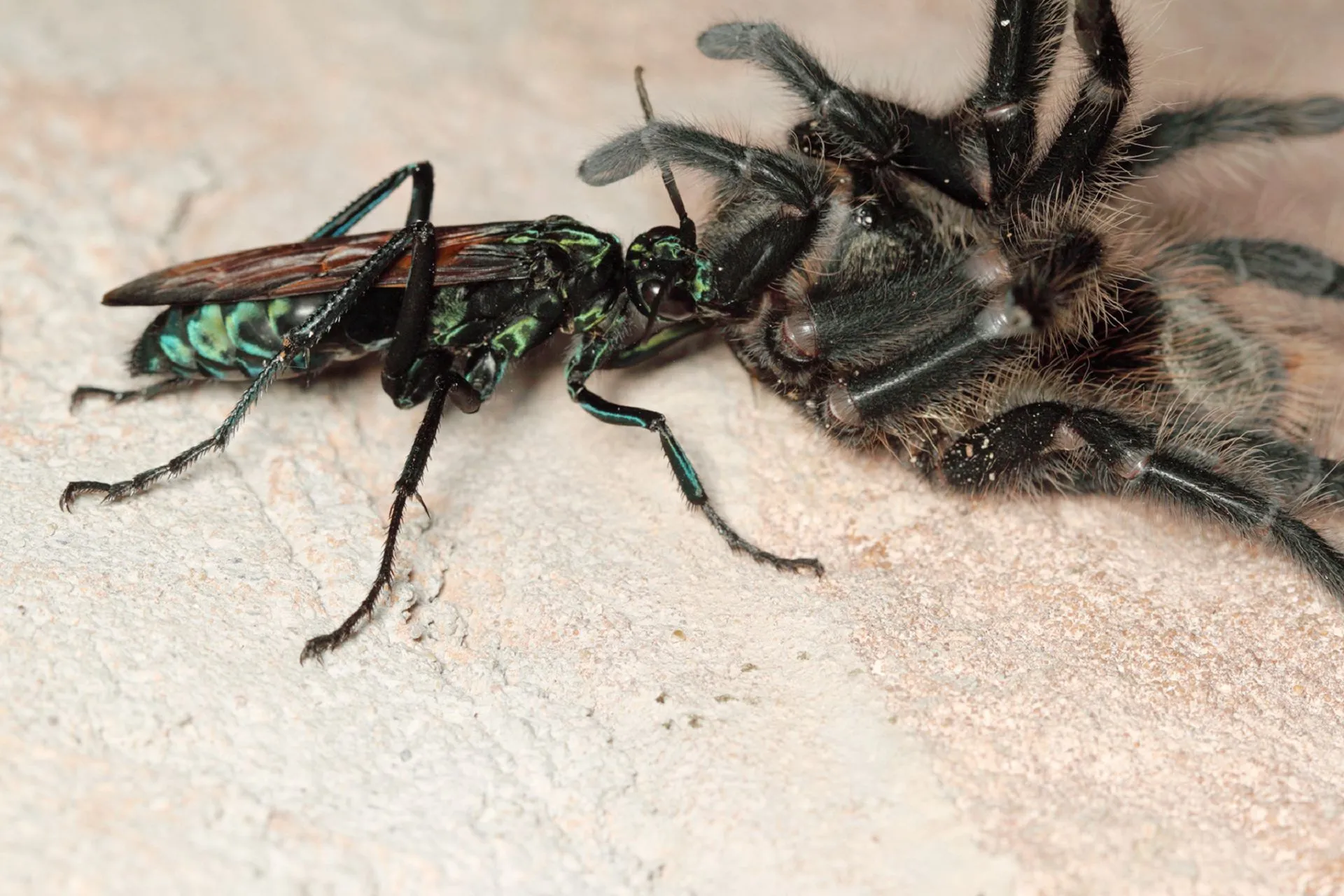
What is a Tarantula
Tarantulas are fascinating creatures, and they make surprisingly rewarding pets for those who are prepared to care for them properly. These large, hairy spiders belong to the Theraphosidae family, and they are found in various habitats around the world, from tropical rainforests to deserts. They are generally docile and slow-moving, which makes them relatively easy to handle and observe, provided you take the necessary precautions. Understanding the basics of tarantula care, including their habitat, diet, and handling, is essential for ensuring your pet’s health and longevity.
Common Tarantula Species
When starting out, some tarantula species are better suited for beginners than others. The Chilean Rose Hair tarantula (Grammostola rosea) is one of the most popular choices due to its docile nature and relatively low care requirements. Other beginner-friendly species include the Pinktoe tarantula (Avicularia avicularia), known for its arboreal lifestyle and vibrant colors, and the Mexican Red Knee tarantula (Brachypelma hamorii), which is known for its striking appearance. Researching the specific needs of any species is a must before bringing one home, as care requirements can vary widely.
Choosing the Right Tarantula

Selecting a healthy tarantula is crucial. Look for a spider that is active and alert. Avoid any tarantulas that appear lethargic, have a shrunken abdomen, or have any visible injuries. Inspect the enclosure for any signs of mites or other pests. When buying, consider the spider’s size, age, and temperament. Younger tarantulas, or slings, are more delicate and may require more specialized care. Older tarantulas may be more set in their ways, but they offer a more established personality. Always source your tarantula from a reputable breeder or pet store to ensure you receive a healthy specimen and accurate information about its care.
Tarantula Housing Setup
Creating a suitable habitat is paramount to your tarantula’s well-being. The enclosure should mimic the spider’s natural environment as closely as possible, providing a secure and comfortable home. The size and type of enclosure, substrate, decor, and environmental controls will all affect your tarantula’s health and behavior. A well-designed enclosure not only supports the spider’s physical health but also allows you to observe its fascinating behavior.
Enclosure Size and Type
The size of the enclosure should be appropriate for the tarantula’s size. As a general rule, the enclosure should be at least twice the spider’s leg span in width and length. For arboreal species, height is also an important factor. Glass terrariums or plastic enclosures with secure lids are the best options. Ensure the enclosure is well-ventilated to prevent the buildup of excessive humidity, which can lead to mold growth. The lid should be secure to prevent escapes, and the enclosure should be placed in a location away from direct sunlight and drafts.
Substrate and Decor

The substrate serves as the flooring for the tarantula’s enclosure and plays a role in maintaining humidity. Suitable substrates include peat moss, coconut fiber, or a mixture of both. The substrate should be deep enough for the tarantula to burrow, if it’s a burrowing species. Decorate the enclosure with hides, such as cork bark or artificial plants, to provide the tarantula with places to retreat and feel secure. Ensure that any decor is non-toxic and securely placed to prevent injury to the spider. Avoid using loose items that could potentially trap or injure the tarantula.
Temperature and Humidity
Maintaining the correct temperature and humidity levels is crucial for a tarantula’s health. Most tarantulas thrive in temperatures between 75-85°F (24-29°C). Use a heat source, such as an under-tank heater or a ceramic heat emitter, if necessary, to maintain the appropriate temperature. Humidity levels vary depending on the species, but most tarantulas require humidity levels between 60-80%. Monitor the humidity using a hygrometer and mist the enclosure with water as needed to maintain the appropriate level. Avoid placing the enclosure near heat sources or direct sunlight.
Tarantula Feeding and Water
Proper nutrition and hydration are essential for your tarantula’s survival and growth. Tarantulas are carnivorous and primarily eat insects. Providing a balanced diet and fresh water will ensure your pet’s well-being. It is important to be familiar with what to feed your tarantula and how often. Furthermore, water is a critical part of tarantula’s daily routine.
Feeding Frequency and Prey

The feeding frequency for tarantulas varies depending on their age and species. Younger tarantulas, or slings, need to be fed more frequently than adults, usually every few days. Adults can be fed once or twice a week. The size of the prey should be appropriate for the tarantula’s size; the prey should be no larger than the tarantula’s body. Suitable prey items include crickets, mealworms, roaches, and other insects. Always gut-load the insects with nutritious food before feeding them to your tarantula to ensure they receive a balanced diet. Remove any uneaten prey within 24 hours to prevent stress and potential harm to the tarantula.
Watering and Hydration
Tarantulas need access to fresh water at all times. Provide a shallow water dish with fresh, clean water. Ensure the water dish is shallow enough to prevent the tarantula from drowning. Some tarantulas, particularly arboreal species, may prefer to drink droplets of water from the sides of their enclosure. Mist the enclosure regularly to provide additional hydration. Regularly check and refill the water dish and clean the water dish to prevent the build-up of bacteria or algae.
Tarantula Handling and Safety
Handling tarantulas should be approached with caution and respect. While most tarantulas are not aggressive, they can bite if they feel threatened. Furthermore, their hairs can cause irritation. Always prioritize the safety of both yourself and the spider. Understanding the safe handling practices and the potential reactions to bites is important for every tarantula owner.
Safe Handling Practices

Handling tarantulas is often unnecessary and can stress the animal. If you choose to handle your tarantula, do so with care. Approach the tarantula calmly and gently. Avoid sudden movements and loud noises. Allow the tarantula to walk onto your hand rather than grabbing it. Always handle the tarantula over a soft surface, such as a bed or a carpet, in case it falls. Never handle the tarantula if it is molting, as it will be particularly vulnerable. Always wash your hands before and after handling your tarantula.
Avoiding Bites and Reactions
While tarantula bites are rarely life-threatening to humans, they can be painful. Tarantulas inject venom, which can cause localized pain, swelling, and redness. Avoid handling your tarantula if it appears agitated or threatened. If you are bitten, remain calm, clean the wound with soap and water, and seek medical attention if the symptoms are severe or if you experience any allergic reactions. Some tarantulas also have urticating hairs, which they can flick off their abdomen as a defense mechanism. These hairs can cause skin irritation, itching, and respiratory issues. Avoid contact with these hairs by being cautious during handling and cleaning the enclosure.
Tarantula Health and Maintenance
Maintaining a healthy environment and being able to identify common health issues are key to a long-lived tarantula. Regular observation, cleaning, and maintenance are crucial for the well-being of your pet. Providing a clean and stable environment will help prevent any diseases and help your pet thrive.
Identifying Common Health Issues

Regularly observe your tarantula for any signs of illness. Common health issues include parasites, such as mites, which can be identified by small, moving dots on the spider’s body or in its enclosure. Other signs of illness include lethargy, loss of appetite, and difficulty molting. If you notice any of these symptoms, consult with a veterinarian experienced in exotic animals or a knowledgeable tarantula breeder. Maintaining a clean environment is the best way to prevent many common health issues.
Cleaning and Enclosure Maintenance
Regular cleaning of the enclosure is essential for preventing the buildup of bacteria, mold, and other harmful substances. Spot clean the enclosure by removing any uneaten food, feces, or dead insects daily. Replace the substrate periodically, depending on the type of substrate and the species. Thoroughly clean and disinfect the enclosure every few months. Use a reptile-safe disinfectant and rinse the enclosure thoroughly before returning the tarantula to its habitat. Always wash your hands thoroughly before and after cleaning the enclosure.
Tarantula Breeding
Breeding tarantulas is a fascinating but complex process, and it is not recommended for beginners. It requires a thorough understanding of tarantula behavior, sexing, and environmental conditions. However, understanding the basics of the breeding process can enhance your appreciation for these amazing creatures.
Sexing Tarantulas

Sexing tarantulas is essential before breeding. The most reliable method is to examine the exuvia (molted skin) of the spider. Males have a modified first pair of legs with hooks, and females have a spermatheca (a receptacle for storing sperm) on the underside of their abdomen. The easier way is to look at the exuvia, where you can see the sex organs of a spider.
Breeding Process
Breeding tarantulas involves carefully introducing a mature male and female. The process is often initiated by increasing the humidity and temperature of the enclosure. If the female is receptive, the male will deposit sperm into her spermatheca. After mating, the female will typically lay an egg sac containing hundreds of eggs. The female will guard the egg sac for several weeks until the spiderlings hatch. Raising spiderlings requires specific care, including providing them with small prey items and a suitable environment.
Conclusion
Caring for a tarantula can be a rewarding experience for those who are prepared to dedicate time and effort to their care. By understanding their needs, providing a suitable habitat, and handling them with respect, you can enjoy these fascinating creatures for many years to come. Remember to always research the specific needs of the species you choose and to source your tarantula from a reputable breeder. With proper care, your tarantula can become a unique and interesting pet.