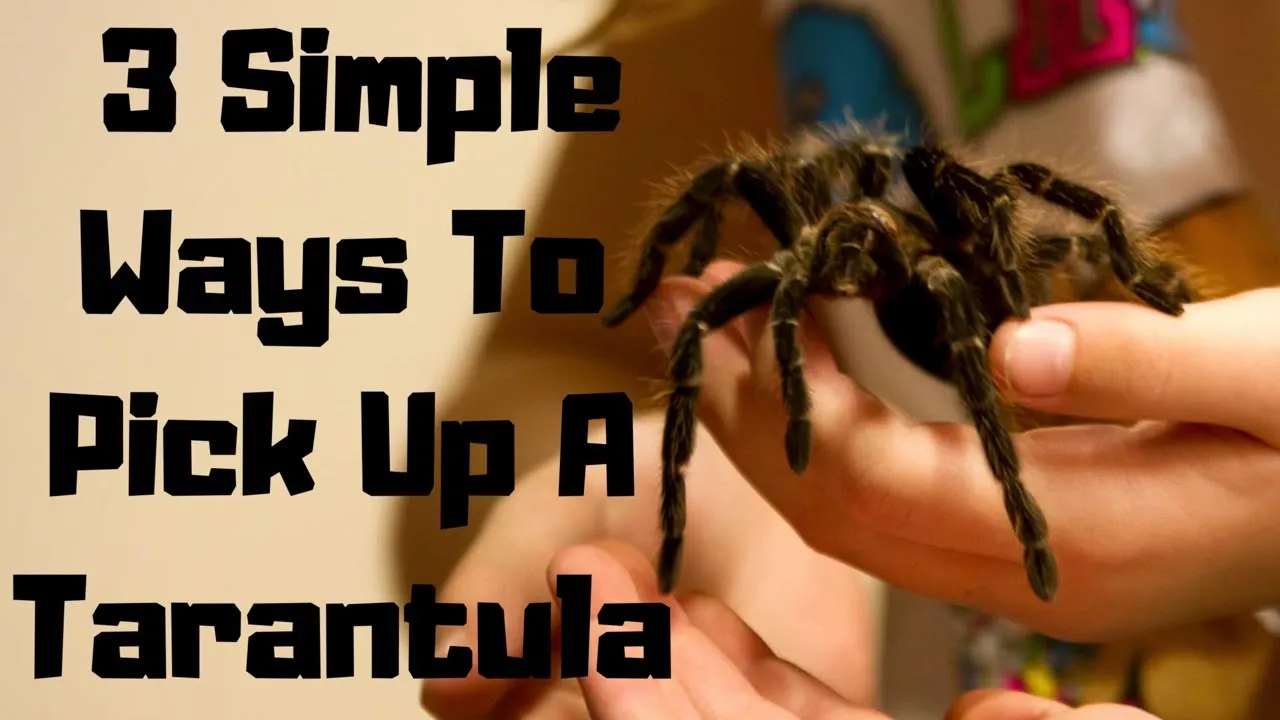
Understanding Tarantulas Before Handling
Before you even consider handling your pet tarantula, it’s crucial to understand these fascinating creatures. Tarantulas, despite their intimidating appearance, are generally not aggressive, but they can be defensive. Handling should always be approached with caution and respect for the animal’s well-being. Understanding their behavior, temperament, and signs of stress is the first step towards ensuring a safe and positive experience for both you and your eight-legged friend. This knowledge will help you avoid unnecessary stress for the tarantula and prevent potential bites or defensive actions.
Tarantula Behavior and Temperament
Tarantula temperaments vary greatly between species and even between individual spiders. Some species are known to be more docile and tolerant of handling, while others are skittish or defensive. Researching the specific species of your tarantula is essential. Observe your tarantula in its enclosure. Is it calm and exploratory, or does it retreat quickly when disturbed? A tarantula that frequently kicks hairs (a defensive mechanism) or displays a threat posture (rearing up with fangs exposed) is generally not a good candidate for handling. Learning to read your tarantula’s body language is key to understanding its mood and avoiding stressful situations.
Recognizing Signs of Stress

A stressed tarantula will exhibit certain behaviors that signal its discomfort. These include flicking hairs from its abdomen (urticating hairs), rearing up with fangs bared, or attempting to flee. Other signs can be excessive movement, rapid walking, or hiding in a corner. If your tarantula shows any of these signs, it’s best to leave it alone. Handling a stressed tarantula can increase the risk of bites or other defensive behaviors. Always prioritize your tarantula’s comfort and well-being. If you notice any of these stress signals, immediately cease any handling attempts and allow the tarantula to retreat to its enclosure.
Preparing to Handle Your Tarantula
Proper preparation is vital for a safe and successful handling experience. This includes gathering the right equipment and creating a suitable handling environment. Taking the time to prepare will minimize stress for your tarantula and reduce the risk of accidents. Never rush the process, and always prioritize safety. Even the most docile tarantula can react defensively if not handled carefully. Remember that handling a tarantula should be a controlled and thoughtful process, not a casual interaction.
Gathering the Right Equipment
Before you start handling, you’ll need a few essential tools. A soft paintbrush or similar tool can be used to gently coax the tarantula onto your hand. This minimizes direct contact and encourages the spider to move in a controlled manner. A clear, escape-proof container is crucial for transferring the tarantula if necessary. This can be used in case the tarantula becomes agitated during the handling process. Have a first-aid kit ready, and ensure that you are not allergic to tarantula hairs. Wearing gloves can offer additional protection, although it may reduce your tactile sensitivity. Ensure all your equipment is clean and ready before you begin the handling process.
Creating a Safe Handling Environment

The environment where you handle your tarantula should be safe and controlled. Handle your tarantula in a room with minimal distractions, such as children or other pets. Close all windows and doors to prevent escape. Handle the tarantula close to the ground, or over a soft surface like a bed or carpet, to minimize the risk of injury if it falls. A well-lit environment is also important, as it allows you to observe the tarantula’s behavior closely. Always make sure that the tarantula enclosure is secure before you start handling the spider, and be ready to return the tarantula to its enclosure quickly if needed.
The Step-by-Step Guide to Handling
Handling a tarantula requires a calm and patient approach. Rushing or making sudden movements can startle the tarantula and lead to defensive behaviors. The goal is to make the experience as stress-free as possible for the spider. Always move slowly and deliberately, and observe the spider’s reactions throughout the process. If the tarantula shows any signs of stress or discomfort, immediately stop and allow it to retreat to its enclosure. Remember that you are interacting with a living animal, and its well-being should always be your primary concern.
Gentle Introduction and Approach
Before attempting to handle your tarantula, observe its behavior. Ensure it is calm and not displaying any signs of stress. Gently open the enclosure and use a soft paintbrush or similar tool to gently encourage the tarantula to move in the desired direction. Avoid making sudden movements or loud noises. Speak in a calm and soothing voice, and give the tarantula time to acclimate to your presence. If the tarantula retreats or shows signs of stress, stop immediately and try again later. The goal is to build trust and create a positive association with your presence.
Proper Techniques for Lifting and Holding

Once the tarantula appears relaxed and willing, you can carefully guide it onto your hand using the paintbrush. Let the spider walk onto your open palm. Avoid grabbing or forcing the tarantula. Keep your movements slow and steady. Support the tarantula with both hands if necessary, but avoid squeezing or restricting its movement. Be aware of the tarantula’s legs; do not let them get caught on anything. Hold the tarantula close to the ground and be prepared to set it down gently if it shows any signs of discomfort. Always be patient and avoid sudden movements that could startle the spider.
Returning Your Tarantula to Its Enclosure
Once you are finished handling your tarantula, it’s important to return it to its enclosure safely and gently. Place your hand with the tarantula near the enclosure entrance, and allow the tarantula to walk back in on its own. Avoid forcing the tarantula. If the tarantula is hesitant, use the paintbrush to gently guide it. Once inside, ensure the enclosure is secure before stepping away. Handling should be a brief interaction, and the tarantula should never be kept out of its enclosure for an extended period. Monitor the spider’s behavior to ensure it has settled comfortably back into its environment.
Post-Handling Care and Observation
After handling your tarantula, it is essential to observe its behavior and provide appropriate care. This helps ensure its well-being and allows you to monitor for any signs of stress or injury. Always prioritize the health and safety of your pet tarantula. Regular observation and thoughtful care are key to a long and healthy relationship with your arachnid companion. Post-handling care is not just about what you do immediately after handling; it’s about creating an environment that supports your tarantula’s overall health.
Checking for Injuries or Stress

After handling, carefully inspect your tarantula for any signs of injury. Look for any damage to its legs, fangs, or abdomen. Also, observe the tarantula’s behavior for signs of stress, such as excessive grooming, unusual hiding, or loss of appetite. If you notice any injuries or signs of distress, consult a veterinarian or experienced tarantula keeper. A healthy tarantula should move with ease and exhibit its normal behavior. Addressing any potential issues promptly is essential for your pet’s well-being and can prevent further complications.
Providing Water and Food After Handling
After handling, providing fresh water and a meal can help reassure and rehydrate your tarantula. Make sure that the water source is clean. Observe if your tarantula shows interest in eating. If it does not eat, do not force it, as some tarantulas may not eat immediately after handling. Maintain a consistent feeding schedule. Regularly monitor and make adjustments to your pet’s care as needed. Providing a meal after handling can help in restoring the tarantula’s routine and providing a sense of normalcy. Always ensure that the enclosure is clean and the environment is suitable for your tarantula’s needs.