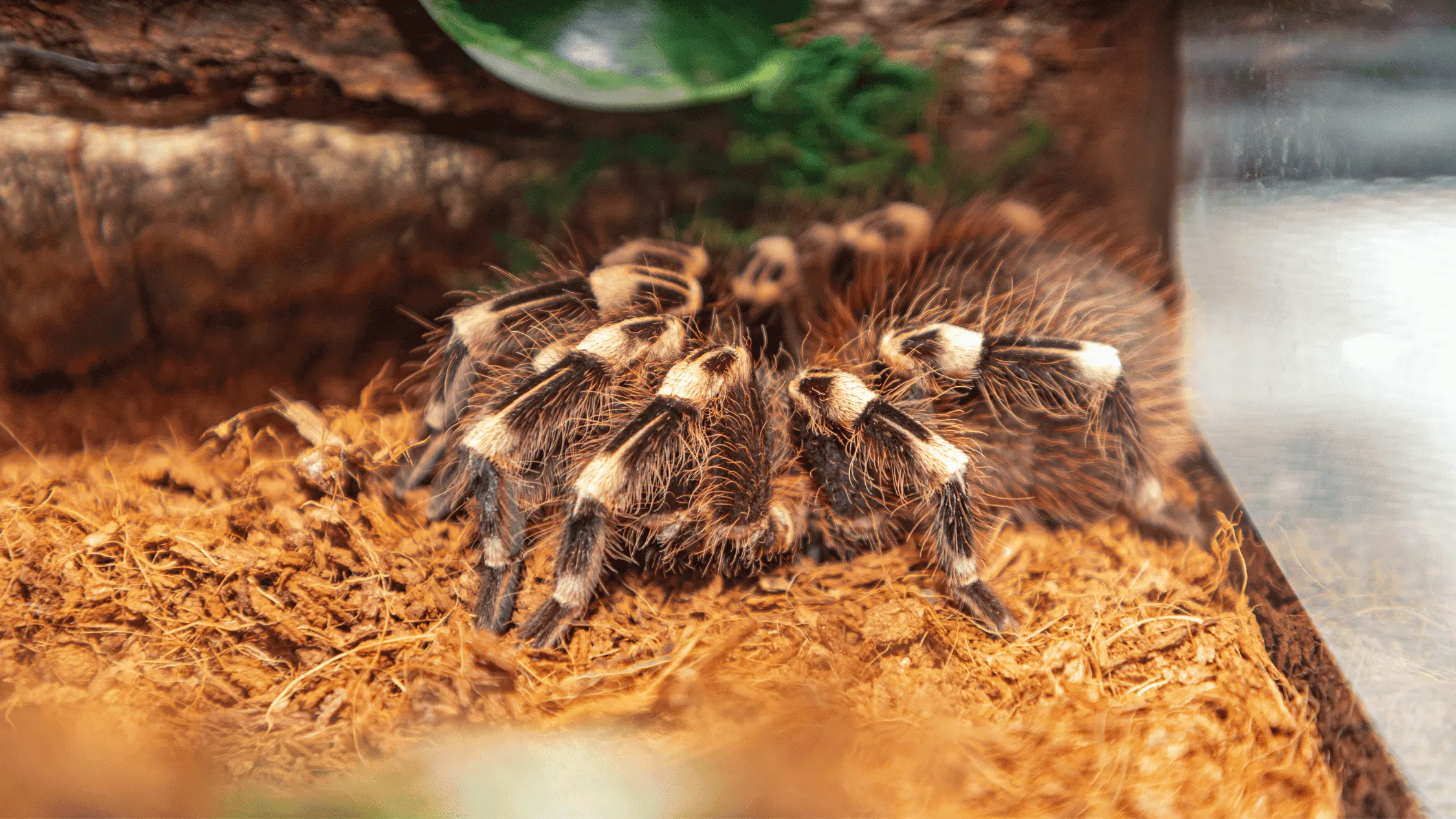
Bringing a tarantula into your home can be an exciting experience, these fascinating creatures require specific care to ensure their well-being and longevity. This guide provides comprehensive insights into every aspect of tarantula pet care, from selecting your first spider to understanding their unique needs. By following these guidelines, you can create a thriving environment for your tarantula, ensuring it lives a long and healthy life. This guide is designed to help both novice and experienced keepers, offering detailed advice on everything from habitat setup to recognizing potential health issues. Proper tarantula care isn’t just about survival; it’s about providing a stimulating and enriching life for your pet.
Choosing Your Tarantula
The first step in successful tarantula care is choosing the right spider. Research different species to determine which best suits your lifestyle, experience level, and available space. Consider the temperament, size, and specific environmental needs of each species. Some tarantulas are known for being more docile, making them better choices for beginners, while others may be more defensive. Understanding these factors is crucial for creating a safe and enjoyable experience for both you and your pet. When choosing a tarantula, consider its origin; captive-bred spiders are often healthier and more accustomed to handling than wild-caught specimens.
Selecting a Healthy Tarantula
When selecting a tarantula, look for signs of good health. A healthy tarantula should have a plump abdomen, indicating it is well-fed and hydrated. The spider should be alert and responsive, with all legs intact. Avoid tarantulas that appear lethargic, have a shrunken abdomen, or show signs of mites or other parasites. Inspect the enclosure for any signs of poor hygiene, such as mold or excessive waste. A reputable breeder or pet store will be able to provide information about the spider’s history, including its age and feeding habits. Ask to see the tarantula feed and ensure that it has a good appetite.
Identifying Different Tarantula Species

There are hundreds of tarantula species, each with its unique characteristics and care requirements. Some popular species for beginners include the Chilean rose hair tarantula, known for its docile nature, and the Mexican red knee tarantula, which is also relatively easy to care for. Research the specific needs of any species you are considering. This includes its preferred habitat, temperature, humidity, and feeding habits. The size of the adult spider is also an important factor. Some species can grow to be quite large, requiring more spacious enclosures. Understanding the specific needs of each species is key to providing appropriate care and ensuring your tarantula thrives.
Creating the Perfect Tarantula Habitat
Creating the right habitat is crucial for the well-being of your tarantula. The enclosure should provide a safe and comfortable environment, mimicking the spider’s natural habitat. The size and type of enclosure, substrate, decor, temperature, and humidity all play a role in your tarantula’s health and happiness. A well-designed habitat not only meets the spider’s physical needs but also provides enrichment, allowing it to engage in natural behaviors. Regularly maintaining the habitat ensures it remains clean and suitable for your pet. Proper setup will help you avoid potential health problems and other issues.
Choosing the Right Enclosure
The enclosure should be appropriately sized for the tarantula’s species and size. A secure enclosure with good ventilation is essential to prevent escape and maintain air quality. Glass or acrylic tanks are common choices, with secure lids. The enclosure should be tall enough to accommodate the spider’s burrowing behavior, if applicable. Avoid enclosures that are too large, as the tarantula may feel insecure and be more difficult to locate its food. The size will depend on the species and the size of the tarantula; juvenile tarantulas will need smaller enclosures than adults. Ensure the enclosure is easy to clean and has adequate ventilation to prevent the buildup of moisture.
Substrate and Decor for Tarantulas

The substrate provides the foundation of the tarantula’s habitat, allowing it to burrow and creating a natural environment. Appropriate substrates include coconut fiber, peat moss, or a mixture of both. Avoid substrates that are dusty or contain harmful chemicals. The depth of the substrate should allow for burrowing, typically several inches. Provide decor such as cork bark, hides, and artificial plants to create hiding places and enrichment. These elements provide security and allow the tarantula to feel safe in its environment. Avoid using sharp or abrasive objects that could injure the spider. The layout should mimic the spider’s natural habitat.
Maintaining Temperature and Humidity
Temperature and humidity are crucial for a tarantula’s health. Research the ideal temperature and humidity range for your specific species. Use a thermometer and hygrometer to monitor conditions in the enclosure. Provide a heat source, such as a heat mat or ceramic heat emitter, if necessary. Ensure the heat source is regulated to prevent overheating. Maintain humidity by misting the enclosure with water regularly, or by providing a water dish. Proper ventilation is important to prevent the buildup of mold and bacteria while maintaining the appropriate humidity level. Adjust the humidity and temperature based on your specific species’ needs.
Feeding Your Tarantula
Feeding your tarantula the correct diet is crucial for its health and growth. Tarantulas are carnivores and primarily eat insects. The type and size of food depend on the tarantula’s species and age. A varied diet helps to ensure that your tarantula receives all the necessary nutrients. Offering the right food at the right intervals, while considering the size of the spider, will guarantee the spider thrives. Overfeeding can be as harmful as underfeeding. Understanding how to meet the nutritional needs of your spider will keep your tarantula healthy.
What Tarantulas Eat

Tarantulas typically eat insects. Crickets, mealworms, and roaches are common choices, and you can also offer other invertebrates. The size of the prey should be appropriate for the tarantula’s size; the prey should be no larger than the spider’s body. You can also provide pre-killed insects for safety. Avoid feeding wild-caught insects, as they may carry parasites or pesticides. Some larger tarantula species may be able to eat small vertebrates, such as pinkie mice, but this is not a regular part of their diet, and they should be fed sparingly.
Feeding Frequency and Portion Size
The feeding frequency depends on the tarantula’s age and growth rate. Juvenile tarantulas should be fed more frequently than adults, usually every few days. Adult tarantulas can be fed once or twice a week, or even less often. The size of the prey should be appropriate for the tarantula’s size; generally, the insect should be no bigger than the spider’s abdomen. Remove any uneaten food within 24 hours to prevent mold growth. Monitor your tarantula’s abdomen; a plump abdomen indicates it is well-fed, while a shrunken abdomen suggests it needs more food. Adjust the feeding schedule as needed based on its condition and appetite.
Providing Water for Your Tarantula
Tarantulas need access to fresh water at all times. Provide a shallow water dish in the enclosure. Use a water dish that is easy to clean and difficult for the spider to tip over. Regularly refill the water dish with fresh, clean water. For smaller spiderlings, you can provide water by lightly misting the enclosure. This is especially important in arid species. Clean the water dish regularly to prevent bacterial growth and ensure the spider has a clean water source at all times. Proper hydration is essential for the tarantula’s health and proper molting.
Handling and Safety Precautions
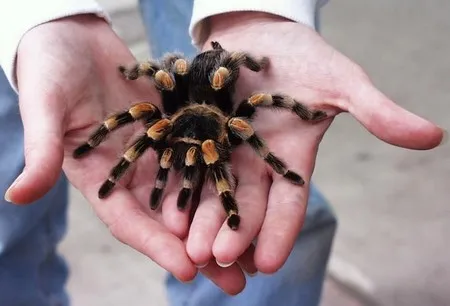
While tarantulas are generally not aggressive, it is important to handle them with caution. Tarantulas can bite if they feel threatened, and their bites can be painful. They also have urticating hairs that can cause skin irritation. Handling should be kept to a minimum and only done when necessary, such as for health checks or enclosure maintenance. Being aware of the risks involved with handling will allow you to prevent any harm.
Safe Handling Techniques
If you need to handle your tarantula, do so over a soft surface, such as a bed or carpet, in case it falls. Gently coax the tarantula onto your hand using a soft brush or by allowing it to walk onto your hand. Avoid sudden movements, which could startle the spider. Never try to grab or restrain the spider, as this can provoke a bite. Wash your hands thoroughly before and after handling your tarantula. Be calm and patient, and observe your tarantula’s behavior. If it appears agitated or defensive, do not attempt to handle it.
Recognizing Signs of Stress or Illness
Tarantulas can exhibit various signs of stress or illness. Recognizing these signs allows you to take quick action to address any issues. Look for changes in behavior, such as lethargy, loss of appetite, or erratic movements. A tarantula that is constantly in a defensive posture may be stressed. Other signs include a shrunken abdomen, indicating dehydration or starvation, or the presence of mites or parasites. If you notice any of these signs, isolate the tarantula and seek professional veterinary advice. Early detection and intervention can improve your pet’s well-being.
Common Health Issues in Tarantulas
Tarantulas can be susceptible to various health issues. Being aware of these issues and how to prevent them will allow you to maintain your spider’s well-being. Some common health problems include parasites, bacterial infections, and injuries. The causes of these problems range from poor sanitation to inadequate environmental conditions. Regular monitoring and preventative measures are crucial to minimizing health risks.
Preventing Parasites and Diseases
Maintaining a clean and hygienic enclosure is essential to prevent parasites and diseases. Regularly remove uneaten food, fecal matter, and shed exoskeletons. Provide fresh water at all times. Inspect the tarantula and the enclosure regularly for signs of mites or other parasites. Use appropriate substrates and decor that are free from harmful chemicals. Quarantine new tarantulas before introducing them to an existing collection. If you suspect your tarantula has parasites, consult with a veterinarian. Proper preventative measures, such as good hygiene and quarantining, will reduce the risk of your tarantula getting infected.
When to Consult a Veterinarian
If you notice any signs of illness or distress in your tarantula, consult a veterinarian experienced with exotic animals. Signs that require veterinary attention include loss of appetite, lethargy, unusual behavior, or any physical abnormalities. Your veterinarian can diagnose the problem and recommend appropriate treatment. Do not attempt to treat your tarantula with medication without professional guidance. Providing your vet with as much information as possible about the species, its habitat, and its history can help them to make an accurate diagnosis and provide the best care for your pet.
Long-Term Tarantula Care

Long-term tarantula care involves ongoing maintenance of the enclosure, monitoring the spider’s health, and understanding its life cycle. Providing a consistent and suitable environment ensures the longevity and happiness of your pet. Regularly performing various tasks will give the spider a better quality of life, and allow you to enjoy the experience of owning a tarantula. With the correct knowledge, you will ensure your tarantula has a comfortable home.
Cleaning and Maintaining the Enclosure
Regular cleaning and maintenance of the enclosure is crucial for preventing the buildup of waste, mold, and bacteria. Remove uneaten food, fecal matter, and shed exoskeletons regularly. Replace the substrate as needed, typically every few months, or more frequently if it becomes soiled. Clean the water dish and replace the water frequently. Regularly inspect the enclosure for any signs of mold or pests. The frequency of cleaning depends on the size of the enclosure, the number of spiders, and the substrate used. A clean environment helps in preventing diseases. Regular cleaning will also help you spot potential health issues early on.
Understanding Tarantula Molting
Tarantulas molt periodically to shed their old exoskeletons and grow. Molting is a natural process, but it can be a stressful time for the spider. Provide a safe environment during molting. This includes ensuring the enclosure has appropriate humidity and temperature. Do not disturb the tarantula during the molting process. After molting, the tarantula’s new exoskeleton will be soft; avoid handling it until it hardens. Molting frequency depends on the spider’s age, growth rate, and species. Keep track of molting cycles. Molting is a sign that your tarantula is growing and healthy.
Breeding Tarantulas
Breeding tarantulas is a complex process that should only be attempted by experienced keepers. Research the specific requirements of the species you intend to breed. Ensure both the male and female spiders are in good health and of breeding age. Provide appropriate environmental conditions for breeding. Carefully introduce the male to the female, observing their behavior to prevent the female from attacking the male. If the mating is successful, separate the female and provide her with a suitable egg sac. Raising the spiderlings requires specialized knowledge and care. Due to the complexity of tarantula breeding, do proper research.
Caring for a tarantula can be a rewarding experience. By following these guidelines and continuously learning about these fascinating creatures, you can ensure your tarantula lives a healthy and fulfilling life. Remember to always prioritize the spider’s well-being and to seek professional advice when needed. With the proper care and attention, your tarantula can become a captivating and enjoyable pet for years to come.