What is a Tarantula Care Sheet
A tarantula care sheet is an essential guide for anyone considering or currently owning a tarantula. It provides comprehensive information on all aspects of tarantula care, from selecting the right species to setting up a proper enclosure, feeding, handling, and recognizing signs of health issues. This ultimate guide is designed to provide you with all the information you need to ensure your tarantula thrives in a healthy and stimulating environment. Proper care is crucial to the longevity and well-being of these fascinating creatures. This guide will provide a solid foundation, covering everything from the basics to more advanced topics, so you can become a responsible and informed tarantula keeper. Understanding the specific needs of your tarantula is paramount.
Why Keep a Tarantula
Tarantulas make captivating pets, offering a unique and rewarding experience for arachnid enthusiasts. Their relatively low maintenance needs, coupled with their fascinating behaviors and diverse appearances, make them an attractive alternative to more traditional pets. Owning a tarantula can be an educational experience, allowing you to learn about these incredible creatures, their life cycles, and their role in the ecosystem. Furthermore, observing their behavior, from hunting to molting, can be incredibly engaging. Many people find the quiet companionship of a tarantula relaxing and enjoyable, providing a sense of wonder and appreciation for the natural world.
Benefits of Owning a Tarantula

One of the primary benefits of owning a tarantula is their low-maintenance nature. Compared to dogs or cats, tarantulas require less daily attention, making them suitable pets for people with busy lifestyles. They don’t need to be walked, groomed, or constantly entertained. Tarantulas are also relatively clean animals, producing minimal mess and odor. Another significant advantage is the educational aspect; observing a tarantula’s behavior provides a deep dive into the world of arachnids. The long lifespans of some species offer the potential for years of companionship, allowing owners to witness and appreciate various stages of the tarantula’s life. Finally, tarantulas are generally quiet pets, offering a peaceful presence in the home.
Considerations Before Getting a Tarantula
Before acquiring a tarantula, it’s essential to consider several factors. First, ensure you are not arachnophobic; a fear of spiders can make caring for a tarantula challenging and stressful. Research the specific species you are interested in, understanding its needs, temperament, and potential size. Consider the commitment involved; tarantulas can live for many years, requiring consistent care throughout their lives. You must also evaluate your lifestyle; are you prepared to provide appropriate housing, feeding, and environmental control? Finally, ensure you have the necessary resources to properly care for a tarantula, including the appropriate enclosure, substrate, and food sources. Thorough preparation will ensure a positive experience for both you and your tarantula.
Choosing the Right Tarantula
Choosing the right tarantula species is a critical first step. The tarantula world is incredibly diverse, with different species possessing distinct characteristics, temperaments, and care requirements. Researching different species is vital to find one that suits your experience level and preferences. Consider factors like size, temperament, and venom potency. Some species are known to be more docile and beginner-friendly, while others may be more defensive and require more experienced handling. The ideal tarantula for you will depend on your individual circumstances. This includes the space you have available, your tolerance for humidity, and your comfort level with handling the animal.
Tarantula Species for Beginners

Several tarantula species are particularly well-suited for beginners. These species generally have a more docile temperament, are easier to care for, and are readily available. The Chilean Rose Hair tarantula (Grammostola rosea) is a popular choice, known for its calm nature and relatively simple care requirements. The Mexican Red Knee (Brachypelma hamorii) is another excellent option, famed for its striking appearance and generally gentle disposition. Other beginner-friendly species include the Pinktoe tarantula (Avicularia avicularia) and the Curly Hair tarantula (Tliltocatl albopilosus). Researching each species to understand their specific needs, such as humidity and temperature requirements, is important before making a selection. Make sure to get a species that’s right for you.
Important Factors When Choosing a Tarantula
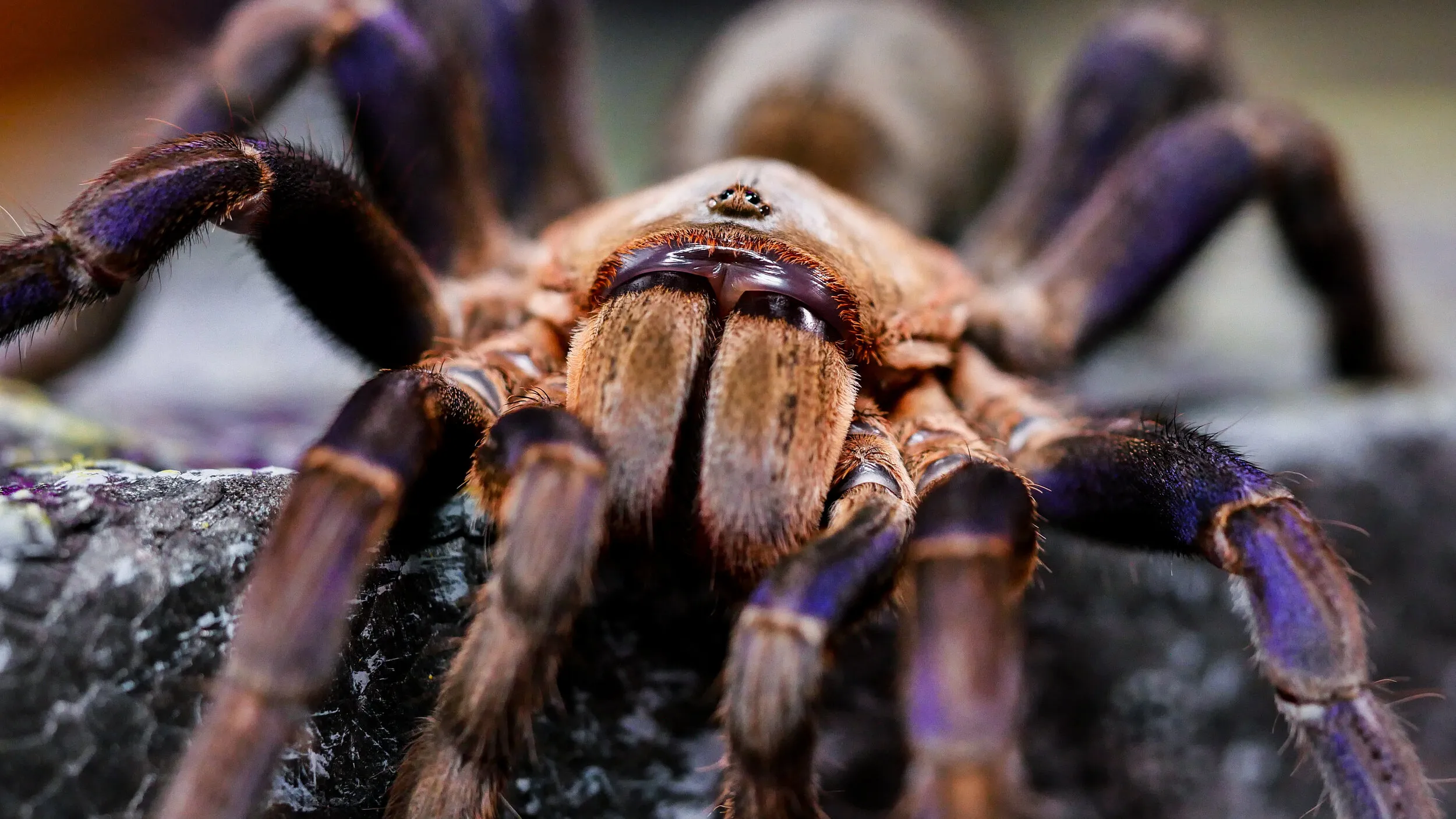
When choosing a tarantula, consider factors beyond just temperament. Research the species’ adult size, as this will determine the size of the enclosure you need. Consider the species’ origin; some tarantulas thrive in drier environments, while others require higher humidity levels. Investigate the species’ feeding habits and preferences to ensure you can readily provide appropriate food. Also, assess the tarantula’s potential for urticating hairs, which some species flick as a defense mechanism; these hairs can cause skin irritation. Consider the longevity of the species; some tarantulas can live for over 20 years. Understanding these factors will help you make an informed decision and choose a tarantula that best fits your lifestyle and capabilities. Look at the image above for inspiration.
Setting Up the Perfect Tarantula Enclosure
Creating the perfect tarantula enclosure is crucial for your pet’s health and well-being. The enclosure should replicate the tarantula’s natural habitat as closely as possible. It should be secure, well-ventilated, and provide adequate space for the tarantula to move around, burrow, and feel safe. A proper enclosure not only promotes physical health but also minimizes stress and allows for natural behaviors. The size and type of enclosure will depend on the species and the tarantula’s size, so research the specific needs of your chosen species. The enclosure must also be easy to maintain and clean to prevent the buildup of waste and bacteria.
Choosing the Right Enclosure

The ideal enclosure depends on the tarantula species. For terrestrial (ground-dwelling) species, a horizontal enclosure is generally preferred, providing ample floor space for roaming and burrowing. For arboreal (tree-dwelling) species, a taller vertical enclosure is more suitable, allowing them to climb and establish themselves in a higher position. Ensure the enclosure is made of a durable, non-toxic material like glass or acrylic. The enclosure must have a secure lid to prevent escapes and adequate ventilation to promote airflow and prevent mold growth. The enclosure size should be appropriate for the tarantula’s adult size; a general rule is to provide an enclosure that is at least three times the tarantula’s leg span in width and length. See the image for different enclosures for inspiration.
Substrate Selection
The substrate is the bedding material that lines the bottom of the tarantula’s enclosure. The proper substrate provides a comfortable environment, aids in humidity regulation, and allows for burrowing. The choice of substrate depends on the tarantula’s species and its natural habitat. For most terrestrial species, a mix of substrate is ideal. A combination of peat moss, coco fiber, and vermiculite works well. Arboreal species benefit from a substrate that retains moisture, such as eco-earth or coco fiber. Avoid substrates that are toxic or can cause harm to the tarantula. Make sure to keep the substrate clean and replace it regularly to prevent the growth of mold and bacteria. Using the appropriate substrate for your tarantula is very important.
Providing Hides and Decorations
Providing hides and decorations is essential for creating a stimulating and secure environment for your tarantula. Tarantulas are naturally secretive creatures and need places to retreat and feel safe. Hides can be made from various materials, such as cork bark, half-logs, or commercially available hides. Place the hide in a location where the tarantula can easily access it. Decorations like artificial plants and branches can enrich the enclosure and provide additional climbing or hiding opportunities. Ensure that all decorations are non-toxic and do not have any sharp edges that could injure the tarantula. Providing a diverse and well-decorated enclosure will encourage natural behaviors and reduce stress. This will help your tarantula feel safe in its environment.
Maintaining Temperature and Humidity

Maintaining the appropriate temperature and humidity levels is critical for tarantula health. Tarantulas are ectothermic (cold-blooded) and rely on their environment to regulate their body temperature. Research the specific temperature and humidity requirements for your tarantula species. Use a thermometer to monitor the enclosure’s temperature, aiming for a temperature gradient with a warmer area and a cooler area. Use a hygrometer to measure humidity levels. Adjust humidity by misting the enclosure with water, using a humidifier, or providing a water dish. Ensure that the environment does not become too dry or too humid, as these conditions can lead to health problems. Regularly monitor and adjust the environment to maintain the appropriate conditions for your tarantula.
Feeding Your Tarantula
Proper feeding is fundamental to your tarantula’s health and well-being. Understanding your tarantula’s dietary needs is paramount. These fascinating creatures primarily feed on insects, but the exact type of food and the frequency of feeding will vary based on the species, size, and age of the tarantula. Providing a nutritious and diverse diet ensures they receive the essential nutrients required for growth, molting, and overall health. When it comes to feeding your pet tarantula, always prioritize their well-being.
What Tarantulas Eat
Tarantulas are primarily insectivores, meaning their diet consists mainly of insects. The specific insects they eat depend on their size and the availability. Common food items include crickets, mealworms, roaches, and other insects. Pre-killed insects are often recommended to avoid any potential injury to the tarantula. The insects should be gut-loaded before being fed to the tarantula, which means feeding the insects nutritious food items to enhance their nutritional value. The size of the prey should be appropriate for the tarantula’s size. Avoid feeding insects that are too large, which could injure the tarantula, or too small, which would not provide adequate nutrition. Providing a balanced diet is important for your tarantula.
Feeding Frequency and Portions

The frequency of feeding depends on the tarantula’s age and growth rate. Young tarantulas generally need to be fed more frequently than adults, often several times a week. Adult tarantulas typically only need to be fed once or twice a week. Overfeeding can lead to obesity, so monitoring your tarantula’s body condition is important. The amount of food to provide should be appropriate for the tarantula’s size and appetite. Remove any uneaten insects after a day or two to prevent them from stressing the tarantula or causing mold growth. When a tarantula is close to molting, it may refuse to eat. Always ensure fresh, clean water is available.
Providing Water
Providing a clean water source is crucial for your tarantula’s hydration. Tarantulas obtain water by drinking from their water dish. A shallow water dish is ideal to prevent drowning. The water should be fresh and clean, and the dish should be cleaned and refilled regularly. For slings (very young tarantulas), a small water dish or a cotton ball saturated with water may be more appropriate to prevent them from drowning. Some tarantula keepers also mist their enclosures regularly to increase humidity and provide additional water sources. The provision of fresh water is a fundamental aspect of tarantula care, as it is critical to their survival. Make sure to provide clean water to your tarantula.
Handling and Safety
Handling tarantulas should be approached with caution. While some species are more docile, all tarantulas have the potential to bite or flick urticating hairs (if they have them) as a defense mechanism. The safety of both the tarantula and the handler is paramount. Before handling any tarantula, research the specific species to understand its temperament and potential defensive behaviors. Assess the tarantula’s current mood; if it appears agitated or defensive, it is best to avoid handling it. Proper handling techniques are crucial to prevent injury to the tarantula and to the handler.
When to Handle Your Tarantula

Not all tarantulas enjoy being handled. Some tarantula keepers prefer to admire their pets without handling them, allowing the tarantula to live in a stress-free environment. Some tarantulas may tolerate handling, but only if they are comfortable. Before handling, ensure that the tarantula is in a calm state and is not close to molting. Avoid handling after feeding, as they can be more defensive. Handling should be done in a safe environment, such as close to the ground or over a soft surface, to prevent injury if the tarantula falls. Handling a tarantula must be done with consideration for the well-being of the tarantula.
Safe Handling Techniques
If you choose to handle your tarantula, always approach it slowly and gently. Do not make any sudden movements that could startle it. Gently encourage the tarantula to climb onto your hand by lightly touching its legs or abdomen. Avoid grabbing or squeezing the tarantula, as this can provoke it. Always keep your hand close to the ground or a soft surface in case the tarantula falls. If the tarantula appears agitated or defensive, gently place it back into its enclosure. Wash your hands thoroughly before and after handling to remove any potential irritants or allergens. Always prioritize the safety of the tarantula by being gentle, careful, and understanding of its needs. See the image to the side for inspiration.
Tarantula Health and Common Issues
Maintaining your tarantula’s health involves recognizing the signs of a healthy tarantula and being aware of potential health problems. A healthy tarantula exhibits certain characteristics that indicate its well-being. Regular observation and attention to these details will enable you to quickly identify and address any health concerns, ensuring your tarantula lives a long and happy life. Paying attention to the physical condition, behavior, and environment of your tarantula is essential.
Signs of a Healthy Tarantula

A healthy tarantula typically has a plump abdomen, indicating it is well-fed. Its movements should be active and coordinated, and it should respond appropriately to stimuli. The tarantula should have a healthy appetite and readily consume its prey. The exoskeleton should be free of any visible damage or abnormalities. A healthy tarantula may engage in behaviors typical of its species, such as burrowing, web-spinning, or resting in a hide. The enclosure should also be clean and well-maintained, with appropriate humidity and temperature levels. A healthy tarantula will display alert and responsive behaviors.
Common Health Problems
Tarantulas can be affected by various health problems. Dehydration is a common issue, often caused by low humidity or lack of access to water. Parasites can infest tarantulas, leading to poor health. Mold and fungal infections can result from poor hygiene or excessive humidity. Injuries from falls or bites can cause damage to the exoskeleton. Abnormalities, such as paralysis or loss of appetite, may indicate underlying health issues. Molting problems can also occur, with the tarantula failing to shed its exoskeleton successfully. Regularly inspecting your tarantula’s health is essential.
What to Do if Your Tarantula is Sick
If your tarantula shows signs of illness, it’s essential to take immediate action. First, isolate the tarantula in a clean enclosure to prevent the spread of any potential infections. Identify the cause of the illness by assessing the enclosure’s conditions, the tarantula’s diet, and any potential injuries. Contact a veterinarian experienced in exotic animal care for advice. Follow the veterinarian’s instructions carefully, which may involve adjusting the enclosure’s environment, providing medication, or providing other treatments. Prevention is always better than cure. Maintain the proper enclosure conditions, feed your tarantula a balanced diet, and handle it with care to minimize the risk of health problems.
Shedding (Molting)
Molting is a natural process that tarantulas undergo as they grow. During molting, the tarantula sheds its exoskeleton and reveals a new, larger one. This process allows the tarantula to grow larger and replace damaged or worn-out body parts. Understanding the molting process will help you to support your tarantula through this important stage of its life cycle. Recognizing the signs of an approaching molt and providing the right care can ensure a successful outcome. The molting process is a remarkable display of nature’s design.
What to Expect During Molting
Prior to molting, the tarantula may stop eating and become less active. Its abdomen may appear darker, and its skin may appear stretched or shiny. The tarantula may also create a web mat on the enclosure’s surface. The molting process can take several hours or even days, depending on the tarantula’s size and species. During molting, the tarantula will typically lie on its back. Once the old exoskeleton is shed, the tarantula will remain vulnerable while its new exoskeleton hardens. It is critical to leave the tarantula undisturbed during this time.
How to Help Your Tarantula Molt
During molting, you should provide a safe and stable environment. Maintain the appropriate temperature and humidity levels. Do not disturb the tarantula or its enclosure. Ensure that there is fresh water available. After molting, do not feed the tarantula for a few days to allow its new exoskeleton to harden. Provide the appropriate diet. If the tarantula has trouble molting, such as failing to shed its exoskeleton completely, contact a veterinarian or experienced tarantula keeper for advice. A successful molt is crucial to the health and growth of a tarantula, so providing a supportive environment is critical. The picture to the side shows a tarantula molting.
Conclusion
Caring for a tarantula can be a rewarding experience. By understanding the basics of tarantula care and implementing these guidelines, you can ensure that your pet thrives in a healthy and stimulating environment. Remember to research your specific tarantula species to understand its unique needs and characteristics. Proper care involves providing a secure and well-maintained enclosure, feeding the tarantula a balanced diet, and handling it with caution. By paying attention to your tarantula’s health and behavior, you can provide a fulfilling life for your pet tarantula. With patience, dedication, and a genuine interest in these amazing creatures, you will surely enjoy the experience of owning a tarantula.