The robustum tarantula, a captivating and impressive arachnid, is a popular choice for both beginner and experienced tarantula enthusiasts. This comprehensive care sheet provides you with the top 5 essential tips to ensure your robustum tarantula thrives. From choosing your tarantula to understanding its behavior and addressing common health issues, this guide will equip you with the knowledge to provide the best possible care for your fascinating pet. Proper care is essential for the health and longevity of your tarantula, allowing you to enjoy its unique presence for years to come. This robustum tarantula care sheet will detail everything needed to keep your new pet happy and healthy.
Choosing Your Robustum Tarantula
Selecting a healthy robustum tarantula is the first and most crucial step in ensuring its well-being. It’s vital to acquire your tarantula from a reputable source, such as a specialized pet store or a trusted breeder. This minimizes the risk of obtaining a tarantula with pre-existing health problems. Before making a purchase, take the time to observe the tarantula closely. A healthy tarantula will exhibit specific characteristics, and recognizing these will help you make an informed decision and avoid potential issues down the line. Careful selection is an investment in your pet’s future.
Selecting a Healthy Robustum Tarantula
A healthy robustum tarantula is active and alert. It should move with purpose, and not appear lethargic or sluggish. Check for any signs of missing limbs, as this can indicate a recent injury or a problem with molting. The abdomen should be appropriately sized, not excessively thin, indicating dehydration or lack of food, or overly plump. Look for a clean appearance, avoiding any signs of parasites. The tarantula should also have a good appetite. A healthy tarantula will readily consume its prey. The overall appearance will reflect the tarantula’s health, and a healthy tarantula is vibrant in color and appears well-nourished.
Identifying a Healthy Robustum Tarantula
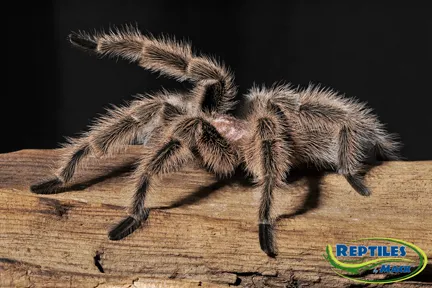
Carefully examine the tarantula for any signs of illness or injury. Look for a well-filled abdomen, as a shrunken abdomen may indicate dehydration or starvation. Examine the legs for any missing limbs or unusual postures. The fangs should appear intact and not damaged. The tarantula’s overall appearance should be clean, with no visible mites or other parasites. Observe its behavior; a healthy tarantula will be active and responsive to its environment. Watch the tarantula’s movements, and note any unusual behavior. This will help you determine if the tarantula is healthy.
Quarantining Your New Tarantula
Once you’ve acquired your robustum tarantula, it’s wise to quarantine it, especially if you have other tarantulas. Quarantine involves isolating the new tarantula in a separate enclosure for a period of time, typically 30 to 60 days. This quarantine period serves multiple purposes. It allows you to monitor the tarantula for any signs of illness or parasites without risking the health of your existing collection. It also provides a period for the tarantula to acclimate to its new environment and adjust to your care routine. This process can identify any potential health issues early, which reduces the risk of a potential outbreak. It is a proactive measure that protects your existing collection.
Setting Up the Perfect Robustum Tarantula Enclosure
Creating the right enclosure is vital for your robustum tarantula’s well-being. The setup should mimic its natural habitat and provide the necessary conditions for it to thrive. A well-designed enclosure not only ensures the tarantula’s health but also enhances its natural behaviors. The size, substrate, decor, temperature, and humidity levels all play crucial roles in creating a suitable and enriching environment for your pet. Carefully consider each aspect of the enclosure to promote your tarantula’s health and happiness, which will allow you to enjoy your pet even more.
Choosing the Right Enclosure Size

The size of the enclosure is vital. The enclosure should be large enough for your robustum tarantula to move comfortably, but not so large that the tarantula feels overwhelmed or has difficulty finding food. As a general guideline, a juvenile tarantula can be housed in a small container. As your tarantula grows, it will require larger housing. A good rule of thumb is to provide an enclosure that is at least twice the tarantula’s leg span in width and length. Adequate space allows the tarantula to exhibit its natural behaviors, such as foraging and burrowing. Always consider the adult size of your robustum tarantula when choosing an enclosure to provide the appropriate amount of space as the tarantula matures.
Substrate and Decor for Your Tarantula
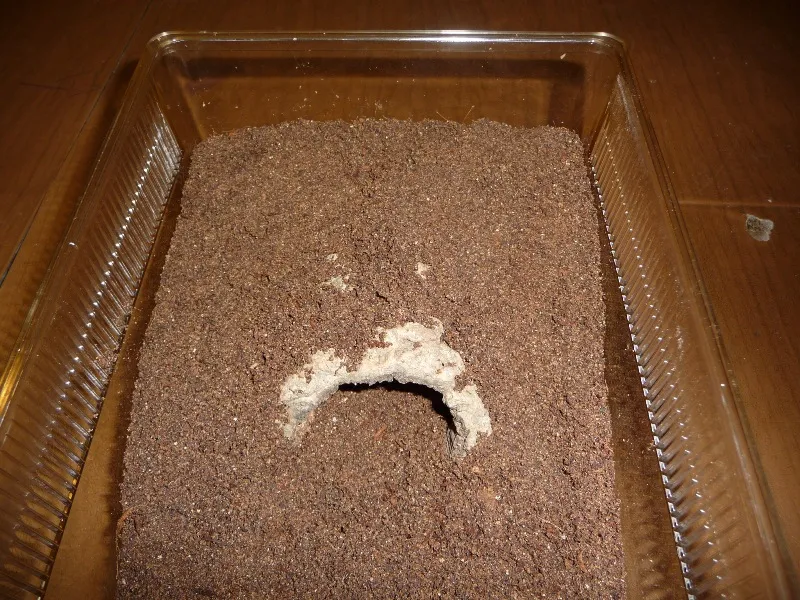
The substrate you choose should be safe, absorbent, and suitable for burrowing, as robustum tarantulas are terrestrial. A mix of peat moss, coconut fiber, and a small amount of vermiculite is often ideal. This provides a good balance of moisture retention and drainage. The substrate should be deep enough for the tarantula to create a burrow or a hide. The decor is used to enrich the enclosure. Include a hide, such as a piece of cork bark or a half-log, where your tarantula can retreat and feel secure. Artificial plants can add a touch of naturalism and offer additional cover. Avoid using sharp or abrasive materials that could injure your tarantula. The proper substrate and decor help the tarantula thrive.
Temperature and Humidity Requirements
Robustum tarantulas thrive in specific temperature and humidity conditions. Maintain a temperature range of 75-85°F (24-29°C) inside the enclosure. Use a heat mat placed on the side or back of the enclosure, connected to a thermostat, to maintain this temperature range. The humidity levels should be kept between 60-70%. To achieve this, regularly mist the enclosure with dechlorinated water, and provide a shallow water dish for drinking and to help with humidity. A hygrometer will help you monitor humidity levels. Maintaining the correct temperature and humidity levels is essential for your tarantula’s health and molting process. Be sure to monitor and adjust the environment as necessary, especially during seasonal changes.
Feeding Your Robustum Tarantula

Proper feeding is a cornerstone of tarantula care. Robustum tarantulas are voracious eaters, and providing them with a balanced diet is essential for their growth and health. The types of food you offer, the frequency of feeding, and the portion sizes should all be tailored to the tarantula’s size and life stage. A well-fed tarantula is a healthy tarantula, and understanding your tarantula’s dietary needs will ensure a long and happy life. This will involve providing the correct food, at the appropriate times. Pay attention to how much and when they eat.
What to Feed Your Tarantula
The primary food source for robustum tarantulas consists of live insects. Crickets and mealworms are popular choices. You can also feed your tarantula cockroaches or even small, pre-killed feeder rodents, if the tarantula is an adult. Be sure that the insects you feed your tarantula are gut-loaded. Gut-loading involves feeding the insects a nutritious diet before offering them to your tarantula. This increases the nutritional value of the insects, thereby providing a more complete diet for your tarantula. Always ensure that the insects are pesticide-free to prevent the risk of poisoning your tarantula. Variety in your tarantula’s diet is beneficial and can include different types of insects.
Feeding Frequency and Portion Size
The feeding frequency depends on the tarantula’s age. Spiderlings and juveniles may be fed 2-3 times a week. Adults can be fed once a week, or even less frequently. Observe your tarantula’s abdomen size; if it appears plump, it is well-fed. Adjust the feeding schedule accordingly. The portion size should be appropriate for the tarantula’s size. Offer insects that are roughly the size of the tarantula’s abdomen. Remove any uneaten insects within 24 hours to prevent them from stressing your tarantula. Overfeeding can cause health problems. Pay attention to how much your tarantula eats and adjust accordingly.
Watering Your Robustum Tarantula

Providing fresh water is essential for keeping your robustum tarantula hydrated. While tarantulas don’t drink water in the same way that mammals do, they require a consistent source of hydration. Regular access to clean water will help your tarantula maintain its health and well-being. Proper hydration is especially crucial during molting, when they are more vulnerable. A consistent supply of water also helps with humidity. Dehydration can lead to serious health issues, so the right water practices are necessary.
Providing Fresh Water
Always provide a shallow water dish. Use a small, shallow dish that the tarantula can easily access without risk of drowning. Fill the dish with fresh, dechlorinated water regularly. The water should be changed every few days to prevent bacteria and maintain cleanliness. You can also lightly mist the enclosure with water, but ensure that the tarantula isn’t directly sprayed. The key is to consistently supply your tarantula with fresh water. The cleanliness of the water is an important aspect of the care of your tarantula. This will contribute to the tarantula’s overall health.
Maintaining Humidity Levels
In addition to providing fresh water, you can also help maintain humidity by regularly misting the enclosure. Mist the enclosure with dechlorinated water 2-3 times a week, but do not saturate the substrate. The goal is to raise the humidity levels, not to make the enclosure excessively wet. Proper ventilation is essential to prevent the buildup of mold or fungus. You can also monitor the humidity levels using a hygrometer. This will help you determine when to mist the enclosure. By keeping the humidity at the correct levels, you can promote the tarantula’s health.
Handling and Safety

While robustum tarantulas are generally not aggressive, handling them should be approached with caution. Always prioritize the tarantula’s safety, as a fall can be fatal. Understanding their behavior and practicing safe handling techniques will minimize the risk of injury to both you and the tarantula. Consider the individual tarantula’s temperament and experience. Some tarantulas may be more docile than others. When considering handling your tarantula, make sure it is comfortable and safe.
Safe Handling Practices
If you choose to handle your robustum tarantula, do so with utmost care and respect. Always handle your tarantula over a soft surface, such as a bed or a couch, in case it falls. Avoid sudden movements or dropping the tarantula, which could cause injury. Never handle the tarantula when it is molting or about to molt, as they are extremely vulnerable during this period. Wash your hands before and after handling to avoid the transfer of any chemicals or oils. Be patient and gentle, and never force the tarantula to move or interact. Handling should be a calm and controlled process. Always ensure a safe environment.
Understanding Tarantula Behavior
Understanding the tarantula’s behavior is crucial. A tarantula may exhibit defensive postures, such as raising its front legs or flicking hairs from its abdomen, as a warning. Respect these signals. Recognize signs of stress, such as rapid movement or hiding. If the tarantula appears stressed, it is best to leave it alone. If your tarantula shows signs of stress or anxiety, do not continue to handle it. Learning to understand tarantula behavior will enhance your enjoyment of your pet. Learning their behavior is essential for both handling them safely and understanding their needs.
Common Health Issues and Preventative Care

Being aware of common health issues and taking preventative measures are vital for maintaining your robustum tarantula’s health. Regular observation, a clean environment, and proper care will help you identify and address any potential problems before they become serious. Preventative care helps to ensure a long and healthy life for your tarantula. A healthy tarantula is a happy tarantula. Always be proactive and use the proper care to protect your pet.
Signs of Illness in Tarantulas
It’s important to be able to recognize signs of illness. These include lethargy, loss of appetite, and unusual postures. Other signs may include a swollen abdomen, which could indicate a parasitic infection. Any changes in behavior, such as excessive hiding or lack of movement, should be investigated. If the tarantula is showing any of these signs, isolate it and consult a veterinarian experienced in exotic animals. Prompt action is essential to protect your tarantula’s health. Be sure to monitor your tarantula closely, and note any changes. If you are concerned, seek medical advice.
Preventative Measures for a Healthy Tarantula
Prevention is always the best medicine. Maintain a clean and appropriate enclosure. Remove any uneaten food and regularly clean the enclosure of waste. Provide a balanced diet and ensure access to fresh water. Regularly check the tarantula for parasites, and quarantine new tarantulas. Avoid handling your tarantula excessively, as stress can weaken its immune system. Proper care is key. By following these guidelines, you can prevent many common health problems and keep your robustum tarantula healthy and happy. A healthy environment contributes to the health of your tarantula. Pay attention to your tarantula’s health.
Caring for a robustum tarantula can be a rewarding experience. By following the top 5 tips outlined in this care sheet, you can ensure your tarantula thrives in a healthy and enriching environment. Remember to choose a healthy tarantula, set up the perfect enclosure, feed it appropriately, provide fresh water, and handle it safely. Prioritize preventative care to catch and solve any potential health issues early. With your dedication, you will enjoy the unique presence of your robustum tarantula for many years. Enjoy the wonderful world of tarantulas!