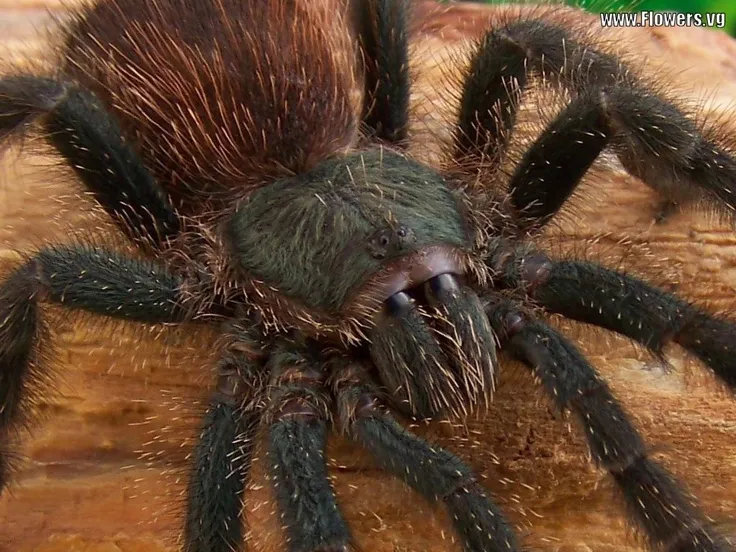
Tarantulas, with their impressive size and captivating appearance, have become increasingly popular pets. However, owning a tarantula is a significant responsibility. These fascinating creatures have specific needs that must be met to ensure their health and longevity. Proper care involves understanding their habitat, feeding requirements, hydration needs, and how to handle them safely. This guide covers the top 5 essential facts to help you become a successful tarantula keeper and provide your eight-legged friend with a thriving life. Whether you’re a first-time owner or looking to refine your tarantula care skills, this information will be invaluable.
Tarantula Care Top 5 Facts
Habitat Essentials
Creating the right environment is crucial for your tarantula’s well-being. Their habitat directly impacts their health, behavior, and lifespan. A well-designed enclosure mimics their natural environment, allowing them to thrive. It is important to understand how the tarantula interacts with the enclosure. Factors such as size, substrate, temperature, and humidity must be taken into account. Improper enclosure conditions can lead to stress, health issues, and a shorter lifespan for your pet. Taking the time to set up a suitable habitat is the first step towards responsible tarantula ownership.
Enclosure Size

The size of the enclosure should correspond to the size of your tarantula. A general rule is to provide a space that is at least two to three times the tarantula’s leg span in width and length. The height of the enclosure is also essential, especially for arboreal species, which climb. For terrestrial species, the height should be sufficient to prevent falls from a height that could injure them. Overly large enclosures can sometimes make it harder for tarantulas to find food and feel secure, while too small of an enclosure will prevent the spider from moving freely. The ideal enclosure size ensures the tarantula has enough room to move around, burrow (if terrestrial), and feel safe. This also makes it easier to maintain the appropriate environmental conditions.
Substrate Selection
The substrate serves as the tarantula’s bedding and plays a vital role in maintaining humidity and providing a natural environment. Suitable substrate options include a mix of coco fiber, peat moss, and a little bit of vermiculite. The substrate should be deep enough for terrestrial species to burrow and provide a secure hiding place. Always avoid substrates that can be toxic or harmful to your tarantula. Avoid substrates such as cedar or pine shavings, as the oils can be harmful. Substrate depth affects the humidity and the overall environment, so it is important to choose a substrate that is appropriate for the species of your tarantula. Change the substrate every few months, or when it becomes soiled.
Temperature and Humidity
Maintaining the correct temperature and humidity levels is critical. Most tarantula species thrive in temperatures between 75°F and 85°F (24°C and 29°C). Use a heat mat or a low-wattage heat lamp to maintain the temperature. Humidity requirements vary depending on the species, but generally, a range of 60-80% is sufficient. You can monitor humidity with a hygrometer. To increase humidity, mist the enclosure with water or add a water dish. Ventilation is also crucial to prevent mold growth. Ensure that the enclosure has adequate ventilation while still retaining the required humidity levels. Temperature and humidity control is vital for the tarantula to molt, eat, and stay healthy.
Feeding Your Tarantula

Proper feeding is essential for a tarantula’s growth and health. Tarantulas are carnivores and primarily feed on insects. Providing the right food and feeding schedule ensures your tarantula gets the necessary nutrients. Overfeeding can lead to obesity and molting issues, while underfeeding can stunt growth. The size and frequency of feeding depend on the tarantula’s age and species. Observe your tarantula’s behavior and adjust the feeding accordingly. Providing a variety of prey items can ensure they receive all the nutrients they need. It is an ongoing task that requires knowledge and attention.
Prey Choices
Crickets, mealworms, dubia roaches, and superworms are common prey choices for tarantulas. The variety of food is also very important for the tarantula’s overall health. The size of the prey should be appropriate for the tarantula’s size; the prey should generally be no larger than the tarantula’s abdomen. Before feeding, gut-load the insects with nutritious food, such as vegetables and fruits, to provide your tarantula with additional vitamins and minerals. Always remove uneaten prey within 24 hours to prevent them from bothering your tarantula. Avoid feeding wild-caught insects, as they may carry parasites or pesticides.
Feeding Frequency
Feeding frequency depends on the tarantula’s age and growth rate. Spiderlings should be fed 2-3 times a week, while adult tarantulas can be fed once a week or every other week. Monitor your tarantula’s abdomen; if it looks plump, reduce feeding. If it looks thin, increase feeding frequency. During molting, tarantulas usually refuse to eat, so do not force-feed. Adjust the feeding schedule based on the species, age, and individual needs of your tarantula. Regular monitoring and adjusting of feeding is important for maintaining the health of your pet.
Watering and Hydration

Providing fresh water is essential for your tarantula’s survival. Tarantulas need a constant supply of water to stay hydrated. They get their water from various sources, including a water dish and misting. Proper hydration is crucial for their health, especially during molting, and it helps them perform their daily tasks. Always ensure they have access to fresh, clean water and that their environment has adequate humidity, which is also a part of their hydration.
Water Dish
A shallow water dish should always be available in the tarantula’s enclosure. The dish should be small enough that the tarantula can easily access it but not so deep that they can drown. Place the water dish in a stable location where it is unlikely to be tipped over. Clean the water dish regularly, replacing the water with fresh water every 1-2 days. Avoid using tap water if it contains chlorine; use bottled water or let tap water sit for 24 hours to allow the chlorine to evaporate. Having a clean water dish is necessary for the tarantula’s well-being.
Misting
Misting is an essential way to boost humidity levels in the enclosure, especially for species that require higher humidity. Use a spray bottle filled with dechlorinated water to lightly mist the enclosure once or twice a week, depending on the species’ needs. Avoid over-misting, which can lead to mold growth and other issues. Always make sure that the enclosure has good ventilation to prevent a stagnant and unhealthy environment. Misting also provides the tarantula with an opportunity to drink water droplets. Monitor the humidity levels with a hygrometer and adjust your misting schedule accordingly to ensure that your tarantula’s needs are met.
Handling and Safety

While tarantulas are generally not aggressive, it is crucial to handle them with caution. Tarantulas can bite, which, while not usually life-threatening, can be painful. Their venom is generally mild, but allergic reactions are possible. Furthermore, a fall from any height can be fatal to a tarantula. Always prioritize your safety and the tarantula’s well-being. Minimize handling to reduce stress on the tarantula, and ensure you handle them in a safe environment, close to the ground. Always wash your hands before and after handling.
When to Avoid Handling
Avoid handling your tarantula under certain circumstances. Do not handle a tarantula shortly after it has eaten, as it is more vulnerable. Avoid handling during molting, as they are extremely fragile during this time. Do not handle a tarantula if it is showing signs of aggression, such as raising its front legs, flicking hairs (urticating hairs), or displaying a threat posture. Avoid handling if you are unsure of its temperament. Always prioritize the tarantula’s well-being, and recognize that handling is more for the owner’s enjoyment than the tarantula’s. Proper care minimizes the need for handling, and focusing on the tarantula’s health and environment should be a priority.
Identifying a Healthy Tarantula
Knowing how to identify a healthy tarantula is essential for providing appropriate care. A healthy tarantula exhibits certain characteristics that indicate its well-being. By observing your tarantula’s appearance and behavior, you can quickly identify any potential issues and provide timely intervention. Recognizing signs of illness or stress can prevent serious health problems. Regularly inspecting your tarantula and its enclosure is an essential part of responsible tarantula ownership.
Appearance and Behavior

A healthy tarantula should have a plump abdomen and clean appearance. Check for any signs of mites or parasites. The tarantula should be active and responsive to stimuli, although some species are more reclusive than others. Observe your tarantula’s feeding habits; a healthy tarantula will eat regularly (unless it is molting). Look for signs of stress, such as excessive hiding, loss of appetite, or unusual behavior. If you notice any of these, consult a veterinarian or experienced tarantula keeper. Regularly observing the appearance and behavior of your tarantula helps to create a safe and comfortable environment.
In conclusion, providing proper care for a tarantula requires a commitment to understanding its specific needs. By focusing on habitat, feeding, hydration, and safe handling practices, you can ensure your tarantula lives a healthy and fulfilling life. Remember to research the specific needs of your tarantula species and adapt your care accordingly. With knowledge, patience, and care, you can enjoy the unique experience of owning a fascinating creature and providing it with the best possible life. Enjoy the rewarding experience of being a tarantula owner!