Mexican Redleg Tarantula Care: Top 5 Tips
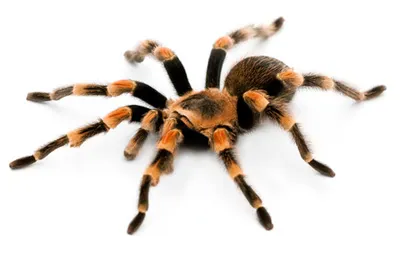
The Mexican Redleg Tarantula (Brachypelma hamorii), with its striking red and black coloration, is a popular choice among tarantula enthusiasts. These captivating arachnids, native to the arid regions of Mexico, are known for their relatively docile temperament and manageable care requirements. However, responsible ownership is paramount. Providing the right environment and understanding their needs is crucial for their well-being. This care sheet offers essential guidelines to ensure your Mexican Redleg tarantula thrives. It covers habitat setup, feeding, handling, and health considerations, providing everything you need to know about how to give your tarantula the best life possible.
Choosing Your Mexican Redleg Tarantula
Selecting a healthy Mexican Redleg Tarantula is the first step towards successful tarantula keeping. When choosing your tarantula, look for an active spider with a full abdomen, indicating it has been well-fed. Check for any missing legs or other visible injuries, as these can be signs of poor health or stress. The spider should also display a clean, shiny carapace (the top part of its body) and exhibit no signs of parasites or mites. Observe its behavior – a healthy tarantula should be alert and responsive to its surroundings, not sluggish or unresponsive. It’s always best to purchase from a reputable breeder or pet store specializing in arachnids to ensure you receive a healthy specimen and reliable information on its care.
Healthy Mexican Redlegs: Where to Buy

The health and well-being of your Mexican Redleg tarantula begin with where you purchase it. Reputable breeders and specialized pet stores are your best resources. These sources typically prioritize the health of their animals, providing optimal care and ensuring that the tarantulas are free from diseases and parasites. They can also offer valuable insights into the tarantula’s age, feeding habits, and any specific care needs. Avoid purchasing from sources that appear to lack experience or that offer tarantulas at significantly lower prices, as this may indicate poor care practices. Research local breeders and pet stores, read reviews, and inquire about their tarantula care protocols before making a purchase. Consider the age and sex of the tarantula to better suit your needs and experience levels as a keeper.
Habitat Setup for Mexican Redlegs
Creating the right habitat is crucial for the health and happiness of your Mexican Redleg tarantula. The enclosure should mimic their natural environment as closely as possible, providing both security and comfort. This involves selecting the right enclosure size, substrate, temperature, and humidity levels. A well-designed habitat not only meets the tarantula’s basic needs but also allows you to observe its fascinating behavior. Incorrect setup can lead to stress, illness, and even premature death. Take the time to research and set up the habitat before you bring your tarantula home, ensuring a smooth transition and a thriving environment.
Proper Enclosure Size
Choosing the right enclosure size is vital for the well-being of your Mexican Redleg Tarantula. The size of the enclosure should correspond to the size of the tarantula; a general guideline is to provide an enclosure that is at least twice the tarantula’s leg span in width and length, and the height should be sufficient to prevent falls. For a juvenile tarantula, a smaller enclosure, such as a 5-gallon tank, is often sufficient, while a larger adult tarantula will need a 10-gallon or larger terrarium. A secure lid is essential to prevent escapes, and the enclosure should be well-ventilated to ensure proper airflow and prevent the buildup of mold and mildew. Always prioritize the tarantula’s safety and comfort by providing adequate space for movement and exploration.
Substrate Selection
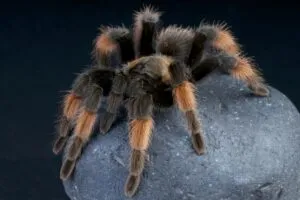
The substrate is the bedding material that covers the bottom of the enclosure and serves several important functions for your Mexican Redleg Tarantula. It provides a surface for the tarantula to walk on, burrow in, and molt. The substrate should be absorbent to help maintain the correct humidity level and should not be toxic or harbor harmful substances. Good substrate choices include a mixture of coconut fiber, peat moss, and a small amount of vermiculite. These materials are all natural, retain moisture well, and allow for burrowing. Avoid substrates like sand or gravel, which can be difficult for the tarantula to burrow in and may pose a risk if ingested. The depth of the substrate should be sufficient to allow for burrowing; a depth of 4-6 inches is generally recommended for adult tarantulas.
Temperature and Humidity
Maintaining the correct temperature and humidity levels is critical for the health and well-being of your Mexican Redleg Tarantula. These tarantulas thrive in a temperature range of 75-85°F (24-29°C). You can use a heat mat or a low-wattage heat lamp to maintain the correct temperature, ensuring the heat source is placed on the side of the enclosure to prevent overheating. Humidity levels should be kept between 60-70%. This can be achieved by lightly misting the enclosure with water every few days or by providing a shallow water dish. Regular monitoring with a hygrometer (humidity gauge) is essential to ensure that humidity levels stay within the optimal range. Proper temperature and humidity promote healthy molting, prevent dehydration, and support the overall health of your tarantula. Avoid drastic temperature fluctuations, as these can stress your pet.
Feeding Your Mexican Redleg Tarantula
Feeding your Mexican Redleg Tarantula is a straightforward process, but it’s crucial to understand their dietary needs and feeding habits. These tarantulas are opportunistic predators and primarily feed on insects. Providing the right prey items and ensuring a consistent feeding schedule is vital for their growth and overall well-being. Overfeeding can be as harmful as underfeeding, so it is essential to strike a balance. The size of the prey should be appropriate for the tarantula’s size; smaller prey items for juveniles and larger prey for adults. Always remove any uneaten prey items within 24 hours to prevent stress and potential harm to your tarantula. A well-fed tarantula will exhibit good health and vigor, while an underfed one may show signs of weakness.
Feeding Frequency and Prey Selection

The feeding frequency and prey selection are critical aspects of caring for your Mexican Redleg Tarantula. Juvenile tarantulas should be fed more frequently than adults, typically every 3-7 days. Adult tarantulas can be fed every 7-14 days, depending on their size and appetite. The prey should consist of live insects that are appropriate in size; crickets, mealworms, dubia roaches, and other commercially available feeder insects are all suitable choices. It’s important to vary the diet to provide a range of nutrients and prevent nutritional deficiencies. Always gut-load the feeder insects before feeding them to your tarantula by providing them with nutritious food, such as vegetables and commercial insect food. This ensures that your tarantula receives the maximum nutritional value from its meals. Remove any uneaten prey within 24 hours to prevent stress on the tarantula.
Watering and Hydration
Providing fresh water is essential for your Mexican Redleg Tarantula’s hydration. A shallow water dish filled with clean water should always be available in the enclosure. The water dish should be shallow enough to prevent the tarantula from drowning, and it should be cleaned and refilled regularly to prevent bacterial growth. In addition to the water dish, you can also mist the enclosure lightly every few days to increase humidity and provide an additional source of moisture. Avoid over-misting, which can lead to excessive humidity and mold growth. Monitoring the water dish and misting schedule ensures that your tarantula stays hydrated and maintains its overall health. Ensure the water is chlorine-free, using either bottled water or tap water that has been dechlorinated.
Handling and Safety
While Mexican Redleg Tarantulas are known for their relatively docile temperament, it’s crucial to prioritize safety and exercise caution when handling them. Tarantulas are not naturally inclined to be held, and handling can stress them, potentially leading to defensive behaviors. Always approach your tarantula slowly and calmly, and avoid sudden movements or loud noises. Before handling, it’s important to understand your tarantula’s temperament and body language. Never force the tarantula to be handled. When handling is necessary, do so over a soft surface, such as a bed or a carpet, to minimize the risk of injury if the tarantula falls. Washing your hands before and after handling is also essential to prevent the transmission of any potential contaminants.
Understanding Mexican Redleg Temperament
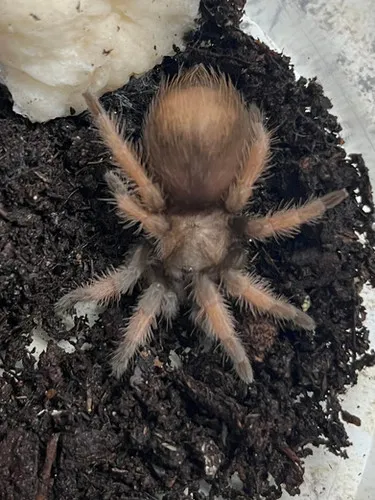
Understanding the temperament of your Mexican Redleg Tarantula is key to safe handling. While known for being relatively docile, individual tarantulas can exhibit varying personalities. Some may be more tolerant of handling, while others may be more skittish or defensive. Observe your tarantula’s behavior, looking for signs of stress or agitation, such as raising its front legs or flicking hairs from its abdomen (a defensive behavior). A tarantula that is in a defensive posture is best left alone. Build trust with your tarantula by providing a stable environment, avoiding sudden movements, and respecting its space. Over time, you may develop a better understanding of your tarantula’s personality and tolerance for handling.
Safe Handling Practices
If you choose to handle your Mexican Redleg Tarantula, prioritize safety. Avoid handling the tarantula unless absolutely necessary, such as for enclosure maintenance or health checks. When handling, approach the tarantula calmly and slowly. Use a soft, broad surface like your hand to gently encourage the tarantula to walk onto your hand. Never try to grab or restrain the tarantula, as this can cause it to become defensive. Keep your movements slow and deliberate, and avoid any sudden jerks or drops. Always handle the tarantula close to the ground or over a soft surface in case it falls. Be mindful of the tarantula’s body language, and if it shows any signs of stress or agitation, gently place it back into its enclosure. Handle your tarantula with caution and respect.
Common Health Issues and Solutions
Like any pet, Mexican Redleg Tarantulas can experience health issues. Recognizing the signs of illness early and taking prompt action is crucial for their recovery. Common health problems include dehydration, parasites, and issues related to the molting process. Maintaining a clean and well-regulated environment, with proper temperature, humidity, and hygiene, can help prevent many health issues. Regularly inspect your tarantula for any unusual symptoms, such as lethargy, loss of appetite, or changes in its appearance. If you notice any concerning symptoms, consult a veterinarian experienced in exotic animals. Early detection and treatment can significantly increase the chances of a positive outcome.
Molting Process

Molting is a natural and essential process for tarantulas, during which they shed their exoskeletons to grow. The frequency of molting depends on the tarantula’s age and growth rate; younger tarantulas molt more frequently than adults. Before molting, your tarantula may become lethargic, stop eating, and may even flip onto its back. Do not disturb the tarantula during this process. Provide a humid environment during molting to prevent the exoskeleton from drying out. After molting, the tarantula will be very vulnerable, and its new exoskeleton will be soft. Do not feed it for a few days until its exoskeleton has hardened. Molting is a sign of a healthy and growing tarantula, and it is a crucial part of their life cycle. The molt process can take hours. Do not intervene.
Signs of Illness
Recognizing the signs of illness in your Mexican Redleg Tarantula is essential for providing timely care. Some common signs of illness include loss of appetite, lethargy, and changes in behavior, such as a lack of movement or unresponsiveness. Other signs may include changes in the tarantula’s appearance, such as a shrunken abdomen or discoloration of the carapace or legs. If you notice any of these signs, it’s important to investigate the cause. Check the enclosure conditions, ensure the correct temperature and humidity levels, and examine the substrate for any signs of mold or parasites. If the symptoms persist or worsen, it’s crucial to consult a veterinarian experienced in exotic animals for a diagnosis and appropriate treatment. Early detection and intervention are crucial for the health and well-being of your tarantula.
Preventative Care
Preventative care is key to ensuring the long-term health of your Mexican Redleg Tarantula. This includes maintaining a clean and well-regulated environment, providing a balanced diet, and regularly monitoring your tarantula’s health and behavior. Regular enclosure maintenance, such as removing uneaten food and cleaning the water dish, will help to prevent the growth of bacteria and parasites. Providing a diverse diet with gut-loaded feeder insects will ensure that your tarantula receives all the necessary nutrients. Regular observation and monitoring for any signs of illness or stress can help you to identify and address any potential problems early. Preventative care will significantly improve the chances of your tarantula living a long and healthy life.
Frequently Asked Questions About Mexican Redleg Tarantula Care
Keeping a Mexican Redleg Tarantula can bring joy, but many new keepers have questions. Here are some common questions to address specific concerns. What is the lifespan of a Mexican Redleg Tarantula? Female Mexican Redleg Tarantulas can live for 20-25 years, while males typically live for 5-8 years. What do Mexican Redleg Tarantulas eat? They primarily eat insects like crickets, mealworms, and roaches. How often should I feed my tarantula? Juveniles should be fed every 3-7 days, and adults can be fed every 7-14 days. Is it safe to handle a Mexican Redleg Tarantula? While relatively docile, handling should be kept to a minimum due to the potential for stress and injury. Where should I keep my tarantula’s enclosure? Keep the enclosure in a quiet area away from direct sunlight and drafts. By understanding these basics and addressing common questions, you can provide optimal care for your Mexican Redleg Tarantula.