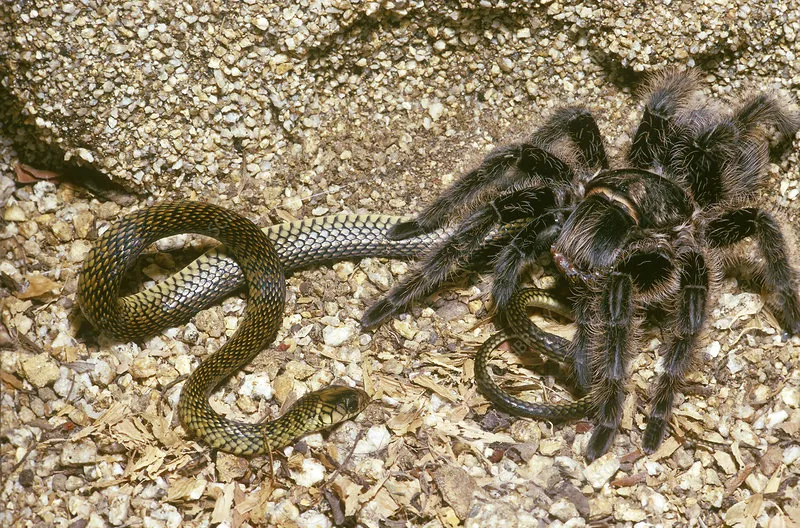
What Do Tarantulas Eat?
Understanding a tarantula’s diet is crucial for responsible pet ownership. These fascinating creatures have specific dietary needs that, when met, ensure their health, longevity, and overall well-being. Unlike some pets, tarantulas have a relatively simple diet, but it’s essential to get it right. The following guide will explore the key aspects of a tarantula’s diet, from the primary food sources to the frequency of feeding and what to avoid. By providing the right nutrition, you can create a thriving environment for your tarantula and enjoy the unique experience of caring for this remarkable arachnid. Let’s delve into the essential aspects of a tarantula’s diet to ensure your pet lives a long, healthy life.
Insects as a Primary Food Source
The cornerstone of a tarantula’s diet is insects. In their natural habitats, tarantulas are opportunistic predators, primarily consuming insects that they can overpower. This dietary preference translates seamlessly into a captive environment, where insects remain the most appropriate and readily available food source. Providing a diverse range of insects ensures that the tarantula receives a balanced intake of essential nutrients. This section will look closely at the best insect choices for your tarantula’s diet, ensuring optimal health and vitality.
Crickets

Crickets are a staple food item for many tarantula owners. They are relatively easy to obtain, readily available at most pet stores, and provide a good source of protein. When selecting crickets, it’s important to choose appropriately sized ones; the prey should be no larger than the tarantula’s abdomen. Overfeeding can lead to uneaten crickets in the enclosure, which can stress the tarantula and potentially harm it. Before feeding, it’s beneficial to gut-load the crickets. Gut-loading means feeding the crickets nutritious food, such as fruits and vegetables, for 24 hours before offering them to your tarantula. This enriches the nutritional value of the crickets, transferring vital vitamins and minerals to your tarantula, supporting its overall health and vitality.
Roaches
Roaches, such as dubia roaches, are another excellent food source. They offer several advantages over crickets, including a longer lifespan and the ability to burrow, which can reduce the likelihood of escape within the enclosure. They are also more nutritious, with a higher protein content and a more favorable calcium-to-phosphorus ratio. Similar to crickets, the size of the roach should be appropriate for the tarantula. Careful observation during feeding can help prevent overfeeding and ensure that your tarantula is getting the right amount of food. It is recommended to gut-load roaches before feeding, increasing their nutritional value and contributing to your tarantula’s well-being. Roaches are an excellent choice for tarantulas.
Mealworms
Mealworms, the larval stage of the mealworm beetle, are another viable option. They are easy to store and readily available. However, they have a tough exoskeleton and a relatively low nutritional value compared to crickets and roaches. Because of this, mealworms should not be the sole component of a tarantula’s diet. They can be offered occasionally as a treat or as part of a varied diet. Supplementing the mealworms with other insect types and gut-loading them can help increase their nutritional value, making them a better choice for your tarantula. When feeding mealworms, monitor your tarantula’s feeding response. Remove any uneaten mealworms from the enclosure to maintain a clean environment.
Other Insects in the Tarantula Diet

Beyond the common options, various other insects can be incorporated into a tarantula’s diet to provide diversity and nutritional benefits. Superworms, another type of beetle larva, are larger than mealworms and offer a higher fat content. However, they should be used sparingly, as an excess of fat can be detrimental to the tarantula’s health. Grasshoppers, collected from an area free of pesticides, can provide a good source of nutrients. The introduction of various insects keeps the tarantula stimulated and ensures a broader range of vitamins and minerals. Always ensure the insects are pesticide-free to protect your tarantula’s health. A diverse diet contributes to a healthier and more vibrant tarantula.
Mammals and Reptiles (Less Common)
In the wild, tarantulas are opportunistic hunters, sometimes consuming small vertebrates. In captivity, pinky mice (baby mice) can be occasionally offered to adult tarantulas. However, pinky mice are high in fat and should not be a regular part of the diet. Offer them infrequently to avoid health issues. Small lizards can also be considered; however, their availability and ethical sourcing can be challenging. When offering vertebrates, ensure they are obtained from a reputable source to reduce the risk of disease. The inclusion of such prey should always be balanced with the tarantula’s primary insect-based diet to maintain optimal health.
Pinky Mice
Pinky mice, the hairless baby mice, can be an occasional treat for adult tarantulas. They provide a significant amount of protein. Yet, as a high-fat food, pinky mice should only be offered sparingly. Overfeeding pinky mice can lead to obesity and other health problems. Observe your tarantula’s feeding habits and body condition to determine how often to offer them. A tarantula should typically consume the pinky mouse within a day or two. Remove any uneaten portions to prevent hygiene issues. Proper portion control and infrequent feeding are key to safely integrating pinky mice into your tarantula’s diet.
Small Lizards

Small lizards are another potential food source, although their use is less common. They offer a varied nutritional profile and stimulate a tarantula’s natural hunting instincts. However, it is essential to ensure the ethical sourcing of lizards and the absence of parasites or diseases. Due to the challenges of obtaining and preparing lizards, they should be considered an occasional addition rather than a staple. Thoroughly research and understand the potential risks before incorporating lizards into your tarantula’s diet. Regular and thorough cleaning of the enclosure is essential.
How Often Should You Feed a Tarantula?
The frequency of feeding a tarantula depends on several factors, including the tarantula’s age, species, and overall metabolism. Understanding these factors will help you establish a feeding schedule that promotes your tarantula’s health and well-being. Overfeeding can lead to issues, while underfeeding can stunt growth. The following information provides guidelines and helps you personalize the feeding plan for your tarantula. Careful monitoring and observation are critical to ensuring your tarantula’s dietary needs are met.
Feeding Schedule for Spiderlings
Spiderlings, the young tarantulas, require more frequent feeding due to their rapid growth. They should typically be fed every day or every other day. The food items offered should be appropriately sized for their delicate bodies, such as small pinhead crickets or fruit flies. Careful observation of their feeding behavior is key. If the spiderling consistently refuses food, you may need to adjust the feeding frequency or offer a different type of insect. Maintaining a consistent schedule, while monitoring the spiderling’s condition, is essential to ensuring proper development. Regular cleaning of the enclosure and removing any uneaten food will contribute to the spiderling’s health and prevent potential issues.
Feeding Adult Tarantulas

Adult tarantulas have slower metabolisms, thus require less frequent feeding. A general guideline is to feed adult tarantulas once or twice a week. However, this can vary based on the species and the individual tarantula’s eating habits. Monitor your tarantula’s abdomen. A well-fed tarantula should have a plump abdomen, which can indicate a sufficient amount of food intake. If the abdomen appears overly large or if the tarantula becomes inactive, you may need to reduce the feeding frequency. Observation and adjusting the schedule based on your tarantula’s needs will ensure its well-being. Remember to remove uneaten food within 24 hours to prevent the growth of mold.
Factors Affecting Feeding Frequency
Several factors influence the appropriate feeding frequency for tarantulas. These include the tarantula’s size and age, species, and environmental temperature. Adjusting the feeding schedule according to these factors is important for maintaining your tarantula’s health. It is essential to closely monitor your tarantula’s behavior and overall condition to make the necessary adjustments. Understanding how these factors impact the tarantula’s needs can help you become a more informed and successful pet owner.
Size and Age
Younger tarantulas need more frequent feeding due to their rapid growth. As they mature, their metabolisms slow down, and they require less food. Larger tarantulas also generally require more food than smaller ones. The size of the prey should align with the tarantula’s size to ensure it can effectively consume it. Regularly evaluate the tarantula’s size and adjust the feeding schedule. This can range from feeding spiderlings almost daily to feeding adult tarantulas once or twice a week, depending on their needs.
Species

Different tarantula species have different dietary requirements and metabolic rates. Some species are known to be more voracious eaters than others. Certain species are adapted to consume particular types of prey in their natural habitat. Researching the specific needs of your tarantula species is crucial for ensuring optimal health and well-being. Adjusting your feeding schedule based on the species’ characteristics and natural feeding habits is one of the best ways to take care of your pet tarantula. Always consider the specific requirements of your tarantula to promote a thriving environment.
Temperature
Temperature plays a crucial role in a tarantula’s metabolism and appetite. Warmer temperatures tend to accelerate metabolism, leading to increased activity and the need for more frequent feeding. Colder temperatures, on the other hand, slow down the metabolism, causing the tarantula to eat less. You can adjust the feeding frequency based on the temperature of the enclosure. During colder months, you might need to reduce the amount of food you offer or feed them less frequently. During warmer months, when their metabolism is higher, the tarantula may benefit from more frequent feeding. Regular monitoring of the enclosure’s temperature and the tarantula’s feeding response will help you determine the proper feeding schedule.
What Not to Feed Tarantulas
Just as understanding what tarantulas should eat is essential, it’s equally important to know what they should not eat. Certain foods can be toxic, lack nutritional value, or pose other health risks. Avoiding these foods is paramount to ensuring your tarantula’s health and longevity. By knowing what to avoid, you can prevent potential problems and keep your tarantula healthy and happy. This section will identify foods to steer clear of and the reasons why they can be harmful to your pet.
Toxic Foods

Some foods are inherently toxic to tarantulas. These foods can cause serious health issues or even death. Avoid feeding your tarantula any insects or other prey items collected from areas treated with pesticides or insecticides. These chemicals can be deadly to arachnids. Do not feed wild-caught insects unless you are certain they haven’t been exposed to any harmful substances. Also, refrain from feeding your tarantula any processed human foods, which can contain additives and preservatives that are not suitable for their digestive systems. Always prioritize the safety of your tarantula by providing a diet free of toxins.
Foods Lacking Nutritional Value
Certain foods, although not toxic, lack the necessary nutritional value to support a tarantula’s health. These foods should be avoided or offered sparingly. Avoid feeding your tarantula dog or cat food, which is formulated for the nutritional needs of different animals. Avoid offering foods high in sugar, as tarantulas do not process sugar effectively. Sticking to a diet based on insects and occasional vertebrate prey, as outlined in the previous sections, will provide a balanced nutritional profile. Remember that a varied and balanced diet is crucial for maintaining a healthy and happy tarantula.
Importance of a Balanced Diet for Tarantulas
Providing a balanced diet is crucial for your tarantula’s overall health and well-being. A well-rounded diet contributes to proper growth, molting, and the overall vitality of the tarantula. Incorporating the right mix of nutrients supports the tarantula’s immune system, making it more resistant to diseases. This section will highlight the importance of a balanced diet and the elements that make up the complete dietary profile. By focusing on these aspects, you can ensure your tarantula receives the nourishment it requires.
Nutritional Needs
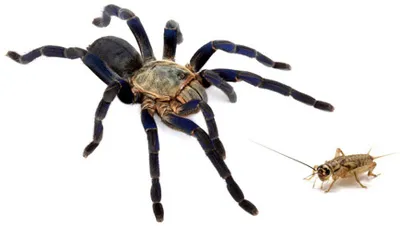
Tarantulas have several essential nutritional needs that must be met through their diet. A sufficient amount of protein is vital for growth, molting, and tissue repair. They also need a certain amount of fats for energy and the absorption of fat-soluble vitamins. Vitamins and minerals are essential for various metabolic functions. Insect prey provides these essential nutrients. A balanced diet should include prey items that offer a variety of these nutrients, contributing to your tarantula’s long-term health and vitality. Providing a nutritious and balanced diet is a key part of taking care of your tarantula.
Hydration
Water is a fundamental component of a tarantula’s diet, and access to fresh water is essential. Tarantulas obtain hydration from their food and by drinking from a water dish. Always provide a shallow water dish with fresh water and ensure it is regularly cleaned. Spiderlings may need water droplets sprayed on the enclosure walls. Without adequate water intake, tarantulas can become dehydrated, which can lead to serious health issues. Regular monitoring and maintenance of the water source are crucial for your tarantula’s health.
Supplements (If Needed)
In most cases, a properly balanced diet of insects is sufficient to meet a tarantula’s nutritional needs. However, in some instances, supplementation might be considered. Gut-loading the insects before feeding them to your tarantula can enhance their nutritional value. If you notice any signs of nutritional deficiencies, such as slow growth or poor molting, consider consulting with a veterinarian or an experienced tarantula keeper. Using supplements should always be done cautiously. Over-supplementation can be as harmful as under-supplementation. Consult with professionals before adding supplements to the tarantula’s diet to ensure you are not causing any harm. Proper nutrition is one of the most critical steps in caring for your tarantula.
In conclusion, providing a balanced diet is crucial for the health and well-being of your tarantula. By understanding what tarantulas eat, how often to feed them, and what to avoid, you can create a thriving environment for these fascinating creatures. Remember to prioritize insects as the primary food source, adjust the feeding schedule based on your tarantula’s age and species, and always provide fresh water. With the right care and attention, you can enjoy the unique experience of caring for a tarantula and witness its amazing life cycle. This guide provides the essential information to help you become a responsible and informed tarantula owner. Enjoy the journey of raising your tarantula!