What Do Tarantulas Eat?
Understanding the tarantula diet is crucial for keeping these fascinating creatures healthy and thriving in captivity. Tarantulas are primarily insectivores, meaning their diet mainly consists of insects. However, the specific types of insects and the frequency of feeding can vary depending on the tarantula’s species, size, and age. Providing the right nutrition is essential for their growth, molting process, and overall well-being. A well-balanced diet will not only keep your tarantula healthy but also enhance their vibrant colors and behaviors. Feeding time is also a great way to observe and interact with your pet, making it a rewarding experience for both the owner and the tarantula.
The Natural Diet of Tarantulas
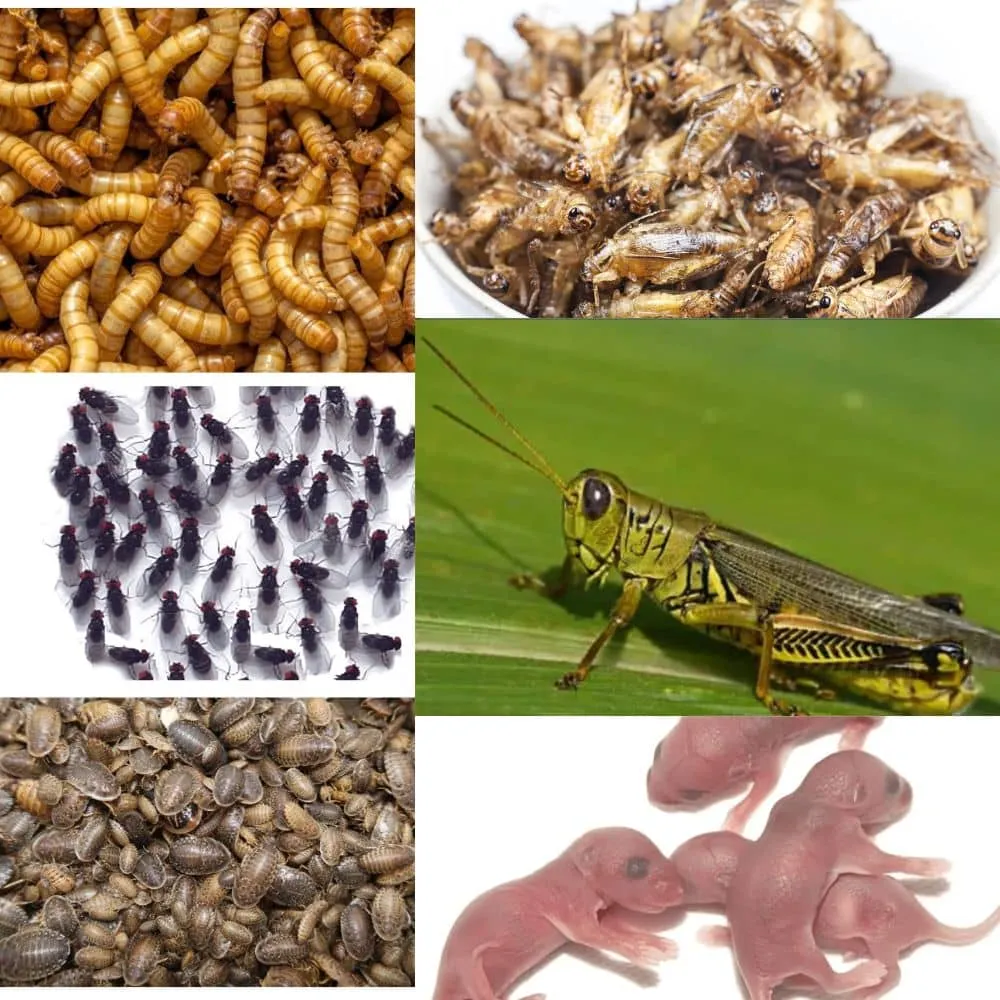
In their natural habitat, tarantulas are opportunistic hunters, meaning they eat whatever insects they can catch. This typically includes a variety of insects such as crickets, grasshoppers, beetles, and even small vertebrates like small lizards or rodents. The diet of wild tarantulas is highly diverse and dependent on the availability of prey in their specific environment. This natural variety is a key aspect to keep in mind when planning your pet tarantula’s diet. Replicating a diet that is as close as possible to their natural one will ensure they receive all necessary nutrients for proper development and health, and that it closely meets their instinctual feeding behaviors.
Insects As Staple Food

In captivity, the most common and readily available food source for tarantulas is insects. It’s important to provide a variety of insects to ensure a balanced diet. Not all insects are created equal in terms of nutritional value, so a mix of different types is ideal. Always make sure the insects are sourced from a reliable supplier to avoid potential parasites or pesticides that could harm your tarantula. Feeding your tarantula can become quite an engaging part of tarantula ownership, so it is important to know the right type of insect to get for your tarantula, to make sure they will stay healthy.
Crickets
Crickets are a popular and readily available food source for tarantulas. They are relatively easy to keep and breed, and they provide a good source of protein. When feeding crickets, ensure that they are gut-loaded. Gut-loading involves feeding the crickets a nutritious diet (such as vegetables and commercial cricket food) before offering them to your tarantula. This process enhances the nutritional value of the crickets and ensures that your tarantula receives essential vitamins and minerals. The size of the crickets should be appropriate for the tarantula’s size – generally, the prey should be no larger than the tarantula’s body.
Roaches
Roaches, such as Dubia roaches, are another excellent food source for tarantulas. They are more nutritious than crickets, offering a higher protein content and a better calcium-to-phosphorus ratio. Roaches are also less likely to escape from the enclosure compared to crickets, making them a convenient choice. Like crickets, roaches should be gut-loaded before feeding to your tarantula. Roaches are a great alternative to crickets because they provide a more nutritious meal and are a bit easier to manage in the terrarium environment. This also means less work for you, while keeping your tarantula healthy.
Mealworms

Mealworms are another option, though they have a harder exoskeleton and are lower in nutritional value compared to crickets and roaches. Mealworms are best offered as a supplemental food source. It’s essential to provide variety in your tarantula’s diet, so include mealworms alongside other insects. Mealworms can be easier to store and maintain than some other insects, but it’s important not to rely on them as the sole source of food. Always ensure mealworms are properly stored and fed a nutritious diet before offering them to your tarantula. Also, if you are going to use mealworms, they need to be small for the smaller tarantulas, for the bigger ones they are easier to eat.
Other Insects and Their Nutritional Value
Beyond crickets, roaches, and mealworms, other insects like grasshoppers, silkworms, and hornworms can be offered to tarantulas. Each insect type has its own nutritional profile, so a varied diet provides a broader range of nutrients. Always research the nutritional value and suitability of any insect before offering it to your tarantula. Some insects might be higher in fat or have a less favorable calcium-to-phosphorus ratio. Before introducing a new insect, observe your tarantula’s behavior and reaction to the new food. A diverse diet will help ensure your tarantula receives all the necessary nutrients, supporting its overall health and well-being. However, always make sure to gutload the insects you are planning to feed your tarantula.
Supplementing the Diet
While a varied insect diet provides most of the necessary nutrients, some tarantula keepers supplement the diet with additional vitamins and minerals. Calcium and vitamin D3 are often added, especially for juveniles and females, to support healthy growth and molting. This can be done by dusting the insects with a supplement powder before feeding. It’s crucial to avoid over-supplementation, as this can lead to health problems. Always follow the instructions on the supplement package and consult with a veterinarian or experienced tarantula keeper for guidance. Supplements are a way to ensure that your tarantula receives the full range of nutrients needed for optimal health, longevity and growth.
Feeding Frequency

The frequency of feeding depends on the tarantula’s age and size. Spiderlings and juveniles need to be fed more often than adults. Overfeeding can be as detrimental as underfeeding, so it’s essential to find the right balance. A well-fed tarantula will have a plump abdomen, indicating a healthy condition. Regular observation and adjustment of the feeding schedule are key to maintaining your tarantula’s health. This ensures the tarantula is not only well-fed but also avoids the risk of obesity. The best way to adjust the feeding schedule is to examine the size of the tarantula’s abdomen – if it is too plump, feed it less, and if it looks sunken, increase the feedings.
How Often Should You Feed Your Tarantula?
Spiderlings (young tarantulas) typically need to be fed 2-3 times a week. As they grow, the feeding frequency can be reduced. Sub-adults (tarantulas nearing adulthood) can be fed once or twice a week. Adult tarantulas only need to be fed once every 1-2 weeks, or even less often. It’s important to monitor the tarantula’s abdomen size. If the abdomen is too large and round, reduce the feeding frequency. If the abdomen appears sunken or thin, increase the feeding frequency. The feeding frequency also depends on the species of tarantula; some species are naturally more voracious eaters.
Adjusting for Size and Age
The size of the prey should also be adjusted according to the tarantula’s size. Spiderlings should be offered small prey items, such as pinhead crickets or flightless fruit flies. As the tarantula grows, you can gradually increase the size of the prey. Adult tarantulas can handle larger prey items like adult crickets or roaches. It is important to remove any uneaten food within 24 hours to prevent stress and potential hazards, such as mites and mold. A young tarantula will need much smaller prey items than a fully grown one, so always make sure to adjust the diet to the specific tarantula.
Proper Feeding Techniques

When feeding your tarantula, it is essential to use the right techniques to ensure the process is safe and effective. The method of feeding should minimize stress for the tarantula and reduce the risk of injury to both the pet and the owner. Always use long tongs to offer the prey to the tarantula. This keeps your hands at a safe distance. Observe your tarantula to see if it is hungry and ready to eat. If the tarantula does not show interest in the prey, it is likely not hungry. If you are feeding an arboreal species, consider placing the prey in a location where the tarantula is most likely to hunt. The goal is to create a low-stress and natural feeding experience.
Removing Uneaten Food
Any uneaten food should be removed within 24 hours. Leaving uneaten prey in the enclosure can stress the tarantula and also pose a risk. The prey can hide and stress the tarantula, or even attack it during molting, when the tarantula is most vulnerable. The uneaten prey can also attract mites, which can infest the enclosure and harm the tarantula. Inspect the enclosure regularly for any uneaten food and remove it promptly. This also helps maintain a clean and healthy environment for your tarantula. Removing the uneaten food is a fundamental part of tarantula care and promotes a long and healthy life for your pet.
Providing Water
Besides food, providing a constant source of fresh water is critical for your tarantula’s health. Tarantulas absorb water through their food and by drinking from a water source. Always provide a shallow water dish in the enclosure. The dish should be shallow enough to prevent the tarantula from drowning. For spiderlings, use a bottle cap filled with water or a cotton ball soaked with water. Change the water regularly to keep it clean and prevent bacterial growth. Proper hydration is vital for your tarantula’s health, especially during molting. Dehydration can make it difficult for the tarantula to shed its exoskeleton and can lead to serious health issues.
Avoid Overfeeding

Overfeeding is one of the most common mistakes tarantula owners make. Overfed tarantulas can become obese, leading to health issues. It can also make the molting process more difficult and potentially dangerous. The tarantula’s abdomen should be slightly plump, not excessively round. Adjust the feeding frequency based on the tarantula’s abdomen size. A tarantula that is about to molt will usually refuse food, so it is essential not to force-feed it. Monitor your tarantula’s feeding habits, and always prioritize its health and well-being. This includes adjusting the diet when the tarantula is in premolt and molting. Premolt is when the tarantula is getting ready to molt, and they are less likely to eat during this time.
Common Feeding Mistakes
Several common mistakes can impact the health of your tarantula. Feeding the tarantula prey that is too large can stress it. Offering a diet that is not varied leads to nutritional deficiencies. Not gut-loading the insects can reduce their nutritional value. Not removing uneaten food can introduce stress. Failing to provide fresh water is also a significant mistake. Always research and understand the specific needs of your tarantula species. Being attentive to these aspects of tarantula care can keep your tarantula happy and healthy. These mistakes can negatively affect the tarantula’s health and significantly shorten its lifespan, so it is important to learn and avoid them.
The Importance of a Balanced Diet
A balanced diet is crucial for the overall health and longevity of your tarantula. A varied diet with a mix of different insects ensures your tarantula gets all the necessary nutrients, vitamins, and minerals. Supplementing the diet with calcium and vitamin D3 can support healthy growth and molting, especially in juveniles. Observing your tarantula’s eating habits and adjusting the feeding schedule based on its size and age is vital. Always provide fresh water and maintain a clean enclosure. By understanding and following the tarantula diet guidelines, you can ensure your pet thrives and enjoys a long, healthy life. A proper diet is the cornerstone of tarantula care, promoting a thriving and beautiful pet.