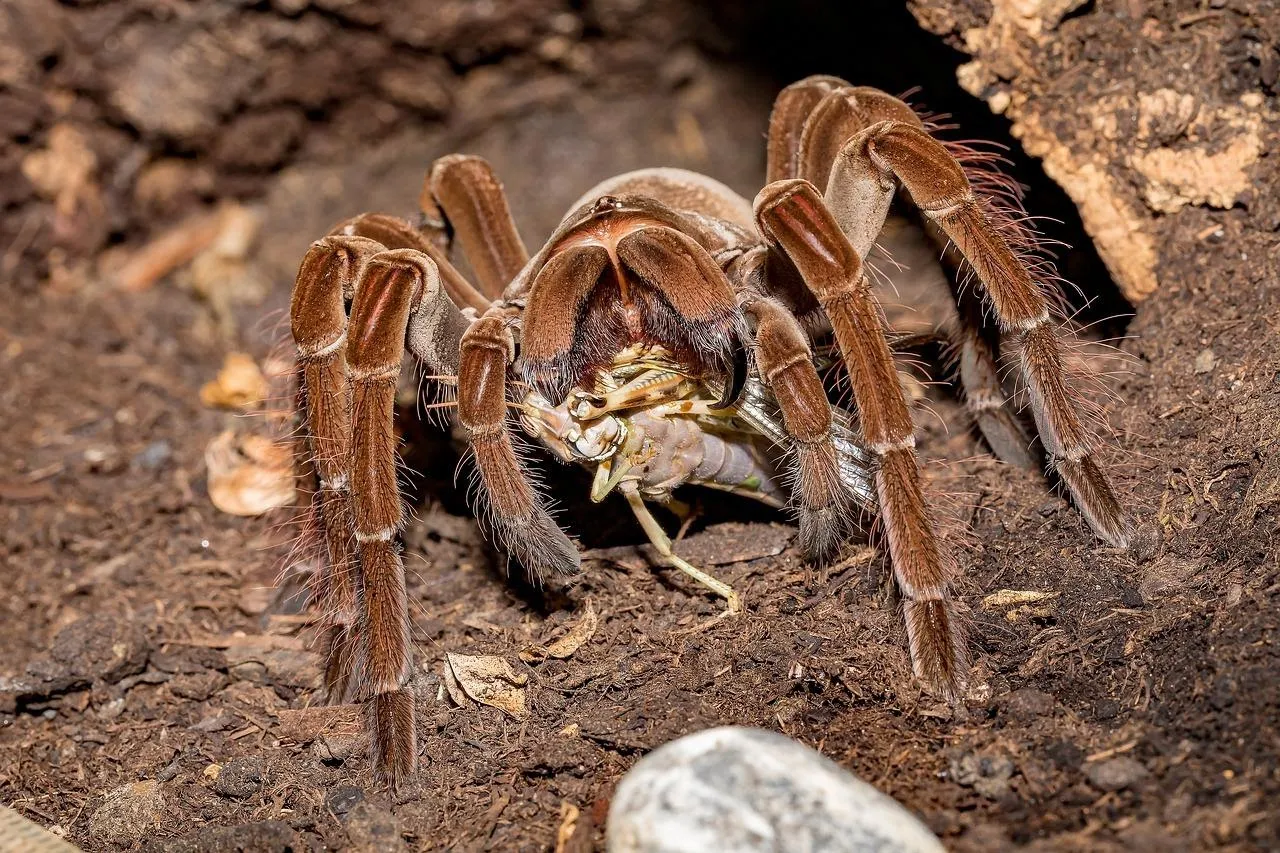
What Do Tarantulas Eat
Understanding the natural diet of a tarantula is the first step in providing proper care. In the wild, tarantulas are opportunistic predators, feeding primarily on insects and other invertebrates. The specific diet of a tarantula can vary depending on its size, species, and the availability of prey in its habitat. However, a consistent theme is their carnivorous nature, with a strong preference for live food. This means that in captivity, replicating this diet is essential for the health and well-being of your pet tarantula. The size of the prey should also be carefully considered, ensuring it is appropriate for the size of the tarantula to avoid any feeding difficulties or potential hazards.
The Importance of a Balanced Diet
Just like any other pet, tarantulas require a balanced diet to thrive. A balanced diet for a tarantula involves providing a variety of food sources to ensure they receive all the necessary nutrients. A diet lacking in essential nutrients can lead to health problems, such as poor growth, weakened exoskeletons, and a reduced lifespan. Therefore, it’s crucial to offer different types of insects and consider supplementing their diet with vitamins or minerals if necessary. Proper nutrition supports their molting process, energy levels, and overall vitality. Understanding the nutritional needs of your specific tarantula species is essential for maintaining its health and longevity.
Types of Insects for Tarantulas

Several types of insects are suitable for feeding tarantulas, each offering different nutritional benefits. Crickets are a common and easily accessible food source. Mealworms, while high in protein, should be fed in moderation due to their chitin content, which can be difficult to digest in large quantities. Roaches, such as Dubia roaches, are another excellent choice, offering a good balance of nutrients. Other options include superworms, waxworms (as treats due to their high fat content), and even the occasional small pinky mouse for larger tarantulas, though this should be infrequent. The key is to provide a variety to ensure a well-rounded diet and to avoid nutritional deficiencies. Consider gut-loading the insects before feeding them to your tarantula to further enhance their nutritional value.
Feeding Frequency and Portion Size
The frequency of feeding and the portion size depend heavily on the age and size of the tarantula. Spiderlings, or young tarantulas, need to be fed more frequently, often every other day, due to their rapid growth. As tarantulas mature, the feeding schedule can be adjusted. Adults typically need to be fed once or twice a week. The size of the prey should correspond to the size of the tarantula, ensuring it is not too large to handle or too small to provide adequate nutrition. Overfeeding can lead to obesity, which can be detrimental to their health. Observing your tarantula’s behavior and body condition can help you determine the optimal feeding schedule and portion size.
How to Prepare Food for Your Tarantula
Proper preparation of food ensures your tarantula receives the maximum nutritional value while minimizing potential risks. Before feeding, it’s crucial to ensure the insects are healthy and free from any pesticides or parasites. You can gut-load insects by feeding them nutritious foods like vegetables, fruits, and commercial insect food for 24-48 hours before offering them to your tarantula. This process enriches the insects with vitamins and minerals, passing them on to your spider. Remove any uneaten insects within 24 hours to prevent them from bothering your tarantula or potentially harming it. Always provide fresh water in a shallow dish to maintain hydration.
Special Dietary Considerations for Spiderlings

Spiderlings, or young tarantulas, require specific dietary considerations due to their delicate nature and rapid growth. They need smaller, more frequent meals compared to adult tarantulas. Fruit flies, pinhead crickets, and small mealworms are excellent choices for spiderlings. It is essential to monitor their eating habits closely and adjust the size of the prey accordingly. Spiderlings are also more vulnerable to dehydration, so ensuring they have access to a shallow water dish or a water source like a cotton ball soaked with water is crucial. Providing a suitable environment with appropriate humidity levels is equally important for their development.
Water and Hydration for Tarantulas
Water is essential for tarantulas, not just for drinking but also for molting and overall health. Always provide a shallow water dish in their enclosure, ensuring the water is fresh and clean. The water dish should be small enough to prevent the tarantula from falling in and drowning. In addition to a water dish, maintaining the appropriate humidity level is vital for the tarantula’s health. Misting the enclosure regularly, particularly during molting, helps to provide the necessary humidity. Monitoring humidity levels with a hygrometer can ensure the enclosure meets the specific needs of your tarantula species. Providing access to water and maintaining adequate humidity are crucial aspects of tarantula care.
Common Mistakes in Tarantula Feeding
Several common mistakes can negatively impact a tarantula’s health. Overfeeding is a frequent issue, leading to obesity and health problems. Feeding prey items that are too large for the tarantula can pose a danger, causing stress and injury. Another mistake is not providing a varied diet, resulting in nutritional deficiencies. Feeding dead insects, unless freshly killed, can be risky due to the potential for bacterial growth. Failing to remove uneaten prey can stress the tarantula. Additionally, neglecting proper hygiene, such as not cleaning the enclosure and water dish regularly, can contribute to disease and health issues. Avoiding these common pitfalls is crucial for the well-being of your tarantula.
Signs of a Healthy Tarantula

Recognizing the signs of a healthy tarantula is essential for providing the best possible care. A healthy tarantula will have a plump abdomen, indicating it is well-fed. It should be active and responsive to its environment, exploring its enclosure and exhibiting normal behaviors. During molting, the tarantula should be able to shed its exoskeleton without difficulty. The exoskeleton should be intact, and the tarantula’s fangs and pedipalps should be in good condition. If a tarantula is eating regularly, drinking water, and exhibiting normal behaviors, this is generally a good sign of its health. Regular observation and attention to these signs are key to ensuring your tarantula lives a long and healthy life.