What Tarantulas Eat An Overview
Tarantulas, with their impressive size and captivating appearance, are fascinating creatures. One of the most common questions from new tarantula keepers is about their diet. Understanding what tarantulas like to eat is crucial for their health, growth, and overall well-being. The right diet ensures they thrive in captivity, exhibiting their natural behaviors and vibrant colors. A well-balanced diet replicates their natural feeding habits, supporting their energy needs and promoting longevity. This guide dives into the top 5 food favorites, along with important considerations like supplementation, feeding frequency, and adjusting for molting.
Live Insects
Live insects form the cornerstone of a tarantula’s diet, mirroring their natural prey in the wild. These invertebrates offer the necessary nutrients for growth and development. A variety of insects provides a balanced nutritional profile, and the movement of live prey stimulates the tarantula’s hunting instincts. Selecting the right insects is crucial to avoid parasites or pesticides that can harm your tarantula. Always ensure the insects are gut-loaded with nutritious food before offering them to your pet. This practice increases the nutritional value of the insects, benefiting the tarantula’s health. Proper gut-loading is an important step for maintaining a healthy tarantula.
Crickets

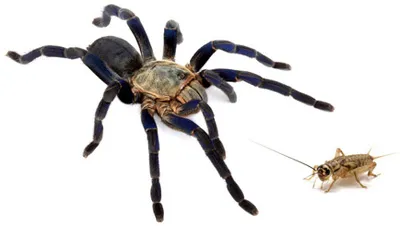
Crickets are a staple food for tarantulas and a widely available option. They are relatively easy to breed and maintain, making them a convenient choice for many keepers. Crickets are rich in protein and readily accepted by most tarantula species. When feeding crickets, it’s important to remove any uneaten ones within 24 hours, as they can stress or even harm the tarantula by biting. Gut-load the crickets with commercial cricket food or fresh vegetables to provide extra nutrients. The size of the crickets should match the size of your tarantula, ensuring it can successfully capture and consume them. Regular cricket feeding supports the tarantula’s energy needs, especially during growth periods.
Roaches
Roaches are another excellent food source, often considered superior to crickets due to their higher protein content and lower chitin levels, making them easier to digest. Dubia roaches and hissing cockroaches are popular choices among tarantula keepers. Roaches are also less likely to escape and hide in the enclosure, making cleanup easier. They are relatively slow-moving, making them easier for tarantulas to catch. Like crickets, roaches should be gut-loaded to maximize their nutritional value before feeding. The benefits include a more complete diet, supporting healthy growth and molting. Roaches can be a primary food source and add diversity to the diet.
Mealworms
Mealworms are readily available and easy to store, offering a convenient option for feeding tarantulas. While they are a good source of protein, mealworms have a hard exoskeleton that can be difficult for tarantulas to digest. Therefore, they should be offered in moderation, especially to younger tarantulas. It’s best to offer mealworms occasionally as a supplemental food source. They may not be the best option for every species, especially those that prefer softer prey. When feeding mealworms, consider offering them after they have molted into a softer, white form, making them easier to digest. Overfeeding mealworms can lead to impaction, so it is important to give them in moderation.
Superworms

Superworms, also known as Zophobas morio, are larger and offer more meat than mealworms. They are a good source of protein and fat, but similar to mealworms, they have a tough exoskeleton. Superworms should also be offered in moderation and are best suited for larger tarantula species. Superworms are more active than mealworms, providing a bit more of a hunting challenge for the tarantula. They can be a good supplement to a varied diet, but make sure they are not the sole food source. Always remove any uneaten superworms to avoid stressing your tarantula. Gut-loading them with nutritious food can enhance their value.
Other Insects
In addition to the above insects, you can also offer a variety of other options to keep your tarantula’s diet diverse. These include grasshoppers, waxworms (in moderation, as they are high in fat), and various types of caterpillars. The goal is to provide a range of nutrients and stimulate the tarantula’s interest in food. Consider the size and nutritional content of each insect before feeding. Wild-caught insects should be avoided due to the risk of pesticides or parasites. A diverse diet helps to meet all the nutritional needs of your tarantula. This can lead to a healthier, more vibrant, and active spider.
Mammals
While not a regular part of the tarantula diet, some keepers offer pinky mice, particularly to larger species. Pinky mice are young, hairless mice that provide a significant source of protein and fat. However, feeding pinky mice should be done sparingly, as they can be high in fat and lead to obesity in the tarantula. They should be considered a treat rather than a staple. Make sure the mouse is appropriately sized for the tarantula. Do not overfeed pinky mice. Always ensure the pinky mouse is pre-killed before offering it to prevent any harm to the tarantula. Overfeeding of mammals can affect the tarantula’s molting cycle.
Pinky Mice

Pinky mice are a supplemental food source that is offered to larger tarantulas. Due to their higher fat content, they should be given infrequently. They can offer a nutritional boost, particularly before molting. When using pinky mice, ensure the size is appropriate for your tarantula, and always pre-kill the mice before offering them. This will prevent the mouse from harming your tarantula. Pinky mice should never be the main component of your tarantula’s diet. They are best as an occasional treat to provide extra nutrients and variation in their diet.
Pre-killed vs Live Feeding
There’s a debate among tarantula keepers about the best feeding method. Both pre-killed and live feeding have their advantages and disadvantages. The choice often depends on personal preference, the tarantula’s temperament, and the keeper’s experience. Providing both options and observing your tarantula can help you decide which is the best approach for your specific pet. Consider the safety of your tarantula and the ethical implications of each method when making your decision. The key is to ensure the tarantula receives proper nutrition.
Pre-killed Feeding
Pre-killed feeding involves offering insects or other prey that have already been euthanized. This method eliminates the risk of the prey injuring or stressing the tarantula. It is a safe and ethical choice, particularly for beginners. It also gives the keeper control over the size and quantity of the food. With pre-killed feeding, you can ensure that the tarantula is able to safely consume its meal. You can use tweezers to offer the food, ensuring the tarantula eats without issue. This is a preferred choice when you are not sure of the tarantula’s hunting abilities, or if the tarantula has just molted.
Live Feeding

Live feeding allows the tarantula to exhibit its natural hunting behavior, providing enrichment and exercise. However, there is a risk of injury to the tarantula from the prey. Live prey can bite or scratch the tarantula, especially during molting. It is important to monitor the feeding to make sure the tarantula successfully captures the prey. If the prey is not eaten within 24 hours, it should be removed. Live feeding is more stimulating for the tarantula and can be enjoyable to observe. It is very important to observe the tarantula while it eats, and it is also very important to provide adequate hiding spaces for the prey, which increases its lifespan.
Supplementing the Tarantula Diet
Beyond the primary food sources, supplementing the tarantula’s diet with additional nutrients is important. Vitamins and minerals can boost their overall health. Providing fresh water is essential for hydration. Proper supplementation can help ensure your tarantula lives a long and healthy life. The needs of your tarantula can change as it grows, so it’s good to keep up with its requirements. Consulting with experienced keepers or a veterinarian specializing in exotic animals can provide personalized guidance.
Vitamins and Minerals
While a varied diet of insects usually provides most of the necessary nutrients, occasional supplementation can be beneficial. Calcium and vitamin D3 are especially important to support the exoskeleton during molting. You can dust the insects with a calcium and vitamin supplement before feeding. Be cautious with supplementation, as over-supplementing can be harmful. Always follow the instructions on the supplement packaging and consult with an expert. Supplements should enhance, not replace, a balanced diet. The health and well-being of your tarantula will depend on the correct use of these supplements.
Water

Fresh, clean water is vital for a tarantula’s health. They need water to stay hydrated, particularly in arid environments. Provide water in a shallow dish that is easily accessible. Use a water dish that is not too deep to prevent the tarantula from drowning. Change the water regularly to prevent bacteria growth. Using a cotton ball soaked with water can also be an alternative, especially for smaller tarantulas. Always ensure water is available, as dehydration can be fatal. Water is the most important dietary supplement.
Frequency of Feeding
The frequency of feeding varies depending on the tarantula’s age, species, and size. Spiderlings, or young tarantulas, need more frequent feeding than adults. Overfeeding can lead to obesity and other health issues, while underfeeding can stunt growth. It’s essential to adjust the feeding schedule based on your tarantula’s individual needs and monitor its condition. The size of the food should correspond to the tarantula’s size. Observing your tarantula will help you determine the right feeding frequency.
Feeding Based on Tarantula Size
Spiderlings, small tarantulas, should be fed more frequently, often every other day or every day. The size of the prey should be appropriate for their size. Juvenile tarantulas can be fed every three to four days, adjusting the frequency based on their appetite and growth. Adult tarantulas generally need to be fed once or twice a week. Adjust the feeding schedule based on the tarantula’s overall size and whether it is growing or not. Observe the tarantula and adjust the feeding frequency as needed.
Adjusting for Molting
Tarantulas molt, or shed their exoskeletons, as they grow. During this process, they are vulnerable and should not be fed. Stop feeding your tarantula a week or two before molting. Signs of an upcoming molt include a darkened abdomen, loss of appetite, and a change in behavior. Do not disturb the tarantula during molting. After molting, wait a few days for the exoskeleton to harden before resuming feeding. Once the exoskeleton has hardened, you can resume feeding. Adjust the feeding schedule and prey size appropriately. A successful molt is crucial for your tarantula’s health and growth.