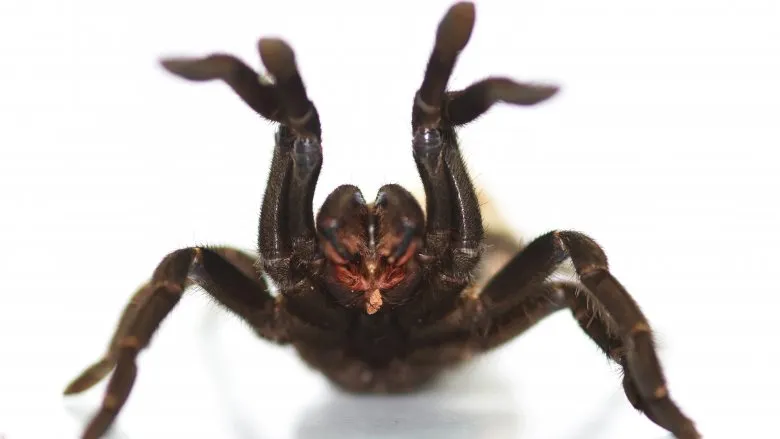
What Do Tarantulas Eat? An Overview
Tarantulas, with their impressive size and intriguing behaviors, captivate many pet enthusiasts. Understanding their dietary needs is crucial for their health and longevity. Unlike cats or dogs, tarantulas have specific requirements that must be met to thrive. This guide delves into the specifics of a tarantula’s diet, providing a comprehensive overview of the best foods, feeding schedules, and essential considerations for tarantula owners. Ensuring your tarantula receives the right nutrition is the cornerstone of responsible tarantula ownership, promoting a happy and healthy life for your eight-legged companion.
The Importance of a Balanced Diet
A balanced diet is paramount for a tarantula’s overall well-being. Just like any other living creature, tarantulas require a mix of nutrients to support various bodily functions, including growth, molting, and reproduction. A poorly balanced diet can lead to health issues, such as stunted growth, difficulty molting, or even premature death. Providing a variety of food sources ensures your tarantula receives all the essential vitamins, minerals, and proteins it needs to flourish. This section will examine the specific components of a healthy tarantula diet and why each is vital for their survival.
Why Nutrition Matters for Tarantulas

Nutrition directly impacts a tarantula’s health and behavior. A well-nourished tarantula will have more energy, exhibit healthier molting cycles, and be less susceptible to illnesses. Proper nutrition also plays a crucial role in their growth, especially during the spiderling stage. Inadequate nutrition can result in slower growth rates and weaker exoskeletons. Moreover, a balanced diet can influence a tarantula’s lifespan. By providing the right foods and maintaining a consistent feeding schedule, you can significantly contribute to your tarantula’s quality of life, ensuring it lives a long, healthy, and active life.
Top 5 Foods Tarantulas Eat
Tarantulas are opportunistic carnivores, meaning they’ll eat a variety of prey items. However, certain foods are more suitable and beneficial than others. Here are the top 5 foods that are commonly recommended and provide the essential nutrients tarantulas require. These food choices offer a balanced diet, contributing to the tarantula’s overall health and well-being. They also offer a convenient and easily accessible option for tarantula owners. Choosing the right food ensures a tarantula receives all the essential nutrients it needs.
Crickets as a Staple Food
Crickets are a widely available and popular food source for tarantulas. They are relatively easy to obtain and can be readily purchased from pet stores. Crickets provide a good source of protein, which is essential for the tarantula’s growth and development. Crickets are also naturally active prey, which can stimulate the tarantula’s hunting instincts. They are generally an excellent choice for many tarantula species, especially during the younger stages of their lives. The ease of availability and high nutritional value makes crickets a top choice for tarantula owners.
Pros and Cons of Using Crickets

While crickets are a beneficial food source, there are some considerations to keep in mind. Pros include their high protein content and availability. Cons include their tendency to hide and their short lifespan, which requires frequent replacements. Also, uneaten crickets can potentially stress the tarantula or even injure it during a molt. It’s essential to monitor your tarantula’s enclosure for uneaten crickets and remove them promptly. Gut-loading crickets (feeding them nutritious food before offering them to your tarantula) can enhance their nutritional value. Proper cricket care minimizes the cons and maximizes the benefits.
Mealworms as a Convenient Option
Mealworms offer a convenient alternative to crickets, especially for busy owners. They are easy to store and maintain, often available in bulk. Mealworms are relatively low-maintenance, requiring minimal care. However, they are not as nutritionally complete as crickets. While mealworms provide a decent source of protein, they are higher in fat and can be less appealing to some tarantulas. Mealworms can be a good option for supplementing the diet, but it is not wise to make them the only food source.
Nutritional Value of Mealworms
Mealworms offer a reasonable nutritional profile, but it’s essential to be aware of their limitations. They are a good source of protein, however, they also have a higher fat content than crickets. Overfeeding mealworms can lead to excessive weight gain, potentially impacting your tarantula’s health. It’s recommended to use mealworms as a supplemental food, mixing them with other options to provide a more balanced diet. Gut-loading mealworms is recommended to boost their nutritional value. It’s an easy way to enhance the health benefits of your tarantula’s diet.
Roaches for a Protein Boost

Roaches, like crickets, are an excellent source of protein for tarantulas. They are generally more nutritious than crickets and mealworms. Roaches are more durable, and therefore can live longer inside the tarantula’s enclosure. They also provide a higher protein content than many other feeder insects. Roaches can be a more natural food for the tarantula, encouraging hunting behavior. Roaches are a great option to add variety and promote a healthy, well-rounded diet for your tarantula.
Different Types of Roaches
Several types of roaches can be used as feeder insects for tarantulas, but some are better choices than others. Dubia roaches are a popular choice due to their high nutritional value and ease of breeding. They are also less prone to burrowing, making them easier to manage in an enclosure. Madagascar hissing roaches are another option but are a bit larger and may only be suitable for bigger tarantulas. Avoid using wild-caught roaches, as they can carry parasites or diseases. Always source roaches from reputable breeders to ensure quality and safety.
Other Insects Tarantulas Consume
Besides crickets, mealworms, and roaches, tarantulas can eat various other insects, enriching their diet and mimicking natural prey. Waxworms, though high in fat, can be given occasionally as a treat. Superworms offer a slightly different nutritional profile than mealworms. Locusts and grasshoppers are also a great choice. It’s wise to diversify your tarantula’s diet to cover all their nutritional requirements and to stimulate their hunting instincts. The key is to provide a balanced mix of insect species to guarantee all essential nutrients.
Feeding Pinky Mice

Pinky mice, which are baby mice, can also be offered to some tarantula species, particularly larger ones. Pinky mice provide a high-protein meal and can be an occasional treat. Pinky mice can offer a great change of food. However, they should not be a regular part of the diet. The high fat content and the potential risk of injury if the tarantula is not ready to eat them make it unwise to feed pinky mice as their sole diet.
Considerations When Feeding Mammals
While pinky mice can be an acceptable treat, there are important factors to consider. Feeding pinky mice too frequently can lead to obesity and other health issues in tarantulas. Always make sure the tarantula is large enough to handle the prey item, and remove any uneaten portions promptly to prevent mold or attracting pests. It’s crucial to assess the size and needs of the tarantula when choosing to feed pinky mice. Always prioritize the tarantula’s overall health, using pinky mice as an occasional supplemental treat, not a staple diet.
How Often Should You Feed Your Tarantula
The feeding frequency for tarantulas varies depending on several factors, including the tarantula’s age, size, and metabolism. Adjustments may be needed based on observation and the tarantula’s behavior. The age of the tarantula has a direct impact on how much and how often they eat. Observing your tarantula’s behavior can help you determine the perfect feeding schedule. The right frequency ensures that your tarantula is healthy.
Feeding Frequency for Spiderlings

Spiderlings, the young tarantulas, require more frequent feedings to support their rapid growth. Typically, spiderlings are fed 2-3 times per week. You can offer small, appropriately sized prey, such as pinhead crickets or small mealworms. Ensure the prey items are no larger than the spiderling’s abdomen to prevent injury. Always monitor the spiderling’s eating behavior, and adjust the feeding frequency as needed. Proper feeding frequency during the spiderling stage is crucial for the healthy development of the tarantula.
Feeding Frequency for Adults
Adult tarantulas have slower metabolisms and thus need less frequent feeding. Adult tarantulas can generally be fed once a week or every other week. The frequency can vary depending on the species and the tarantula’s individual appetite. Overfeeding can lead to health issues, so it is wise to monitor the tarantula’s abdomen size. Adjust the feeding schedule based on its body condition. A well-fed adult tarantula is typically a happy and healthy one.
Factors Influencing Feeding
Several factors affect a tarantula’s feeding habits. Temperature plays a major role, with warmer temperatures generally increasing metabolism and appetite. Molting is another crucial factor, and tarantulas usually stop eating before and during molting. The species of tarantula also influences its feeding habits. Always adjust your feeding plan based on these factors, adapting to the specific needs of your tarantula. Understanding and responding to these factors is crucial for keeping your tarantula in great health.
Hydration and Water for Tarantulas

Providing fresh, clean water is as critical as providing food for a tarantula. Tarantulas need water to hydrate and survive. Hydration ensures that the tarantula stays healthy and can successfully molt. A constant supply of clean water is essential. The importance of water to a tarantula can not be overstated.
Importance of Fresh Water
Tarantulas obtain water by drinking from their water dish. Fresh water is crucial for their hydration, as it aids in their molting process. The water dish should always be kept clean and regularly refilled with fresh water. Dehydration can cause severe health issues, and it can even prove fatal to the tarantula. Providing a consistent supply of clean water is essential for your tarantula’s health and longevity.
Water Dish Maintenance
Proper maintenance of the water dish is vital. The water dish should be shallow enough to prevent the tarantula from drowning. It should be cleaned regularly to prevent the buildup of bacteria or mold. The water should also be changed frequently, typically every 1-2 days, or more often if it becomes dirty. This care ensures that the tarantula has access to clean, fresh water at all times, contributing to its health and well-being.
Conclusion

Understanding a tarantula’s dietary needs is essential for responsible pet ownership. Providing a balanced diet of appropriate foods, adhering to a proper feeding schedule, and ensuring access to fresh water are critical aspects of tarantula care. By following the guidelines outlined in this article, you can ensure your tarantula thrives, living a long, healthy, and fascinating life. Remember that each tarantula is unique, and observing your pet’s behavior will help you fine-tune its diet and care to meet its individual needs. Enjoy the rewarding experience of caring for these amazing creatures.