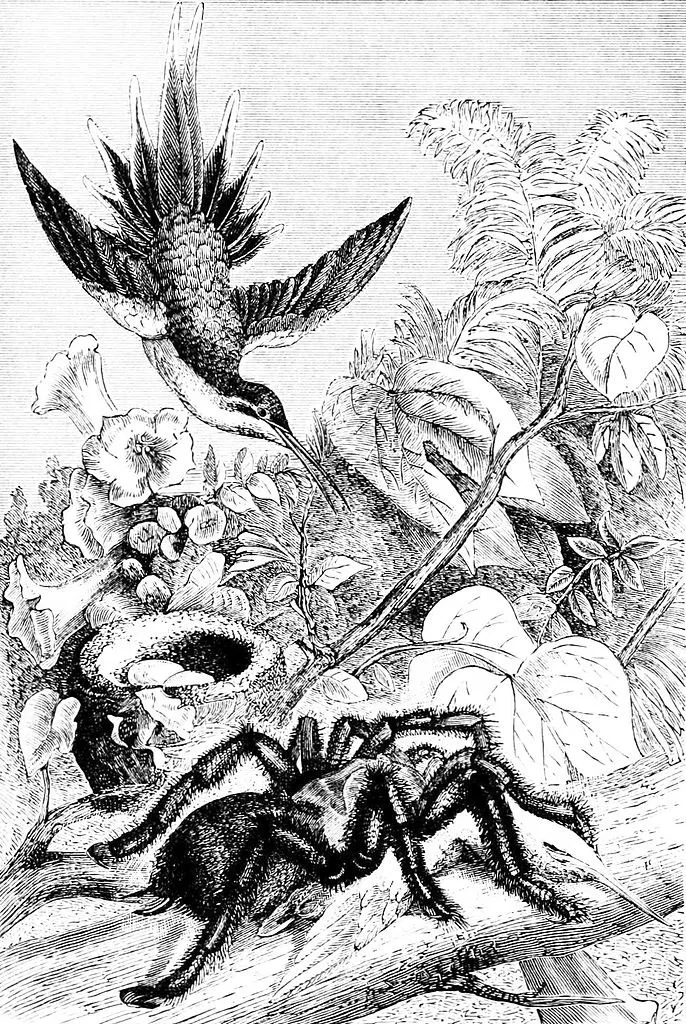
What Birds Eat Tarantulas
The image of a bird devouring a tarantula might seem like something out of a nature documentary, but it’s a reality in many ecosystems. Several bird species have evolved to include these large, hairy spiders in their diet. Understanding which birds prey on tarantulas can help you identify these predators and understand their role in the ecosystem. The relationship between birds and tarantulas is a fascinating example of predator-prey dynamics, where the survival strategies of each species influence the other. These interactions play a crucial role in regulating tarantula populations and maintaining ecological balance.
Identifying Bird Species
Identifying the specific bird species that eat tarantulas requires a keen eye and knowledge of bird behavior and physical characteristics. Bird identification often involves observing a combination of traits. This includes size, shape, and coloration, as well as the specific habitat they occupy. Different bird species have unique adaptations that allow them to hunt tarantulas, such as strong beaks or specialized hunting techniques. Careful observation can help you identify these predators and understand their ecological roles. Here’s a breakdown to help you identify potential tarantula-eating birds.
Physical Characteristics

Physical characteristics of birds provide clues about their diet and hunting habits. Birds of prey often possess sharp talons for catching and holding their prey. The beak shape can indicate the type of food a bird eats, with hooked beaks being common in birds that tear into flesh. Observing these physical attributes will offer clues about whether the birds are predators. A bird’s size and overall appearance can also hint at their diet. Larger birds may be more likely to hunt larger prey items like tarantulas, although this is not always the case. Coloration can help with identification, but it’s just one piece of the puzzle.
Behavioral Traits
Bird behavior offers another set of clues. Observe hunting techniques, such as swooping, perching, or ground foraging. Birds that actively hunt for prey often have distinct behaviors, such as hovering or diving. Nesting habits and feeding patterns can offer additional information. If you notice birds repeatedly visiting a particular area, it could indicate they are hunting or nesting nearby. Certain times of the day, such as dawn or dusk, are when birds are most active in their hunting activities. Understanding behavioral traits will improve your chances of spotting the predator birds.
Geographic Location
The geographic location of a bird can provide crucial context. Different bird species are found in specific regions and habitats. Use field guides or online resources to determine which birds are native to your area. If you are in a region where tarantulas are present, the likelihood of observing birds that eat them is higher. The environment will play a crucial role in the identification process. Consider both the birds and tarantulas. Understanding the ranges of both can significantly narrow down your search. This knowledge will help in identifying potential tarantula predators.
Signs of Tarantula Consumption

Spotting a bird actively eating a tarantula can be challenging, as birds are often quick and elusive. However, certain signs can indicate that a bird has consumed a tarantula. These signs include web remnants, exoskeletons, and feather evidence. Knowing what to look for can increase your chances of discovering where tarantula consumption is happening, and identifying the predators in the area. These clues can help you piece together the puzzle. By observing these traces, you can gain valuable insights into the predator-prey relationship.
Web Remnants
Tarantulas often create webs, particularly for shelter and to ambush prey. After a bird consumes a tarantula, you may find remnants of the web in the area. These web fragments could be clinging to branches, rocks, or other objects. The presence of torn or disrupted webs, especially near bird perches or nesting sites, might indicate recent tarantula consumption. If you’re familiar with spider webs, you can recognize the structure and composition, helping confirm it as a sign of tarantula activity. Careful observation of web remnants can provide valuable evidence.
Tarantula Exoskeletons
Tarantulas shed their exoskeletons as they grow, and these molted shells can provide clues about the presence of tarantulas. When a bird preys on a tarantula, the exoskeleton might be left behind. You might find broken or partially consumed exoskeletons near perches or in areas with high bird activity. Examining the exoskeleton can reveal whether the tarantula was recently consumed or if the exoskeleton was simply a molted shell. Discovering exoskeletons will give you another layer of insight in the scene of the crime.
Feather Evidence

Feathers can be an important indicator of bird activity in a specific area. If you find feathers near potential hunting spots or nesting sites, it could suggest that birds are active in the area. When a bird eats a tarantula, it might leave behind feathers. These feathers could be from the bird itself or from the tarantula. Bird feathers will have unique characteristics that you can use to identify the bird species present. Analyzing feather fragments can provide valuable clues. These can provide insight into the diet of the bird, the type of interactions, and the environment around them.
Where to Observe Tarantula Eating Birds
Finding the right location to observe birds eating tarantulas requires choosing habitats where tarantulas are present and where birds are likely to hunt. You may increase your chances of observing these interactions by focusing on the specific factors. This could include habitat, time of day, and observation techniques. Knowing where to look can increase your chances of witnessing this amazing predator-prey behavior. Proper observation can help in making observations and understanding bird behavior and wildlife patterns. The correct approach is key.
Best Habitats
Certain habitats are more conducive to observing tarantula-eating birds. These habitats often have a high density of tarantulas and the presence of birds. Look for open areas with low vegetation, as these are often favored hunting grounds for birds of prey. Rocky terrains and areas with sparse vegetation provide cover for tarantulas while offering birds clear visibility. Forest edges and areas bordering grasslands may offer the right combination of cover and accessibility for both the birds and tarantulas. Focus on locations with known tarantula populations will improve the chances of observing predation.
Time of Day

The time of day can also significantly impact your chances of observing bird-tarantula interactions. Birds are often most active during dawn and dusk when they are actively hunting for food. Plan your observation sessions accordingly, arriving early in the morning or late in the afternoon. Pay attention to the weather conditions, as overcast days or periods of light rain may affect bird activity. Understanding the birds’ activity patterns increases your chances of witnessing their behavior.
Tips for Observation
Successful observation requires patience, the right equipment, and a strategic approach. These tips will help you increase your chances of observing birds that eat tarantulas. The observation process should involve selecting appropriate observation gear. Remember that ethical observation practices involve respecting the wildlife and its environment. Here are a few tips to increase the chances of spotting tarantula-eating birds.
Binoculars and Field Guides
Essential equipment for observing birds includes binoculars and a field guide. Binoculars allow you to observe birds from a distance without disturbing them. A field guide helps you identify bird species, along with their behavior and habitats. Choosing the right binoculars and field guides will greatly help with observation. Opt for binoculars with sufficient magnification and a wide field of view for detailed observation. Field guides provide essential information for identifying birds and understanding their ecology.
Patience and Persistence

Birdwatching, particularly observing a specific behavior, requires patience and persistence. Be prepared to spend time in the field, as observing this interaction might take time. Choose your observation locations carefully and try to visit them multiple times. Maintain a comfortable distance to avoid disturbing the birds. Keeping records, such as the date, time, and observed behaviors, can help you understand patterns and increase your chances of success. Remember that birdwatching is a rewarding activity that requires a calm approach. Success requires patience.
Understanding what a bird eating a tarantula looks like involves recognizing both the birds and the signs of their interactions with tarantulas. By identifying the bird species, observing signs of consumption, and choosing the right locations and times for observation, you can witness this fascinating predator-prey relationship. This guide offers a starting point. Happy birdwatching!