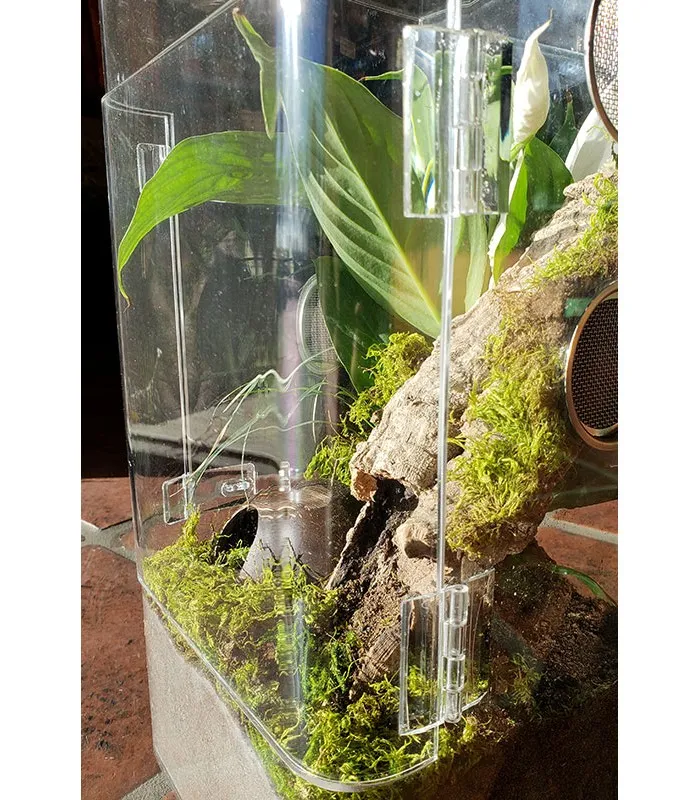
What is Tarantula Enclosure Lighting
Tarantula enclosure lighting is a crucial, often overlooked, aspect of providing a healthy and stimulating environment for your pet tarantula. It’s not just about making the enclosure look pretty; appropriate lighting plays a vital role in the tarantula’s well-being, influencing its behavior, feeding habits, and overall health. While tarantulas don’t necessarily need the same intense lighting as other reptiles, the right type and intensity of light can significantly impact their quality of life. This guide will delve into the specifics of choosing the right lighting setup for your tarantula, covering everything from the types of bulbs available to how to create a natural day-night cycle.
Why is Lighting Important
Lighting serves several important functions in a tarantula enclosure. It helps to regulate the temperature within the enclosure, providing a basking spot if needed. While tarantulas are ectothermic, meaning they rely on external sources for heat, a small amount of gentle light can aid in thermoregulation. Furthermore, lighting can simulate a natural day-night cycle, which is essential for the tarantula’s circadian rhythm. This cycle helps regulate their activity levels, feeding patterns, and overall sense of time. Without a proper day-night cycle, tarantulas can become stressed and disoriented, potentially leading to a decline in their health and well-being. Also, lighting can provide a way for owners to observe the tarantulas.
Understanding Tarantula Vision

Contrary to popular belief, tarantulas do possess eyes, though their vision is not as sophisticated as ours. They have eight eyes, arranged in two rows of four, but their primary function isn’t to see in great detail. Instead, tarantulas use their eyes primarily to detect movement, light intensity, and shadows. They are most sensitive to changes in light levels, which helps them navigate their environment and hunt prey. For this reason, the type and intensity of lighting you choose for your tarantula enclosure should be carefully considered to avoid causing undue stress or discomfort. Intense or flickering lights can be particularly disruptive, while a well-balanced lighting system can enhance their quality of life.
Lighting Options for Your Tarantula Enclosure
There are several types of lighting options available for tarantula enclosures, each with its own set of advantages and disadvantages. The best choice for your tarantula will depend on a variety of factors, including the species of tarantula, the size of the enclosure, and your personal preferences. It’s important to research different lighting options and choose the one that best meets the specific needs of your pet. Consider factors like heat output, light intensity, and energy efficiency when making your decision. Here are some of the most common options.
Incandescent Bulbs
Incandescent bulbs are a traditional lighting option that produces both light and heat. They are readily available and relatively inexpensive, making them an attractive choice for many pet owners. However, they also have some drawbacks, which should be considered before use.
Pros and Cons

Pros include affordability and easy availability. They can also provide a localized heat source, which might be beneficial depending on your tarantula’s needs. Cons include high energy consumption, short lifespan, and the potential for overheating the enclosure if not carefully monitored. They also emit a significant amount of visible light, which may not be ideal for all tarantula species.
LED Lighting
LED (Light Emitting Diode) lighting has become increasingly popular in recent years due to its energy efficiency and long lifespan. LED bulbs produce very little heat and are available in a wide range of colors and intensities, making them a versatile choice for tarantula enclosures.
Pros and Cons
Pros of LED lighting include energy efficiency, long lifespan, and low heat output. They also offer a variety of light colors and intensities. Cons can include a higher initial cost compared to incandescent bulbs and the need to carefully select the appropriate color temperature to avoid stressing your tarantula. Some LEDs might emit a flicker that could be disruptive.
UVB Lighting

UVB (Ultraviolet B) lighting is often used for reptiles to help them synthesize vitamin D3, which is essential for calcium absorption. However, the need for UVB lighting in tarantula enclosures is a subject of debate. Some experts believe that UVB lighting is unnecessary for tarantulas, while others suggest that it might provide some benefits. If you choose to use UVB lighting, it’s crucial to do thorough research and ensure that the intensity and duration are appropriate for your tarantula species.
Pros and Cons
Pros of UVB lighting might include potential benefits for calcium absorption and overall health. Cons include the potential for eye damage or stress if the UVB intensity is too high or the exposure duration is too long. Also, UVB bulbs are generally more expensive than other lighting options, and their effectiveness decreases over time.
Choosing the Right Lighting for Your Tarantula
Selecting the appropriate lighting for your tarantula enclosure requires careful consideration of several factors. The goal is to create an environment that mimics the tarantula’s natural habitat while minimizing stress and promoting overall well-being. Here’s how to make an informed decision based on your pet’s needs.
Species-Specific Needs

Different tarantula species have different needs. Some species are nocturnal and prefer low-light environments, while others are more active during the day and might benefit from a slightly brighter setup. Research the specific requirements of your tarantula species before selecting lighting options. Consider their natural habitat and how much light they are exposed to in the wild. This information will guide your lighting choices.
Enclosure Size Considerations
The size of your tarantula enclosure will also influence your lighting choices. A larger enclosure might require more powerful lighting to ensure adequate coverage, while a smaller enclosure might be fine with a single, low-wattage bulb. Be mindful of the distance between the light source and the tarantula to prevent overheating or excessive light exposure.
Placement and Mounting
The way you place and mount the lights is also important. Ensure that the light source is securely mounted and cannot be easily knocked over or accessed by the tarantula. Position the lights in a way that provides even illumination throughout the enclosure, avoiding any harsh shadows or overly bright spots. Consider using a reflector to direct the light and heat downward, maximizing its effectiveness and minimizing energy waste. Make sure there is no direct contact between any heating or lighting elements and your tarantula.
Creating a Day Night Cycle

A natural day-night cycle is essential for a tarantula’s health and well-being. It helps regulate their circadian rhythm, which influences their activity levels, feeding habits, and overall sense of time. Mimicking the natural light cycle of their native habitat will reduce stress and contribute to a healthier, more active pet. The simplest way to achieve this is to turn the lights on for a set period each day and off at night. However, there are more advanced methods to consider.
Timers and Automated Systems
Using a timer is a great way to automate your tarantula’s day-night cycle. Timers can be programmed to turn the lights on and off at specific times, providing a consistent light schedule without requiring manual intervention. Smart home systems can also be utilized to control lighting, offering more flexibility and control over the enclosure’s environment. These systems often allow you to adjust the light intensity and color temperature, further enhancing the naturalness of the cycle.
Monitoring Light Levels
Regularly monitor the light levels in your tarantula enclosure to ensure they are appropriate for your pet. Observe your tarantula’s behavior for signs of stress, such as hiding, lack of appetite, or erratic movements. Adjust the lighting as needed to optimize the environment for your tarantula. Consider using a light meter to measure the light intensity, ensuring it aligns with your species’ requirements. By carefully monitoring and adjusting light levels, you can contribute to a thriving environment for your tarantula.
Maintaining Your Tarantula Enclosure Lighting

Proper maintenance is critical to the long-term health and effectiveness of your tarantula enclosure lighting system. Regular upkeep will not only ensure optimal light levels but also extend the lifespan of your equipment and contribute to a cleaner and safer environment for your pet.
Regular Bulb Replacement
Light bulbs, especially those that produce heat or UVB, have a limited lifespan. Replace bulbs according to the manufacturer’s recommendations to ensure they continue to emit the proper light and heat levels. Over time, the output of bulbs diminishes, which can affect the enclosure’s temperature and the tarantula’s ability to see. Keep a schedule for bulb replacement to maintain a consistent and healthy environment.
Cleaning and Maintenance
Dust and debris can accumulate on light fixtures, reducing their effectiveness and potentially causing overheating. Clean the light fixtures regularly with a soft cloth to remove any dust or grime. Inspect the wiring and fixtures for any signs of damage and replace any faulty components immediately. Ensure that the enclosure is cleaned regularly to prevent the build-up of waste and bacteria.
Troubleshooting Common Issues
Be prepared to troubleshoot common lighting issues. If the light isn’t working, check the bulb and the power supply. If the enclosure is overheating, adjust the wattage of the bulbs or provide additional ventilation. If your tarantula is showing signs of stress, evaluate the light intensity and duration. Always prioritize your tarantula’s well-being by monitoring and adjusting the lighting system as needed. When in doubt, consult with a veterinarian specializing in exotic animals or a reputable tarantula expert for advice.
Conclusion
Providing the right lighting for your tarantula enclosure is a vital aspect of responsible tarantula ownership. By understanding the importance of lighting, choosing the appropriate options for your species, and implementing a proper day-night cycle, you can create an environment that supports your tarantula’s health and well-being. Remember to regularly monitor your pet’s behavior and adjust the lighting as needed. With the right knowledge and care, you can ensure your tarantula thrives in its habitat, providing you with years of enjoyment. By following these guidelines, you can create an enriching and stimulating environment for your eight-legged friend. Happy tarantula keeping!