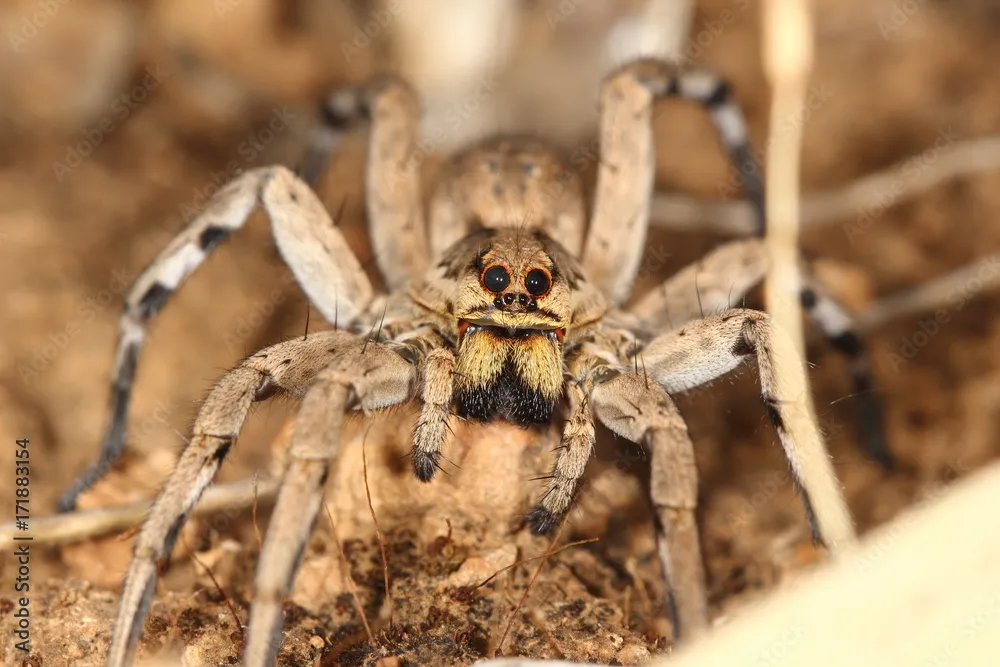
What is a Tarantula Española?
The Tarantula Española, scientifically known as Macrothele calpeiana, is a fascinating and often misunderstood arachnid. It’s a species of tarantula found exclusively in a limited region of Southern Spain and Gibraltar. Known for its relatively large size and striking appearance, the Tarantula Española is a nocturnal hunter, spending its days hidden in burrows or under rocks, emerging at night to hunt for its prey. This unique tarantula has captured the interest of scientists and arachnid enthusiasts alike, offering a glimpse into the complex world of spiders and their ecological roles. Understanding the Tarantula Española involves exploring its physical characteristics, its habitat, its behavior, and the threats it faces in its natural environment. This article delves into the top 5 astonishing facts about this incredible species.
Physical Characteristics
The Tarantula Española is a sizable spider, with females generally larger than males. Their bodies are covered in dense hairs, which provide sensory input and aid in thermoregulation. The coloration varies, often exhibiting a blend of browns and blacks, allowing them to blend into their surroundings. They possess eight eyes, though their vision is not their primary hunting tool; they rely more on vibrations and sensory hairs to detect movement. The chelicerae, or fangs, are powerful tools used for subduing prey and injecting venom. The overall appearance is designed for both hunting and survival in its specific habitat. The hairs on the body can also serve as a defense mechanism, as they can be flicked off to irritate potential predators.
Habitat and Distribution

The Tarantula Española is endemic to a very specific geographical area, primarily inhabiting the Iberian Peninsula. They are found in Southern Spain and Gibraltar, often in dry, rocky environments. Their habitat preferences include areas with suitable soil for burrowing and ample cover for hiding. The distribution of this species is limited, making it vulnerable to habitat loss and environmental changes. They construct burrows under rocks, in crevices, or directly into the soil, providing a secure shelter from predators and the harsh elements. The availability of appropriate habitat is crucial for their survival, and understanding the factors influencing their distribution is essential for conservation efforts. The species thrives in areas with a Mediterranean climate, characterized by warm, dry summers and mild, wet winters.
Astonishing Fact 1 Size Matters
One of the most astonishing facts about the Tarantula Española is its impressive size. The females can reach a leg span of up to 6 inches (15 cm), making them one of the largest spider species in Europe. This size is a significant factor in their hunting capabilities and their ability to defend themselves against threats. The larger size of the females, compared to the males, often reflects their role in reproduction and the need to store more energy. This considerable size differentiates them from other spiders found in the region, and their presence adds to the biodiversity of their habitat. Their imposing stature makes them a formidable presence in their ecosystem.
The Size of a Tarantula Española
When discussing the size of the Tarantula Española, it’s crucial to understand the measurements. The leg span, from the tip of one leg to the tip of the opposite leg, is the most common measurement used. The body length, which is the size of the cephalothorax and abdomen, is also significant. The females, as mentioned, are generally larger, with the males being slightly smaller. The size is influenced by factors such as the availability of food, the health of the spider, and the age of the individual. The size of a Tarantula Española is not just a number; it directly influences their hunting prowess and their ability to survive in their environment. A well-fed, healthy female tarantula can be an impressive sight.
Comparison to other tarantulas

Comparing the Tarantula Española to other tarantula species provides valuable context. While not the largest tarantula in the world, it is among the largest in Europe. Compared to North American species, the Tarantula Española is similar in size to some of the larger species, but their overall appearance and behavior can differ. The comparison highlights the diversity within the tarantula family. Different species have adapted to various environments, resulting in variations in size, coloration, and behavior. Each species, including the Tarantula Española, plays a unique role in its ecosystem, underscoring the importance of preserving the diversity of these fascinating creatures.
Astonishing Fact 2: Venom
Tarantulas, including the Tarantula Española, possess venom, another astonishing fact. The venom is used primarily to subdue prey and is delivered through their fangs. The composition and potency of the venom vary among tarantula species. While tarantula venom is generally not lethal to humans, it can cause pain, swelling, and other localized symptoms. The venom contains a mix of toxins that act on the nervous systems of their prey, quickly paralyzing them. The venom’s function is crucial for the tarantula’s survival, as it allows them to hunt effectively and secure their meals. Although not deadly to humans, the bite of a Tarantula Española can be quite unpleasant.
The Potency of the Venom
The potency of tarantula venom is an essential aspect to consider. The venom of the Tarantula Española is not considered highly potent compared to some other spider species. The effects of the venom vary depending on the amount injected and the individual’s sensitivity. The primary purpose of the venom is to immobilize and kill smaller prey, such as insects and other invertebrates. The potency of the venom is an adaptation to the prey, as it needs to be strong enough to incapacitate the prey quickly but not so potent that it would be wasteful. The study of venom composition can provide insights into the spider’s evolutionary history and its relationship with its prey.
Effects of a Bite

While the Tarantula Española’s bite is not usually life-threatening to humans, it can still produce unpleasant symptoms. The most common effects include localized pain, redness, and swelling around the bite area. Some individuals may experience itching, muscle cramps, or a general feeling of malaise. It is rare for serious systemic reactions to occur. Medical attention is generally not required unless severe allergic reactions develop. First aid for a tarantula bite involves cleaning the wound with soap and water and applying a cold compress to reduce swelling. Observing the symptoms and seeking medical advice if they worsen is always recommended.
Astonishing Fact 3: Diet
The diet of the Tarantula Española consists mainly of insects and other invertebrates. Their hunting strategy involves waiting in their burrows or ambush positions for unsuspecting prey to come within striking distance. They are opportunistic predators, consuming anything from crickets and grasshoppers to small lizards and even other spiders. Their strong chelicerae and venom are critical tools in subduing their meals. The diet of the Tarantula Española varies depending on the availability of prey in their habitat. The consumption of these creatures contributes to their survival and plays an important role in controlling the insect population within their ecosystem.
Feeding Habits and Prey
Tarantulas are ambush predators, meaning they typically wait for their prey to come to them. The Tarantula Española constructs burrows or hides under rocks, patiently waiting for a meal to pass by. They detect prey by sensing vibrations through their hairs. When a suitable insect or invertebrate comes within reach, they quickly ambush it, using their fangs to inject venom and paralyze the prey. They then carry the prey back to their burrow to consume it. The Tarantula Española’s feeding habits are crucial for their survival. They eat regularly when the prey is abundant and can survive for long periods without food when necessary.
Adaptations for Hunting

The Tarantula Española has several adaptations for hunting. Their large size allows them to capture and subdue larger prey. Their hairs are sensitive to vibrations, providing them with an early warning system for approaching prey. The venom is an essential adaptation, allowing them to quickly immobilize their meals. Their strong chelicerae, or fangs, can pierce the exoskeletons of their prey. These adaptations have allowed the Tarantula Española to become an effective predator within its ecosystem. Their stealth, patience, and specialized equipment make them masters of their hunting craft, playing a crucial role in controlling the local invertebrate population.
Astonishing Fact 4: Lifespan
The lifespan of the Tarantula Española is surprisingly long, which is another astonishing fact. Females typically live significantly longer than males. Their longevity is impacted by several factors, including access to food, habitat quality, and the absence of predators. The extended lifespan of female tarantulas contributes to the sustainability of the species, as they can produce multiple clutches of eggs throughout their lives. Understanding the factors influencing lifespan is critical for conservation efforts. A longer lifespan allows for more successful reproduction and overall contributes to the stability of the species within its specific environment.
Male vs Female Lifespan
The differences in lifespan between male and female Tarantulas Española are notable. Males usually have a much shorter lifespan, often only a few years, because their primary role is reproduction. After reaching sexual maturity and mating, the males often die. The females, on the other hand, can live for more than a decade or even longer. This significant difference in lifespan is related to the female’s reproductive responsibilities and the need to invest in the long-term survival of the species. The extended longevity of females allows them to reproduce multiple times throughout their lives, increasing the chances of the species’ survival. The lifespan difference showcases the diverse strategies that different sexes employ to survive.
Factors Affecting Lifespan

Multiple factors influence the lifespan of the Tarantula Española. The availability of food is critical, as a consistent and adequate food supply supports overall health and longevity. The quality of the habitat also plays a crucial role, with factors like shelter, humidity, and temperature impacting the spider’s well-being. The presence of predators, such as birds or other spiders, can also reduce the lifespan. Environmental factors, such as habitat loss or pesticide use, can negatively affect the population. Understanding and managing these factors is crucial for ensuring that the Tarantula Española thrives. The factors that influence the lifespan show how interconnected these spiders are with their environment.
Astonishing Fact 5: Conservation Status
The conservation status of the Tarantula Española is a crucial and astonishing fact. Habitat loss, human activity, and environmental changes pose significant threats to this species. The limited geographic distribution and specific habitat requirements make it especially vulnerable. Conservation efforts are vital to protect the Tarantula Española and ensure its survival. Understanding the challenges they face, promoting conservation strategies, and supporting the preservation of their habitats are essential for protecting this unique spider. Addressing the conservation status is important to preserving these incredible creatures for future generations.
Threats to Survival
Several factors threaten the survival of the Tarantula Española. Habitat loss due to urbanization, agriculture, and forestry is a major threat. Human activities, such as collection for the pet trade and pesticide use, also put pressure on the species. Climate change and its effects, such as changing rainfall patterns and extreme temperatures, can further disrupt their habitat and affect their prey. The threats pose a complex challenge to the survival of the Tarantula Española. Addressing these threats requires a comprehensive approach, including habitat protection, sustainable practices, and public awareness. The combined impact of various threats necessitates concerted efforts to ensure the species’ long-term survival.
Conservation Efforts

Conservation efforts are crucial for protecting the Tarantula Española. Protecting and restoring their habitat is essential. This includes establishing protected areas, promoting sustainable land management practices, and raising public awareness. Research on the species’ biology, ecology, and threats is critical. This understanding can help guide conservation strategies. Captive breeding programs may also be considered. Educating the public about the importance of the Tarantula Española and its role in the ecosystem is vital. Conservation is a collaborative effort that necessitates the involvement of scientists, conservationists, and local communities. Protecting the Tarantula Española ensures the preservation of this fascinating species for future generations.
Conclusion
The Tarantula Española is an extraordinary spider with several astonishing features. From its impressive size and venom to its specific habitat and long lifespan, this species continues to intrigue and fascinate. The facts about the Tarantula Española demonstrate the importance of biodiversity and the need for conservation. By understanding and appreciating these incredible arachnids, we can better protect them and their unique place in the natural world. Preserving the Tarantula Española requires ongoing commitment and collaborative efforts to ensure its survival for future generations.