Tarantula Eyes Astonishing Facts
Tarantulas, with their imposing size and hairy bodies, often evoke a mix of fascination and fear. Beyond their physical attributes lies a complex visual system. The eyes of a tarantula, although seemingly simple at first glance, reveal a world of surprising adaptations and capabilities. This article delves into five astonishing facts about tarantula eyes, uncovering the secrets of their visual prowess and the evolutionary advantages that have allowed these arachnids to thrive for millions of years. From the number of eyes to their unique perception of the world, we’ll explore the fascinating world through the eyes of a tarantula.
The Number of Eyes on a Tarantula
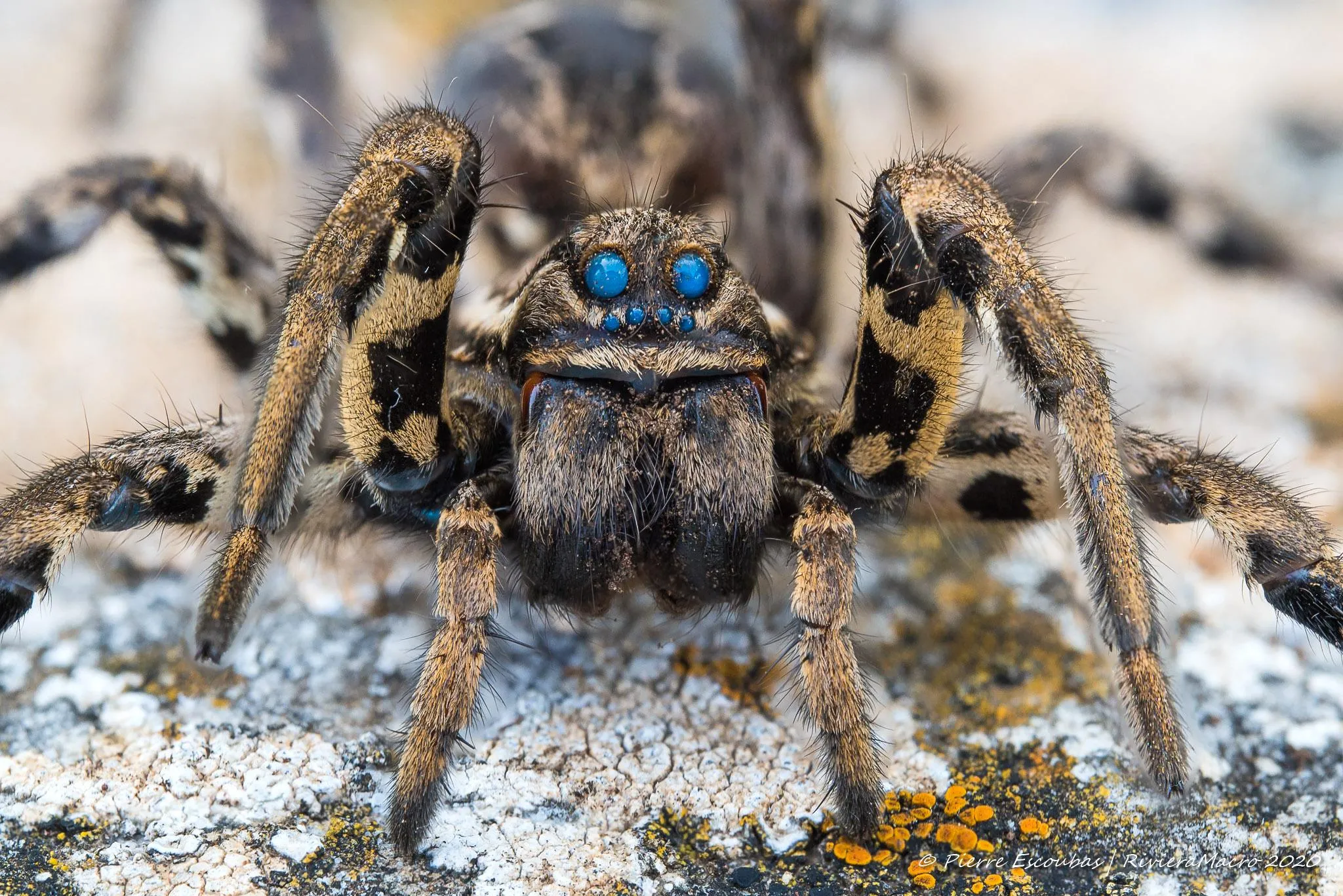
Unlike many insects that possess compound eyes, tarantulas typically have eight eyes. These eyes are not all the same, and they serve different functions, contributing to the overall visual abilities of the spider. The arrangement and specialization of these eyes allow tarantulas to perceive their environment in ways that are crucial for survival. While the number of eyes is consistent, the specific arrangement and size can vary slightly between different species of tarantulas, but the basic structure remains the same, a testament to the effectiveness of their visual system. This configuration is a key factor in how tarantulas hunt, navigate, and avoid predators.
Primary and Secondary Eyes Explained

Tarantulas have two main types of eyes primary and secondary. The primary eyes, usually the two front-facing eyes, are responsible for forming images and providing the sharpest vision, though it’s not as sharp as human vision. These eyes are crucial for tasks like spotting prey and recognizing potential threats at a distance. The secondary eyes, which are located around the other areas of the carapace, provide a wider field of view and are particularly sensitive to movement. These secondary eyes help the tarantula detect motion from multiple directions, alerting it to potential dangers or the presence of food. The combined function of primary and secondary eyes gives tarantulas a comprehensive view of their surroundings.
How Tarantulas See
The visual world of a tarantula is quite different from our own. They don’t see the world with the same clarity or color perception as humans. Instead, their vision is optimized for detecting movement, changes in light, and the presence of shadows. This is a crucial adaptation for a predator that relies on quick reflexes and ambush tactics. They have limited color vision and cannot see the full spectrum of colors that humans can. The tarantula’s visual system is finely tuned to the specific needs of its lifestyle, allowing it to thrive in its natural habitat. It is important to note the differences in how they see, highlighting their unique survival strategies.
Tarantula Eye Structure and Function
Each tarantula eye has a simple lens, unlike the compound eyes of insects. This simple lens focuses light onto a retina, which is composed of light-sensitive cells. The retina then transmits signals to the brain, creating a visual image. The arrangement of the eyes allows the tarantula to have a wide field of view, enhancing its ability to spot potential threats or prey. The structure of their eyes also allows them to perceive the world in a way that is well-suited to their needs as predators. Their eyes are not designed for fine detail, but rather for detecting motion, shadows, and changes in light levels. This simple design allows them to efficiently process visual information and react quickly to stimuli.
Fact 1 Unparalleled Visual Acuity

While not possessing the same level of visual acuity as humans, tarantulas have excellent vision for their size and lifestyle. They can distinguish shapes and movement, which is crucial for hunting and avoiding predators. Their primary eyes provide the sharpest image, allowing them to spot prey or threats from a distance. This visual acuity is essential for their survival in their natural habitat. This allows them to accurately judge distances, which helps them pounce on their prey and evade predators. The combined abilities of the different eyes give them a significant advantage in their environment.
Fact 2 Limited Depth Perception
Due to the arrangement of their eyes, tarantulas have limited depth perception. They are not able to accurately judge the distance of objects as humans do. This is because the eyes are not set up in a way that allows for stereoscopic vision. They compensate for this limitation by using other sensory information, such as the vibrations from their prey or the shadows cast by potential predators. The ability to assess depth is critical in hunting and navigation, and tarantulas have developed alternative strategies to thrive in their environments. The combination of visual and sensory information helps compensate for any limitations in their vision.
Fact 3 UV Light Sensitivity
Tarantulas are sensitive to ultraviolet (UV) light, which can provide them with additional information about their environment. They can detect the patterns of UV light reflected by their prey, which can help them identify potential meals. They can also use UV light to navigate and find their way back to their burrows. Their ability to perceive UV light gives them a unique advantage in their hunting and navigation. This helps them to spot insects or animals, even in low-light conditions. This sensory input provides an extra layer of information about their surroundings that is inaccessible to many other creatures.
Fact 4 Detecting Movement

One of the most critical functions of tarantula eyes is detecting movement. Their secondary eyes are particularly sensitive to motion, allowing them to quickly react to any changes in their surroundings. This is crucial for both hunting and avoiding predators. The ability to detect movement can be a matter of life or death in the wild. This sensitivity allows them to quickly assess threats and react accordingly. This is a great benefit in low-light environments. Their ability to detect movement is one of their key survival adaptations.
Fact 5 Nocturnal Vision Capabilities
Many tarantulas are nocturnal hunters, meaning they are most active at night. Their eyes are adapted to function in low-light conditions, allowing them to see well enough to hunt and navigate. They don’t have the same visual acuity as they do in daylight, but their ability to detect movement and perceive shadows is still very effective. This nocturnal adaptation has allowed them to exploit a niche where they are less likely to encounter predators. This ability is a key to their success as a nocturnal predator. Their vision is well-suited to the challenges of nocturnal hunting.
Evolution of Tarantula Eyes
The evolution of tarantula eyes is a fascinating story of adaptation and survival. Over millions of years, the visual systems of tarantulas have evolved to meet the demands of their environment. From the early ancestors with simple eyes to the sophisticated visual systems of today, tarantulas have developed an array of adaptations that allow them to thrive. The development of their eyesight is an ongoing process as they continue to adapt to the environment. This ability has contributed significantly to their success as a species. The constant development has allowed them to adapt and persist throughout time.
Eyesight in Tarantulas Survival Strategy

In conclusion, the eyes of a tarantula are a testament to the power of evolution. They are exquisitely adapted to the arachnid’s lifestyle, providing a means of hunting, navigating, and avoiding danger. The unique combination of visual acuity, movement detection, and UV sensitivity makes their visual system a remarkable feature of their biology. Their eyesight is a key component of their survival strategy. Understanding these adaptations provides insight into the fascinating world of tarantulas and the diverse ways that life has evolved to thrive in different environments.