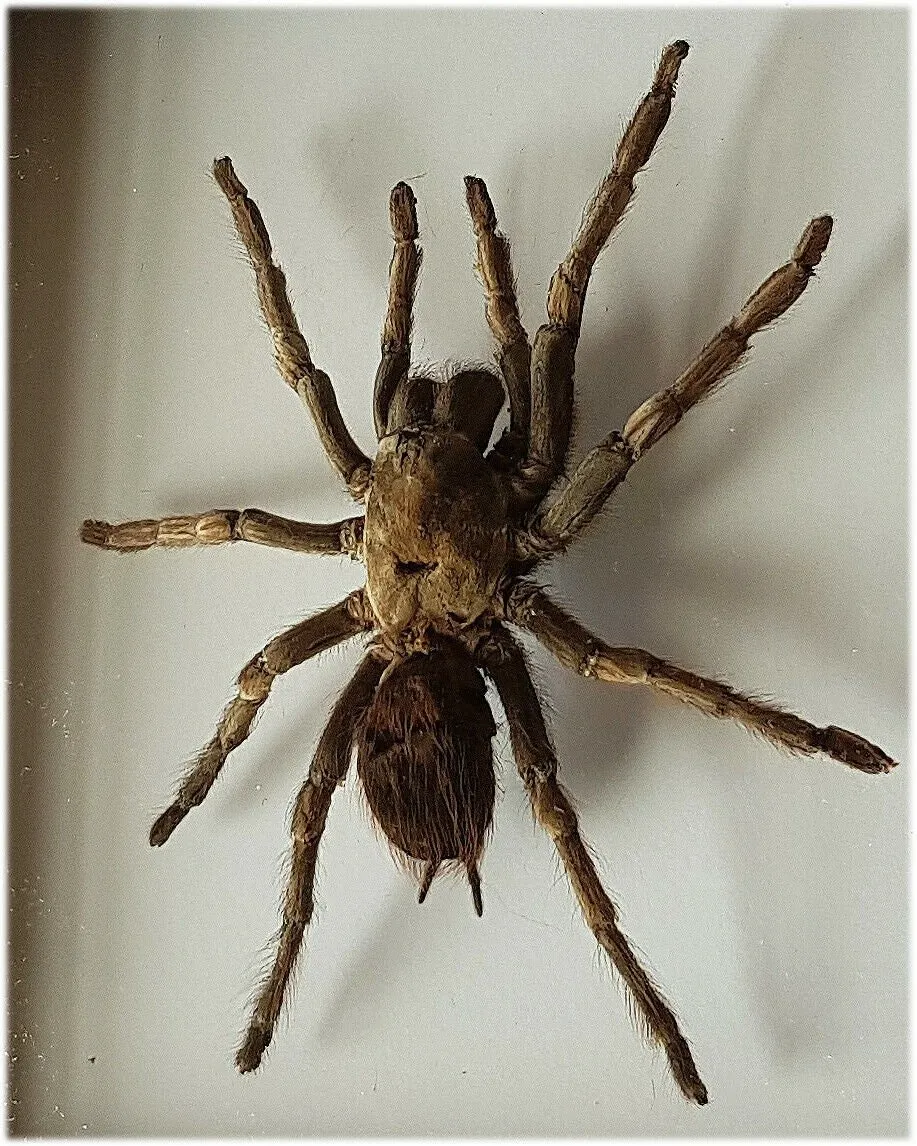
Tarantulas Facts Unveiled
Tarantulas, with their impressive size and often intimidating appearance, have captured the fascination of many. But are they truly spiders? This article dives into the world of these fascinating creatures, separating fact from fiction and revealing seven amazing truths about tarantulas. From their classification to their behavior and habitat, we will explore what makes these arachnids so unique and why they continue to intrigue both scientists and enthusiasts alike. Get ready to uncover the secrets of the tarantula world and learn why, indeed, they are a special kind of spider. This exploration will provide you with a comprehensive understanding of tarantulas and their place in the animal kingdom.
The Scientific Classification of Tarantulas
Understanding where tarantulas fit in the biological world starts with their classification. They belong to the phylum Arthropoda, which includes all invertebrates with exoskeletons, and the class Arachnida, which includes spiders, scorpions, mites, and ticks. Within Arachnida, tarantulas are part of the order Araneae, which encompasses all spiders. More specifically, they are classified under the suborder Mygalomorphae, which distinguishes them from other spiders (suborder Araneomorphae) by their orientation of chelicerae (fangs) and other structural features. This careful categorization allows scientists to understand the relationships between tarantulas and other arachnids and provides a framework for studying their evolution and behavior. Thus, confirming that tarantulas are indeed a type of spider, though a distinct and ancient lineage.
The Arachnid Family Tree

The arachnid family tree is vast and complex, but understanding its structure helps in understanding the specific place of tarantulas. At the base are the arthropods, which then branch into various classes, with Arachnida being one of the most diverse. The Araneae order is further divided into suborders, with Mygalomorphae (tarantulas and their relatives) and Araneomorphae (most other spiders) being the primary branches. Within Mygalomorphae, there are various families of tarantulas, each with unique characteristics and evolutionary histories. This branching structure reflects the evolutionary relationships and allows scientists to study how different arachnid groups evolved over time. Examining the family tree reveals the close relationship between tarantulas and other spiders while highlighting the specific adaptations that make tarantulas unique.
Characteristics of True Spiders
True spiders share several key characteristics that distinguish them from other arachnids and other animals. They have two body segments: the cephalothorax (fused head and thorax) and the abdomen. They possess eight legs, spinnerets for silk production, and chelicerae (fangs) for injecting venom. Spiders breathe through book lungs or tracheae, and they undergo molting to grow, shedding their exoskeletons as they mature. They are predators, primarily feeding on insects and other small invertebrates, although some larger species, including tarantulas, can consume small vertebrates. These defining features collectively establish what a spider is, and it is within this framework that tarantulas fit perfectly, confirming their status as a type of spider.
Tarantulas Physical Attributes
Tarantulas exhibit distinct physical attributes that set them apart. One of the most noticeable features is their size; they are among the largest spiders in the world, with some species having leg spans of up to 12 inches or more. Their bodies are covered in setae (hairs), which play roles in sensory perception and defense. Tarantulas have two body segments, a cephalothorax and an abdomen, and possess eight legs. Unlike some other spiders, their fangs are usually oriented downwards, a characteristic of the Mygalomorphae suborder. They also have strong chelicerae and pedipalps, which are used for manipulating prey. These physical attributes demonstrate how tarantulas are adapted for their predatory lifestyle, making them well-suited for their environments.
Size and Appearance

The size and appearance of tarantulas vary greatly depending on the species. Some are relatively small, while others are among the largest spiders in the world. Their bodies can be quite robust, and their leg spans can range from a few inches to over a foot. They come in a variety of colors and patterns, often blending in with their environment for camouflage. The body is covered in setae, which give them a fuzzy appearance and help in sensory perception. Their appearance is a critical aspect of both their predatory and defensive strategies, as they use their coloration and size to their advantage in various ecological niches.
Body Segmentation
Like all spiders, tarantulas have two main body segments the cephalothorax and the abdomen. The cephalothorax is a fusion of the head and thorax, containing the brain, mouthparts, eyes, and legs. The abdomen houses the digestive system, heart, and reproductive organs. This distinct segmentation is a key characteristic of arachnids. The separation of these body parts allows tarantulas to perform different functions efficiently. This design contributes to their overall success in their natural habitats.
Legs and Movement
Tarantulas have eight legs that are covered in hairs and specialized sensory structures. These legs are crucial for movement, sensing their surroundings, and capturing prey. Their legs have strong muscles and are used for walking, climbing, and sometimes even jumping. The length and thickness of the legs vary among species. The use of their legs is an essential element of their survival and reflects their adaptations to diverse environments. Their agility and strength are vital for their predatory and defensive behaviors.
Tarantulas Behavior and Lifestyle

Tarantulas exhibit a variety of behaviors that are essential for their survival. They are generally nocturnal, spending the day in burrows or hiding places and coming out at night to hunt. Their predatory strategies are highly developed, using ambush tactics to capture prey. They have a complex mating ritual and they undergo molting throughout their lives to grow. Understanding these behaviors provides crucial insight into how tarantulas live. These habits allow them to thrive in their natural habitats.
Hunting and Diet
Tarantulas are primarily predators, feeding on insects, other invertebrates, and sometimes small vertebrates like lizards, birds, and rodents. They use their fangs to inject venom, which immobilizes their prey. They then use digestive enzymes to liquefy the prey’s insides, sucking up the nutrients. Hunting behavior varies among species. The diet of a tarantula is crucial for its growth and development, and their hunting strategy contributes to their place in the food web.
Web Building or Not?
While all spiders produce silk, tarantulas generally do not build intricate webs like other spider species. Instead, they use silk for lining their burrows, creating trip lines to detect prey, and constructing egg sacs. Some species might create simple webs, but they do not rely on them for catching food. This distinction is an important behavioral difference between tarantulas and other types of spiders. The silk is used for other purposes, highlighting adaptations in their lifestyle.
Lifespan and Reproduction

Tarantulas have relatively long lifespans compared to other spiders. Females can live for over 20 years, while males typically have shorter lifespans, often only a few years after reaching maturity. Their reproduction involves complex mating rituals and the creation of egg sacs containing hundreds of eggs. The females guard the eggs, and the young spiderlings disperse after hatching. The length of a tarantula’s lifespan is a significant aspect of their biology, with their ability to live for so long enhancing their chances of reproduction and survival.
Tarantulas and Venom
Tarantulas, like all spiders, produce venom, but the potency varies greatly depending on the species. The venom is primarily used to subdue prey. Understanding the nature and effects of tarantula venom helps in assessing safety and potential medical implications. Knowing the characteristics of tarantula venom is essential when discussing these arachnids.
Venom Toxicity
The venom of most tarantulas is not considered highly toxic to humans. Bites from tarantulas can be painful and cause localized symptoms such as redness, swelling, and muscle cramps. However, the venom is generally not life-threatening. Toxicity levels vary. The effects are mostly a result of the venom itself and the physical trauma from the bite. Understanding the effects of tarantula venom is crucial for proper handling and avoiding unnecessary alarm.
Medical Implications

Although tarantula bites are usually not medically significant, there can be potential allergic reactions or secondary infections. Medical attention is advisable if symptoms are severe or if any systemic reactions occur. In some cases, medical professionals may recommend further tests and treatments. Medical knowledge is important to address any health concerns related to tarantulas. This knowledge is crucial for people who keep tarantulas as pets or encounter them in their natural habitats.
Tarantulas Habitat and Distribution
Tarantulas are found in a wide range of habitats across the world. Their distribution is influenced by factors like climate, vegetation, and the availability of prey. The environmental needs of each tarantula species determine where they live. Understanding their habitats is vital for their conservation.
Geographical Distribution
Tarantulas are found on every continent except Antarctica. They are most diverse in tropical and subtropical regions, including South America, Central America, Africa, and Asia. They are also found in parts of North America and southern Europe. This varied distribution reflects their adaptability to different environments. Their presence in various geographical areas underlines their capacity to survive in diverse environments.
Common Tarantula Species

Various species of tarantulas are popular in the pet trade. The Chilean rose hair tarantula (Grammostola rosea) is well-known for its gentle nature and ease of care. The Mexican redknee tarantula (Brachypelma hamorii) is another popular choice, known for its striking colors. Each species has distinct characteristics. Knowing the different species helps in understanding the diversity of tarantulas and their popularity as pets.
Conservation Status
The conservation status of tarantulas varies. Some species are common, while others are threatened by habitat loss and over-collection. Conservation efforts, including habitat protection and sustainable pet trade practices, are important to ensure their survival. Conservation status information is crucial for maintaining the health of tarantula populations.
Tarantulas as Pets
Tarantulas are a popular choice for pet owners due to their manageable size, unique appearance, and relatively low maintenance requirements. Caring for a tarantula requires providing a suitable enclosure, maintaining the proper environment, and offering a balanced diet. This information helps those who wish to keep a tarantula as a pet. Their captivating attributes make them suitable companions.
Caring for Tarantulas
Proper care for a tarantula involves providing a suitable habitat, proper temperature and humidity levels, and a varied diet. The enclosure should be appropriately sized, with a substrate for burrowing and hiding places. It is also necessary to keep the habitat at the proper temperature and humidity. Appropriate feeding schedules must also be observed, along with the supply of fresh water. Caring for a tarantula allows the pet owner to understand the needs of the spider.
Handling and Safety
Handling tarantulas should be done with caution, as they can be easily injured or may bite as a defense mechanism. It is best to avoid handling them unless necessary. Owners must be careful of potential hazards. The safety of both the tarantula and the handler should always be the priority. Knowing how to manage a tarantula with care helps minimize risk.
Conclusion
In conclusion, tarantulas are indeed a type of spider, belonging to the suborder Mygalomorphae. They share the fundamental characteristics of spiders while also possessing unique features such as their size, appearance, and behavior. Understanding their classification, physical attributes, lifestyle, and habitat provides insight into the rich diversity of the arachnid world. Whether you are a curious observer or an aspiring tarantula owner, the more you learn, the greater the appreciation for these fascinating creatures. They play a vital role in their ecosystems. Their role should be studied.