7 Amazing Tarantula Facts
Tarantulas, those hairy, often misunderstood creatures, have fascinated and frightened humans for centuries. These impressive arachnids, with their impressive size and diverse appearances, are more than just the stuff of nightmares. In this article, we’ll delve into the world of tarantulas, exploring their intriguing lives, behaviors, and the surprising truths behind these fascinating creatures. Prepare to be amazed by the top 7 facts that will change the way you perceive these incredible spiders, dispelling myths and revealing the true nature of these often-feared animals. From their impressive size and longevity to their unique behaviors and ecological roles, tarantulas are a marvel of the natural world, and understanding them is a journey into a world of wonder.
What is a Tarantula?
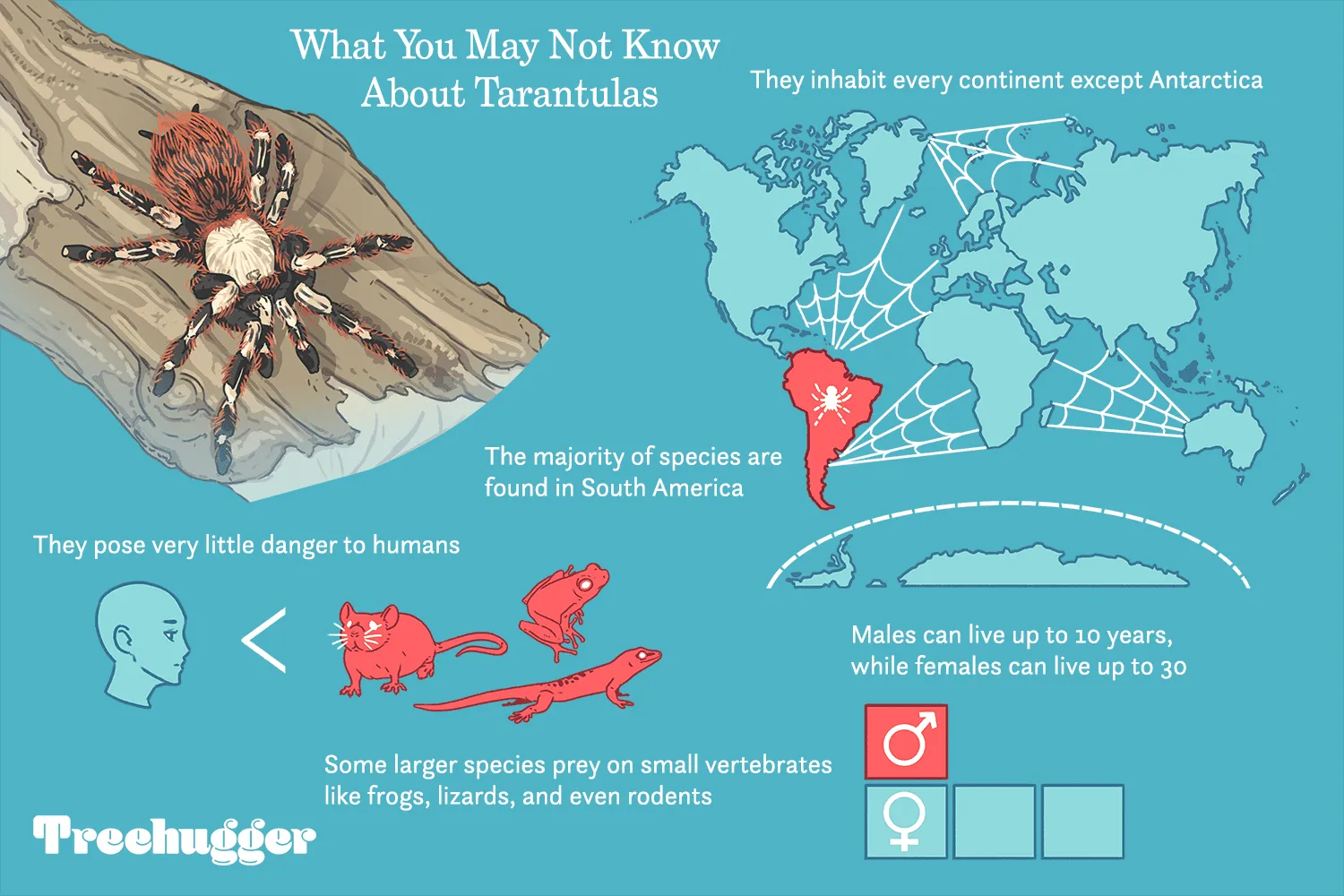
Tarantulas belong to the Theraphosidae family, a group of large and often hairy spiders. They are found in various habitats around the world, primarily in tropical and subtropical regions. Unlike many spiders, tarantulas are known for their relatively large size and impressive appearance. They possess eight legs, two body segments (cephalothorax and abdomen), and two specialized appendages called pedipalps, which they use for sensing and manipulating their environment. These spiders are primarily nocturnal hunters, and their diets consist mainly of insects, but larger species may also prey on small vertebrates such as lizards and even small birds. Tarantulas are ectothermic, meaning they rely on external sources to regulate their body temperature.
Appearance and Physical Features

Tarantulas exhibit a wide range of colors and sizes, depending on the species. Some are adorned with vibrant hues of blue, red, or orange, while others sport more subdued tones of brown or black. Their bodies are covered in a dense coat of hair, which serves various purposes, including sensory perception and defense. The size of tarantulas can vary dramatically, with some species reaching leg spans of over 10 inches, making them among the largest spiders in the world. Their fangs, or chelicerae, are also quite prominent and are used to inject venom into their prey. These fangs are not used for chewing; instead, tarantulas use them to pierce and subdue their meals. The overall appearance of a tarantula is a testament to its evolutionary adaptations, allowing it to thrive in diverse environments.
Size and Lifespan
The size of a tarantula varies greatly among species, but they are generally large spiders. Their leg spans can range from less than an inch to over 10 inches, with the Goliath birdeater being one of the largest species. In terms of lifespan, tarantulas are relatively long-lived creatures, especially the females. Females can live for several decades, while males typically have shorter lifespans, often dying shortly after mating. This longevity is a significant factor in their life cycle and contributes to their ability to adapt and thrive in their respective habitats. The size and lifespan of a tarantula also depend on factors such as diet, environmental conditions, and genetics. These factors influence the overall development and survival of the spider.
Where Do Tarantulas Live?
Tarantulas are found on every continent except Antarctica. They inhabit a variety of environments, from tropical rainforests and deserts to grasslands and even urban areas. Their distribution is primarily determined by factors such as temperature, humidity, and the availability of prey. Some species are terrestrial, living in burrows they dig in the ground, while others are arboreal, dwelling in trees or shrubs. The ability of tarantulas to adapt to diverse habitats is a testament to their resilience and their ability to survive in a variety of ecological niches. The global distribution highlights the success of these spiders in colonizing various environments around the world.
Tarantula Habitats

Tarantulas have diverse habitats, reflecting their adaptability. Terrestrial tarantulas often live in burrows they excavate, providing shelter and protection from predators and the elements. Arboreal tarantulas, on the other hand, typically reside in trees, using silk to create a web or nest. Some species even occupy abandoned animal burrows or rock crevices. Within these habitats, tarantulas create microclimates that help regulate their body temperature and humidity levels. They carefully select their habitats based on factors such as prey availability, substrate type, and the presence of potential threats. The variety in habitats highlights the diversity within the tarantula family and their ability to thrive in a range of environmental conditions.
Tarantula Diet
Tarantulas are primarily carnivorous creatures, with their diets consisting mainly of insects and other invertebrates. They are opportunistic hunters, and their feeding habits are influenced by the availability of prey in their habitats. Tarantulas use their fangs to inject venom into their prey, immobilizing and eventually killing them. The venom also helps to pre-digest the prey, making it easier for the tarantula to consume. The amount of food a tarantula consumes depends on its size, age, and activity level. They don’t need to eat every day; a single meal can sometimes last for several weeks, especially for larger species.
What Do They Eat?
The diet of a tarantula varies depending on its size and the availability of food in its environment. Smaller tarantulas primarily feed on insects such as crickets, mealworms, and roaches. As they grow larger, they may also consume larger prey, including small vertebrates such as lizards, mice, and even small birds. Tarantulas are patient hunters, ambushing their prey and using their fangs and venom to subdue them. The specific prey items in a tarantula’s diet provide insight into the ecosystem and the spider’s role in the food chain. Their diet may also be influenced by seasonal changes and the overall health of the environment they inhabit.
Are Tarantulas Venomous?

Yes, all tarantulas are venomous, but their venom is generally not considered deadly to humans. The effects of a tarantula bite vary depending on the species, the amount of venom injected, and the individual’s sensitivity. Common symptoms of a tarantula bite may include localized pain, redness, and swelling at the bite site. In some cases, people may experience more severe reactions, such as muscle cramps, nausea, and fever. It is important to note that tarantula bites are rare, and most bites occur when the spiders feel threatened or are handled improperly. Tarantula venom is primarily used to subdue prey, and the effects on humans are usually not life-threatening.
How Venom Works
Tarantula venom is a complex mixture of proteins and enzymes. When a tarantula bites, it injects this venom into its prey, causing various effects. The venom typically contains neurotoxins, which affect the nervous system, and cytotoxic compounds, which damage cells. These components work together to immobilize and ultimately kill the prey. In humans, the venom may cause localized pain and other mild symptoms due to the presence of these various compounds. The specific composition and potency of the venom vary depending on the species of tarantula. Research on tarantula venom is ongoing, as scientists seek to understand its complex mechanisms and potential medical applications.
Tarantula Behavior
Tarantulas exhibit a range of interesting behaviors, including hunting, mating, and defense mechanisms. They are typically solitary creatures, except during mating season. Hunting behavior varies depending on the species and habitat, with some tarantulas actively stalking their prey, while others ambush them from their burrows. When threatened, tarantulas may display defensive behaviors, such as raising their front legs, exposing their fangs, and flicking urticating hairs (in certain species). Mating rituals also vary among species, but they generally involve elaborate displays by the male tarantula to attract the female. Understanding their behavior is essential to appreciating the complexity and diversity of these fascinating arachnids.
Moulting Process

Tarantulas, like all arthropods, undergo a process called molting, where they shed their exoskeletons to grow. This process is crucial for their development. Before molting, the tarantula will usually stop eating and may appear sluggish. It will then create a new, soft exoskeleton underneath the old one. When molting, the tarantula will position itself on its back and push out of the old exoskeleton. This process can take several hours, and the tarantula is vulnerable during this time. After molting, the new exoskeleton is soft and the tarantula will need time to harden. This process allows tarantulas to grow and replace damaged or worn parts of their bodies. Regular molting is essential for their survival.
Tarantula as Pets
Tarantulas are becoming increasingly popular as pets, offering a unique and low-maintenance alternative to more traditional animals. They are relatively easy to care for, requiring a suitable enclosure, proper temperature and humidity, and a diet of insects. Owning a tarantula can be a rewarding experience for those interested in learning about these amazing creatures. However, it’s important to research and understand the specific needs of the species before acquiring one. Responsible pet ownership involves providing a safe and stimulating environment for the tarantula and ensuring its well-being. The appeal of tarantulas as pets stems from their fascinating appearance, docile nature (in many species), and relatively simple care requirements.
Things to Consider
Before getting a tarantula as a pet, there are several things to consider. Researching the specific species’ needs is crucial, including its ideal temperature, humidity, and enclosure size. Ensure you have the space and resources to provide a proper habitat. Also consider the tarantula’s temperament; some species are more docile than others. Furthermore, be prepared to handle the responsibility of feeding, cleaning, and providing enrichment for your pet. It’s also important to be aware of any local regulations regarding exotic pets. Owning a tarantula is a long-term commitment, and you should be prepared to care for it throughout its lifespan, which can be several decades for some species. Being well-informed ensures a positive experience for both you and your tarantula.
Wrapping up the Tarantula Facts

In conclusion, tarantulas are fascinating creatures with a rich history and diverse characteristics. From their incredible size and varied habitats to their unique behaviors and roles in the ecosystem, tarantulas offer a glimpse into the wonders of the natural world. By understanding the facts about these spiders, we can dispel myths, appreciate their beauty, and recognize their importance in maintaining ecological balance. Whether you’re a seasoned arachnid enthusiast or simply curious about these hairy wonders, exploring the world of tarantulas is a journey filled with discovery. As we’ve seen, there’s much more to these spiders than meets the eye, and their existence continues to captivate and inspire.