
Top 5 Tarantula Feed for Sale Feeding Tips
Finding the right tarantula feed for sale can be an exciting step in your journey as a tarantula owner. But, with the wide variety of choices and information available, knowing how to feed your pet tarantula properly is essential for its health, growth, and overall well-being. From understanding nutritional needs to selecting the best feeders, this guide offers the top 5 feeding tips to ensure your tarantula thrives. These tips will help you navigate the world of tarantula feed and care, providing valuable insights for both beginners and experienced keepers.
Tip 1 Choosing the Right Feed
The foundation of any successful tarantula feeding plan begins with choosing the right type of feed. A well-rounded diet is crucial for the growth and health of your tarantula. This involves carefully considering the nutritional value of different feeder insects and understanding what best suits your tarantula’s specific needs. When you’re looking at tarantula feed for sale, the goal is to find options that provide a balanced diet, promoting healthy molting, and vibrant colors. This first tip focuses on providing your tarantula with the nutrients it needs to flourish.
Understanding Nutritional Needs

Tarantulas, as obligate carnivores, require a diet rich in protein, chitin, and other essential nutrients. The nutritional profile of their food directly impacts their growth, molting cycles, and overall health. When considering tarantula feed for sale, evaluate the nutritional content of potential feeder insects. Crickets, mealworms, and dubia roaches are popular choices, offering varying levels of protein, fat, and other vital components. It’s also beneficial to ‘gut-load’ the feeder insects, feeding them nutritious foods before offering them to your tarantula, to further enhance their nutritional value.
Live vs. Pre-Killed Prey
An important aspect of choosing feed is whether to offer live or pre-killed prey. Live prey stimulates the tarantula’s natural hunting instincts, providing enrichment. However, live insects can pose a risk if they injure the tarantula during the hunt. Pre-killed prey is safer, eliminating the risk of injury, particularly for smaller or more delicate tarantulas. When buying tarantula feed for sale, consider the pros and cons of both options. If choosing live prey, closely monitor your tarantula while feeding and remove any uneaten insects promptly. For pre-killed prey, ensure it is fresh and appropriate in size for your tarantula.
Tip 2 Feeding Frequency and Portion Size
Feeding frequency and portion size are critical components of tarantula care. Overfeeding can lead to various health issues, while underfeeding can hinder growth. The ideal feeding schedule depends on the tarantula’s age, species, and metabolism. Juvenile tarantulas, in their growth phase, typically require more frequent feedings than adults. Monitoring your tarantula’s abdomen size and appetite is crucial for adjusting the feeding schedule accordingly. The ultimate goal is to create a balanced and sustainable feeding plan that promotes a healthy and thriving pet.
Determining the Right Schedule
The frequency of feeding should be tailored to the tarantula’s age. Spiderlings often need feeding every 2-3 days, while juveniles may be fed once or twice a week. Adult tarantulas usually require feeding once every 1-2 weeks. Observe your tarantula’s behavior and eating habits to refine the feeding schedule. If your tarantula is frequently refusing food, it could be a sign that it is approaching a molt or is overfed. Adjust the feeding schedule accordingly, ensuring you’re not overfeeding. When exploring tarantula feed for sale, plan for the long-term needs of your pet, adjusting your schedule as it grows.
Avoiding Overfeeding
Overfeeding can cause several health problems, including obesity and digestive issues. A tarantula’s abdomen should be slightly rounded, not excessively large. The abdomen becomes swollen and the tarantula may become lethargic and less active. Adjust portion sizes and feeding frequency if you notice your tarantula’s abdomen is too large. Avoid feeding your tarantula too frequently, especially if it’s not actively eating. Providing a balanced diet is just as crucial as avoiding overfeeding. Make sure the food you are choosing to feed is the right size and suitable for your pet. Remember, it’s better to slightly underfeed than overfeed.
Tip 3 Selecting Reputable Suppliers
Choosing a reliable supplier is essential to ensure the quality and safety of your tarantula feed. A reputable supplier will provide healthy, parasite-free insects, which reduces the risk of introducing diseases to your tarantula. When you look for tarantula feed for sale, prioritize suppliers with positive customer reviews and ratings. These reviews often provide valuable insights into the supplier’s reliability, the quality of their products, and their commitment to customer service. Make sure you do your research and compare options from different vendors before making a purchase.
Checking Reviews and Ratings

Before buying tarantula feed for sale, always check the reviews and ratings of the supplier. Online reviews offer a glimpse into other customers’ experiences. They may highlight any recurring issues, such as insects arriving dead or unhealthy. Reviews can also give you insights into the supplier’s shipping practices, packaging quality, and responsiveness to customer inquiries. Look for suppliers with overwhelmingly positive feedback and a history of addressing customer concerns promptly. This information can help you make an informed decision when choosing where to purchase your tarantula’s food.
Ensuring Prey Quality
Quality of tarantula feed is the first step towards a healthy and thriving pet. Feeders should be clean, healthy, and free from parasites and pesticides. Poor-quality feed can introduce diseases to your tarantula. A good supplier ensures the health and nutritional value of the feeders. Look for suppliers who practice responsible breeding and handling. The right quality of feed ensures the health and safety of your pet. Quality feed is the foundation of a healthy diet. When looking at tarantula feed for sale, always check the supplier’s reputation for providing high-quality, healthy feed.
Tip 4 Proper Storage and Handling
Proper storage and handling of tarantula feed are critical for maintaining its quality and preventing the spread of diseases. Store feeder insects correctly to ensure they remain fresh and nutritious until they are fed to your tarantula. The storage method affects the health and safety of your pet. Careful handling and storage practices help minimize the risk of contamination. To keep your tarantula’s food safe and nutritious, you must implement these crucial practices.
Maintaining Feed Freshness

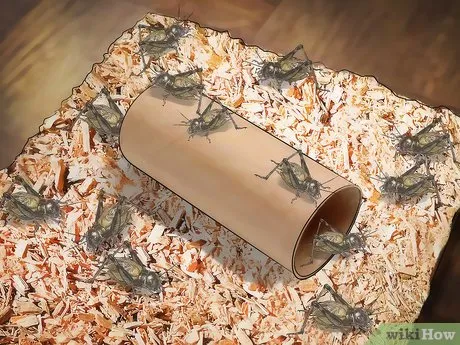
To maintain freshness, store feeder insects appropriately, depending on the species. Crickets and roaches often require proper ventilation and the right temperature, while mealworms and super worms need specific substrates and humidity levels. Monitor the storage environment regularly to ensure it remains optimal, adjusting it as necessary to maintain feed quality. When looking at tarantula feed for sale, think about how you will store the feed when it arrives. Keep feeder insects fresh by following the suggested storage requirements.
Preventing Contamination
Prevent contamination by keeping the feeder insects in a clean environment. Regularly clean the containers and feeding areas to avoid the buildup of waste and potential pathogens. Avoid overcrowding your feeder insects. Overcrowding increases the risk of disease and reduces air quality. When handling the feed, always wash your hands thoroughly before and after. Doing these things ensures a healthy and safe food source for your tarantula. Proper hygiene during handling and storage helps avoid contamination.
Tip 5 Monitoring Your Tarantula
Monitoring your tarantula’s behavior is crucial for ensuring its well-being. Observing the tarantula’s feeding habits, activity levels, and overall appearance can help you identify any potential issues early on. The ability to recognize signs of health concerns is a key aspect of responsible tarantula care. This will ensure your pet receives the care it needs to stay healthy. When looking at tarantula feed for sale, keep in mind the importance of actively observing your pet. This observation and active monitoring are critical to the success of keeping tarantulas.
Signs of a Healthy Appetite

A healthy tarantula will usually display a good appetite. It will readily accept food, especially when it’s hungry. If your tarantula shows a strong interest in feeding, is active, and has a rounded abdomen (without being overly large), these are signs of a healthy appetite. Observe its reaction to the food. Look out for signs such as its ability to catch prey, its willingness to eat, and the speed at which it consumes its meal. All of these are indications of good health and well-being.
Identifying Potential Problems
Pay close attention to any changes in your tarantula’s behavior, such as a loss of appetite or lethargy. A tarantula that consistently refuses food could be approaching a molt, or it may be ill. Monitor your tarantula for any physical changes, such as unusual coloration or changes in its posture. Changes could suggest an underlying health issue. Early detection is critical. If you notice anything unusual, consult with a veterinarian or a knowledgeable tarantula keeper. Prompt action can improve your tarantula’s health. These early warning signs will help you take care of your pet.
In conclusion, providing the right tarantula feed is crucial for your pet’s health. Choosing the right feed, setting a proper feeding schedule, and sourcing from reputable suppliers are all essential parts of tarantula care. Always keep a close eye on your tarantula. By following these top 5 feeding tips, you will give your tarantula the best life possible. With the right food, your tarantula can thrive.