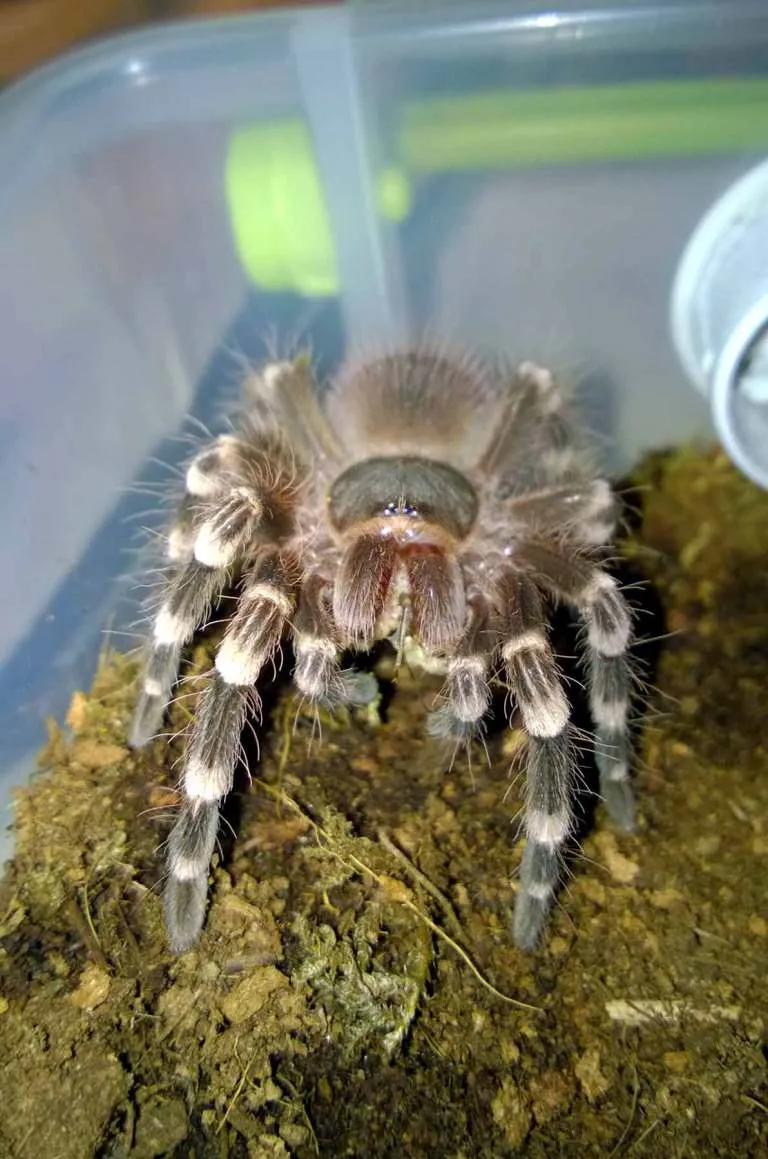
What are Tarantula Feeding Bites?
Tarantula feeding bites are a natural occurrence, a part of how these fascinating creatures obtain their nutrition. Understanding these bites is crucial for anyone who owns, cares for, or simply encounters a tarantula. These bites are not always a result of aggression, but often occur during feeding attempts. Tarantulas are opportunistic feeders, and their behavior is primarily driven by instinct and the need to survive. These bites, while not typically life-threatening to humans, can be painful and may cause local reactions. This article explores the key aspects of tarantula feeding bites to ensure a safe and informative experience for both the owner and the observer. It is important to remember that tarantulas are generally docile and prefer to avoid conflict, but understanding their feeding habits is essential to prevent any negative interaction.
How Tarantulas Feed
Tarantulas feed primarily on insects, but also consume other invertebrates and, occasionally, small vertebrates. Their feeding process is quite unique. First, the tarantula will typically ambush its prey, using its speed and venom to subdue it. The tarantula then uses its chelicerae (fangs) to bite the prey, injecting venom that paralyzes the target and begins the process of breaking down the tissues. Unlike many predators that swallow their food whole, tarantulas have a special way of consuming their meals. They use enzymes in their saliva to predigest the prey. Then, they suck up the liquefied nutrients, leaving behind the exoskeleton. This method of feeding makes tarantulas efficient hunters and allows them to consume a wide variety of prey relative to their size. Understanding this feeding process is key to understanding why feeding bites may occur.
The Mechanics of a Tarantula Bite

The mechanics of a tarantula bite involve the use of the chelicerae, two fangs that the spider uses to inject venom. When a tarantula bites, it rapidly strikes with these fangs, which can penetrate the skin. The depth of the bite varies depending on the size of the tarantula and the thickness of the skin of the target. The bite is not designed to chew or tear; instead, it serves as a delivery system for the venom. The venom contains various enzymes and toxins that serve to immobilize and begin the digestion of the prey. In the context of a feeding bite, the mechanics are similar, but the goal is to quickly incapacitate and kill the prey. The bite itself can be painful due to the puncture wounds and the injection of venom. Careful handling and an understanding of the tarantula’s behavior can greatly reduce the risk of being bitten.
The Purpose of Feeding Bites
The primary purpose of a tarantula feeding bite is to secure and consume prey. The bite serves two critical functions: delivering venom and mechanically subduing the prey. The venom paralyzes the prey, preventing it from escaping or fighting back. At the same time, the physical bite itself can provide a grip, preventing the prey from moving. In the wild, this mechanism is essential for survival, allowing tarantulas to hunt effectively. In captivity, the purpose remains the same when the tarantula is presented with food. The spider’s instincts trigger the feeding response, which involves the bite. While feeding, a tarantula may bite more than once to ensure the prey is completely subdued and to initiate the digestion process. Understanding the purpose of the feeding bite is crucial for responsible tarantula ownership.
Fact 1 Tarantula Bite Venom
The venom of a tarantula is a complex mixture of proteins and enzymes. The composition of the venom varies by species, but its primary function is to immobilize prey. The venom contains neurotoxins that disrupt the nervous system of the target, leading to paralysis. It also includes enzymes that begin the process of breaking down the prey’s tissues, making it easier for the tarantula to consume. The potency of the venom differs among species, with some tarantulas having more potent venom than others. For humans, a tarantula bite is typically not life-threatening, but the venom can cause localized pain, swelling, and discomfort. Allergic reactions, though rare, can occur. The venom is specifically designed for insects and small animals, not for causing serious harm to humans. It is important to seek medical attention if you experience severe symptoms after being bitten.
Fact 2 The Bite Itself

The bite itself can be a painful experience. The fangs of a tarantula are sharp and can penetrate the skin, resulting in puncture wounds. The sensation is often described as similar to a bee sting, with immediate pain and a potential for localized swelling. The severity of the pain can vary depending on several factors, including the size of the tarantula, the location of the bite, and an individual’s sensitivity. While the bite itself can be painful, it is not generally the primary cause of concern. It is the venom that causes the more significant physiological effects. After the bite, the area may turn red, and there might be some bruising. The bite should be treated like any other puncture wound, with proper cleaning and observation for any signs of infection. The bite’s physical impact, combined with the venom’s effects, highlights the need for caution when handling tarantulas.
Fact 3 The Bite’s Impact on Humans
The impact of a tarantula feeding bite on humans usually involves localized symptoms. These symptoms can include immediate pain at the bite site, redness, swelling, and itching. Some people may experience muscle cramps or spasms. More severe systemic reactions are rare but can include nausea, vomiting, and dizziness. In some cases, an allergic reaction could develop, which might require medical attention. The severity of the reaction varies based on several factors, including the species of tarantula, the amount of venom injected, and individual sensitivity. Most of the time, the symptoms subside within a few hours or days. However, if the symptoms worsen or become systemic, it’s important to seek medical advice. Proper care of the bite, such as cleaning the wound and applying a cold compress, can help reduce discomfort and prevent infection.
Fact 4 Bite Reactions
Individual reactions to tarantula bites can vary widely. Common reactions include immediate pain, which can range from mild to moderate. Redness and swelling at the bite site are also typical. Some individuals may experience itching or a burning sensation. Less common but possible reactions include muscle cramps or spasms, particularly in the affected limb. More severe reactions, such as nausea, vomiting, and dizziness, are rare. In very rare cases, individuals may experience an allergic reaction that requires medical intervention. The reaction severity depends on factors such as the tarantula species, the amount of venom, and the individual’s sensitivity. Knowing how to recognize these reactions is essential. If you suspect an allergic reaction or experience severe symptoms, seek medical attention promptly. Proper care involves cleaning the wound, applying a cold compress, and monitoring for worsening symptoms.
Fact 5 Prevention Strategies

Preventing tarantula feeding bites involves several key strategies. Always handle tarantulas with care and avoid sudden movements that could startle them. Use tools like long tongs when feeding your tarantula to keep your hands away from the fangs. Never put your hand directly in front of the tarantula’s fangs or directly in the enclosure. Educate yourself about the species of tarantula you own or are interacting with, including their temperament and potential for aggression. If you need to handle a tarantula, do so over a soft surface, like a bed or a carpet, to minimize the impact if it falls. Provide an appropriate and stimulating environment for your tarantula to reduce stress, making them less likely to bite. Careful attention to these details will make your interactions with your tarantula safe and enjoyable.
Handling Precautions
When handling tarantulas, several precautions can minimize the risk of a feeding bite. Always handle the tarantula gently and avoid sudden movements that may startle it. It’s often best to avoid handling them unless necessary, as they are generally content in their enclosures. If you must handle the tarantula, do so with calm, deliberate actions. Make sure the tarantula is aware of your presence and approach. Never try to grab a tarantula, as this could provoke it into a defensive bite. Always handle the tarantula over a soft surface to reduce the risk of injury if it falls. Wash your hands before and after handling, and be aware of any potential allergies. Providing a safe and calm environment will help keep both you and your tarantula safe.
Feeding Practices
Proper feeding practices can significantly reduce the risk of tarantula feeding bites. Use long tongs or tweezers to present food items, such as crickets or mealworms, to the tarantula. This keeps your hands safely away from the spider’s fangs. Observe the tarantula while feeding. Never leave live prey in the enclosure for an extended period, as the prey could stress the tarantula and potentially cause a defensive bite. Feed your tarantula an appropriate amount. Overfeeding can lead to waste and unconsumed prey. Consider offering food at night when the tarantula is most active. Maintain a clean and healthy enclosure to reduce the risk of stress and aggression. By adopting these practices, you can ensure that your tarantula has a positive feeding experience and reduce the likelihood of a bite.
Habitat Safety

Ensuring a safe habitat for your tarantula is essential for their well-being and your safety. The enclosure should be secure, with a tight-fitting lid to prevent escapes. Provide a suitable substrate, such as coconut fiber or peat moss, to create a comfortable environment for burrowing or hiding. Maintain the correct temperature and humidity levels for the tarantula species. Avoid overcrowding the enclosure, which can cause stress and aggression. Keep the enclosure clean and free of uneaten food and waste. Ensure that there are no sharp objects or potential hazards within the habitat that could injure the tarantula. By creating a safe and enriching environment, you can reduce the risk of bites and promote the health and happiness of your tarantula.