What is Tarantula Feeding Dance?
The tarantula feeding dance is a fascinating display of predatory behavior, a carefully orchestrated sequence of actions a tarantula performs when it’s time to eat. This ‘dance’ is not a literal performance but rather a series of instinctive movements and reactions that enable the tarantula to capture and consume its prey. It involves a combination of sensory perception, strategic positioning, and precise strikes. Understanding the tarantula feeding dance provides insights into the spider’s hunting techniques, survival strategies, and overall well-being. The tarantula’s feeding behavior is influenced by several factors, including its environment, the type of prey available, and its own physical condition.
The Role of Prey Selection
Prey selection is a critical aspect of the tarantula feeding dance. The tarantula’s success in capturing and consuming its food largely depends on the choice of prey. Tarantulas are opportunistic hunters, and their prey selection is influenced by various factors, including size, movement, and availability. They typically go for insects and other invertebrates. The prey’s size is crucial; it should be manageable and provide sufficient nutrition without posing a significant risk to the tarantula. Prey that is too large can injure the tarantula during the struggle, while prey that is too small may not be worth the effort. The tarantula feeding dance begins with the careful assessment of potential prey.
Understanding Tarantula’s Vision and Senses
Tarantulas possess a unique set of senses that enable them to locate and capture prey. Their vision, while not as acute as some other predators, plays a vital role in the feeding dance. Tarantulas have eight eyes, but their visual acuity is relatively limited. They are primarily designed to detect movement and changes in light and shadow. They can perceive shapes and movement from a certain distance, which helps them identify potential prey. In addition to vision, tarantulas rely heavily on other senses, such as touch and chemoreception. They have sensory hairs, called setae, all over their bodies, which detect vibrations and air currents. These setae provide the tarantula with information about the prey’s location, size, and behavior. The feeding dance involves a complex interplay of these senses, allowing the tarantula to locate, approach, and subdue its prey.
How Tarantulas Locate Their Prey
Tarantulas use a combination of senses to locate their prey. Their primary method is detecting vibrations. When prey moves, it creates vibrations that the tarantula’s sensitive setae detect. These setae are hair-like structures covering the tarantula’s legs and body and are highly sensitive to vibrations in the substrate, like the ground or enclosure floor. In addition to detecting vibrations, tarantulas use their sense of smell, chemoreception, to identify potential prey. They can sense the odors released by insects and other invertebrates. This sense helps them locate hidden prey or determine the type of prey in their vicinity. The feeding dance often begins with the tarantula slowly approaching the prey, carefully assessing the situation based on the sensory information it receives.
The Importance of a Safe Feeding Environment
A safe feeding environment is essential for the tarantula’s well-being. The enclosure should be free from hazards that could potentially harm the tarantula during the feeding dance. It is important to consider the enclosure’s design, substrate, and overall conditions. The enclosure should be of the appropriate size for the tarantula, providing enough space for movement and hunting. Sharp objects, such as decorations with rough edges, should be avoided, as they could injure the tarantula. The substrate, or bedding, should be appropriate for the tarantula’s species and should not contain any toxic substances. The feeding environment should be kept clean to prevent the buildup of bacteria and mold, which can harm the tarantula. Providing a safe environment allows the tarantula to focus on its feeding dance without the added stress of potential danger.
How Humidity Affects the Feeding Behavior of a Tarantula

Humidity plays a significant role in influencing the tarantula’s feeding behavior. Tarantulas, like most arthropods, require a certain level of humidity in their environment to thrive. Too low humidity can lead to dehydration, which can impact their overall health and feeding activity. Proper hydration is essential for the tarantula’s bodily functions, including the molting process. If the humidity is too low, it can make the tarantula feel uncomfortable and hesitant to feed. Conversely, excessive humidity can lead to mold and bacterial growth, which is also detrimental to the tarantula’s health. The tarantula may become less active and may lose its appetite. Different tarantula species have specific humidity requirements, so it is crucial to research the needs of the particular species being kept and maintain the humidity level within the recommended range.
The Best Types of Food for Tarantulas
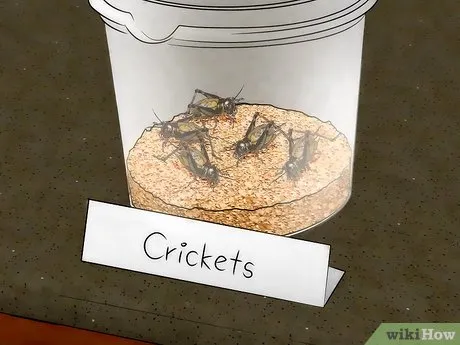
The ideal diet for tarantulas typically consists of live insects, the best types of food to provide a complete and balanced diet. Crickets are a popular and readily available option, offering a good source of protein and other nutrients. Roaches are another excellent choice, as they are generally more nutritious than crickets and tend to be easier to breed. Mealworms can be offered, especially to smaller tarantulas, but they should be used in moderation due to their high-fat content. Superworms are also suitable, but they should be fed carefully, as they can sometimes burrow and injure the tarantula during a molt. Variety is key. The tarantula feeding dance thrives on the variety. This ensures the tarantula receives a range of nutrients and keeps the feeding experience interesting.
The Correct Size and Shape of Prey
The size and shape of the prey significantly impact the tarantula feeding dance. The general rule is that the prey should be no larger than the tarantula’s body. Providing prey that is too large can lead to difficulties in capturing and consuming the food, potentially injuring the tarantula. It can also stress the tarantula and discourage it from feeding. Smaller prey, while easier to manage, might not provide sufficient nutrition, especially for growing tarantulas. The shape of the prey is also important, with the objective being to minimize the risk of the prey injuring the tarantula. The goal is to select prey that fits the tarantula’s size and feeding style, ensuring a successful and safe feeding experience.
Nutritional Needs of Tarantulas

Tarantulas require a balanced diet to maintain their health, with protein being a crucial component. Protein is essential for growth, development, and overall bodily functions. Insects, being a primary food source, provide the necessary protein. Along with protein, tarantulas also need other essential nutrients, including fats, carbohydrates, vitamins, and minerals. Fats are a source of energy and help in the absorption of fat-soluble vitamins. Carbohydrates provide additional energy, while vitamins and minerals support various bodily processes, such as nerve function and immune response. A varied diet that includes different types of insects can help ensure the tarantula receives a comprehensive nutritional profile.
How Often to Feed Tarantulas
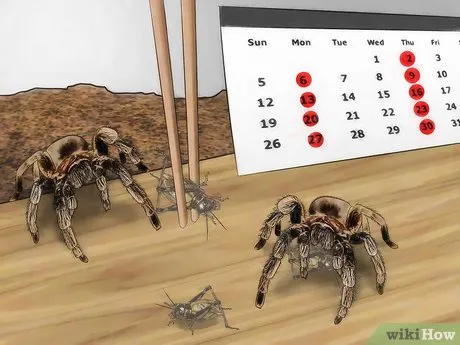
The frequency of feeding depends on the tarantula’s age, size, and species. Younger tarantulas, which are actively growing, generally require more frequent feedings, typically once or twice a week. As the tarantula matures, the feeding frequency can be reduced to once every week or two. Larger species may only need to be fed every few weeks. It’s essential to observe the tarantula’s behavior and body condition to determine the appropriate feeding schedule. A tarantula that has a plump abdomen is likely well-fed, while a tarantula with a noticeably shrunken abdomen may need more frequent feeding. Adjusting the feeding frequency as needed helps to ensure the tarantula receives the right amount of nutrition and maintains a healthy weight.
The Secret of Avoiding Stress During Feeding
Minimizing stress during the tarantula feeding dance is vital for the well-being of the spider. Providing a calm and secure environment is key. Avoid unnecessary disturbances near the enclosure, such as loud noises or sudden movements. When offering food, do so gently and calmly. Tarantulas can be sensitive to changes in their environment, and stress can make them hesitant to feed. Ensuring the enclosure is set up correctly, with appropriate hiding places and proper temperature and humidity levels, will help to reduce stress. Also, avoid handling the tarantula, particularly before and after feeding, as this can be stressful. Providing a stress-free environment will encourage the tarantula to engage in its feeding dance and maintain a healthy appetite.
How To Observe Your Tarantula Eating

Observing the tarantula feeding dance is a fascinating experience. The first step is to introduce the prey carefully into the enclosure. Once the prey is in place, the tarantula will usually start its feeding dance. This often involves a combination of stalking, lunging, and biting. The tarantula will use its fangs to inject venom into the prey. The venom paralyzes the prey and begins the process of breaking down its tissues. Once the prey is subdued, the tarantula will typically begin to feed. Using its chelicerae, the tarantula grinds up the prey, consuming the liquefied tissues. As the tarantula consumes the meal, its abdomen will start to swell. Observing the feeding behavior provides insights into the spider’s hunting and feeding strategies.
The Cleanup Process After Feeding
Cleaning up the enclosure after feeding is an essential part of tarantula care. Leftover prey, or parts of prey, can attract mites, mold, and bacteria, which can be harmful to the tarantula. The goal is to remove any remaining uneaten food promptly. Waiting for the tarantula to finish eating or discard the leftovers is a must. After the tarantula has finished feeding, or if the prey remains uneaten for a certain period, the remains should be removed. Using tongs or tweezers, gently remove any uneaten parts from the enclosure. Regularly cleaning the enclosure helps maintain a healthy and hygienic environment for the tarantula and can prevent the development of any potential health issues. The frequency of cleaning will vary depending on the tarantula’s feeding habits and the size of the enclosure.