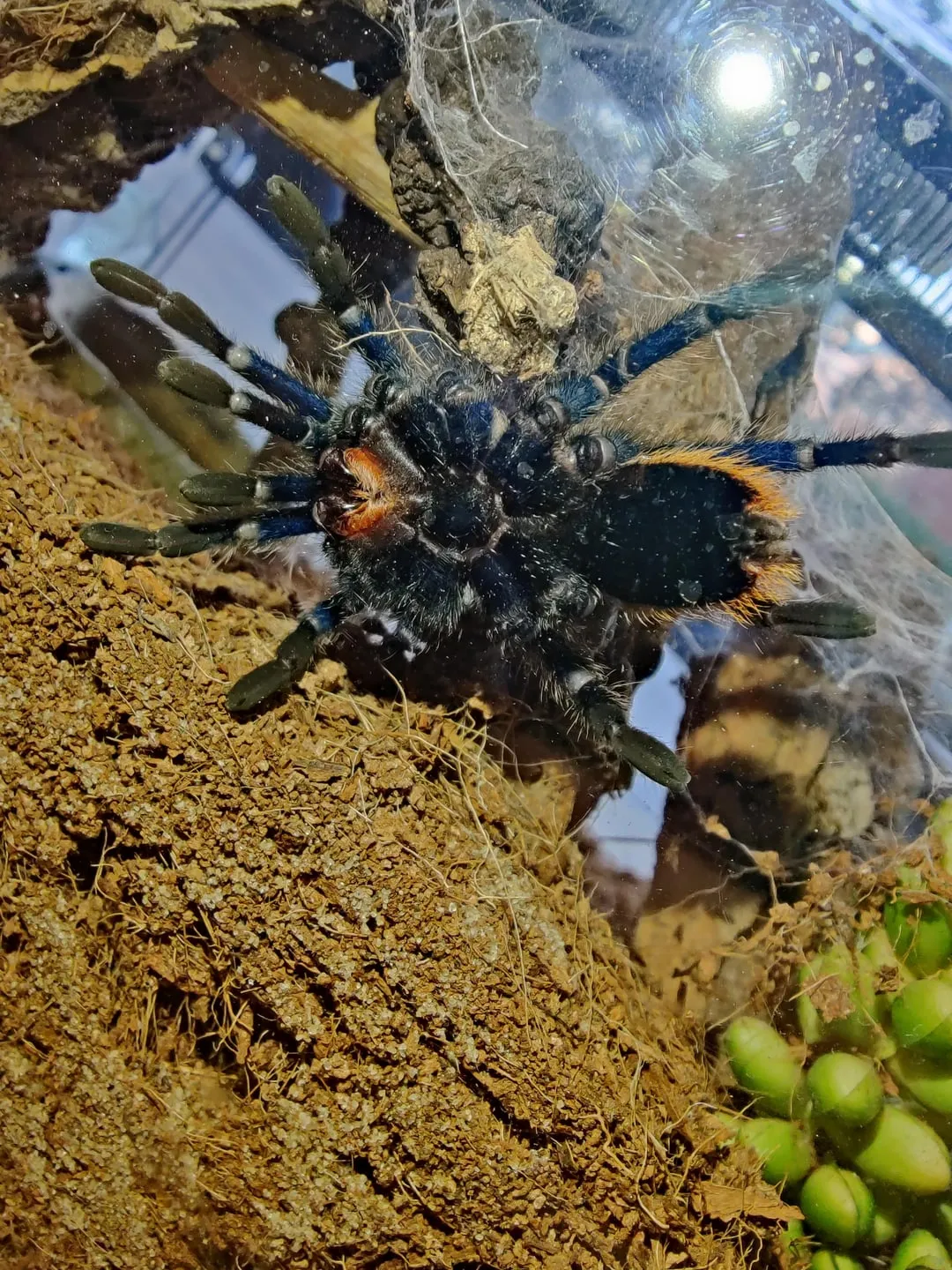
The GBB (Greenbottle Blue) tarantula, a stunning and popular species, is a captivating pet. Successfully keeping a GBB tarantula requires understanding its specific needs, and a crucial aspect of this is proper feeding. This guide provides amazing tips and insights into the optimal diet and feeding practices to ensure your GBB tarantula thrives. From understanding their natural diet to handling safety, we will explore all the essentials of tarantula feeding. Proper feeding not only keeps your tarantula healthy but also enhances its vibrant coloration and overall well-being. Let’s delve into the fascinating world of GBB tarantula feeding.
Understanding the GBB Tarantula’s Diet
Understanding the dietary needs of your GBB tarantula is the cornerstone of its health and longevity. In the wild, these tarantulas are opportunistic feeders, consuming whatever prey they can overpower. Replicating their natural diet as closely as possible in captivity is essential for their well-being. This means providing a varied diet that meets their nutritional requirements and satisfies their hunting instincts, crucial for the animal’s mental stimulation and physical health. The goal is to mimic their natural eating habits, making sure the food is safe, nutritious, and readily available.
Natural Diet of the GBB Tarantula
The GBB tarantula, a species of arboreal tarantula, is a predator by nature. Their diet consists primarily of insects and other small invertebrates. Understanding what they eat in the wild is key to replicating their diet successfully in captivity. This knowledge guides us in providing a balanced and appropriate diet, fostering their overall health. In their natural habitat, GBB tarantulas will consume a range of insects, which offers a variety of nutrients essential for their development.
Live Insects

Live insects are the staple of a GBB tarantula’s diet, mirroring their natural feeding habits. Crickets, roaches (dubia roaches are a good option), mealworms, and other readily available feeder insects are excellent choices. Always ensure that the insects are gut-loaded before feeding them to your tarantula. Gut-loading involves feeding the insects nutritious food items like fruits, vegetables, and commercial insect food, which enhances the nutritional value of the insects for your tarantula. This practice provides your tarantula with a more balanced diet, boosting its health and vitality.
Pre-killed Prey
While live insects are ideal, pre-killed prey can be offered, particularly for newly molted or smaller tarantulas that may be vulnerable. It’s essential to ensure the insects are freshly killed and not contaminated. Using pre-killed prey minimizes the risk of injury to the tarantula during feeding. This is especially important for young spiderlings, as they are more fragile. Pre-killed prey also allows for better control over the feeding process and quantity, reducing waste and preventing uneaten insects from remaining in the enclosure. Always remove any uneaten prey within 24 hours to prevent mold growth.
Nutritional Needs of GBB Tarantulas
GBB tarantulas, like all living creatures, need a balanced diet to thrive. Their nutritional needs are met through the insects they consume. It’s important to provide prey that is not only nutritious but also safe for the tarantula. A varied diet will support their growth, coloration, and overall health. Understanding these needs helps you provide the best care, ensuring your GBB tarantula lives a long and healthy life. Proper nutrition is the foundation of their health and well-being.
Essential Nutrients

GBB tarantulas require a diet rich in protein, which supports their growth and molting process. Chitin, found in the exoskeletons of insects, is also beneficial. In addition, they need essential vitamins and minerals that they obtain from their prey. Gut-loading the feeder insects ensures that these nutrients are passed on to the tarantula. Offering a variety of insects ensures they get a broad spectrum of nutrients. A well-balanced diet is the key to vibrant coloration and strong health. Consider supplementing your feeder insects with commercial supplements if necessary, but always consult with a tarantula expert before doing so.
Hydration and Water
Water is as essential as food. GBB tarantulas, like all living creatures, require a constant supply of fresh water for hydration. Proper hydration is critical for molting, as well as overall health. Providing fresh, clean water ensures your tarantula stays healthy. The hydration level affects every aspect of their life, from shedding to internal processes. Regularly monitoring and maintaining water supply is essential for their well-being.
Proper Watering Techniques
Always provide a shallow water dish filled with fresh, clean water. Replace the water regularly to prevent the growth of bacteria and mold. The water dish should be shallow enough to prevent drowning, especially for spiderlings. Alternatively, you can mist the enclosure lightly with water, especially during molting, to increase humidity. Regularly check the water dish for cleanliness. The frequency of watering will depend on the enclosure’s ventilation and humidity levels, so adjust accordingly to prevent dehydration.
Feeding Frequency and Amounts

The frequency and amount of feeding should be tailored to the tarantula’s age and size. Overfeeding can lead to obesity and health problems, while underfeeding can stunt growth. A balanced approach is key to ensuring the health and well-being of your GBB tarantula. Consider their age, size, and molting cycle when determining how much and how often to feed your pet. Observe their feeding behavior and adjust accordingly, so you provide the right quantity of food at appropriate intervals.
Feeding a Spiderling
Spiderlings, being young and growing rapidly, require more frequent feeding. Feed spiderlings every other day or every two days. Offer small, appropriately sized prey items, such as pinhead crickets or fruit flies. Monitor their abdomen size; it should be slightly rounded after feeding, but not overly distended. Overfeeding spiderlings can lead to premature molting and potentially health problems. Offer the food and remove the uneaten items to avoid excess waste.
Feeding a Juvenile Tarantula
Juvenile GBB tarantulas can be fed less frequently than spiderlings. Feed them once or twice a week. Increase the size of the prey items as they grow. Crickets, small roaches, or mealworms are good choices. Monitor their abdomen and feeding response to adjust the frequency. Ensure you’re offering a variety of prey to provide a range of nutrients. If the tarantula refuses food for a few weeks, it might be preparing to molt, so reduce the frequency.
Feeding an Adult GBB Tarantula

Adult GBB tarantulas have slower metabolisms and need less frequent feeding. Feed them once every one to two weeks. Offer larger prey items, such as adult crickets or roaches. Monitor their abdomen; it should be a moderate size, not too small or overfilled. Overfeeding can be a problem, so observe your tarantula and adjust the frequency accordingly. If the tarantula refuses food consistently, it could be a sign of an impending molt, or it may be nearing the end of its lifespan. A healthy adult GBB tarantula will show a strong feeding response when hungry.
Handling and Safety Precautions
While GBB tarantulas are generally docile, handling them should be approached with caution. Their venom is not lethal to humans, but their bite can be painful, and the hairs on their abdomen can cause irritation. Always prioritize safety when handling your tarantula, both for your well-being and the tarantula’s. Understanding the potential risks and taking necessary precautions will help in preventing any accidents and ensuring the health of both the handler and the tarantula.
Safe Handling Practices
Avoid handling unless absolutely necessary, such as for enclosure cleaning or health checks. If handling is unavoidable, do so over a soft surface, like a bed or a carpet, to minimize the risk of injury if the tarantula falls. Never handle a tarantula after feeding or during molting, as they are more vulnerable. Wash your hands thoroughly before and after handling. Be aware of the tarantula’s body language and avoid sudden movements. If you are bitten, clean the area and seek medical advice if needed. It is important to be respectful of these creatures.
Dealing with Refusal to Eat

Sometimes, your GBB tarantula may refuse to eat, and it is essential to understand the common causes for this and what actions to take. While it can be concerning, non-eating can be a natural behavior, and knowing the reasons can help ease your worries and ensure proper care. If your tarantula stops eating, it is crucial to assess the situation. Various factors can lead to food refusal, from impending molting to environmental issues. This section guides you to recognize these causes and suggests effective troubleshooting techniques to address the issue.
Common Reasons for Refusal
The most common reason for a tarantula refusing food is that it is preparing to molt. Other reasons include stress, changes in the environment, or the presence of mites or other parasites. Sometimes, a tarantula may simply not be hungry. Observe your tarantula for other signs of illness or discomfort, such as lethargy or changes in behavior. Incorrect temperature or humidity levels can also affect appetite. Furthermore, the size of prey or improper handling may cause refusal. If the prey is too large, the tarantula might avoid it. Stress can impact the feeding behavior.
Troubleshooting Strategies
If your GBB tarantula stops eating, try to identify the underlying cause. Check the enclosure’s temperature and humidity levels to ensure they are appropriate. Provide a secure, stress-free environment. Ensure that the water source is clean and accessible. Offer a variety of prey items and try different feeding times. If you suspect an impending molt, do not worry; simply provide water and leave the tarantula undisturbed. If the refusal persists for an extended period, consult with a veterinarian or a tarantula expert. Keep the environment stable and provide essential care.
Creating an Ideal Feeding Environment

The environment in which you keep your GBB tarantula has a direct impact on its feeding habits. Providing an ideal environment is crucial for ensuring the tarantula feels safe and comfortable, which is necessary for stimulating its appetite. Proper temperature, humidity, and enclosure setup help foster a healthy appetite and overall well-being. This section explores the essential environmental factors that contribute to successful feeding and a happy, healthy tarantula.
Temperature and Humidity
GBB tarantulas thrive in specific temperature and humidity ranges. Maintain a temperature between 75-85°F (24-29°C) and a humidity level of 65-75%. Use a thermometer and hygrometer to monitor these conditions accurately. The enclosure’s ventilation should be adequate to prevent mold and maintain proper humidity levels. Regular misting or providing a water dish ensures the right humidity levels. Keep these conditions stable to encourage good feeding habits.
Appropriate Enclosure Setup
The enclosure should be appropriately sized, well-ventilated, and secure. Provide a substrate that holds humidity well, such as coconut fiber or peat moss. Include a hide or shelter to allow the tarantula to feel safe. Avoid sharp objects or anything that could harm the tarantula. Ensure the enclosure is escape-proof, preventing any accidental escapes. The setup should closely mimic the tarantula’s natural habitat. A well-designed enclosure is crucial for the overall well-being and feeding habits of the GBB tarantula.
In conclusion, feeding a GBB tarantula is a rewarding aspect of their care, requiring attention to detail and a commitment to providing the best possible environment. By understanding their dietary needs, providing a safe environment, and being attentive to their behaviors, you can ensure your GBB tarantula thrives. This guide provides the amazing tips and essential knowledge to master this practice. Enjoy the journey of caring for these fascinating creatures!