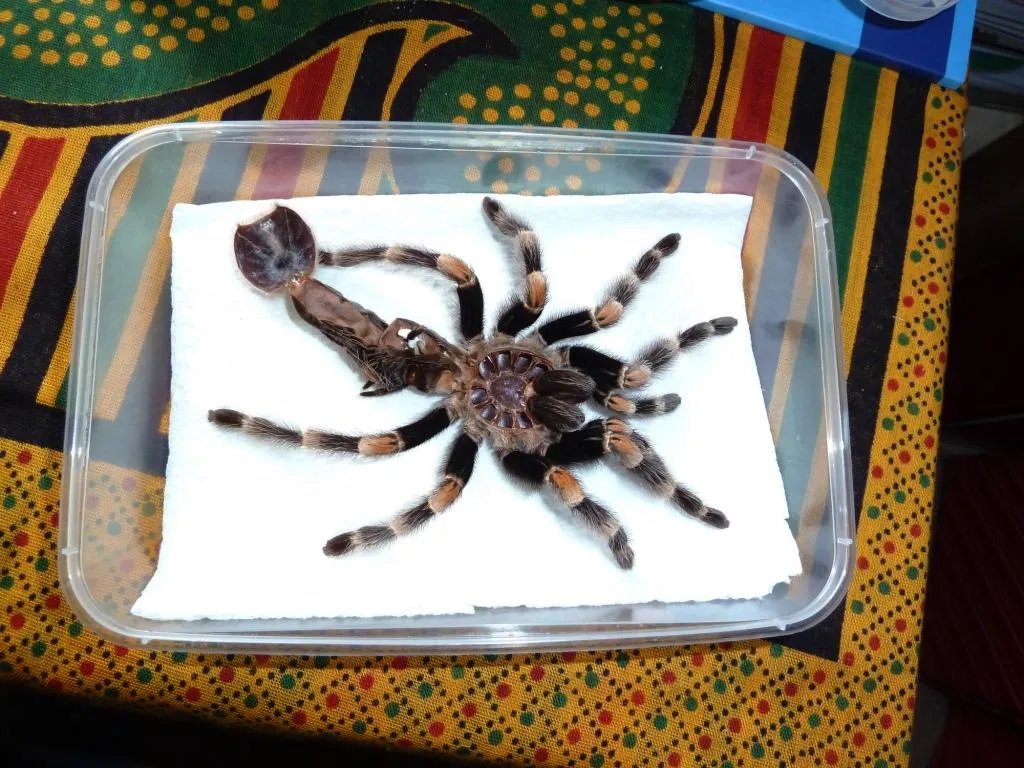
What Does a Healthy Tarantula Abdomen Look Like?
Understanding your tarantula’s health starts with knowing what’s normal. A healthy tarantula abdomen should be round and plump. It should appear slightly larger than the carapace (the top shell) and exhibit a smooth, taut appearance. The abdomen’s size fluctuates depending on the tarantula’s feeding schedule and molting cycle. A well-fed tarantula will have a more substantial abdomen, indicating good hydration and nutritional status. Regular observation is key to recognizing any changes that might signal a health issue. Changes in the abdomen’s appearance can provide valuable clues regarding the tarantula’s well-being, making it essential to monitor these features closely.
Understanding Tarantula Anatomy
To understand why a flat abdomen is a concern, it’s helpful to know a bit about tarantula anatomy. The abdomen is the posterior section of the tarantula’s body, housing vital organs such as the heart, digestive system, and reproductive organs. The abdomen’s size and shape are largely determined by the tarantula’s hemolymph (spider blood) and the contents of its digestive tract. A healthy abdomen contains sufficient hemolymph, giving it a full appearance, and proper organ function is dependent on adequate hydration and nutrition. The integument, or outer covering of the abdomen, stretches and contracts to accommodate these internal changes. This design allows the tarantula to store food and water, crucial for survival, especially during times of scarcity or the molting process.
Why is My Tarantula’s Abdomen Flat?

A flat abdomen in a tarantula can be a sign of several underlying issues, ranging from relatively minor to serious. The abdomen serves as an indicator of the tarantula’s health, revealing information about its hydration, nutritional status, and overall well-being. Recognizing the potential causes is the first step in addressing the problem. Common causes include dehydration, molting problems, parasitic infections, nutritional deficiencies, or even physical injuries. Each of these issues requires a different approach to treatment, underscoring the importance of accurate diagnosis. Early detection and intervention are often critical to ensuring the tarantula’s recovery and long-term health. It is also important to carefully assess the tarantula’s environment and care routine for any contributing factors.
Dehydration
Dehydration is a common cause of a flat abdomen in tarantulas. These arachnids require adequate water intake to maintain their body’s essential functions. When a tarantula doesn’t get enough water, its abdomen can become shrunken. Dehydration can result from inadequate humidity in their enclosure, infrequent access to water, or certain illnesses. Providing a shallow water dish with fresh water is crucial, as is maintaining the appropriate humidity level for the species. Dehydration can quickly become life-threatening, so prompt action is essential to rehydrate your pet and restore its health. Regular monitoring of the tarantula’s behavior and environment is essential to preventing dehydration.
Signs of Dehydration in Tarantulas
Dehydration can manifest in several ways, beyond just a flat abdomen. Look for other signs like lethargy (reduced activity), loss of appetite, and a wrinkled appearance of the abdomen. The tarantula may also exhibit a hunched posture, seeking a cooler area within the enclosure. In severe cases, you might observe the tarantula sitting near its water dish without drinking or refusing to move. Additionally, the tarantula’s chelicerae (mouthparts) can appear shrunken. These symptoms collectively signal a need for immediate intervention to rehydrate the tarantula and prevent more serious health complications. Early detection of these warning signs can significantly improve the chances of a successful recovery.
How to Rehydrate a Tarantula

If you suspect your tarantula is dehydrated, there are steps you can take to help. First, ensure the enclosure’s humidity is appropriate for the species. Increase humidity by misting the enclosure with dechlorinated water, but avoid oversaturating it. Always provide a shallow water dish filled with fresh, clean water. If the tarantula is not drinking, gently dab water on its mouthparts using a cotton swab; this can encourage it to drink. In some cases, the tarantula might benefit from being placed in a humid hide (a small container with damp paper towels). Monitor the tarantula closely for any signs of improvement, such as a plumper abdomen and increased activity. If dehydration persists despite your efforts, consult a veterinarian specializing in exotic pets.
Molting Issues
Molting is a natural process where tarantulas shed their exoskeleton to grow. However, problems during molting can lead to a flat abdomen. During the molting process, the tarantula may lose fluids and, if the molt is unsuccessful or prolonged, it can affect the abdomen’s fullness. Providing the right environment and avoiding disturbance during the molting period are essential to support a successful molt. Improper molting conditions can also increase the risk of injury and stress, potentially worsening the abdominal condition. A poorly executed molt can be detrimental to the tarantula’s health.
The Molting Process
The molting process in tarantulas is complex. It involves the tarantula creating a new exoskeleton beneath the old one, then splitting the old one and emerging. This process can take several hours or even days. Before molting, tarantulas often stop eating, and their abdomen may appear darker. The tarantula will typically lie on its back during the molting phase, and the old exoskeleton will split open. During this period, the tarantula is highly vulnerable. It is important to avoid disturbing the tarantula during molting and to provide a safe and humid environment to support the process. The success of molting is greatly dependent on environmental conditions and the tarantula’s overall health.
Problems During Molting

Various issues can arise during molting that can lead to a flat abdomen. A dry environment can make it difficult for the tarantula to shed its old exoskeleton, causing the molt to get stuck. Injuries sustained during the molt can also contribute to the issue. Furthermore, an unhealthy tarantula may lack the energy needed to complete the molting process successfully. If the molt is incomplete or unsuccessful, the tarantula might have difficulty feeding and maintaining proper hydration. In such cases, it may be necessary to seek veterinary assistance. Providing the correct humidity, avoiding disturbances, and maintaining a healthy environment are crucial in preventing molting problems. The presence of a flat abdomen after molting suggests that the process might not have gone as planned.
Parasites and Diseases
Parasites and diseases can also cause a flat abdomen in tarantulas. Internal or external parasites can weaken the tarantula, affecting its ability to feed and absorb nutrients. These infections can lead to weight loss and a loss of fluids, resulting in a flat abdomen. Certain diseases also affect the tarantula’s ability to maintain its health and retain fluids. Prompt diagnosis and treatment are essential to combat parasitic infestations and diseases that cause abdomen issues. Early intervention often improves the chances of a successful recovery and reduces the potential for further complications. Maintaining a clean and well-maintained enclosure can also help prevent these issues.
Common Tarantula Parasites
Tarantulas can be affected by several parasites, including mites and nematodes. Mites are small, often visible, and can cause irritation and stress. Nematodes are microscopic worms that can affect the digestive system, hindering nutrient absorption. These parasites can directly affect the tarantula’s health, leading to dehydration, malnourishment, and ultimately, a flat abdomen. Recognizing signs of parasitic infestation, such as unusual behavior or visible parasites, is crucial for timely intervention. It’s essential to isolate affected tarantulas and implement a treatment plan recommended by a veterinarian. Regularly cleaning the enclosure and quarantining new arrivals are practical measures to prevent infestations.
Signs of Parasitic Infections

Identifying parasitic infections requires observation and attention to detail. Look for unusual behaviors such as excessive scratching, lethargy, or loss of appetite. Visible signs of parasites, like tiny mites on the tarantula or in the enclosure, can indicate an infestation. Changes in the tarantula’s feces can also provide clues. Moreover, the tarantula’s abdomen may appear flatter than usual. A veterinarian experienced in exotic animal care can accurately diagnose parasitic infections by performing fecal examinations or other tests. Prompt intervention, including appropriate medications and environmental modifications, can help eradicate parasites and restore the tarantula’s health. Regular veterinary check-ups can help in early detection and treatment of any such issues.
Nutritional Deficiencies
Nutritional deficiencies can contribute to a flat abdomen in tarantulas. When a tarantula doesn’t receive a balanced diet, it may not get the necessary nutrients for proper health. This includes the lack of essential vitamins and minerals. Insufficient nutrition can lead to weight loss, dehydration, and a reduction in abdominal size. Providing a varied diet of appropriately sized insects is vital. These insects must be gut-loaded (fed nutritious food before being offered to the tarantula) to ensure they provide necessary vitamins and minerals. Supplementing the diet with calcium and other vitamins can be beneficial, especially for growing tarantulas or those that have just molted. A well-balanced diet helps maintain the tarantula’s overall health, including a plump abdomen.
Signs of Nutritional Deficiencies
Recognizing signs of nutritional deficiencies involves observing the tarantula’s behavior and appearance. Look out for slow growth, lethargy, loss of appetite, and a flat or shrunken abdomen. The tarantula’s exoskeleton might appear dull, or it might experience difficulties during molting. These are indicators that the tarantula is not receiving the proper nutrients. Furthermore, tarantulas with nutritional deficiencies may exhibit weakness or unusual postures. Supplementing the diet with a calcium or vitamin supplement can help correct the deficiencies. If the tarantula is unable to feed properly, veterinary intervention may be needed to provide assisted feeding. Preventing nutritional deficiencies requires consistent attention to the quality and variety of the diet provided.
Feeding Your Tarantula a Balanced Diet
Feeding your tarantula a balanced diet involves providing a variety of appropriately sized insects, such as crickets, roaches, or mealworms. It’s crucial to gut-load these insects before feeding them to your tarantula. Gut-loading involves feeding the insects nutritious foods like fruits, vegetables, and commercial insect food, which will then pass essential vitamins and minerals to your tarantula. Supplementing the tarantula’s diet with calcium or other vitamins can be beneficial, especially during molting. Offer food regularly, adjusting the frequency based on the tarantula’s age and species. Make sure to remove uneaten food to prevent the growth of mold or bacteria. Monitoring the tarantula’s feeding behavior and adjusting the diet as needed is key to maintaining its health and a healthy abdomen.
Abdominal Injuries
Injuries to the abdomen can also lead to a flat appearance. These injuries can result from falls, bites during feeding, or encounters with sharp objects in the enclosure. Damage to the abdomen can impair the tarantula’s ability to retain fluids, causing it to shrink and appear flat. Such injuries can also cause internal damage, complicating the tarantula’s ability to function properly. Prompt identification and proper treatment are crucial to the tarantula’s survival. Maintaining a safe and appropriate environment, minimizing potential hazards in the enclosure, and handling the tarantula carefully can help prevent these injuries.
Treating Abdominal Injuries
Treating abdominal injuries requires careful handling and veterinary attention. If you suspect an injury, place the tarantula in a clean, safe enclosure with appropriate humidity levels. A veterinarian specializing in exotic animals can assess the extent of the injury. Depending on the injury, treatment may include wound cleaning, antibiotics to prevent infection, and supportive care. Ensure the tarantula has access to fresh water and avoid handling it unnecessarily. In some cases, assisted feeding may be necessary if the tarantula is unable to eat on its own. Monitor the tarantula’s condition closely, watching for signs of improvement or worsening. Early intervention and appropriate care greatly increase the likelihood of a successful recovery.
Preventing Injuries

Preventing injuries to your tarantula involves creating a safe environment. Use an enclosure of the right size and design, avoiding overly tall tanks from which the tarantula could fall. Remove any sharp objects or potential hazards from the enclosure. Handle your tarantula with care, minimizing drops and ensuring it is supported during transport. Avoid housing different tarantulas together, as they can be cannibalistic. Ensure that any prey items offered are appropriately sized and do not pose a threat to the tarantula. Regular maintenance of the enclosure and careful observation of the tarantula can help prevent injuries. Prevention is always better than cure, and taking these measures will greatly help to maintain your tarantula’s health.
In conclusion, a flat abdomen in a tarantula can indicate a range of health issues, from dehydration and molting problems to parasitic infections and nutritional deficiencies. Recognizing the potential causes and implementing appropriate measures is crucial for maintaining your tarantula’s well-being. By ensuring proper hydration, providing a balanced diet, maintaining a clean environment, and regularly monitoring your tarantula, you can help prevent many of these issues. Remember to consult with a veterinarian experienced in exotic pet care if you have any concerns about your tarantula’s health.