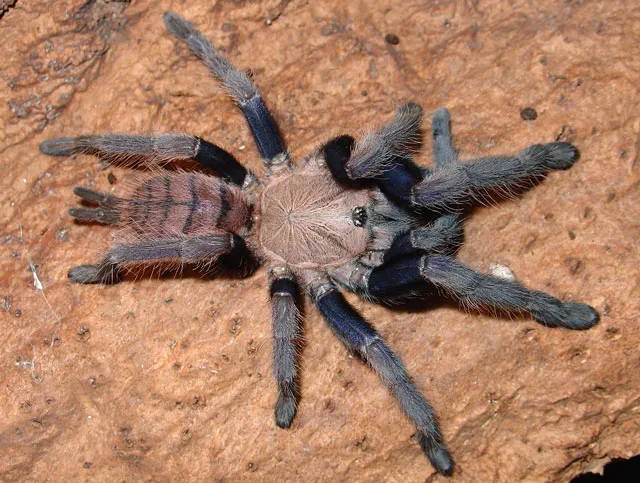
Why Buy a Tarantula in Canada?
The allure of owning a tarantula in Canada is undeniable, offering a unique and captivating pet experience. Unlike common household pets, tarantulas present a fascinating blend of the exotic and the manageable. Their relatively low-maintenance nature appeals to those seeking companionship without the demands of dogs or cats. The captivating appearance, diverse species, and intriguing behaviors of tarantulas provide a constant source of fascination. Owning a tarantula can be a rewarding experience, offering a glimpse into the world of arachnids and providing a conversation starter that sets you apart. For many, the initial draw is the intriguing nature of these creatures, but the experience often blossoms into a deep appreciation for the wonders of the natural world and the opportunity to care for a unique pet in Canada.
Fascinating Facts About Canadian Tarantulas
Canadian tarantulas, though not as diverse as their tropical counterparts, hold a special place in the arachnid world. These spiders, often found in specific regions, have adapted to the unique Canadian climate. They are not the fluffy, colorful varieties one might imagine, but they possess distinct characteristics. One of the most fascinating aspects is their resilience, thriving in environments that can be harsh. Canadian tarantulas are typically nocturnal hunters, spending their days hidden and emerging at night to seek prey. They play a crucial role in their ecosystems, helping to control insect populations. Their life cycle, from egg sac to adulthood, is a marvel of nature. Understanding these facts offers a glimpse into the hidden world of Canadian arachnids, fostering a deeper appreciation for the biodiversity within our own borders.
Do Tarantulas Make Good Pets?

Whether tarantulas make good pets is a matter of perspective, as they offer a different kind of companionship than traditional pets. They are relatively low-maintenance, requiring specific habitats and feeding routines. Tarantulas are not interactive in the same way as dogs or cats; they don’t offer cuddles or play, but rather, they offer a unique observational experience. Their care requires a commitment to understanding their specific needs, including temperature, humidity, and diet. Owners must be comfortable handling live insects and maintaining a clean habitat. For those who appreciate the quiet beauty of nature and the fascination of observing wildlife, tarantulas can be a rewarding pet. They are a conversation starter, an educational opportunity, and a window into the fascinating world of arachnids.
5 Amazing Facts About Tarantulas for Sale in Canada
Discovering the world of tarantulas for sale in Canada unveils a series of fascinating facts that will surely pique your interest. These creatures are not only captivating to observe but also present a unique perspective on the natural world. Their presence offers a deeper understanding of the biodiversity within our own country. Let’s explore some of these interesting facts to enhance your knowledge about tarantulas in Canada.
Fact 1 Native Tarantula Species
Canada is home to a few native tarantula species, primarily found in specific regions with suitable climates. These species are generally not as colorful or large as their tropical counterparts. The presence of native tarantulas in Canada is a testament to the diversity of the country’s ecosystems. Knowing these species exists encourages conservation efforts to protect their natural habitats. The study of Canadian tarantulas also provides a unique scientific perspective, as they have adapted to the colder climate. Identifying and understanding these native species is the first step in enjoying tarantulas for sale in Canada.
Fact 2 Legal Considerations

Before acquiring a tarantula in Canada, it’s essential to understand the legal considerations. Regulations regarding the ownership of exotic animals vary by province and sometimes even by city. Some areas may have restrictions or require permits for owning tarantulas. It is crucial to research local laws and regulations to ensure compliance. Ignoring these legal aspects can lead to fines or even the confiscation of your pet. Responsible tarantula ownership starts with a thorough understanding of the legal requirements, ensuring the well-being of the animal and avoiding any potential legal issues.
Fact 3 Cost of a Tarantula
The cost of a tarantula in Canada can vary greatly depending on the species, size, and origin. Rare or unusual species tend to be more expensive than common ones. The price also reflects factors such as age and health. In addition to the initial cost of the tarantula, you must consider the ongoing expenses. These include the cost of the habitat, substrate, food (primarily insects), and any necessary supplements. It is vital to factor in these long-term costs when deciding whether to buy a tarantula. Researching prices and understanding the overall expenses is essential for responsible pet ownership.
Fact 4 Where to Buy in Canada
Finding a tarantula for sale in Canada typically involves several options. You can explore local pet stores, reptile expos, or specialized breeders. Online marketplaces and classified ads may also offer tarantulas, but exercise caution when purchasing from these sources. Always check the seller’s reputation and ensure the tarantula appears healthy. When selecting a tarantula, consider the seller’s expertise and willingness to provide care information. Purchasing from reputable sources guarantees a healthier tarantula and valuable support from experienced keepers. Always prioritize the welfare of the animal by choosing a trustworthy seller.
Fact 5 Tarantula Care

Caring for a tarantula requires specific knowledge to ensure its well-being. Key aspects include providing an appropriate habitat, maintaining the correct temperature and humidity levels, and offering a suitable diet. Tarantulas are solitary creatures, so they should be housed individually. Their enclosures should be well-ventilated and provide a secure environment. Regular cleaning and maintenance are crucial to prevent health issues. Understanding the unique care requirements of tarantulas ensures they live a long and healthy life. Proper care means providing the best environment for a thriving tarantula.
Tarantula Care Tips in Canada
Caring for a tarantula in Canada involves specific considerations due to the climate. The primary goal is to replicate the tarantula’s natural habitat, which typically requires maintaining optimal temperature and humidity levels. Since Canadian homes can vary greatly in these environmental aspects, it’s crucial to monitor conditions closely. Utilize heating pads or lamps to keep enclosures warm during colder months, and use a hygrometer to measure humidity. Proper ventilation is equally important, preventing the buildup of mold and maintaining healthy air quality. Providing appropriate substrate, such as coconut fiber or peat moss, helps to regulate humidity levels. Paying close attention to these factors guarantees a comfortable and healthy environment for your tarantula, promoting its overall well-being.
Setting up a Tarantula Habitat
Setting up a tarantula habitat requires careful planning to create a safe and comfortable environment. The enclosure size should match the tarantula’s size and species-specific needs. A secure enclosure with a tight-fitting lid is essential to prevent escapes. Provide a suitable substrate, such as coconut fiber or peat moss, which helps maintain humidity. Include hiding places, such as cork bark or artificial plants, to allow the tarantula to feel secure. Ensure adequate ventilation to prevent mold growth. Choose appropriate heating and lighting elements to maintain the correct temperature and lighting levels. By creating a well-designed habitat, you offer a secure environment, contributing to the tarantula’s well-being.
Feeding your Tarantula

Feeding your tarantula is an essential aspect of its care. Tarantulas primarily eat live insects, such as crickets, mealworms, and roaches. The frequency of feeding depends on the tarantula’s age and species. Young tarantulas require more frequent feedings than adults. The insects you offer should be appropriately sized for your tarantula. Avoid feeding your tarantula insects collected from outside, as they could carry parasites or pesticides. Remove uneaten insects within 24 hours to prevent them from disturbing the tarantula. Provide a shallow water dish with fresh water at all times. Careful attention to feeding habits ensures the tarantula receives the nutrition it needs to thrive.
Maintaining Humidity and Temperature
Maintaining the correct humidity and temperature levels is vital for your tarantula’s health. Tarantulas thrive within specific environmental parameters, which vary by species. Use a hygrometer to monitor the humidity levels, which is often kept at 60-80%. Regulate the temperature using a heating pad or lamp, depending on the species’ requirements. Avoid placing the enclosure in direct sunlight or near heat sources. Mist the enclosure regularly to increase humidity, using distilled or dechlorinated water. Providing optimal temperature and humidity levels is a crucial aspect of tarantula care, supporting healthy molting and overall well-being. Consistent monitoring and adjustments guarantee a healthy and comfortable environment.
Conclusion
Owning a tarantula in Canada is a unique experience, offering both challenges and rewards. From understanding local regulations to providing proper care, responsible ownership is essential. By educating yourself on these amazing creatures, you can enjoy the fascinating world of tarantulas. With the right knowledge and care, you can provide a thriving environment for your tarantula to flourish. Enjoy your experience with your new and amazing pet.