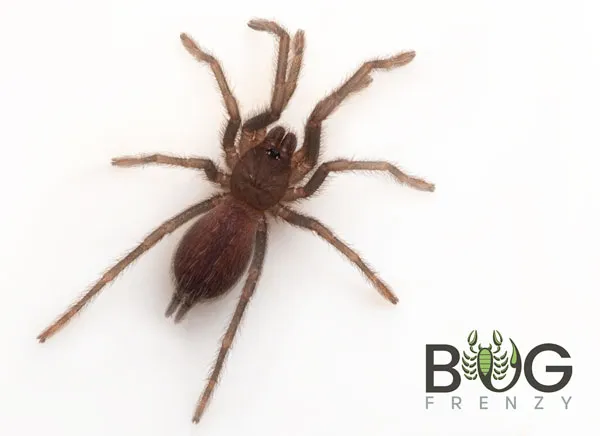
Top 5 Tarantula Species for Sale in Cape Town
Cape Town, with its diverse wildlife and vibrant pet community, offers a unique opportunity for enthusiasts to own exotic pets. Among these, tarantulas are gaining popularity due to their fascinating behavior and relatively manageable care requirements. If you’re considering adding one of these captivating creatures to your home, this guide will introduce you to the top 5 tarantula species for sale in Cape Town, along with essential information to ensure you provide the best possible care. Owning a tarantula can be a rewarding experience, but it’s crucial to understand their needs before bringing one home. From their specific habitat requirements to their dietary needs, each species has unique characteristics that make them fascinating and rewarding pets for the right owner. This guide will help you navigate the world of tarantulas and make an informed decision.
The Chilean Rose Tarantula
The Chilean Rose Tarantula (Grammostola rosea) is a favorite among beginners due to its docile temperament and relatively easy care. They are typically a brownish-pink color, with a lifespan that can extend up to 20 years for females. These tarantulas are known for their calm demeanor, making them less likely to bite or display defensive behaviors. Their size typically ranges from 5 to 6 inches in leg span. In Cape Town, you’ll find them to be a popular choice because of their hardiness and ability to adapt to various environmental conditions. They are a great starting point for anyone new to tarantula ownership, offering a less intimidating introduction to the world of arachnids. The Chilean Rose tarantula’s adaptability makes it a perfect fit for the Cape Town climate.
Appearance and Characteristics

The Chilean Rose Tarantula is easily recognized by its brown to pinkish coloration and its moderate size. Their bodies are covered in fine hairs, and they have a generally robust appearance. The females are typically larger than the males, with a slightly longer lifespan. These tarantulas are known for their gentle nature, making them a favorite among those new to tarantula ownership. They have a distinctive, almost velvety appearance, contributing to their charm. Their size and gentle temperament make them ideal for beginner keepers in Cape Town.
Temperament and Handling
Chilean Rose Tarantulas are generally docile, but they are not recommended for frequent handling. While they rarely bite, they may flick urticating hairs as a defense mechanism, which can cause skin irritation. It is best to observe them in their enclosure and handle them only when necessary, such as for habitat maintenance or relocation. Slow, deliberate movements and respect for their space are essential when interacting with them. Their calm nature, however, makes them relatively easy to observe and enjoy in their enclosure, which is the preferred way to interact with them. Handle with care when in Cape Town’s conditions.
Care Requirements
The Chilean Rose Tarantula requires a moderate-sized enclosure with a substrate of coco fiber or a similar material that retains moisture. They need a shallow water dish and a hide, such as a piece of cork bark, to feel secure. Maintaining a temperature between 24-27°C (75-80°F) and a moderate humidity level is crucial for their health. Feeding them live insects, like crickets or mealworms, once or twice a week is usually sufficient. Ensure their enclosure is clean, and remove any uneaten food to prevent mold growth. These tarantulas are hardy and can thrive with proper care, making them an excellent choice for Cape Town pet owners.
The Brazilian Black Tarantula

The Brazilian Black Tarantula (Grammostola pulchra) is a striking species known for its all-black coloration and relatively calm temperament. These tarantulas can grow to be quite large, with leg spans reaching up to 7 inches. They are generally docile and are a good choice for intermediate keepers who have some experience with tarantulas. Their deep black color is an immediate draw for many enthusiasts. They are also known for their slow growth, which contributes to their appeal. In Cape Town, they have become a sought-after species for their exotic look and manageable temperament.
Appearance and Characteristics
The Brazilian Black Tarantula is easily identifiable by its velvety black appearance. Their bodies are covered in fine black hairs, and they have a robust build. They are one of the larger species available, with females typically growing larger than males. Their solid color and large size make them an impressive sight in any enclosure. They have a presence that is both captivating and intimidating, making them a favorite among experienced keepers. In Cape Town, their bold appearance makes them a standout pet.
Temperament and Handling
Brazilian Black Tarantulas are generally docile and less likely to bite compared to other species. However, like all tarantulas, they can be skittish and may flick hairs if threatened. Handling should be kept to a minimum. Their calm temperament makes them suitable for intermediate keepers who are familiar with tarantula care. It’s always important to approach handling with caution and respect the animal’s boundaries. In Cape Town, their manageable temperament makes them a good choice for those looking for a less reactive pet spider.
Care Requirements

These tarantulas require a spacious enclosure with a substrate of coco fiber or peat moss. A hide, such as a piece of cork bark or a hollow log, is essential for them to feel secure. The temperature should be maintained between 24-27°C (75-80°F) with moderate humidity levels. Feeding them live insects like crickets, roaches, or mealworms once or twice a week is usually sufficient. It is important to provide a water dish and to regularly clean the enclosure to maintain their health. This species is relatively low-maintenance, making it a good choice for experienced tarantula keepers in Cape Town.
The Pink Zebra Beauty Tarantula
The Pink Zebra Beauty (Grammostola pulchra) is admired for its striking appearance and relatively docile nature. They are known for their contrasting black and pink stripes on their legs, adding to their visual appeal. These tarantulas are medium-sized, with leg spans up to 6 inches, and are generally calm, making them a good choice for those with some experience in tarantula care. Their unique coloration makes them a favorite among collectors. In Cape Town, their exotic beauty and manageable care needs have made them increasingly popular. Their zebra-like patterns are striking and visually appealing.
Appearance and Characteristics
The Pink Zebra Beauty Tarantula is easily recognizable by its black and pink striped legs. They have a brownish body and a generally robust build. Their contrasting colors make them visually striking and highly sought-after. The pink stripes on their legs are unique and add to their appeal. They are a medium-sized species, making them manageable for keepers. In Cape Town, their beauty makes them stand out in any collection. Their stripes provide a vibrant contrast.
Temperament and Handling

The Pink Zebra Beauty Tarantula is known for its calm temperament and is generally less likely to bite. However, they can be skittish and may flick hairs if threatened. Handling should be kept to a minimum. Their gentle nature makes them a good choice for intermediate keepers. It’s always important to approach handling with care and respect the animal’s boundaries. In Cape Town, their manageable temperament makes them a good option for those looking for a beautiful and relatively docile pet.
Care Requirements
This species requires a moderate-sized enclosure with a substrate of coco fiber or peat moss. A hide, such as a piece of cork bark, is essential for them to feel secure. The temperature should be maintained between 24-27°C (75-80°F) with moderate humidity levels. Feeding them live insects like crickets, roaches, or mealworms once or twice a week is usually sufficient. Providing a water dish and regular cleaning are important for their health. These tarantulas are relatively low-maintenance, making them a good choice for experienced keepers in Cape Town.
The Curly Hair Tarantula
The Curly Hair Tarantula (Tliltocatl albopilosus) is known for its distinctive appearance, with a body covered in curly hairs. They are a hardy and adaptable species, making them a great choice for beginners. They typically have a dark brown body with golden hairs. These tarantulas are known for their calm temperament and are relatively easy to care for. They are medium-sized, with leg spans reaching up to 6 inches. In Cape Town, their easy care requirements and unique looks have made them a popular choice. They are a very endearing species.
Appearance and Characteristics

The Curly Hair Tarantula is easily recognizable by its dark brown body covered in curly, golden hairs. They have a robust build and a charming appearance. Their distinctive hair gives them a unique look, and they are often considered to be quite beautiful. This species is of moderate size, and their distinctive appearance makes them stand out. They have a look that is both striking and appealing. They have a unique look, making them popular with Cape Town keepers.
Temperament and Handling
Curly Hair Tarantulas are generally docile and less likely to bite. They can be skittish, and their hairs can cause irritation if touched. Handling should be kept to a minimum. They are a good choice for beginners. Their docile nature makes them great to have. In Cape Town, their calm disposition makes them a good addition to any collection. Their demeanor is ideal for new owners.
Care Requirements
This species requires a moderate-sized enclosure with a substrate of coco fiber or peat moss. A hide, such as a piece of cork bark, is essential for them to feel secure. The temperature should be maintained between 24-27°C (75-80°F) with moderate humidity levels. Feeding them live insects like crickets, roaches, or mealworms once or twice a week is usually sufficient. Providing a water dish and regular cleaning are important for their health. They are relatively low-maintenance, making them a good choice for beginners in Cape Town.
The Mexican Red Knee Tarantula

The Mexican Red Knee Tarantula (Brachypelma hamorii) is one of the most iconic tarantula species, known for its striking red and black coloration on its legs. These tarantulas are generally docile and relatively easy to care for, making them a popular choice for both beginners and experienced keepers. They can live for many years, with females potentially living for over 20 years. Their striking appearance and manageable temperament have made them a favorite. In Cape Town, their vibrant appearance and manageable care make them a highly sought-after pet. This species is a true favorite among collectors.
Appearance and Characteristics
The Mexican Red Knee Tarantula is easily recognized by its black body and distinctive red or orange markings on its knee joints. They are a medium-sized species, typically reaching a leg span of up to 6 inches. Their vibrant colors make them an attractive pet. The females are generally larger than the males. In Cape Town, their striking appearance makes them stand out in any collection. They are a beautiful species, and their pattern is iconic.
Temperament and Handling
Mexican Red Knee Tarantulas are generally docile but can flick hairs when threatened. Handling should be kept to a minimum. Their calm nature makes them suitable for beginners. It is important to handle them with care, respecting their space. Their demeanor is ideal. In Cape Town, they have a good reputation as pets that are relatively easy to handle.
Care Requirements
They require a moderate-sized enclosure with a substrate of coco fiber or peat moss. A hide, such as a piece of cork bark, is essential. The temperature should be maintained between 24-27°C (75-80°F) with moderate humidity levels. Feeding them live insects like crickets, roaches, or mealworms once or twice a week is sufficient. Providing a water dish and cleaning the enclosure regularly are important for their health. This species is a good choice for those looking for a vibrant and beautiful tarantula in Cape Town.
Where to Buy Tarantulas in Cape Town
Finding a tarantula for sale in Cape Town involves understanding the local market and choosing reputable sources. There are various avenues to explore, from local pet shops to online marketplaces. It’s crucial to prioritize the health and well-being of the tarantula and to ensure you’re purchasing from a trusted vendor. Ensuring the health and safety of the tarantula is important.
Reputable Breeders and Pet Shops
One of the best ways to purchase a tarantula in Cape Town is to find a reputable breeder or a well-established pet shop that specializes in exotic pets. These vendors typically have experience in caring for tarantulas and can provide valuable advice and information. They should be able to provide health guarantees and offer a selection of healthy specimens. Look for vendors who are knowledgeable, willing to answer your questions, and can provide evidence of ethical breeding practices. Visiting the shop in person allows you to assess the conditions in which the tarantulas are kept, ensuring they are well-cared for. They are a good start for the owner.
Online Marketplaces and Classifieds
Online marketplaces and classified websites can also be a source for finding tarantulas for sale in Cape Town. However, it’s essential to exercise caution when buying from these platforms. Always check the seller’s reviews and feedback to assess their reputation. Ask for detailed information about the tarantula’s age, origin, and health. Request clear photos and videos of the tarantula and its enclosure. Meeting the seller in person allows you to inspect the tarantula before making a purchase. Be wary of deals that seem too good to be true, as they may indicate unethical practices or unhealthy animals. Ensure you understand the seller’s terms and conditions before committing to a purchase. Always check the seller’s reputation.
Important Considerations Before Buying
Before purchasing a tarantula in Cape Town, there are several important considerations to keep in mind. This includes the legality of owning tarantulas in your area, ensuring the health and safety of the tarantula, and being prepared to provide the necessary habitat and care. Doing your research is key to ensuring a positive experience. Before you buy, make sure you’re ready.
Legality and Regulations
Before acquiring a tarantula, it is vital to verify the local laws and regulations regarding exotic pet ownership in Cape Town and the Western Cape province. Some species may be restricted or require permits. Contact the relevant authorities, such as the Department of Environmental Affairs, to ensure you comply with all legal requirements. Failure to adhere to these regulations can result in penalties. Ensure that you understand the legalities to avoid issues.
Health and Safety
When buying a tarantula, always prioritize its health and safety. Check for signs of illness, such as lethargy, loss of appetite, or unusual behavior. Examine the tarantula’s body for injuries or parasites. Ask the seller about the tarantula’s feeding history and any recent shedding cycles. If possible, observe the tarantula eating to ensure it is feeding well. Ensure the seller is knowledgeable and can provide information on the tarantula’s care and history. A healthy tarantula is a happy tarantula.
Setting up a Tarantula Habitat
Setting up the right habitat is crucial for the health and well-being of your tarantula. This includes selecting an appropriate enclosure, providing the correct substrate and decor, and maintaining the right temperature and humidity levels. The right habitat ensures your tarantula thrives.
Choosing the Right Enclosure
The size and type of enclosure will depend on the tarantula species and its size. A general rule is to provide an enclosure that is at least twice the tarantula’s leg span in width and length, and at least three times its leg span in height. Glass or acrylic enclosures are suitable. Ensure the enclosure has a secure lid to prevent escape. Proper ventilation is essential, but avoid drafts. Ensure the enclosure is appropriately sized for the tarantula’s needs.
Substrate and Decor
The substrate is the material that covers the bottom of the enclosure. Suitable substrates include coco fiber, peat moss, or a mixture of both. The substrate should be deep enough for the tarantula to burrow if it’s a terrestrial species. Provide a hide, such as a piece of cork bark or a hollow log, for the tarantula to feel secure. Add a shallow water dish for drinking. Decorations should be non-toxic and free of sharp edges. Ensure the decor is appropriate for the species.
Temperature and Humidity
Maintaining the correct temperature and humidity levels is critical for your tarantula’s health. The ideal temperature range is typically between 24-27°C (75-80°F). You can use a heat mat or a ceramic heat emitter to maintain the temperature. Humidity levels vary depending on the species. You can measure humidity using a hygrometer. To maintain humidity, mist the enclosure with water or provide a shallow water dish. Ensure the humidity and temperature match your tarantula’s needs. Check this regularly.
In conclusion, owning a tarantula in Cape Town can be a rewarding experience if you are prepared to provide the right care and environment. By selecting a suitable species, purchasing from a reputable source, and creating an appropriate habitat, you can ensure your tarantula thrives. Remember to research your chosen species thoroughly and to prioritize its health and well-being. With the right preparation, you can enjoy the fascinating world of tarantulas. Enjoy your new pet!