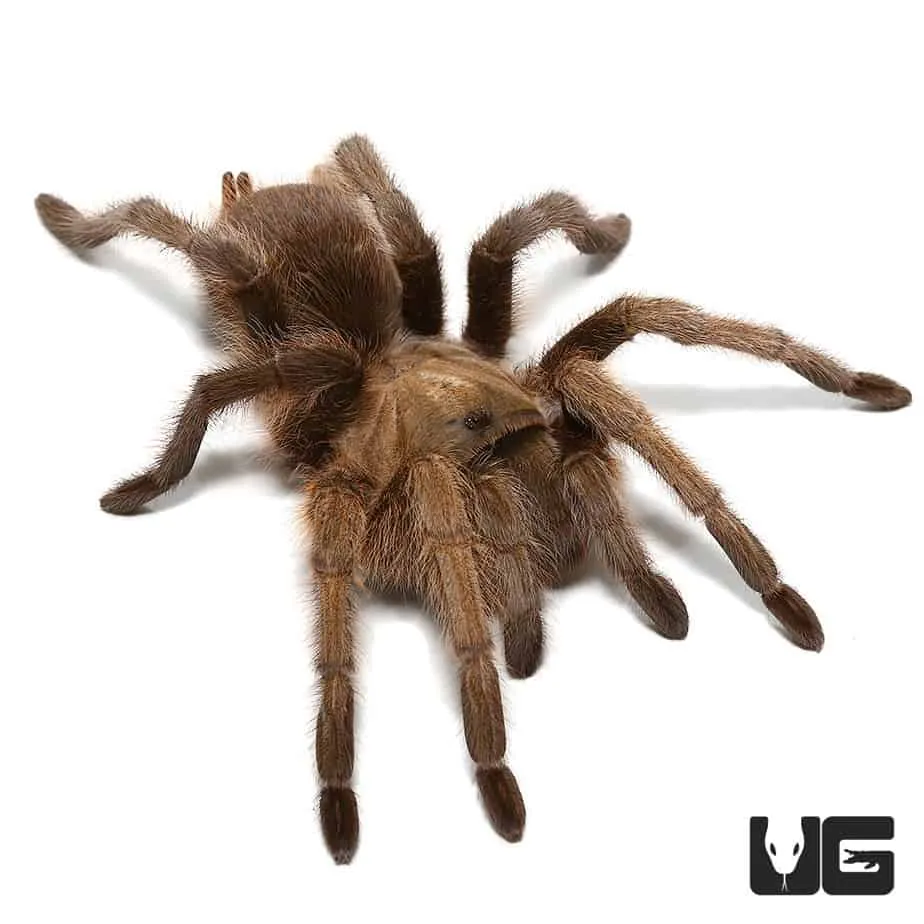
Amazing Tarantulas Gainesville
Are you captivated by the fascinating world of arachnids and considering a tarantula for sale in Gainesville? These eight-legged wonders are increasingly popular pets, offering a unique blend of beauty and intrigue. This guide will delve into the exciting world of tarantulas, providing all the essential information you need to become a responsible and knowledgeable tarantula owner. From understanding the different species available in Gainesville to the crucial aspects of their care, this article is your ultimate resource. Discover the amazing facts about these creatures, learn how to find a healthy tarantula for sale, and ensure you are prepared to provide the best possible environment for your new pet. Whether you’re a seasoned reptile enthusiast or a curious beginner, get ready to embark on a journey into the captivating realm of Gainesville tarantulas.
Species Spotlight
Gainesville offers a diverse range of tarantula species, each with its own unique characteristics. Understanding the different types available is the first step in finding the perfect match for your lifestyle and experience level. Before you look for a tarantula for sale, it’s essential to know about common and rare species, their temperaments, and the specific care requirements that each species demands. Researching these details ensures you can provide the best possible environment for your tarantula, promoting its health and well-being.
Common Tarantula Species

Several tarantula species are frequently available in Gainesville, making them excellent choices for beginners. These species are often selected for their docile temperaments, ease of care, and captivating appearances. The Chilean Rose Hair tarantula, for instance, is a popular choice, known for its gentle nature and relatively low maintenance requirements. Another great option is the Mexican Red Knee tarantula, recognizable by its striking red and black markings, and it’s also known for being relatively easy to care for. Consider the Grammostola pulchra, or Brazilian Black tarantula; These species typically have lower venom potency, making them safer for novice owners. The availability of these species also means you’re likely to find a tarantula for sale at a more reasonable price. Before purchasing, always research the specific needs of each species to make sure it aligns with your experience and living situation.
Rare Tarantula Species
For experienced tarantula keepers, Gainesville occasionally offers rarer and more exotic species. These tarantulas can be more challenging to care for, often requiring specific humidity levels, temperatures, and specialized diets. Examples of rare species might include the vibrant Cobalt Blue tarantula, known for its striking blue legs, or the stunning Greenbottle Blue tarantula, a true showstopper. The price of these species is typically higher because they are not commonly available. If you are considering a rare species, it’s absolutely critical to conduct extensive research on its specific needs and ensure you are prepared to meet them. This includes understanding their ideal habitats, feeding habits, and potential health issues. It’s also crucial to find a reputable breeder or seller to ensure you get a healthy tarantula.
Where to Buy in Gainesville
Finding a reputable source for a tarantula for sale in Gainesville is crucial to ensure you get a healthy and well-cared-for spider. Several options are available, each with its own benefits and considerations. Always prioritize the health and well-being of the tarantula. Inspect the spider, ask about its history, and choose a source that prioritizes the health of its animals.
Local Pet Stores

Local pet stores are a convenient option for finding a tarantula for sale in Gainesville. These stores often carry a variety of species, and you can see the tarantulas in person before making a purchase. Buying from a local store allows you to assess the tarantula’s health and ask questions about its care. Look for stores that specialize in exotic pets, as they typically have knowledgeable staff. These stores can offer valuable insights into tarantula care and can provide guidance tailored to your specific needs. However, remember that prices may vary. Always check the tarantula’s enclosure for cleanliness and adequate care. The condition of the animal and its environment indicates how the business operates.
Online Retailers
Online retailers provide a wider selection and potential access to rarer species. Online platforms allow you to compare prices and species from various sellers. Researching sellers thoroughly is essential to ensure their reputation and the health of their tarantulas. Check reviews and testimonials from other buyers to gauge their experiences. Before purchasing, always inquire about the tarantula’s origin, age, and health history. Request clear photos and videos of the tarantula. Some reputable sellers offer guarantees of health and safe shipping. Understand that shipping can be stressful for tarantulas, so choose a seller with experience in this area. Also, consider local regulations and shipping restrictions to avoid any legal issues.
Amazing Tarantula Facts
Tarantulas are fascinating creatures, and knowing some fun facts about them can enhance your appreciation for these spiders. Here are five amazing facts to get you started. These facts cover their lifespan, appearance, and more. Learn more about why these amazing creatures make such compelling pets.
Fact 1: Lifespan

One of the most surprising facts about tarantulas is their longevity. Female tarantulas can live for an astonishingly long time, often exceeding 20 years in captivity. Some species can even live for over 30 years with proper care. Male tarantulas, however, typically have a shorter lifespan, often only living for a few years after reaching maturity. The extended lifespan of female tarantulas means that owning one can be a long-term commitment. This longevity makes them a unique pet choice, offering a bond with a companion that you’ll enjoy for many years. This fact alone often surprises potential buyers who are considering a tarantula for sale in Gainesville.
Fact 2: Size and Appearance
Tarantulas come in a wide range of sizes, shapes, and colors, which is a major appeal for many owners. Some of the largest species can have leg spans of over 10 inches, making them truly impressive creatures. Their appearance is incredibly diverse, with vibrant colors and patterns, such as the striking red knees of the Mexican Red Knee tarantula or the brilliant blue legs of the Cobalt Blue tarantula. The variety in their appearance is one of the reasons they are such captivating pets. Each species has its own distinct look, providing endless fascination for tarantula enthusiasts. When choosing a tarantula for sale, consider the size and appearance to match your personal preferences and the space available in your home.
Fact 3: Habitat
Tarantulas are native to various habitats around the world, including rainforests, deserts, and grasslands. They have adapted to thrive in diverse environments, which is reflected in their varied care requirements. Most tarantulas are terrestrial, meaning they live on the ground, while some are arboreal, meaning they live in trees. Understanding the natural habitat of a tarantula is essential to providing the proper environment in captivity. For example, a desert-dwelling tarantula will need a drier enclosure, while a rainforest species will require higher humidity. Replicating their natural habitat helps the tarantula feel secure and thrive, which in turn adds to its health and longevity. Knowing their habitat helps with the search of a tarantula for sale in Gainesville.
Fact 4: Temperament and Handling

Tarantulas are generally not aggressive, but their temperament can vary from species to species. Some species are known to be more docile and can be handled, while others are best left undisturbed. Even docile tarantulas can be skittish and prone to defensive behavior. It is crucial to handle tarantulas with care and respect their space. Never try to grab a tarantula, and always let it come to you. Bites from tarantulas, while rarely fatal, can be painful and cause discomfort. If you are considering a tarantula for sale in Gainesville, remember that it is not advisable to handle them often. The primary goal should be to provide a stress-free environment. Handling should be limited to essential tasks like enclosure cleaning and health checks.
Fact 5: Care Requirements
Caring for a tarantula involves providing a suitable habitat, proper feeding, and maintaining the correct environmental conditions. The habitat should include an appropriately sized enclosure with substrate, a water dish, and appropriate hiding places. Feeding tarantulas involves providing a diet of insects, such as crickets and mealworms. Maintaining the correct humidity and temperature levels is also crucial for the tarantula’s health and well-being. Research the specific requirements of the species you choose, as different species have different needs. This is a critical factor to consider when you are looking for a tarantula for sale in Gainesville. Ensure you can meet these care requirements to ensure the health and happiness of your pet.
Tarantula Care Tips for New Owners
Taking care of a tarantula can be a rewarding experience. However, it’s essential to approach it with the right knowledge and preparation. Here are some key tips for new owners to ensure their tarantulas thrive. These tips cover creating the right habitat, feeding your tarantula, and monitoring its health. By following these tips, new owners can provide a safe and enriching environment for their new pet, contributing to its long-term well-being.
Creating the Ideal Habitat

A well-designed habitat is crucial for your tarantula’s health and happiness. The enclosure should be appropriately sized for the tarantula’s species and size, allowing it to move comfortably. It should also have good ventilation, providing fresh air while maintaining the necessary humidity levels. Substrate is important. The substrate provides a place for the tarantula to burrow and feel secure. The substrate should be appropriate for the species, such as a mix of peat moss, coconut fiber, and vermiculite for terrestrial species. Provide hiding places, such as cork bark or artificial hides, to give the tarantula a place to retreat and feel safe. Ensure that the enclosure is secure to prevent escapes. Maintaining a clean habitat is vital. Clean the enclosure regularly and remove any uneaten food or waste to prevent the growth of mold and bacteria. This attention to habitat details is important after you get a tarantula for sale in Gainesville.
Feeding Your Tarantula
Feeding your tarantula is a straightforward process. Tarantulas are primarily insectivores, meaning their diet consists of insects. The insects you offer should be live and of an appropriate size for your tarantula. Crickets, mealworms, and roaches are common choices. Feed juveniles more frequently, around two to three times a week, while adults may need to be fed only once a week or less, depending on their size and metabolism. Remove any uneaten food within 24 hours to prevent the growth of mold and bacteria. Providing a constant supply of fresh, clean water is essential. Use a shallow water dish that is easily accessible. Monitor your tarantula’s eating habits and adjust the feeding frequency accordingly. A healthy tarantula will have a good appetite and a well-rounded abdomen.
Health and Common Issues
Tarantulas are generally hardy creatures, but like all pets, they can experience health issues. Common problems include dehydration, molting issues, and parasitic infections. Signs of illness include lethargy, loss of appetite, and unusual behavior. Always check the tarantula’s abdomen and legs for any signs of injury or parasites. Dehydration can be avoided by ensuring your tarantula has access to fresh water. Provide proper humidity levels. Molting is a natural process for tarantulas, and during this time, they are vulnerable. Avoid disturbing a tarantula while it is molting, and provide a humid environment. If you suspect your tarantula is sick or injured, consult with a veterinarian experienced in exotic animals. Preventative care is critical. Regularly inspect the enclosure and the tarantula. By being proactive, you can address any health issues quickly and effectively.