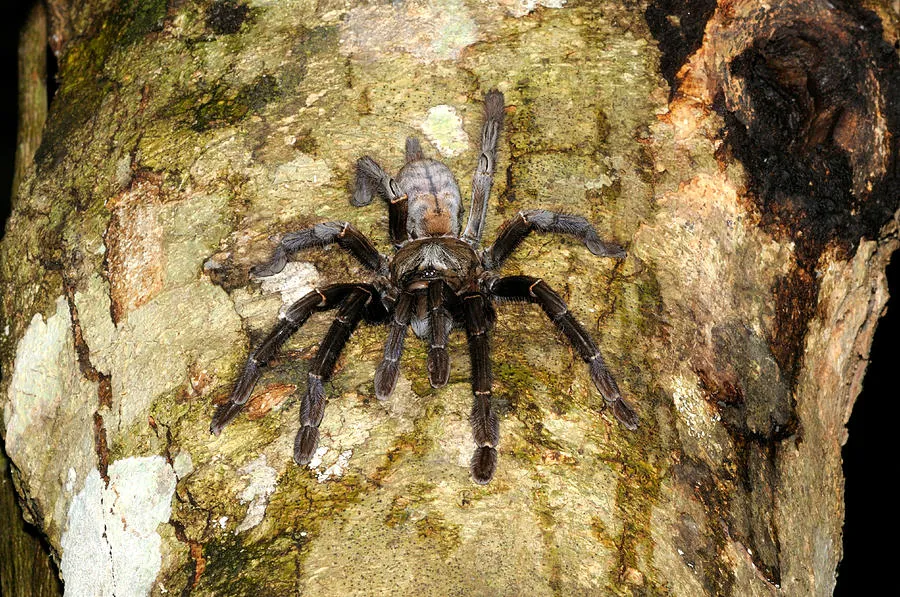
Why Choose a Tarantula as a Pet
Considering a tarantula for sale in Malaysia? You’re in for an exciting journey! Tarantulas, with their captivating appearance and relatively low-maintenance needs, have become increasingly popular pets. Their intriguing behaviors and diverse species offer a unique pet-keeping experience. Unlike many other pets, tarantulas don’t require daily walks or constant attention, making them a great choice for those with busy lifestyles. They’re also relatively quiet and don’t produce allergens, which can be a significant advantage for allergy sufferers. Owning a tarantula can be a rewarding experience, providing an opportunity to observe fascinating creatures up close and learn about the amazing world of arachnids. Before you begin your search for a tarantula for sale Malaysia, understand the commitment involved in responsible pet ownership.
Considerations Before Buying
Before you buy a tarantula for sale Malaysia, several factors need careful consideration. First, ensure you’re prepared to commit to the long-term care of the tarantula, as they can live for many years. Research different species to understand their specific needs, including size, temperament, and environmental requirements. Consider your living situation and whether you can provide a suitable, secure habitat that is safe from children and other pets. Also, be prepared for the potential costs of setup, food, and veterinary care. Research local regulations regarding keeping tarantulas, as permits might be needed. Buying a tarantula is not an impulse decision. By taking the time to learn, prepare, and assess your abilities, you’re taking the first step toward a successful experience of owning a tarantula in Malaysia.
Understanding Tarantula Species in Malaysia

Malaysia’s tropical climate is conducive to a variety of tarantula species, some of which are more suitable for beginner keepers. Understanding the different species and their unique characteristics is crucial when considering a tarantula for sale Malaysia. Species vary significantly in size, temperament, venom potency, and specific care requirements. Some tarantulas are more docile and handleable than others, making them ideal for beginners. Conversely, some species may be more defensive and require a higher level of experience. Researching species based on their needs and suitability is essential, as is matching them with your level of experience and commitment. Make sure to choose a species that aligns with your capabilities and preferences. This understanding will ensure both your well-being and that of the tarantula, making the pet ownership a positive experience.
Common Tarantula Species Found in Malaysia
Several tarantula species are commonly available for sale in Malaysia. The Brachypelma hamorii, or Mexican Red Knee, is a popular choice due to its docile nature and striking appearance. Another option includes the Grammostola pulchra, known as the Brazilian Black, which is very calm and easy to care for. These species are often recommended for beginners because they are relatively tolerant of handling and have a good temperament. Other available species might include various Asian tarantulas that thrive in warm, humid environments. When you come across a tarantula for sale Malaysia, it’s always a good idea to research the specific species’ needs and temperament, ensuring that you know what to expect. It’s also a good idea to be aware of the different regulations that apply to the import and ownership of specific species within Malaysia.
Selecting a Healthy Tarantula
Choosing a healthy tarantula is vital for its well-being and your peace of mind. When looking for a tarantula for sale Malaysia, closely inspect the spider. Healthy tarantulas are typically active and responsive. Look for a tarantula with a plump abdomen, an indication of good feeding. Avoid tarantulas that appear lethargic, emaciated, or have visible injuries. Check for any signs of mites or parasites. The tarantula should have clean legs and fangs. Ask the seller about the tarantula’s feeding history, molting record, and if it has a known origin. A reputable seller will be transparent about these details. If possible, observe the tarantula feeding to ensure it has a healthy appetite. By taking the time to assess the tarantula’s condition, you increase your chances of buying a healthy, thriving pet.
Where to Buy Tarantulas in Malaysia
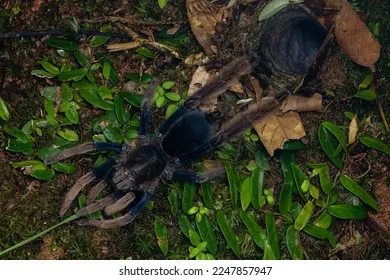
Finding a tarantula for sale Malaysia involves knowing where to look. The best options include local pet shops and online retailers that specialize in exotic pets. Selecting a reputable seller is crucial, as they can provide healthy tarantulas and reliable information. Check the seller’s reputation by reading online reviews and asking for recommendations from experienced tarantula owners. When visiting a pet shop, inspect the conditions of the tarantulas and ask about the seller’s knowledge and experience. Do not hesitate to ask questions about the tarantula’s care, origin, and health. If you find a tarantula for sale Malaysia online, ensure the seller is trustworthy and has a good return policy. This will minimize any potential risks during the purchase and shipping process.
Online Tarantula Retailers
Online retailers offer convenience and a wide selection when searching for a tarantula for sale Malaysia. Many specialized online stores are dedicated to selling exotic pets, offering detailed information about different tarantula species, including their care requirements. When purchasing online, be sure to check the seller’s reputation, read reviews, and confirm their shipping policies, especially regarding the safe delivery of live animals. It’s also critical to ensure that the seller complies with all local regulations regarding the sale and shipping of tarantulas. Before making a purchase, thoroughly review the seller’s return and health guarantee policies. This ensures you are protected should the tarantula arrive in poor condition. Furthermore, compare prices and species availability across different retailers to find the best fit for your needs.
Local Pet Shops and Breeders
Local pet shops and breeders can provide a more hands-on experience when you’re looking for a tarantula for sale Malaysia. Local pet shops often carry a variety of species and offer immediate access to the animals. Visiting a local pet shop also allows you to observe the tarantulas in their environment. Breeders, on the other hand, may specialize in specific species, offering valuable knowledge and expertise. When dealing with local breeders, you’ll likely receive more personalized care and information. Always check the breeder’s reputation by requesting references or checking their social media presence. Local breeders can often provide the best prices and support after your purchase. Always ensure that the seller complies with Malaysian regulations for the sale and care of exotic pets.
Setting Up Your Tarantula’s Habitat
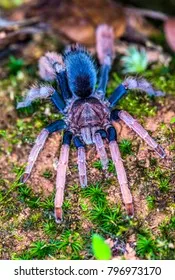
Providing a suitable habitat is essential for a tarantula’s health and well-being. When you bring home your new tarantula for sale Malaysia, you must have a secure enclosure that replicates its natural environment. The size of the enclosure should depend on the species and the tarantula’s size. Glass or plastic terrariums with secure lids are ideal, as they prevent escape and offer good visibility. Proper ventilation is also crucial to prevent mold and maintain air quality. The enclosure should be decorated with appropriate substrate, such as coconut fiber, peat moss, or a mix of both, as these provide a comfortable environment for burrowing. The habitat should include hiding places like cork bark or artificial plants. You’ll want to create a comfortable environment for your pet.
Essential Habitat Components
Several components are critical for your tarantula’s habitat. The substrate, the material at the bottom of the enclosure, should be deep enough to allow the tarantula to burrow if it is a burrowing species. Provide a water dish with fresh, clean water at all times. A hide, such as a piece of cork bark or an artificial cave, is essential as it offers a safe place to retreat and feel secure. Decorate the enclosure with non-toxic items, such as artificial plants, to provide enrichment and visual appeal. Ensure the habitat is escape-proof, with a secure lid and proper ventilation. Avoid placing the enclosure in direct sunlight or near heat sources, which can cause extreme temperature fluctuations. Careful attention to these components will result in your tarantula’s comfortable, enriching habitat.
Temperature and Humidity Control
Maintaining the correct temperature and humidity levels is crucial for your tarantula’s health. Most tarantula species require specific temperature ranges, generally between 70-80°F (21-27°C). Use a thermometer to monitor the temperature within the enclosure. Heating can be achieved using a heat mat placed on the side or back of the enclosure, never underneath, to avoid overheating. Humidity levels should also be maintained based on the species’ needs. Use a hygrometer to measure humidity levels. Mist the enclosure with dechlorinated water as needed, paying close attention to the specific requirements of your tarantula species. Regularly check and adjust these environmental factors to keep your tarantula comfortable and healthy.
Feeding Your Tarantula

Proper feeding is vital for a tarantula’s growth and well-being. Most tarantulas eat insects, such as crickets, mealworms, roaches, and other readily available live food. The size of the prey should be appropriate for the tarantula’s size, avoiding food items that are too large. When selecting a tarantula for sale Malaysia, inquire about its feeding habits and preferred prey. The frequency of feeding will vary depending on the species, age, and the tarantula’s growth stage. Spiderlings may need to be fed more frequently, while adults can be fed less often. Always remove any uneaten food within 24 hours to prevent mold and maintain a clean environment. Providing a varied diet and ensuring that the tarantula has access to clean water will support a healthy life.
Choosing the Right Food
Choosing the right food is crucial for your tarantula’s health and well-being. Live insects are the primary food source for most tarantulas. Crickets are widely available and can be a good option, but ensure they are gut-loaded with nutritious food before feeding them to your tarantula. Mealworms and dubia roaches are also excellent choices, offering different nutritional profiles. It’s best to avoid feeding wild-caught insects due to potential exposure to pesticides or parasites. Always select insects that are pesticide-free and of appropriate size, with the insect not exceeding the tarantula’s body size. A varied diet will provide the tarantula with essential nutrients for proper growth and development, contributing to its overall health and vitality.
Feeding Frequency and Techniques
The feeding frequency depends on the age and species of your tarantula. Spiderlings and juvenile tarantulas need to be fed more frequently, sometimes several times a week. Adult tarantulas can often be fed once a week or less. Observe your tarantula’s feeding habits to determine how often they eat. Some tarantulas might refuse food before a molt. Offer the prey to the tarantula using tongs to avoid the risk of being bitten. Always remove uneaten food within 24 hours to prevent mold or mites from infesting the enclosure. Monitoring the abdomen size of the tarantula can help determine whether it is getting enough food. Maintaining a consistent feeding schedule will ensure that the tarantula receives the nutrition it needs while keeping its enclosure clean.
Tarantula Care and Maintenance
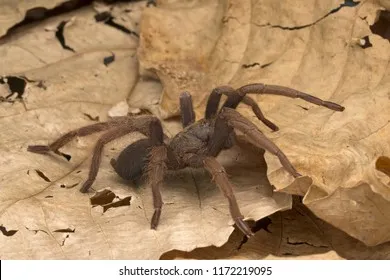
Caring for a tarantula involves more than just feeding. Regular maintenance is critical to keeping your pet healthy and happy. This includes regular enclosure cleaning and monitoring the tarantula’s health and behavior. The substrate should be spot-cleaned regularly to remove any uneaten food, molts, or waste. The water dish should be cleaned and refilled with fresh, dechlorinated water at least twice a week. Watch out for any signs of illness, such as loss of appetite, lethargy, or unusual posture. If you suspect any health issues, consult with a veterinarian specializing in exotic animals. Keeping a detailed record of feeding, molting, and behavior can help you recognize any changes. Proper care and maintenance will contribute to a long, healthy life for your tarantula.
Handling Your Tarantula Safely
Handling a tarantula should be done with caution. Not all tarantulas are suited to be handled. Some species are more docile than others, while some can be more defensive and may bite. It’s best to avoid handling tarantulas unless they are accustomed to it. If you choose to handle your tarantula, do so in a controlled environment, such as close to the floor. Approach the tarantula slowly and gently. Use a soft brush to encourage the tarantula to climb onto your hand. Avoid sudden movements, and always supervise children when they are around the tarantula. If the tarantula appears stressed, it may raise its front legs in a defensive posture or flick hairs from its abdomen. If this happens, gently place it back in its enclosure immediately. Never force a tarantula to be handled.
Common Health Issues and Prevention
While tarantulas are generally hardy, they can still experience health issues. Common problems include parasites, mites, and fungal infections. Prevent these issues by maintaining a clean enclosure and providing proper ventilation. Mites can be a particular problem. If you notice them, remove them by isolating the tarantula, replacing the substrate, and carefully cleaning the enclosure. Inspect the tarantula regularly for any signs of illness or injury. Look for unusual behaviors such as loss of appetite, lethargy, or lack of movement. If you observe any of these signs, consult a veterinarian specializing in exotic animals. With preventative care and prompt attention, most health problems can be effectively addressed.
Tarantula Breeding (Optional)

Breeding tarantulas can be a rewarding but complex endeavor. It requires advanced knowledge, experience, and the resources to care for the offspring. Before considering breeding, ensure you’re familiar with the specific requirements of the species you own. It’s essential to have a good understanding of the spider’s molting cycle. You must also know how to distinguish between males and females, as well as the proper timing for mating. The process typically involves introducing a mature male to a mature female in a controlled environment. The female will lay eggs in an egg sac, which requires careful incubation and management. Be prepared for the time and resources required to raise the spiderlings successfully. Not all tarantula keepers choose to breed their spiders. However, it is an exciting opportunity for those dedicated to the hobby.
Regulations and Legal Considerations
When you’re looking at a tarantula for sale Malaysia, it is essential to be aware of the local regulations. Some tarantula species are protected or have specific import requirements. Before you buy a tarantula, research the laws regarding the ownership of exotic pets in your area. Certain species may require permits or licenses. It is your responsibility to comply with all local and national laws. This includes ensuring that you are purchasing a tarantula from a reputable source and that you have the necessary paperwork. Importing tarantulas may involve additional steps, such as quarantine periods. Failure to comply with these regulations can result in legal penalties. Understanding and adhering to these regulations ensures that you are acting responsibly and legally as a tarantula owner.
Importing Tarantulas
Importing tarantulas into Malaysia can be a complex process. If you purchase a tarantula for sale Malaysia from an international source, you must navigate import regulations. These typically involve obtaining the necessary permits from the relevant government authorities. Before initiating the import process, you’ll need to confirm that the species is permitted for import and whether there are any restrictions. You’ll need to provide documentation, such as health certificates and proof of origin. The tarantula may also be subject to quarantine upon arrival in Malaysia. Seek expert advice to ensure that you comply with all the necessary regulations. Working with an experienced importer can simplify the process. Always be aware of all requirements and follow them to avoid legal issues.
Local Laws and Permits
In addition to import regulations, you should be familiar with local laws and permit requirements. Some areas of Malaysia may have specific ordinances or regulations regarding the keeping of exotic pets, including tarantulas. These laws may require registration or the acquisition of a permit. Contact your local authorities or pet-keeping organizations to obtain detailed information on the rules in your area. Ensure that you are compliant with all the laws, or you could face penalties, including fines or the need to surrender your tarantula. Maintaining accurate records, such as purchase receipts, health records, and any permits obtained, is also a good idea. Familiarizing yourself with and following local rules is essential for responsible tarantula ownership in Malaysia.