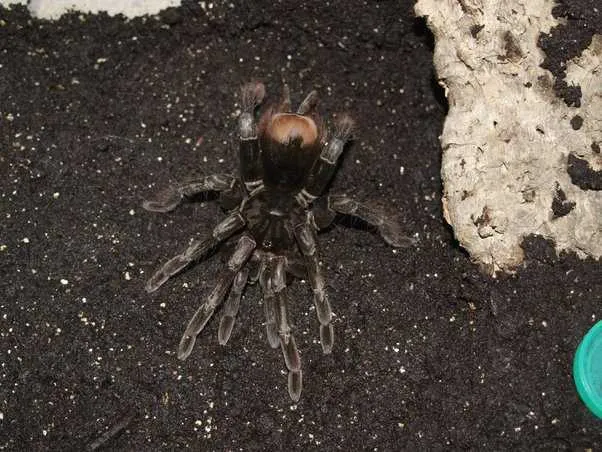
Keeping a tarantula and a frog together is an intriguing concept, one that requires a deep understanding of both creatures’ needs and behaviors. This guide provides 101 amazing tips to help you create a thriving environment for these fascinating pets. From habitat setup to diet and health considerations, this article will help you navigate the unique challenges and rewards of this exotic pet combination. Responsible pet ownership means prioritizing the well-being of your animals, and that includes providing them with the best possible care and environment. Combining these species can be done successfully, but only with careful planning, research, and dedication.
Tarantula & Frog Care 101 Amazing Tips
Embarking on the journey of keeping tarantulas and frogs together is a rewarding experience, but it demands a comprehensive understanding of both species. This guide provides 101 essential tips, covering every aspect from habitat design to health maintenance, ensuring your pets thrive. The synergy between these creatures can create a fascinating ecosystem within your home, but success hinges on your commitment to their welfare. Each tip contributes to a harmonious and enriching environment for your tarantula and frog. Let’s dive in and explore the essential elements for a successful cohabitation, fostering a thriving environment for your tarantula and frog.
Understanding Tarantula Behavior
Tarantulas, despite their intimidating appearance, are generally solitary creatures. Understanding their natural behaviors is critical to providing a suitable environment. They are ambush predators, preferring to wait for prey to come within striking distance. They are also sensitive to environmental changes and stress. Observe your tarantula’s habits, such as burrowing, web-spinning, and feeding patterns, to gauge their comfort level. Providing ample hiding places and maintaining a stable environment are key to minimizing stress and promoting their well-being. A healthy tarantula will exhibit normal behaviors, such as regular molting and a healthy appetite.
Tarantula’s Natural Habitat

Tarantulas originate from diverse habitats, ranging from tropical rainforests to arid deserts. Their natural environment profoundly influences their behavior and needs. Rainforest tarantulas require high humidity and plenty of cover, while desert species thrive in dry conditions. Replicating the appropriate environment is crucial for their survival. Research the specific species you own to accurately mimic its natural habitat. This involves providing the right substrate, temperature, humidity, and hiding places. Failure to provide the correct environment can lead to stress, illness, and a shortened lifespan. Consider the environmental factors your tarantula is accustomed to.
Tarantula’s Diet & Feeding
Tarantulas are primarily insectivores, feeding on a variety of insects. The size of the prey should be appropriate for the tarantula’s size; typically, the prey should be no larger than the tarantula’s abdomen. Crickets, mealworms, and roaches are common food sources. Avoid feeding wild-caught insects, as they may carry parasites or pesticides. Provide a consistent feeding schedule, adjusting the frequency based on the tarantula’s age and metabolism. Ensure that uneaten prey is removed from the enclosure to prevent stress and potential harm to the tarantula. Regular access to fresh water is also critical for their health and hydration. Overfeeding can lead to health issues, so moderation is key.
Understanding Frog Behavior
Frogs, like tarantulas, have distinct behavioral patterns that reflect their needs and preferences. Observe your frog’s activity levels, feeding habits, and vocalizations to understand its well-being. Many frogs are nocturnal, while others are active during the day. Different species exhibit varying levels of social interaction. Familiarize yourself with your frog’s specific traits and adapt your care accordingly. A healthy frog will display normal behaviors, such as regular feeding, shedding, and movement. Be mindful of signs of stress, such as lethargy, lack of appetite, or unusual skin changes.
Frog’s Natural Habitat

Frogs inhabit a wide variety of environments, including rainforests, wetlands, and deserts. Different species have specific needs, ranging from water features to dry areas. Provide an environment that mimics their natural habitat to promote their health and happiness. This involves selecting the right substrate, creating a suitable temperature gradient, and ensuring proper humidity levels. Consider the frog species’ natural preferences, such as hiding places, climbing opportunities, and access to clean water. Mimicking their natural environment minimizes stress and promotes their natural behaviors.
Frog’s Diet & Feeding
Frogs are primarily insectivores, with their diet consisting of insects and other small invertebrates. The type and size of food depend on the species and the frog’s size. Offer a varied diet of appropriately sized insects, such as crickets, fruit flies, and small worms. Ensure the insects are gut-loaded (fed nutritious foods before feeding to the frog) to provide maximum nutrition. Provide a consistent feeding schedule, avoiding overfeeding, which can lead to obesity. Supplements, such as calcium and vitamins, may also be necessary, especially for captive frogs. Monitor the frog’s weight and body condition to ensure proper nutrition. Remove uneaten food to prevent any health issues.
Setting Up the Perfect Habitat
Creating a suitable habitat is the foundation of successful cohabitation between tarantulas and frogs. This involves careful consideration of enclosure size, substrate selection, and environmental controls. Providing the correct environment minimizes stress and encourages natural behaviors. The goal is to replicate each species’ natural habitat as closely as possible within the confines of the enclosure. Research the specific needs of your tarantula and frog species to ensure the perfect setup, which will contribute significantly to their well-being and longevity.
Enclosure Size and Design

The size of the enclosure is crucial. It needs to be large enough to accommodate both the tarantula and the frog without overcrowding. A well-designed enclosure includes distinct zones for each species, with ample space for movement, hiding, and feeding. Vertical space is just as important as horizontal space, particularly for arboreal species. Consider incorporating different levels and structures to allow the animals to explore. Ensure the enclosure is escape-proof, with a secure lid and appropriate ventilation. The enclosure’s design must provide appropriate hiding places, temperature gradients, and humidity levels.
Substrate Selection
Choosing the right substrate is critical for maintaining the correct humidity levels and providing a comfortable environment for both animals. Substrate should be non-toxic, absorbent, and capable of retaining moisture. Common options include coconut fiber, peat moss, and sphagnum moss. The substrate should be deep enough for the tarantula to burrow, if appropriate, and provide a suitable surface for the frog. Avoid substrates that can harbor mold or bacteria. Change the substrate regularly to prevent the build-up of waste and maintain a healthy environment. Choose a substrate that meets the specific needs of your tarantula and frog species.
Temperature and Humidity Control
Maintaining proper temperature and humidity is essential for the health of both species. Use a thermometer and hygrometer to monitor conditions within the enclosure. The enclosure should have a temperature gradient, with cooler areas for the animals to retreat to. Humidity levels should be appropriate for both species; too much or too little humidity can be harmful. Use a heat source, such as a heat mat or ceramic heat emitter, to maintain the correct temperature. Regularly mist the enclosure to maintain humidity, but avoid over-saturating the substrate. Consider the specific requirements of your tarantula and frog species.
Choosing the Right Frog Species

Selecting the right frog species is critical for successful cohabitation. Some frogs are more compatible with tarantulas than others. Some species are too small and may be seen as food, or they may be too aggressive. Research the temperament and size of potential frog species to ensure they are compatible with your tarantula. Choosing a non-toxic, relatively larger frog that can coexist peacefully with a tarantula is essential. Understanding the specific requirements of each species will help you make the best choices to ensure the welfare of your pets.
Non-Toxic Frog Species for Tarantulas
When selecting a frog species for cohabitation with a tarantula, choose non-toxic species to ensure the safety of both animals. Avoid species that secrete toxins through their skin, which could be harmful to the tarantula if ingested. Research thoroughly and understand the specific defense mechanisms of any frog before introducing it into the enclosure. Some of the safe species are larger frogs and therefore, they should not be considered prey. The selection process is essential for minimizing the risk of harm to either animal. Prioritize the safety and well-being of both the frog and tarantula.
Frog Compatibility
Frog compatibility involves a balanced approach, considering factors such as size, temperament, and dietary needs. Frogs that are too small may be seen as prey, while aggressive frogs may harm the tarantula. Research and select frog species that are known for their docile nature and are not overly territorial. The frog’s size must be such that it is not easy for the tarantula to attack. Closely monitor the interactions between both species, especially initially, and be prepared to separate them if conflicts arise. Evaluate the compatibility between your specific tarantula and frog combination.
Essential Care Tips

Proper care is paramount for maintaining the health and well-being of your tarantula and frog. This involves consistent feeding, maintaining optimal environmental conditions, and regular maintenance of the enclosure. A structured approach and the ability to understand the individual needs of each species are crucial for a healthy and thriving environment. Regular observation is necessary to detect and address potential health issues quickly.
Feeding Your Tarantula and Frog
Feeding your tarantula and frog requires specific attention to each species’ dietary needs. Ensure that the prey is appropriate for the size of both animals. Offer a varied diet of insects, supplemented with appropriate vitamins and minerals. Monitor your tarantula’s and frog’s feeding habits, adjusting the frequency and quantity of food as needed. Avoid overfeeding, which can lead to health problems. Always remove uneaten food promptly to prevent the spread of disease. Provide fresh water at all times. Maintain a healthy balance to prevent stress and promote optimal health.
Watering and Humidity
Providing fresh, clean water is critical for both your tarantula and frog. Both species require specific humidity levels, which depend on the species and the environment. Use a shallow water dish for the tarantula. For frogs, you may require a water dish and regular misting to maintain humidity. Monitor humidity levels with a hygrometer. Mist the enclosure as needed. Clean the water dishes regularly to prevent the growth of bacteria. Ensure both species stay hydrated. Maintain proper humidity to help your pets to thrive.
Regular Habitat Cleaning

Regular cleaning is essential for maintaining a healthy environment. Remove any uneaten food, feces, and other debris promptly. Spot-clean the enclosure daily, and change the substrate regularly. The frequency of cleaning will depend on the size of the enclosure and the number of animals. Use appropriate cleaning solutions. Avoid harsh chemicals that can harm your pets. A clean environment will help prevent the spread of disease. Routine maintenance contributes significantly to the health and well-being of both the tarantula and the frog.
Health & Safety
Prioritizing the health and safety of your tarantula and frog is a critical aspect of responsible pet ownership. This involves recognizing the signs of illness, taking preventive measures, and addressing any potential risks or challenges. Regular observation, prompt action, and a proactive approach can help to ensure your pets thrive.
Recognizing Signs of Illness
Recognizing signs of illness is critical for providing timely and effective care. Be aware of normal behaviors and promptly address any deviations. Common signs of illness in tarantulas include lethargy, loss of appetite, difficulty molting, and changes in body posture. In frogs, look for changes in skin color, loss of appetite, lethargy, and swelling. If you observe any signs of illness, seek veterinary care from a qualified reptile or amphibian veterinarian. Early detection and treatment can improve the chances of recovery. Observe your pets daily.
Preventing Parasites & Diseases
Preventing parasites and diseases is crucial for maintaining your pets’ health. Quarantine new animals before introducing them to the enclosure. Clean the enclosure regularly and use appropriate disinfectants. Prevent the use of wild-caught insects. Provide a clean and stress-free environment. Practice good hygiene to prevent the spread of diseases. Consult with a veterinarian for advice on preventative care. These precautions will help to keep your tarantula and frog healthy and prevent the spread of disease.
Potential Risks and Challenges
Cohabiting a tarantula and a frog presents some risks and challenges. Careful consideration, diligent observation, and appropriate management strategies are essential for addressing these potential problems. Being aware of these challenges will allow you to make informed decisions and proactively manage any potential issues, thereby promoting the safety and well-being of your pets.
Predator-Prey Dynamics
Understanding predator-prey dynamics is crucial. A tarantula is a natural predator, and it might see the frog as a meal. This risk is especially high with smaller frogs or if the tarantula is larger. The reverse situation, where the frog might eat a young tarantula, is rare but possible. Always consider the relative sizes of your animals and be prepared to separate them if conflicts arise. Monitor all interactions between the animals.
Stress Management
Stress can be a significant factor. Introducing two species into the same habitat can be stressful. Minimize stressors. Provide ample hiding places for both animals. Maintain a stable environment, with consistent temperature and humidity. Avoid overcrowding. Regularly observe your pets for signs of stress. Ensure your pets are not overexposed. Stress can weaken the immune system and make the animal more susceptible to disease. A calm, stable environment is key.
In conclusion, keeping a tarantula and a frog together requires careful planning, research, and dedication. While cohabitation can be rewarding, it demands a strong commitment to both creatures’ well-being. By understanding their specific needs, providing a suitable habitat, and being vigilant about potential risks, you can create a thriving and fascinating environment for your exotic pets. Prioritizing their safety, health, and happiness is paramount to ensure they thrive. With the right knowledge and care, you can enjoy the unique experience of sharing your home with these amazing creatures.