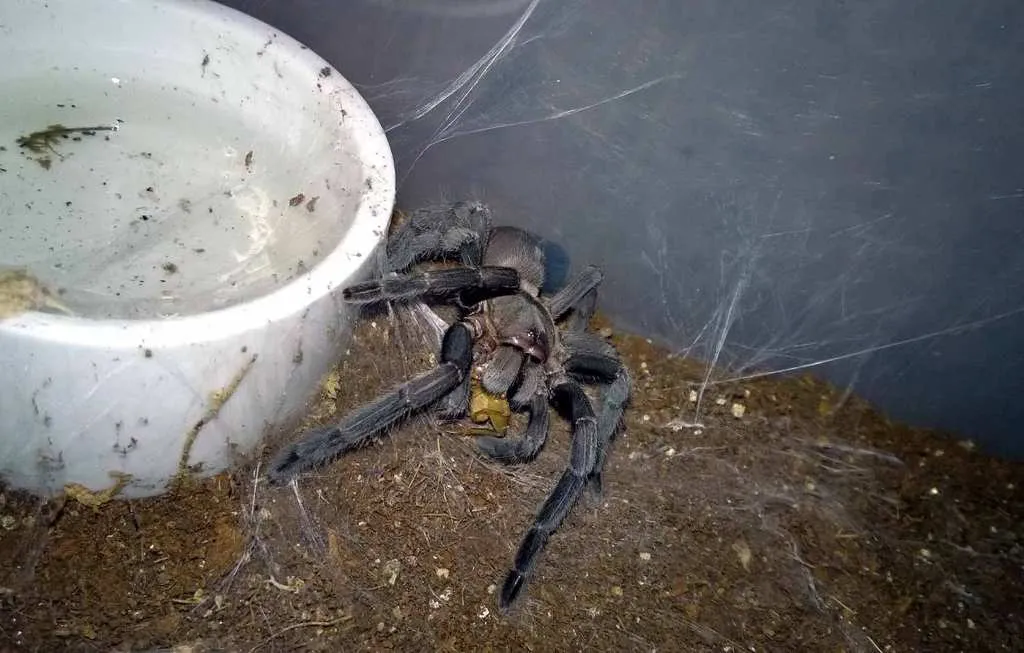
Understanding Tarantula Geniculata Feeding Needs
The Tarantula Geniculata, also known as the Giant White Knee tarantula, is a captivating creature and a popular choice among tarantula enthusiasts. Proper feeding is paramount to ensuring the health, growth, and longevity of your pet. This comprehensive guide provides seven essential tips to help you master the art of feeding your Tarantula Geniculata, covering everything from prey selection and feeding frequency to environmental considerations and safety precautions. Understanding these needs and implementing these tips will not only allow your tarantula to thrive but also offer you the satisfaction of providing excellent care for this fascinating species. Careful attention to detail is vital to ensure your tarantula receives proper nourishment and lives a long, healthy life.
The Importance of a Balanced Diet for Your Tarantula
Just like any living organism, Tarantula Geniculata require a balanced diet to support their physiological processes. A balanced diet provides the necessary nutrients for growth, molting, and overall health. Deficiencies can lead to various health problems, including poor growth, weakened immune systems, and difficulties during molting, which can be fatal. A well-balanced diet ensures they receive the protein, fats, and other micronutrients they need to survive and thrive in captivity. This translates to a more active, vibrant, and long-lived pet spider, bringing greater enjoyment to the owner and a better quality of life for the tarantula. Ignoring the importance of a balanced diet can lead to decreased lifespans and a less fulfilling experience for both the tarantula and its keeper.
Essential Nutrients Tarantulas Require

Tarantulas require a diet rich in protein and a moderate amount of fat. Protein is crucial for growth, muscle development, and the production of hemocyanin, the blood pigment that carries oxygen. Fats provide energy and assist in absorbing fat-soluble vitamins. They also require chitin from their prey, which aids in the formation of their exoskeleton. While the exact nutritional needs can vary, a diet consisting primarily of insects is usually sufficient. Avoid overfeeding, as this can lead to health problems. It is essential to provide a varied diet with different insects to ensure a broad range of nutrients. This includes insects such as crickets, mealworms, roaches, and even occasional pinky mice, depending on the size and maturity of your tarantula, to create the best environment for your pet.
Tip 1 Choose Appropriate Prey Size
The size of the prey is a critical aspect of tarantula feeding. Offering prey that is too large can stress your tarantula and potentially cause injury, while prey that is too small won’t provide adequate nutrition. The general rule of thumb is to offer prey that is no larger than the tarantula’s body size. It’s better to err on the side of smaller prey, especially for younger tarantulas, as they are more vulnerable. Regularly assess the size of your tarantula and adjust the size of the prey accordingly as it grows and molts. This will ensure the tarantula can consume the prey easily without unnecessary difficulty and prevent potential health complications.
Why Size Matters for Tarantula Geniculata
Providing appropriately sized prey ensures the tarantula can successfully capture and consume the food without undue stress. Large prey can pose a threat to the tarantula, especially during molting or when it is feeling vulnerable. A tarantula struggling to subdue prey is more susceptible to injury. Smaller prey, on the other hand, are easier to manage, and the tarantula can readily digest them. Moreover, the appropriate prey size helps in maintaining a healthy appetite and regular feeding patterns, which are crucial for the tarantula’s overall well-being. Ultimately, choosing the right size protects the tarantula from unnecessary risk and promotes its natural feeding behavior.
Signs Prey is Too Large or Small

Several signs can indicate whether the prey you’re offering is the right size. If the tarantula hesitates to attack the prey, or if it seems to struggle to subdue or consume it, the prey is likely too large. If the tarantula attacks the prey but doesn’t eat it, it may be too large, or the tarantula may not be hungry. Conversely, if the tarantula readily eats the prey, but seems to be constantly hungry, the prey is likely too small, and you may need to increase the size or frequency of feedings. Monitoring the tarantula’s behavior after feeding can help you assess the appropriate size and adjust your prey selection as needed. By observing these cues, you can tailor your feeding approach to best suit your tarantula’s needs.
Tip 2 Frequency of Feeding
The frequency of feeding depends on the tarantula’s age, size, and the stage of its life cycle. Spiderlings and juveniles require more frequent feeding than adults, as they are in the active growth phase. Young tarantulas should be fed every few days, while adults can be fed once or twice a week. Always monitor your tarantula’s abdomen size; a plump abdomen typically indicates it has had enough to eat, whereas a thin abdomen might signal the need for more food. Adjust the feeding schedule based on these observations and the tarantula’s appetite. The feeding frequency will evolve with your tarantula, so it’s essential to pay close attention to its specific needs at each stage of life.
Feeding Schedule for Different Life Stages
Spiderlings, the youngest stage of the tarantula, typically require feeding every two to three days. Juveniles, as they grow, can be fed every four to five days. Adult tarantulas, which have reached their full size, can be fed once or twice a week. It’s important to remember that these are guidelines, and the actual feeding schedule may vary depending on the individual tarantula. Some tarantulas may have a higher metabolism and require more frequent feeding, while others may eat less often. Adjust your feeding schedule based on your observation of the tarantula’s feeding habits and overall health. Always ensure that the tarantula’s abdomen is not overly distended or shrunken.
Adjusting Feedings Based on Molting

Tarantulas typically stop eating before they molt. This is a natural process and nothing to be concerned about. During the premolt period, the tarantula’s appetite will decrease, and it may refuse food altogether. Do not force-feed a tarantula that is about to molt, as this can be extremely stressful. After molting, wait a few days for the tarantula’s new exoskeleton to harden before resuming feeding. Once the tarantula resumes eating, start with a smaller portion of food and gradually increase the size as it becomes more comfortable. Adjusting your feeding routine during molting is a crucial aspect of responsible tarantula care.
Tip 3 Select the Right Prey Types
The type of prey you offer is just as important as the size and frequency. A varied diet ensures that your tarantula receives a broad spectrum of nutrients. The most common and readily available food source is insects, such as crickets, mealworms, and Dubia roaches. However, you should always try to provide diversity. Offering different insect species adds a wider array of nutrients to your tarantula’s diet. Always ensure that the insects you feed your tarantula are from a reputable source and are free from pesticides, which can be harmful to your pet. Rotating between different prey options also enriches the tarantula’s environment by stimulating its hunting instincts.
Best Food Options for Your Tarantula Geniculata
Crickets are a popular choice due to their availability and nutritional value. Mealworms are another easy-to-obtain option, although they are higher in fat, so offer them in moderation. Dubia roaches are considered an excellent food source because they have a good protein-to-fat ratio and are relatively easy to breed. Other options include super worms, wax worms (as a treat), and, for larger tarantulas, the occasional pinky mouse. Always ensure the prey is gut-loaded before feeding it to your tarantula; gut-loading involves feeding the insects nutritious food, which will pass those nutrients to your tarantula. Varying the prey types provides a more balanced diet and prevents nutritional deficiencies.
Foods to Avoid

Certain foods should be avoided when feeding your Tarantula Geniculata. Avoid feeding wild-caught insects, as they may contain parasites or pesticides that can harm your tarantula. Processed foods, such as dog or cat food, are not suitable. Avoid feeding insects that are too large or have a hard exoskeleton, as they may be difficult for the tarantula to consume. Always prioritize the health and safety of your tarantula when selecting food. By making informed choices, you can ensure that your tarantula receives a healthy and balanced diet. Stick to the most recommended options from reputable sources to avoid potential health problems.
Tip 4 Ensure a Clean Feeding Environment
Maintaining a clean feeding environment is essential for the health of your tarantula. Leftover prey can decompose, leading to the growth of bacteria, mold, and mites, which can be harmful to the tarantula. Remove any uneaten prey within 24 hours after feeding to prevent this. The enclosure should be cleaned regularly, including the removal of feces and any other waste. Ensure the water dish is clean and provides fresh water at all times. Regularly disinfecting the enclosure, including the substrate, can also minimize the risk of contamination. Proper hygiene creates a healthy and comfortable environment for your tarantula, preventing the spread of diseases and promoting overall well-being.
Why Hygiene is Crucial
Good hygiene in the tarantula’s enclosure is vital for several reasons. Firstly, it prevents the buildup of harmful bacteria and pathogens, which can cause infections in your tarantula. Secondly, it minimizes the risk of attracting pests like mites, which can irritate and stress the tarantula. Thirdly, it creates a more comfortable and natural environment, mimicking the tarantula’s natural habitat. Regularly cleaning the enclosure, removing uneaten food, and providing fresh water are simple, yet crucial, aspects of proper tarantula care. A clean enclosure promotes a healthier tarantula and reduces the likelihood of disease.
Cleaning Your Tarantula’s Enclosure After Feeding

After feeding, it is important to clean the enclosure to maintain a sanitary environment. Carefully observe whether your tarantula has eaten its prey. If any uneaten prey is left, remove it within a day. Check the substrate for any waste or debris and remove them. Clean the water dish and replenish it with fresh water. The frequency of cleaning will depend on the size of the tarantula and the enclosure. Generally, a partial cleaning should be done weekly, and a full cleaning, including substrate replacement, should be done every few months, depending on the need. Proper cleaning helps maintain the health of your tarantula and keeps the enclosure appealing and safe.
Tip 5 Observe Your Tarantula’s Behavior
Observing your tarantula’s behavior is critical to understanding its needs and ensuring its well-being. Learn to recognize its feeding cues. Not all tarantulas are equally enthusiastic about food, and some may have periods of reduced appetite. Observe their activity levels, body condition, and response to food. Be vigilant in looking for signs of distress, such as lethargy, loss of appetite, or unusual behavior. By paying close attention to their behavior, you can make informed decisions about their care, feeding practices, and overall environment. Regular observation helps you establish a strong bond and enables you to address any potential health problems promptly.
Understanding Feeding Cues
Tarantulas can exhibit specific behaviors that indicate their readiness or disinterest in feeding. A healthy tarantula typically has a strong feeding response. It will readily attack prey offered to it. Conversely, a tarantula that isn’t hungry may ignore the prey or simply retreat. The tarantula’s abdomen can provide additional insight. A full abdomen suggests it has eaten recently, while a thin abdomen may indicate it is hungry. Keep track of your tarantula’s molting cycle, as they usually stop eating before molting. By understanding these cues, you can better tailor your feeding approach to your tarantula’s needs and avoid overfeeding or causing undue stress.
Recognizing When to Stop Feeding

It’s essential to know when to stop feeding your tarantula. Overfeeding can lead to obesity and health problems. A tarantula that is full will typically stop eating. It may show no interest in prey or may even push it away. A full abdomen is another sign. If your tarantula appears to be disinterested in food or has a full abdomen, it is best to stop offering food for a while. It is better to slightly underfeed than to overfeed. Always observe your tarantula’s behavior and adjust your feeding schedule accordingly. Overfeeding can cause stress and discomfort, so learning to recognize these signs of fullness will greatly enhance the health of your pet.
Tip 6 Hydration is Key
Hydration is a fundamental aspect of tarantula care and critical to their health. Tarantulas need access to fresh, clean water at all times. Water is essential for all of their bodily functions, including digestion, molting, and maintaining overall health. Dehydration can lead to serious health problems and can be fatal. Always provide a shallow water dish with fresh water and make sure it is readily accessible. A good supply of water helps the tarantula molt successfully and stay healthy. Monitoring water consumption and ensuring your tarantula stays hydrated are essential parts of responsible pet ownership.
Providing Fresh Water
Fresh, clean water is a necessity for your tarantula. You must provide a shallow water dish that is easily accessible. The water dish should be cleaned and refilled regularly, preferably every day or two, to prevent bacterial growth. Some tarantula keepers use a cotton ball soaked in water, especially for spiderlings, to prevent drowning. Regardless of the method, always ensure that the water source is clean and accessible. Water should never contain additives or chemicals that could harm the tarantula. Providing a fresh water source contributes significantly to the tarantula’s overall health and well-being.
The Role of Hydration in Digestion
Water plays a crucial role in the digestion process of tarantulas. They use water to help break down and process their food. Adequate hydration aids in the production of digestive enzymes, which are necessary for breaking down food. Proper hydration makes it easier for the tarantula to extract nutrients from its prey. A dehydrated tarantula may struggle with digestion, leading to constipation and other health problems. Adequate water intake is essential for the absorption of nutrients, energy production, and waste removal. Providing a constant supply of fresh water is, therefore, a vital aspect of a tarantula’s care, as it supports the efficient processing of food and the maintenance of a healthy system.
Tip 7 Handling and Safety Precautions
Tarantulas are generally docile, but it’s important to take safety precautions when feeding them. Always handle the tarantula with care, especially during feeding. Tarantulas can bite if they feel threatened, and while their venom is not typically lethal to humans, it can be painful. Also, tarantulas can escape if given the opportunity, which could lead to them getting lost or injured. Always be mindful of your tarantula’s temperament and the environment when feeding. By taking the necessary precautions, you can ensure a safe and stress-free feeding experience for both you and your tarantula. Responsible tarantula care involves an understanding of their behavior and the potential risks involved.
Safe Handling Practices During Feeding
Safe handling practices during feeding are paramount. Avoid reaching into the enclosure with your bare hands if possible, especially when offering food. Using long tongs or forceps to place the prey in front of the tarantula reduces the risk of being bitten. Always approach the tarantula calmly and slowly, as sudden movements can startle the tarantula and trigger a defensive reaction. If you must handle your tarantula during feeding, ensure you are gentle and never force the tarantula to do anything it’s not comfortable with. If the tarantula shows signs of agitation, it is best to leave it alone. Safe handling minimizes stress for the tarantula and prevents potential injuries.
Avoiding Bites and Escapes
To avoid bites and escapes, always be mindful of your tarantula’s surroundings and behavior. Ensure the enclosure is secure and has a tight-fitting lid to prevent escapes. Never handle a tarantula when it is agitated, threatened, or near its molt. Always keep a safe distance from the enclosure, and never place your face close to the tarantula. When handling the tarantula, do so over a soft surface, such as a bed or carpet, to minimize the risk of injury if it falls. If your tarantula is startled or shows signs of aggression, allow it to retreat and calm down before proceeding. Maintaining a calm and safe environment helps prevent bites and escapes.