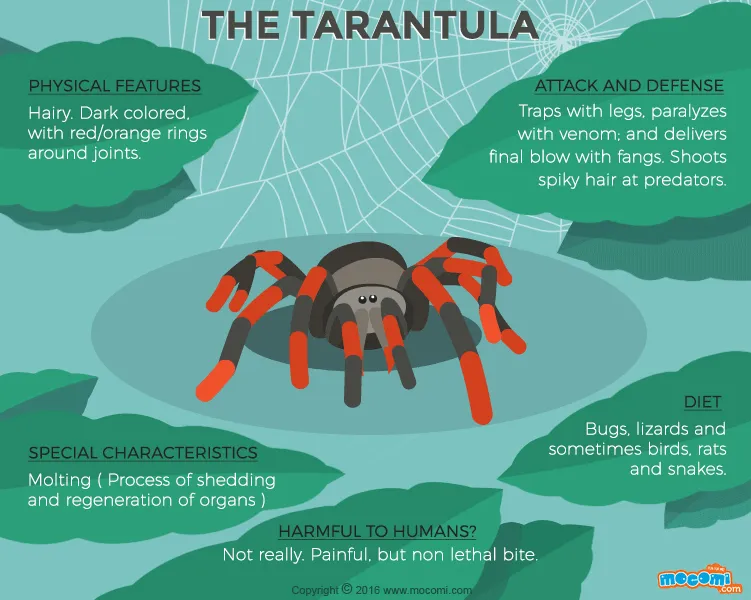
Setting up a tarantula habitat is a rewarding experience, providing a fascinating glimpse into the life of these amazing creatures. Creating the right environment is crucial for your tarantula’s health and well-being. This comprehensive guide breaks down everything you need to know, from choosing the right enclosure to maintaining optimal conditions, ensuring your eight-legged friend thrives. Proper habitat care is not just about aesthetics; it’s about mimicking the tarantula’s natural environment, allowing it to exhibit its natural behaviors and live a long, healthy life. Let’s explore the essential elements of a tarantula habitat, providing you with the knowledge to create a perfect home for your pet.
Choosing the Right Tarantula Habitat
The foundation of a good tarantula habitat is, without a doubt, the enclosure itself. The right enclosure provides security, ventilation, and the space your tarantula needs to thrive. Consider your tarantula’s species and size when making your selection, as this will determine the appropriate dimensions and features. The enclosure also plays a vital role in temperature and humidity control, so choosing wisely is essential to create an environment that supports your tarantula’s health.
Enclosure Size and Type
Enclosure size should be appropriate for your tarantula’s size. As a general rule, the enclosure should be at least twice the tarantula’s leg span in width, and the height should be sufficient for the tarantula to molt without falling. There are several types of enclosures available, each with its own set of benefits.
Glass Terrariums

Glass terrariums are popular choices, offering excellent visibility. They are easy to clean and maintain. However, they may not retain humidity as well as other materials. Ensure adequate ventilation and consider adding a secure lid to prevent escapes. Make sure the lid is secure, as tarantulas are surprisingly strong and can push against them. See the image of glass terrarium setup as reference.
Acrylic Enclosures
Acrylic enclosures are another excellent option, known for their durability and clarity. They are lighter than glass and can retain heat and humidity more effectively. Acrylic is also less prone to breakage, providing an added safety benefit. These enclosures often have pre-drilled ventilation holes, which help regulate airflow and maintain ideal environmental conditions. Take a look at an image of acrylic enclosures.
Plastic Containers
Plastic containers, especially those designed for reptile or insect keeping, can be a cost-effective option. They are lightweight, easy to clean, and readily available. Be sure to select a plastic container made from durable materials to handle the humidity and ensure adequate ventilation. Consider adding ventilation holes if the container doesn’t have them already. Plastic containers are great for juvenile tarantulas due to their affordability and practicality.
Substrate Selection for Your Tarantula

The substrate is the bedding material at the bottom of the enclosure. It serves multiple purposes, including absorbing waste, maintaining humidity, and providing a comfortable surface for your tarantula. The right substrate choice will depend on your tarantula’s species and its environmental needs. Incorrect substrate can lead to health issues, such as mold growth and poor molting. Remember to choose a substrate free of pesticides or harmful chemicals.
Substrate Types and Their Benefits
Popular substrate choices include coco fiber, peat moss, and vermiculite. Coco fiber is a natural, eco-friendly option with excellent moisture-retaining properties. Peat moss also holds moisture well, providing a humid environment suitable for many species. Vermiculite is often used to improve drainage and aeration. You can also create a mix of substrates to achieve the perfect balance of humidity and drainage. Make sure to research what substrate is best for your tarantula’s specific needs, or choose a mix of substrates. Look at an image to see what substrate looks like.
Maintaining Humidity Levels
Humidity is crucial for tarantulas, especially during molting. To maintain appropriate humidity levels, mist the enclosure regularly with dechlorinated water. The frequency of misting will depend on the substrate type and the ventilation in your enclosure. You can also add a water dish to provide a constant source of moisture. Use a hygrometer to monitor the humidity levels. Most tarantulas thrive in humidity levels ranging from 60% to 80%, although this will vary depending on the species. By keeping a close eye on the humidity, you can create a thriving environment.
Essential Habitat Features

Besides the enclosure and substrate, several other features are essential for creating a thriving tarantula habitat. These elements provide your tarantula with enrichment, security, and the necessary resources to thrive.
Water Source
A clean water source is critical for your tarantula’s hydration. Provide a shallow water dish that’s easily accessible, and make sure the water dish is appropriate for the tarantula’s size. Use dechlorinated water to prevent any harmful chemicals from affecting your pet. Regularly clean the water dish to prevent the build-up of bacteria. Placing a water dish in the enclosure is a simple but effective way to provide life-sustaining hydration. See the example of a water dish to find out the right size.
Hiding Spots and Decor
Tarantulas are reclusive creatures that need hiding places to feel secure. Provide a hide, such as a piece of cork bark, a half-log, or a commercially available tarantula hide. These hides offer shelter and reduce stress. Decorate the enclosure with live or artificial plants to replicate your tarantula’s natural environment and make it more visually appealing. Decorations provide enrichment and a naturalistic feel, but ensure they are securely placed to prevent them from falling and harming your tarantula. View the image of hiding spots and decor options.
Temperature Regulation

Maintaining the right temperature is essential for your tarantula’s health and metabolism. Most tarantulas thrive in temperatures between 70 and 85 degrees Fahrenheit (21 to 29 degrees Celsius). Use a thermometer to monitor the temperature within the enclosure. Depending on your environment, you might need to use a heat lamp or a heat mat to maintain the desired temperature. Avoid placing the heat source directly inside the enclosure as it can cause burns. Always monitor the temperature to ensure it stays within a safe range for your tarantula.
Lighting Considerations for Tarantulas
While not strictly necessary, proper lighting can enhance the tarantula’s environment. It also helps you observe your tarantula and can promote natural behaviors. Avoid harsh lighting, as tarantulas are primarily nocturnal and sensitive to bright light. When selecting lighting, the type of light will depend on the needs of your tarantula and the overall aesthetics of the enclosure.
Natural vs. Artificial Lighting
Natural lighting from a window is a great option, but avoid direct sunlight, which can overheat the enclosure. Artificial lighting can be used to supplement natural light or in environments with limited natural light. When using artificial lights, choose low-wattage bulbs or LEDs to avoid overheating. Consider using a timer to control the light cycle, mimicking natural day and night patterns. Remember, the main goal is to provide enough light for observation without disturbing your tarantula.
UVB Lighting

While not typically required for tarantulas, UVB lighting can be beneficial for certain species. UVB light aids in vitamin D3 synthesis, which helps tarantulas absorb calcium. If you choose to use UVB lighting, select a low-intensity bulb and position it a safe distance from the enclosure to avoid overexposure. Always research the specific needs of your tarantula species before introducing UVB lighting. Remember, this is not a must-have, but it can be an option for certain species.
Habitat Maintenance and Cleaning
Regular cleaning and maintenance are crucial for keeping your tarantula’s habitat healthy and hygienic. A clean enclosure prevents the buildup of harmful bacteria, mold, and other pests. Developing a regular cleaning schedule will make this process easier and keep your pet safe.
Regular Cleaning Schedule
Spot-clean the enclosure regularly, removing any uneaten food, shed exoskeletons, and fecal matter. The frequency of spot cleaning depends on your feeding schedule and the size of your tarantula. Perform a complete substrate change every few months, depending on the type of substrate and the species. When cleaning the enclosure, remove your tarantula safely and place it in a temporary container. Replace the substrate, clean the enclosure with a mild, unscented soap, and rinse thoroughly. Always ensure the enclosure is completely dry before returning your tarantula to its habitat. See the picture for cleaning.
Dealing With Mold and Fungus

Mold and fungus can be a common problem in tarantula habitats, especially if humidity is too high or ventilation is poor. To prevent mold and fungus, ensure proper ventilation, avoid over-misting, and replace the substrate regularly. If you notice mold, remove the affected substrate and clean the enclosure thoroughly. Consider using a springtail colony to help control mold growth, as they will consume mold and organic matter. Regular monitoring and quick action will help prevent the spread of mold and ensure a healthy environment for your tarantula.
Feeding and Watering Your Tarantula
Proper feeding and watering practices are essential for your tarantula’s health and longevity. Providing the correct diet and hydration will keep your tarantula in optimal condition and help it thrive.
Proper Feeding Techniques
Feed your tarantula appropriately sized insects, such as crickets, roaches, or mealworms. The size of the prey should be no larger than the tarantula’s body. Feed juvenile tarantulas more frequently than adults. Remove any uneaten prey within 24 hours to prevent stress or the spread of pests. Be mindful of your tarantula’s appetite and adjust feeding accordingly. Overfeeding can lead to obesity, while underfeeding can cause malnutrition. Check out the image of feeding to get an idea.
Watering Frequency
Provide fresh water at all times using a shallow water dish. Refill the water dish as needed, ensuring the water is clean and free of debris. For some species, you may also need to mist the enclosure to maintain proper humidity levels, especially during molting. Always check the water dish daily and the enclosure’s humidity. Clean water is essential for your tarantula’s hydration and overall health.
Troubleshooting Common Habitat Issues
Even with the best care, you may encounter some common habitat issues. Being prepared for these issues will help you resolve them quickly and ensure your tarantula’s well-being.
Dealing with Escapees
Tarantulas are excellent escape artists, so ensuring a secure enclosure is essential. If your tarantula escapes, remain calm and carefully search the area. Check under furniture, in dark corners, and any place your tarantula might hide. Seal any potential escape routes and be patient. If you find your tarantula, gently guide it back into its enclosure. Preventing escapes is important, but knowing how to handle the situation is important too.
Preventing Mites and Pests
Mites and other pests can be a nuisance and potentially harmful to your tarantula. To prevent pests, quarantine new tarantulas before introducing them to your existing collection. Maintain a clean enclosure and remove any uneaten food promptly. If you notice mites, you can remove them with a soft brush or consider introducing a predatory mite species to control the infestation. Regularly check your tarantula and its enclosure for any signs of pests. Quick action will prevent widespread infestations and keep your tarantula healthy.
Creating the perfect tarantula habitat is a rewarding journey. By understanding the essential elements of habitat design, you can provide your tarantula with a safe, enriching, and stimulating environment. Remember, careful planning, regular maintenance, and a keen eye for detail are essential for the health and happiness of your eight-legged friend. Following these guidelines will help you provide your tarantula with a long and fulfilling life.