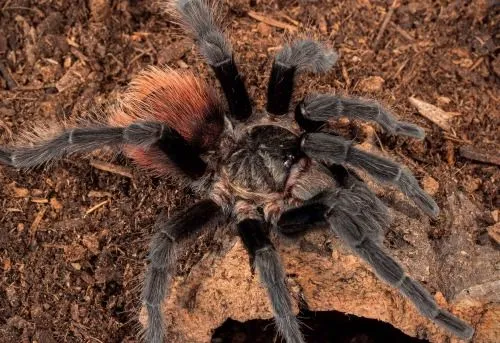
What is Tarantula Hair Flicking (Urticating Hairs)
Tarantula hair flicking, also known as urticating hairs, is a fascinating and crucial defensive mechanism employed by many tarantula species. These tiny, barbed hairs are located on the abdomen of the spider and are specifically designed to irritate potential predators. Understanding this behavior is essential for anyone interested in keeping or studying tarantulas, as it directly impacts how you interact with and care for these creatures. The hairs, which are essentially modified bristles, are not just a nuisance; they are a carefully evolved tool for survival, demonstrating the complex adaptations found in the animal kingdom.
Why Do Tarantulas Flick Hairs?
Tarantulas flick their hairs as a primary defense against threats. Unlike other spiders that might rely on venom or webs, many tarantula species use these urticating hairs to deter predators. The hairs are aimed at the eyes, skin, and mucous membranes of attackers, causing intense itching, irritation, and sometimes even more severe reactions. The act of flicking is a last resort, typically employed when the spider feels threatened or cornered. It’s a clear signal that the tarantula perceives danger and is ready to protect itself. The mechanism is a highly effective means of survival in the wild, allowing tarantulas to avoid being preyed upon by larger animals.
Defensive Mechanism (Urticating Hairs)

The urticating hairs serve as a potent deterrent. When a tarantula feels threatened, it will use its hind legs to rub against its abdomen, dislodging the hairs. These hairs are covered with tiny barbs that embed themselves in the skin or mucous membranes of the predator, causing an immediate and intense itching sensation. The irritation can last for several days or even weeks, depending on the species of tarantula and the sensitivity of the affected animal. This defensive strategy not only discourages immediate attacks but also serves as a lesson, making the predator less likely to target tarantulas in the future. This is a key example of the incredible adaptations these creatures have developed to survive in their environment.
Identifying Tarantula Species with Urticating Hairs
Not all tarantula species possess urticating hairs; some are more prone to biting as a primary defense. The presence or absence of these hairs can be an important factor when considering the care and handling of a particular tarantula. Generally, tarantulas from the New World (North, Central, and South America) commonly have urticating hairs, while those from the Old World (Africa, Asia, and Europe) tend to rely more on other defenses, such as biting. However, there are exceptions to this rule. For any potential tarantula keeper, research is crucial. Knowing the species is essential to understanding how to handle your spider safely and to anticipate its defensive behaviors. This knowledge also aids in providing the correct habitat and overall care needed to keep the tarantula healthy and happy.
Examining the Urticating Hairs
Urticating hairs are not visible to the naked eye, requiring magnification to examine them closely. They are generally found on the tarantula’s abdomen, and their characteristics vary depending on the species. Some tarantulas have hairs that are more easily released than others. The hairs themselves are often barbed, designed to stick into the skin or mucous membranes of a would-be attacker. The way these hairs are organized on the abdomen also varies, ranging from dense patches to specific patterns. By understanding the different types and arrangements of hairs, you can learn more about the defensive strategies of different tarantula species. Such observations also help in determining the potential risk when handling a tarantula.
Types of Urticating Hairs

There are several types of urticating hairs, classified by their shape and how they are used. Type I hairs are found in many species and are generally long and spear-like, while Type III hairs are shorter and more club-shaped. The specific type of hair can impact the severity of the irritation they cause. Some tarantulas will flick their hairs in a cloud, while others will kick them directly at a threat. Knowing the type of hair can help you anticipate a tarantula’s defense mechanism. Some species may have multiple types of hairs. This diversity highlights the different evolutionary pathways tarantulas have taken to protect themselves from various predators. Always be careful when handling any tarantula and assume that all species have some level of defense.
How Tarantulas Flick Hairs
The act of flicking hairs is a surprisingly precise movement. Using their hind legs, tarantulas will rub against their abdomen, which is where the urticating hairs are located. The hairs are dislodged and launched towards the perceived threat. The process can vary slightly between species, but it typically involves rapid, repetitive movements of the hind legs. The speed and accuracy of the flicking action is remarkable, allowing tarantulas to target potential threats effectively. The hairs are not simply brushed off; they are propelled with enough force to travel a short distance, increasing the chance of hitting the target. The tarantula will often raise its abdomen and angle it towards the perceived threat to maximize the impact of the flick.
The Flicking Process
The flicking process is a series of coordinated movements designed to maximize the effectiveness of the urticating hairs. It usually starts with the tarantula assuming a defensive posture, often raising its front legs and abdomen. The spider then uses its hind legs to rub against the abdomen, dislodging the hairs. The hairs are launched in a cloud or targeted at the threat. The entire process is incredibly fast and can be triggered by any perceived danger. It’s important to note that tarantulas may flick hairs even when they do not feel directly threatened, such as during molting or when handling them roughly. The understanding of this behavior is an important part of responsible tarantula care.
How Far Can Tarantulas Flick?

The distance that a tarantula can flick its hairs varies between species and depends on several factors, including the size of the tarantula, the type of hair, and the force of the flick. Some tarantulas can project their hairs only a few inches, while others can reach distances of up to several feet. Generally, the hairs are not designed to travel long distances, but they are effective at close range. The key is the localized and concentrated delivery of irritants that cause the itching sensation. This is an adaptation that serves the tarantula well against potential predators and other threats in its environment. Understanding how far the hairs can travel is important for maintaining a safe distance during handling and cleaning the enclosure.
Impact of Flicking on Predators
The primary impact of tarantula hair flicking on predators is irritation, which discourages further attacks. The barbed hairs embed themselves in the skin or mucous membranes, causing intense itching, burning, and sometimes even more severe reactions. In some cases, these hairs can lead to inflammation, swelling, and allergic reactions, making the experience extremely unpleasant. This defensive mechanism is highly effective against a wide range of predators, from small mammals and birds to reptiles and amphibians. The long-term effect is to teach predators to avoid tarantulas, improving the spider’s chances of survival. Over time, the potential attacker learns to associate the tarantula with the unpleasant experience, further enhancing the spider’s defense.
Dealing with Tarantula Hairs
Dealing with tarantula hairs requires caution and a proactive approach. If you are exposed to urticating hairs, the first step is to avoid touching your eyes or face, as this can worsen the irritation. It is also helpful to wash the exposed area with soap and water. Using tape to remove the hairs can also be effective; the sticky surface grabs the hairs and pulls them from the skin. If the irritation is severe, or if you experience any allergic reactions, seek medical advice. The long-term impact of the hairs can be minimized by being careful and using preventative measures when handling or interacting with your tarantula or its enclosure. Proper cleaning of the enclosure and immediate removal of hairs from skin are essential steps.
Minimizing Exposure

Minimizing exposure to tarantula hairs is crucial for protecting your health and well-being. Always handle tarantulas with care, avoid sudden movements, and be aware of your tarantula’s body language. Wearing gloves and long sleeves during enclosure maintenance is also recommended. When cleaning the enclosure, use a HEPA filter vacuum cleaner to remove any loose hairs effectively. Good ventilation in the room can help minimize the concentration of airborne hairs. Also, maintaining a well-ventilated enclosure helps to keep hair build-up down. Regular cleaning and proper handling techniques are key to reducing the risk of exposure. By taking precautions, you can minimize the risks associated with these hairs and ensure a safe experience.
Removing Hairs from Skin
If you come into contact with tarantula hairs, there are several steps you can take to remove them from your skin. The most effective method is to use adhesive tape, gently pressing it onto the affected area and pulling it away to lift the hairs. Avoid rubbing the skin, as this can drive the hairs deeper. Washing the area with soap and water can also help to remove loose hairs and reduce irritation. Some people find relief from applying cold compresses or using over-the-counter anti-itch creams. It’s important to be patient and persistent, as it can take several days for the irritation to completely subside. Keeping the area clean and dry will promote healing and prevent secondary infections.
Addressing Skin Irritation
If you experience skin irritation from tarantula hairs, there are several measures you can take to alleviate the discomfort. Over-the-counter antihistamines and anti-itch creams can help reduce itching and inflammation. Cold compresses can provide immediate relief and reduce swelling. Avoid scratching the affected area, as this can make the irritation worse and increase the risk of infection. If the irritation is severe or if you develop any signs of an allergic reaction, such as difficulty breathing or swelling, seek medical attention immediately. Keeping the skin clean and moisturized can help promote healing. Be patient, as it may take some time for the irritation to fully subside. Following these steps can provide relief from the discomfort caused by urticating hairs.
Tarantula Hair Flicking and Human Health

The impact of tarantula hair flicking on human health can vary. The primary effect is skin irritation, which can range from mild itching to more severe reactions, including rashes and inflammation. Exposure to the hairs can also cause respiratory issues if inhaled, and in some cases, allergic reactions may occur. The severity of the reaction depends on several factors, including the type of tarantula, the amount of exposure, and the individual’s sensitivity. While not typically life-threatening, the irritation can be quite uncomfortable and can last for several days or even weeks. Understanding these potential health risks is essential for anyone who keeps or interacts with tarantulas.
Allergic Reactions and Health Risks
In some individuals, exposure to tarantula hairs can trigger allergic reactions. Symptoms can range from mild skin rashes and itching to more severe reactions, such as swelling of the face, difficulty breathing, and anaphylaxis. Respiratory issues can occur if the hairs are inhaled, leading to coughing, sneezing, and asthma-like symptoms. People with existing allergies or sensitivities may be at higher risk of experiencing severe reactions. Anyone who experiences these symptoms should seek immediate medical attention. Even with mild reactions, it is important to monitor your health closely and to seek professional guidance. Allergic reactions are not the norm, but awareness and precaution is always necessary.
Preventing and Treating Reactions
Preventing allergic reactions to tarantula hairs involves minimizing exposure. Wearing gloves, long sleeves, and a mask when handling or cleaning the enclosure is highly recommended. Proper ventilation and regular cleaning of the enclosure can help reduce the concentration of airborne hairs. If you experience a reaction, washing the exposed area with soap and water can help remove the hairs and reduce irritation. Over-the-counter antihistamines and anti-itch creams can help alleviate symptoms. For more severe reactions, medical attention may be necessary. Knowing the signs and symptoms of an allergic reaction is crucial to ensuring timely and proper treatment. Always consult a healthcare professional for specific medical advice.
Caring for a Tarantula
Caring for a tarantula involves creating a safe and enriching environment. This includes providing an appropriately sized enclosure with adequate ventilation, temperature, and humidity. Substrate should be suitable for burrowing species if needed and should be kept clean. Providing a water dish and hiding places is essential for the tarantula’s well-being. Proper feeding with appropriately sized insects is also important. It is also important to understand the tarantula’s specific needs, which vary between species. Research your species’ specific requirements to promote good health. The overall goal is to replicate the spider’s natural habitat as closely as possible, to provide the best possible care. Regularly monitoring your tarantula’s behavior, appetite, and molting process will also help you ensure its health.
Creating a Safe Habitat
Creating a safe habitat for your tarantula is essential for its well-being and your safety. The enclosure should be appropriately sized, with secure lids to prevent escape. The substrate should be appropriate for the species and should be kept clean to prevent mold and bacterial growth. Temperature and humidity should be maintained at the correct levels for the species. Providing hiding places, such as cork bark or artificial plants, allows the tarantula to feel secure. Avoid using sharp objects or anything that could harm the spider. The enclosure’s placement should avoid direct sunlight and drafts. By creating a safe and stable environment, you can help your tarantula thrive and minimize potential risks associated with handling or interaction.
Proper Handling Techniques
Proper handling techniques are crucial to ensuring the safety of both you and your tarantula. Always handle tarantulas with extreme caution, and it is best to avoid handling them whenever possible. If handling is necessary, do so with gentleness and slow movements. Avoid sudden movements or actions that could startle the spider. It is best to let the tarantula walk onto your hand rather than grabbing it. Keep your hands close to the ground to prevent falls, and always supervise children when they are near the enclosure. Wearing gloves can also help protect you from urticating hairs. Before handling, research the species. Knowing about their temperament and defensive behaviors is also important.
Conclusion
Understanding tarantula hair flicking (urticating hairs) is essential for responsible tarantula ownership. It’s a fascinating example of a natural defense mechanism, with implications for both the spider’s survival and human interaction. By learning about the hairs, how they work, and the potential health risks, you can take the necessary steps to protect yourself and your pet. Always prioritize caution and respect when interacting with tarantulas, and remember that proper care and handling are key to a positive experience for both you and your arachnid companion. Always keep your safety and the spider’s welfare as your top priorities.